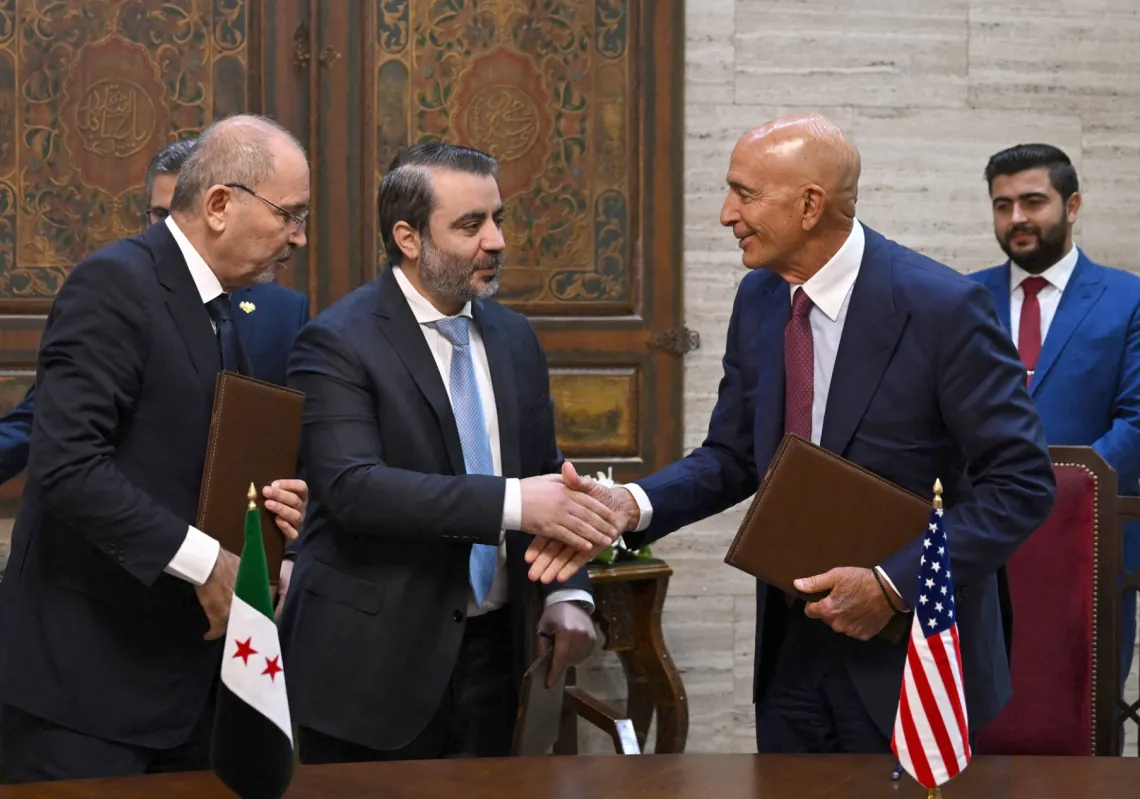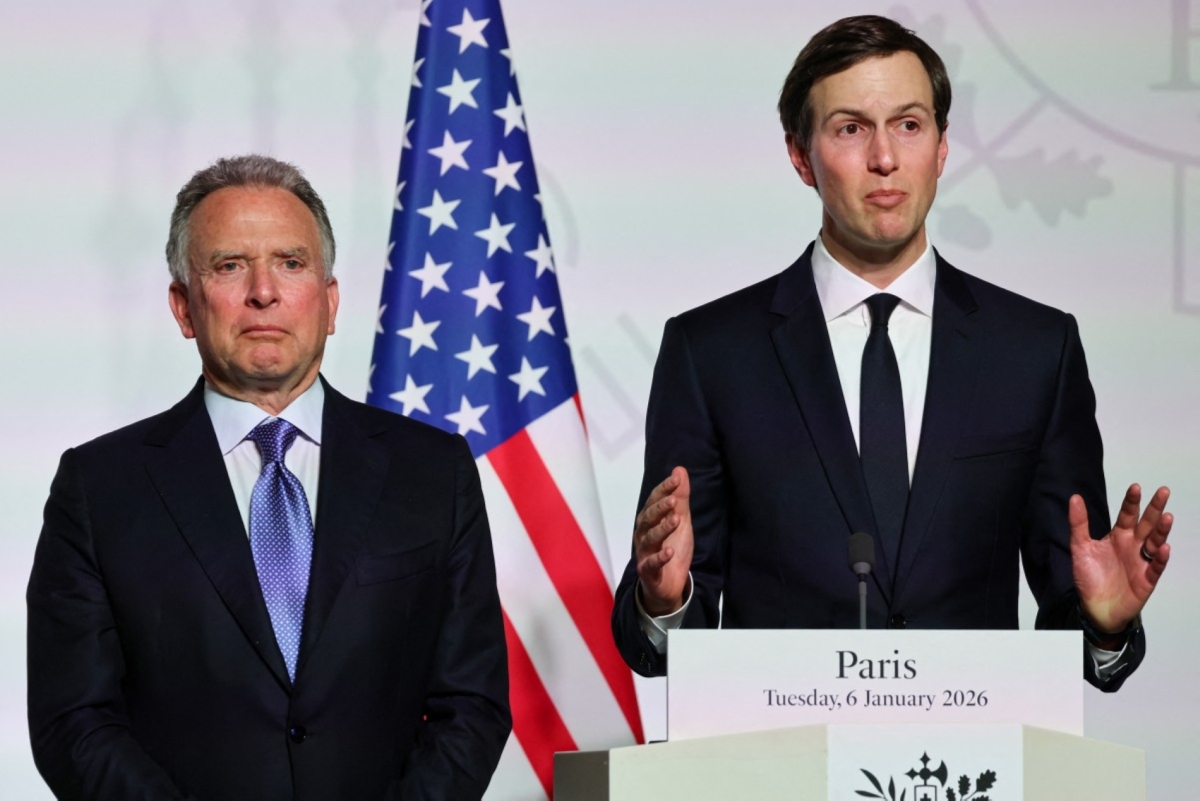

Contacts regarding a potential security agreement between Israel and Syria were renewed this week following several prior rounds of talks. Delegations from both sides, along with senior American officials, met in Paris and agreed on their “commitment to strive toward security arrangements and stability for both countries.” The participation of Steve Witkoff and Jared Kushner, US President Donald Trump's closest advisors on these matters, in the Paris talks is proof that he is serious about moving the matter forward.
On the Israeli side, changes were made to the negotiating delegation. In place of Ron Dermer—Israeli Prime Minister Benjamin Netanyahu's closest confidant—who had led the talks thus far, Israel's US ambassador, Yehiel Leitner, was appointed, along with the Military Secretary (designated to head the Mossad), Roman Gofman, and the acting National Security Council head, Gil Reich.
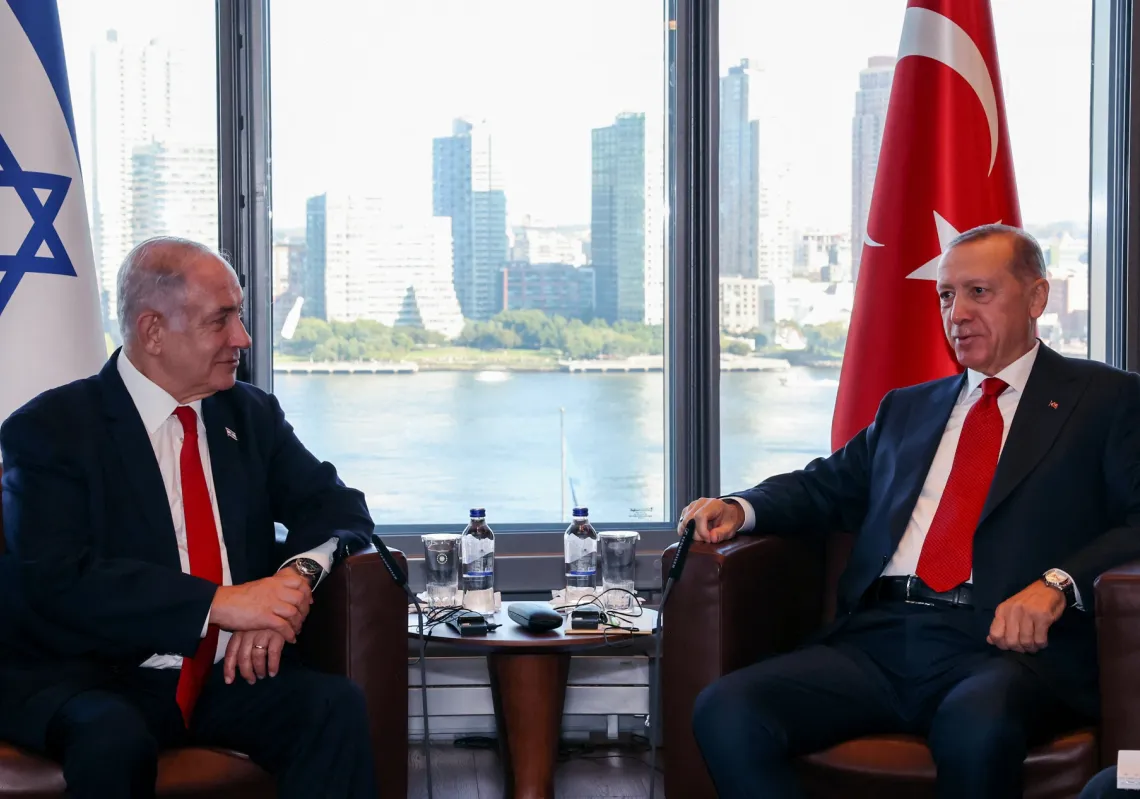
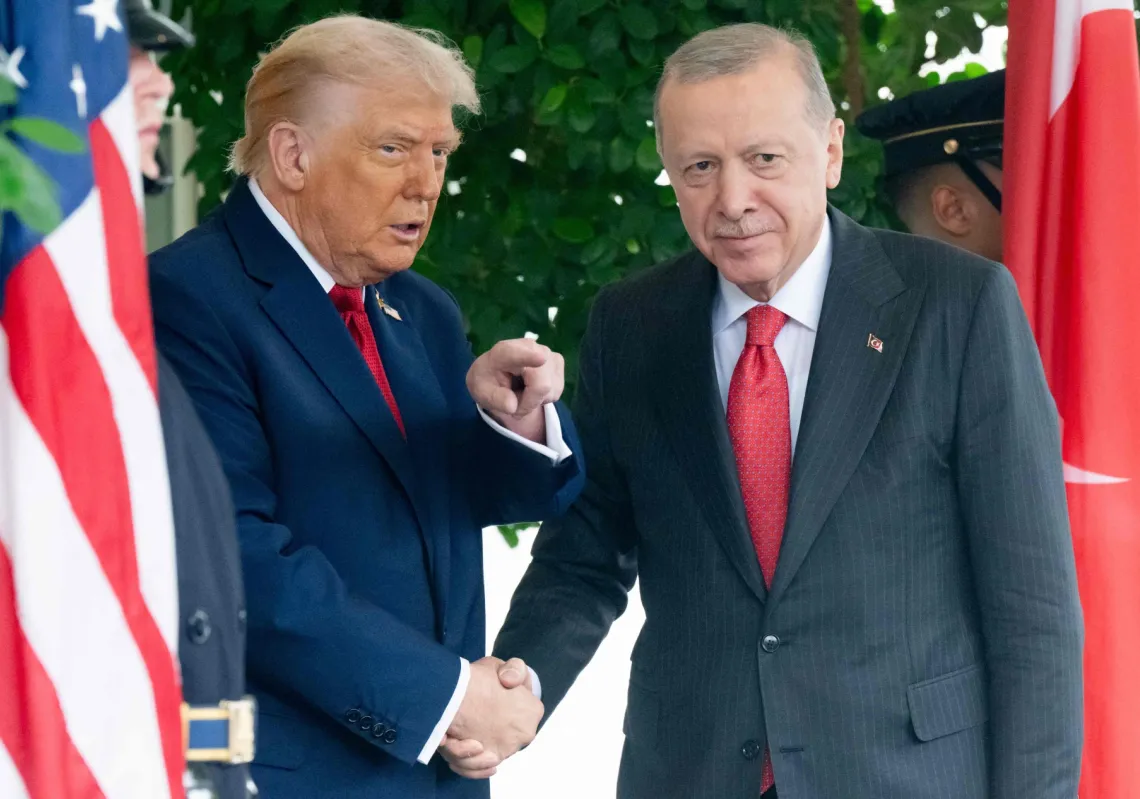
Israel has somewhat lost momentum in achieving its objectives in the negotiations, although it has never been in a rush to reach an agreement. Dragging out talks gives Israel a free hand for manoeuvre in Syria and buys it time to suss out Syrian President Ahmed al-Sharaa's intentions and capabilities. However, escalating tensions between Israel and Türkiye will only push Trump to exert more pressure on Netanyahu to return to the negotiating table.
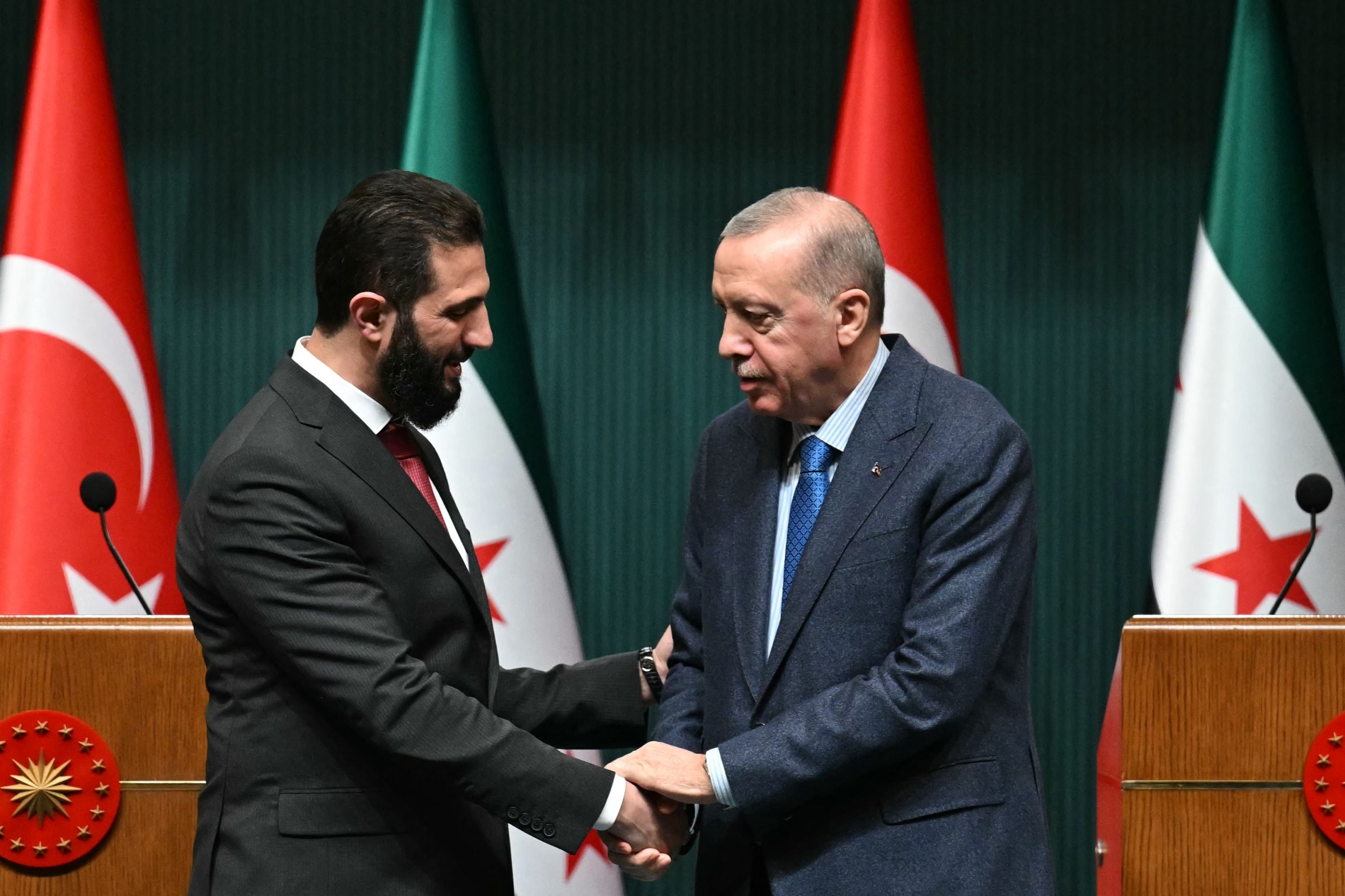
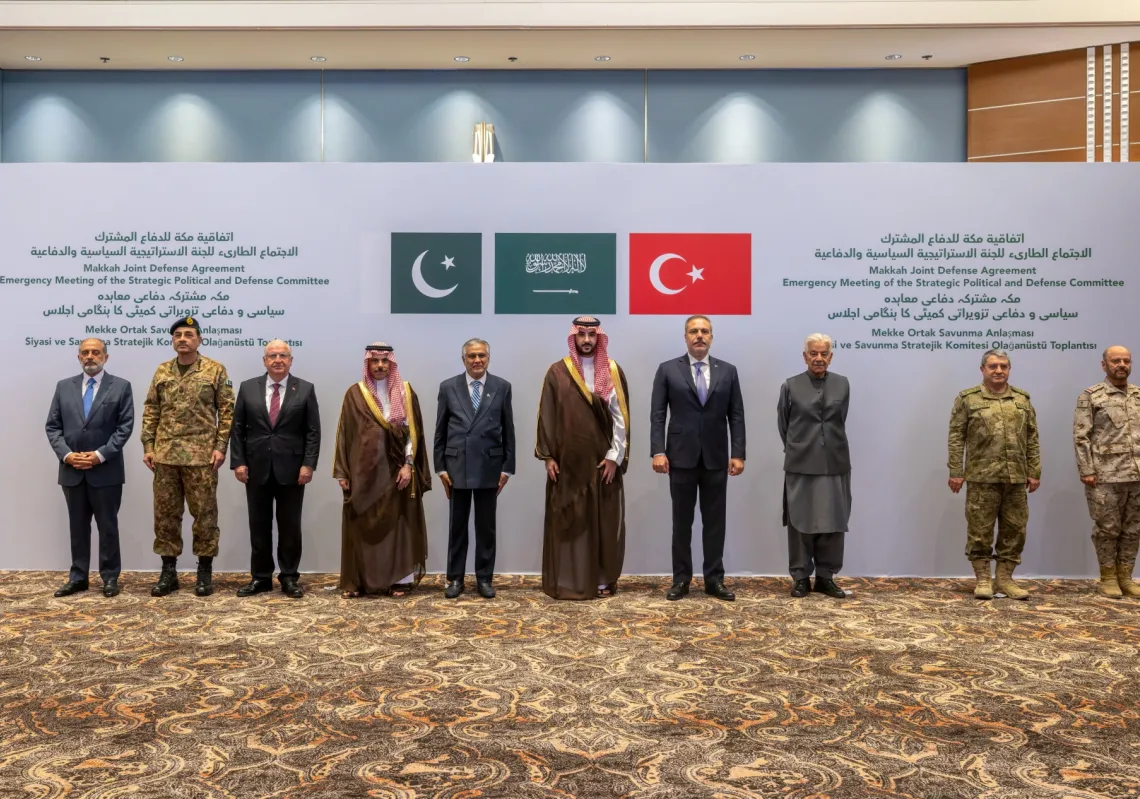
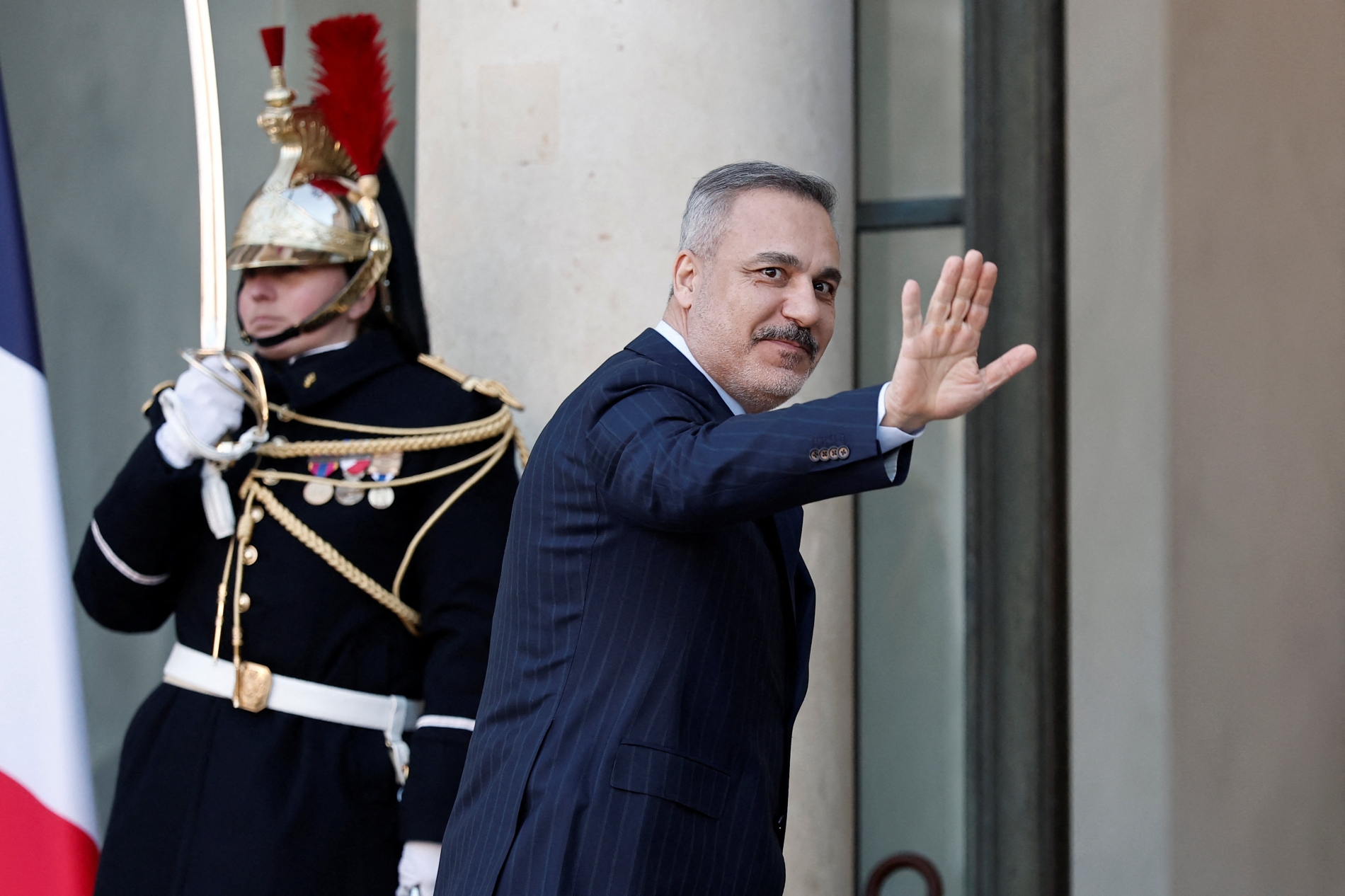
This US support—coupled with strong assurances from Riyadh and Ankara—has boosted the Syrian delegation's confidence in negotiations. In fact, Turkish Foreign Minister Hakan Fidan was in Paris while negotiations were taking place, likely advising the Syrians not to rush into any compromises.
Notable steps
So what exactly was agreed upon in Paris? First, and foremost, all three parties reiterated their commitment to reaching “security agreements.” Israel has formally committed to this, and more importantly, Washington has committed itself to the process. Second, the parties agreed to set up an American-Israeli-Syrian hotline to prevent escalation.
Beyond security considerations, Israel appears interested in possibly adding a diplomatic and economic dimension to any potential agreement. At this stage, this will not translate into any broader political process aimed at advancing a peace treaty between the two countries, nor will it signal Syria’s accession to the Abraham Accords.
The Golan Heights is also not on the agenda, as neither side is interested in opening that can of worms at this point, nor is the Israeli-proposed “humanitarian corridor” that it pushed for in previous rounds. This is a red line for the Syrian side, as it would amount to tacit approval for deeper Israeli involvement in the country.
For its part, Israel will likely settle for non-binding rhetoric on the issue, as reflected in the Prime Minister’s Office statement noting that “it was agreed to continue dialogue to advance shared objectives and to safeguard the security of the Druze minority in the country.”
Despite the Syrian delegation's growing confidence, it is not oblivious to the reality on the ground. Al-Sharaa doesn't have control over the entire country, and questions remain about the durability of his rule. Going forward, he will need to demonstrate that he can strengthen his control over larger swathes of the country to gain Israel's confidence.