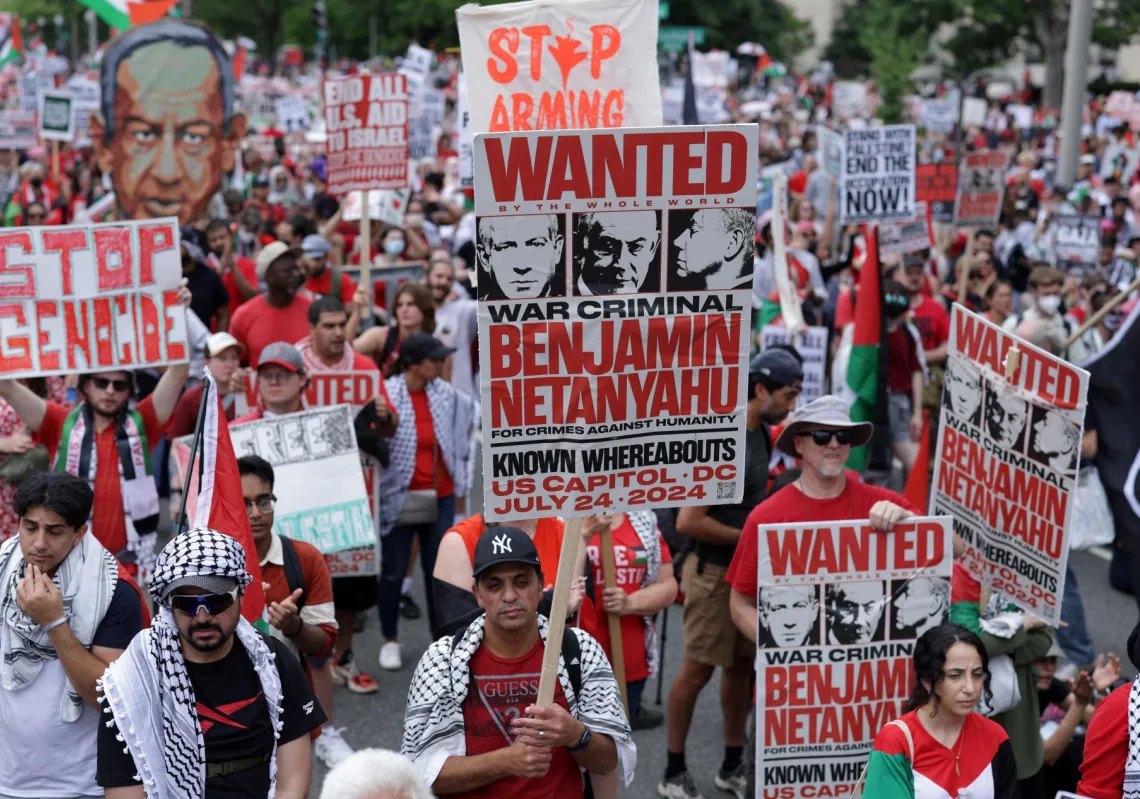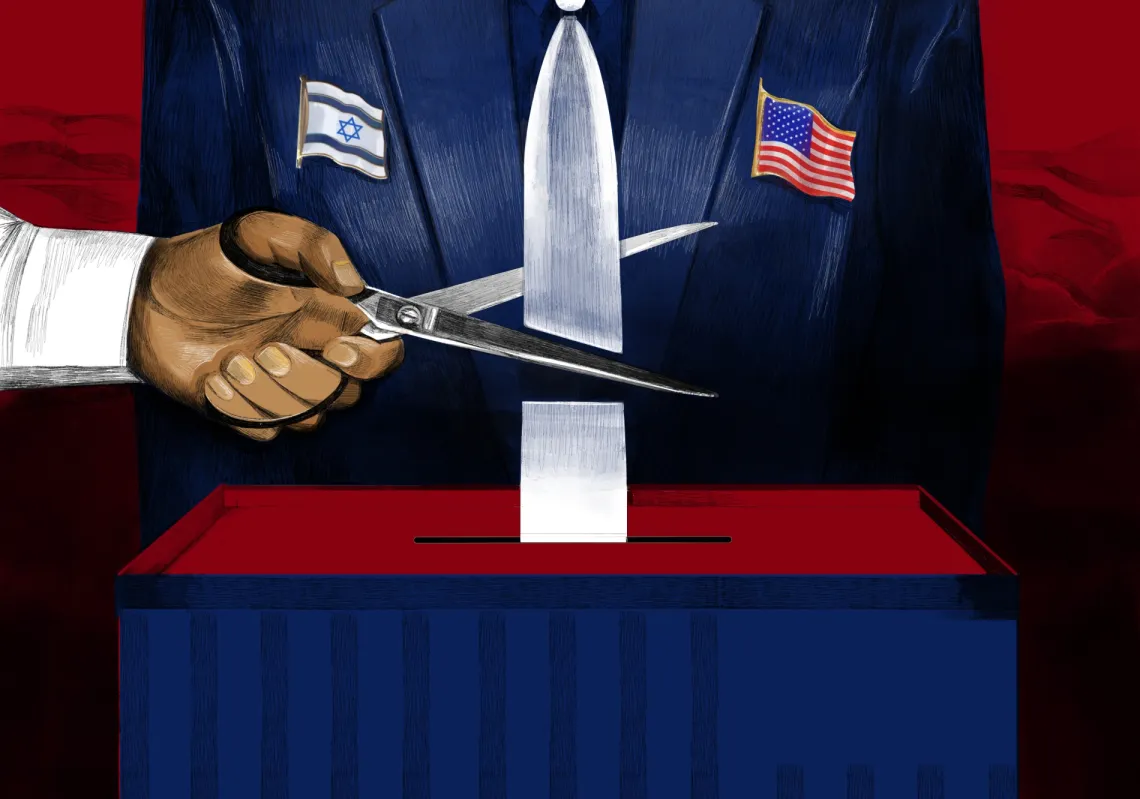

Amid growing disgust within both the Republican and Democratic parties over Israel’s actions in Gaza, pro-Israel forces have gone into overdrive to counter waning support on both sides of the political aisle. But dwindling support on the American Christian right has especially unnerved them, given the fact that they have traditionally been regarded as the most reliable pro-Israel constituency.
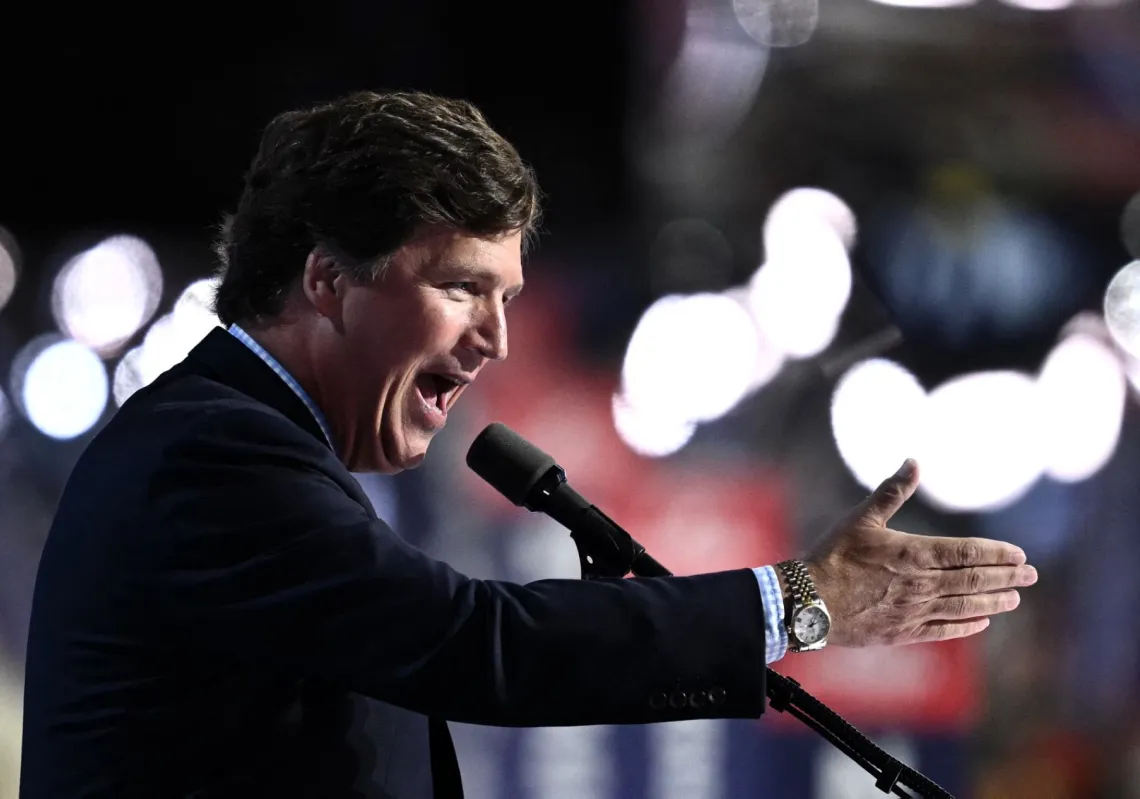
This shift has been embodied by several high-profile right-wing and conservative figures distancing themselves from previous pro-Israel stances. Among them are Tucker Carlson, a former Fox News host and leading figure on the conservative right; conservative commentator Candace Owens; and Marjorie Taylor Greene, a far-right Republican and former staunch ally of US President Donald Trump, who has since turned against him and has criticised both his foreign and domestic policies.
Pro-Israel lobby groups responded with fury after Carlson hosted the far-right activist Nick Fuentes on his weekly podcast, The Tucker Carlson Show. Fuentes is vocally antagonistic towards Israel and argues that American Jews are more loyal to Israel than the US. While Carlson distanced himself from many of Fuentes’ views, he nonetheless echoed concerns about Washington's unwavering support for Israel, describing the relationship as irrational and insisting it offers no benefit to the US.
Waning support
While support for Israel remains strong among older conservatives, it has markedly waned among younger generations. A recent survey by the Pew Research Centre found that conservative voters under the age of 50 are increasingly opposed to Israel's policies, particularly when it comes to its perceived influence in American politics.
Over the past three years, negative views within this group have risen from 35% to 50%. If this trend persists—and if these views begin to influence elected officials, and there are already emerging signs that it has—the billions of dollars Israel receives annually in US military and civilian aid, along with the diplomatic backing it has long enjoyed, may be under threat.
Many evangelical Christians rationalise their support for Israel through their ideology, which espouses that God’s ancient promise to the Jews in the Old Testament still holds, and that supporting Israel is an act of obedience to divine will. Many also hold that the return of Jews to Israel is a prerequisite for the Second Coming of Christ.
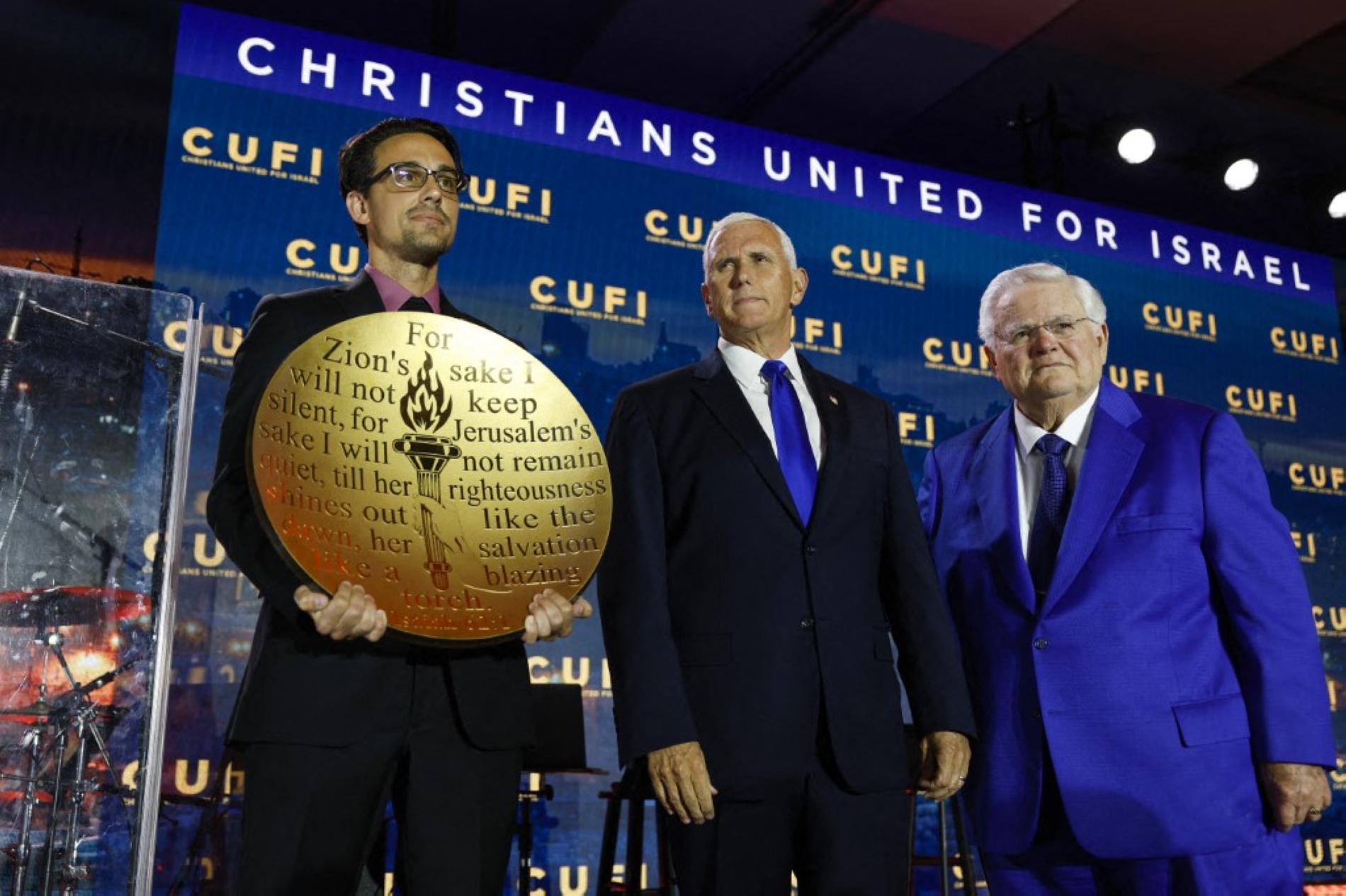
For decades, America’s Christian conservative strongholds have formed the bedrock of political support for Israel. In 2006, an organisation called Christians United for Israel was established with a singular mission: to defend Israel and support its expansionist policies, particularly settlements in the West Bank. The group claims to represent millions of American evangelicals.
Read more: Trump picks shed light on Christian Zionists' dark fealty to Israel
However, Israel's war on Gaza has shaken this long-standing alignment, with a marked erosion in traditional evangelical support. The erosion of this traditional base has alarmed Israel supporters, as it now stands as the last broad and organised bastion of support.
Professor Shibley Telhami of the University of Maryland, a leading expert on American public opinion towards Israel, observed that only 32% of evangelicals aged 18 to 34 now sympathise with Israel over the Palestinians—a figure nearly 30 points lower than that of older generations. More broadly, support for Israel among Republicans has also declined, standing at no more than 24%. Increasingly, younger Republicans express greater sympathy for Palestinians than for Israelis.
According to Telhami, this shift in sentiment has emboldened prominent right-wing critics of Israel—the likes of Carlson, Owens, and former presidential adviser Steve Bannon—who may have eyed the opportunity to speak out. They command vast audiences—millions who trust their perspectives and share their growing outrage over the events unfolding in Gaza. And while many Democratic Party constituents have long been anti-war, more and more conservative Republicans, especially among the youth, have become increasingly wary of their country becoming entangled in global conflicts, particularly in the Middle East, which many believe have been waged at Israel's behest.