Syria's new post-sanctions test

Damascus finally gets breathing room after the US repealed its draconian Caesar sanctions, but it can't exhale just yet. Al Majalla explains why.

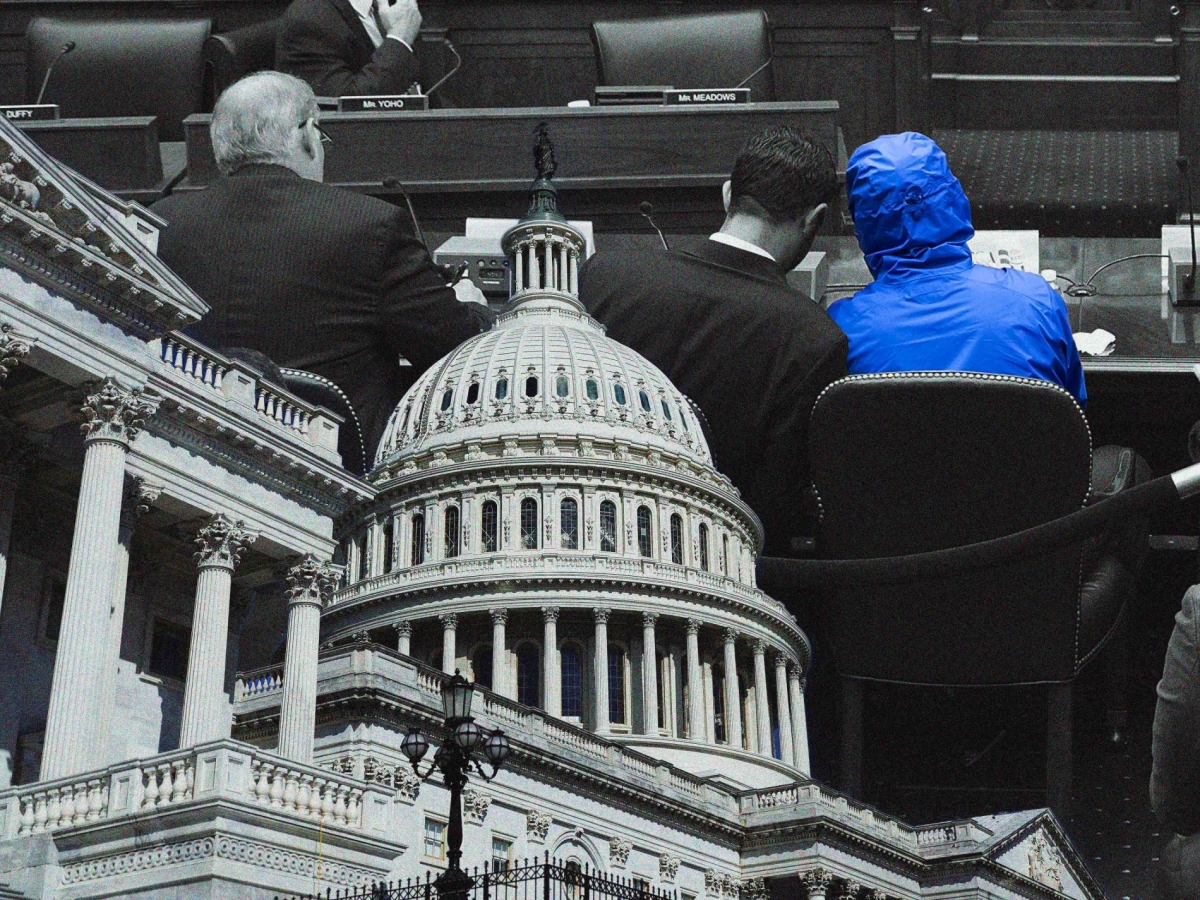
A picture of Farid al-Madhan, known as "Caesar," wearing a blue robe in the US Congress.
Reuters/ Al Majalla
A picture of Farid al-Madhan, known as "Caesar," wearing a blue robe in the US Congress.

Syria's new post-sanctions test

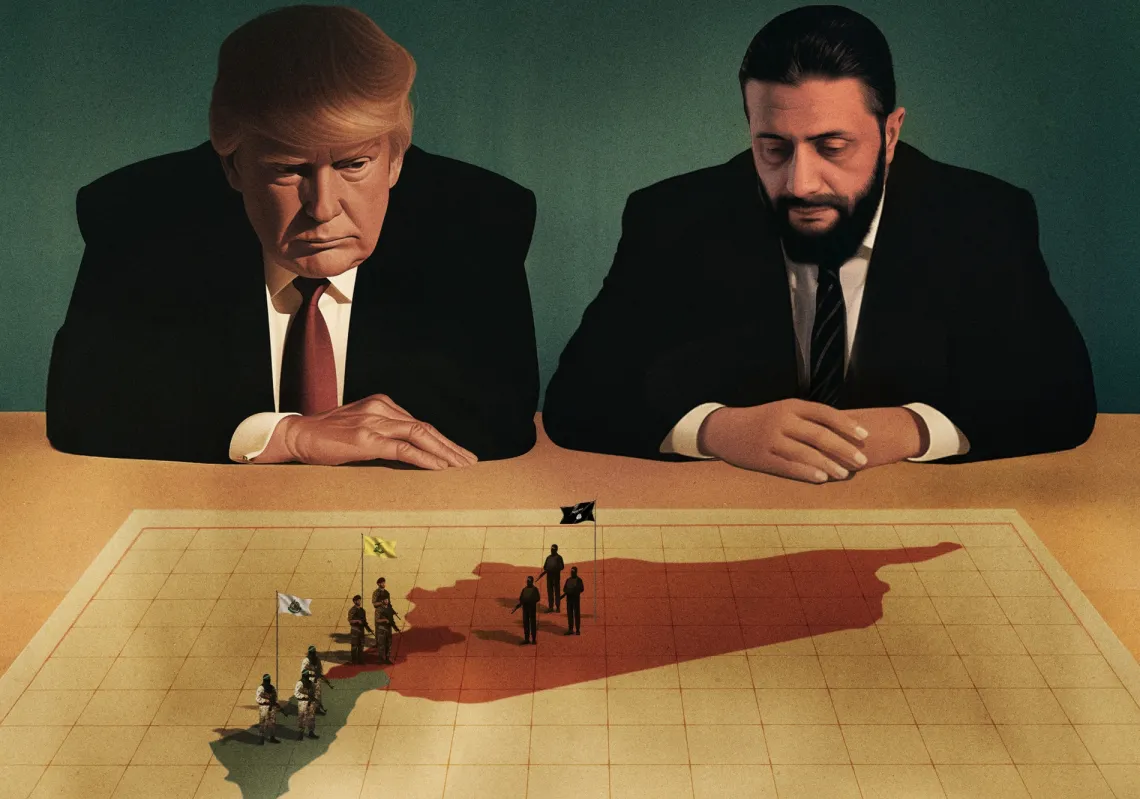
US President Donald Trump’s decision to sign the full repeal of the Caesar Syria Civilian Protection Act marks one of the most consequential shifts in Syria’s postwar trajectory. The move dismantles the most comprehensive sanctions framework imposed on the country and removes the central legal architecture that entrenched Syria’s economic isolation for more than five years.

The public response inside Syria reflected the scale of expectation surrounding the repeal. Celebrations began more than a week ago after the House of Representatives voted to overturn the act on 11 December. In cities across the country, crowds gathered in celebration, expressing hope that economic recovery might finally be within reach. For many Syrians, sanctions had come to represent more than a foreign policy tool. They were experienced through stalled reconstruction, deteriorating public services, and the daily hardships of living in an economy cut off from normal trade and finance.

Yet while the end of the Caesar Act closes an important chapter in Syria’s postwar experience, it does not resolve the country’s deeper economic or political problems. Sanctions relief removes a major external constraint, but it doesn't address institutional weaknesses that long predate the act itself.

Whether this moment marks the start of recovery or merely a recalibration of pressure will depend on what follows—specifically, on whether the space created by sanctions relief is used to restore basic economic governance, rebuild confidence, and establish conditions under which investment becomes viable. That responsibility now rests primarily with Syria’s authorities rather than with the United States.
AFP
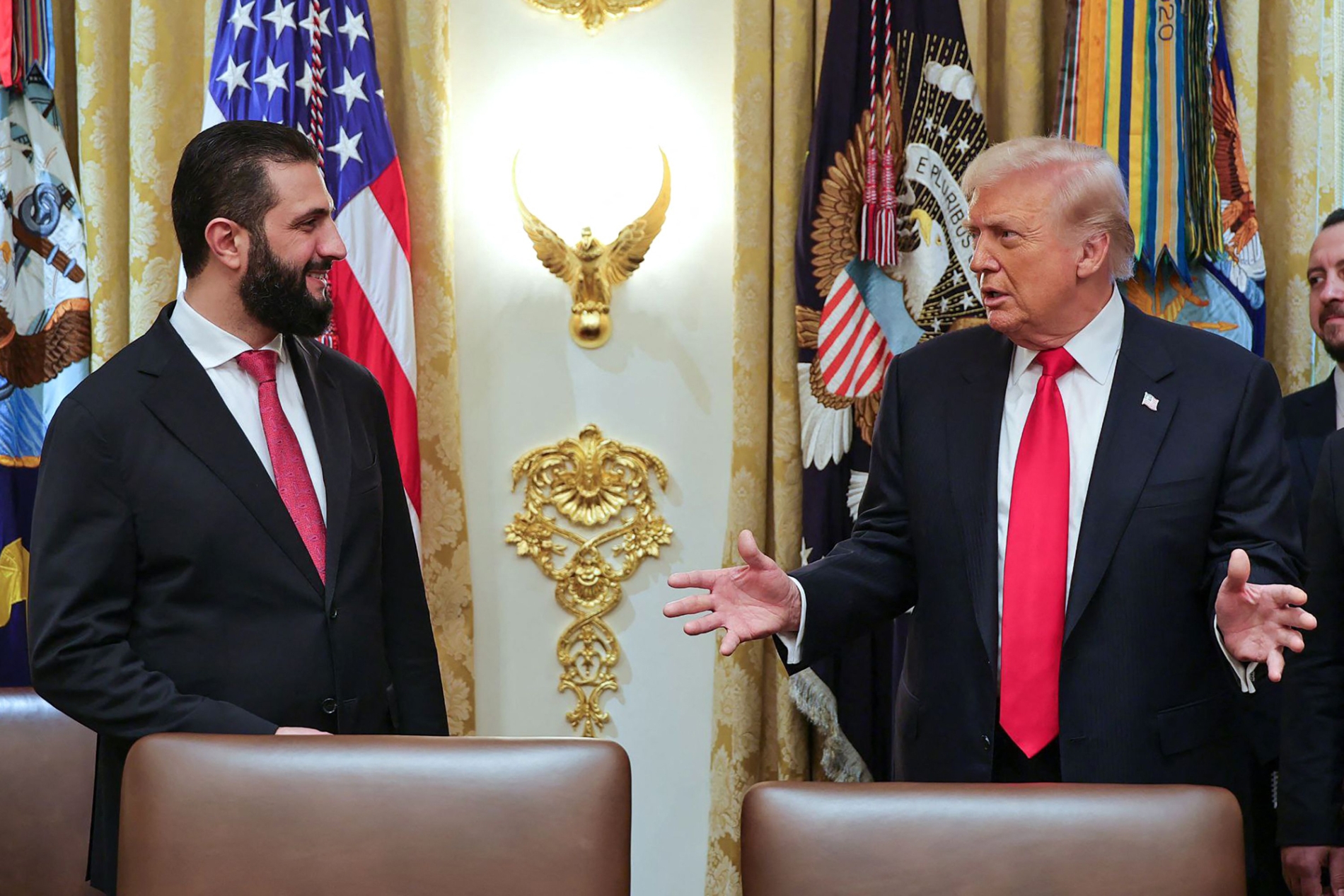
US President Donald Trump and Syrian President Ahmed al-Sharaa at the White House, Washington, on 10 November 2025.

Opening the door to engagement

Enacted in 2020, the Caesar Syria Civilian Protection Act was designed to use economic isolation as leverage, denying Damascus access to the resources needed to consolidate power in the absence of political concessions. Through the threat of secondary sanctions, its reach extended far beyond the Syrian state. Private companies and governments alike were effectively warned that any engagement with Syria carried prohibitive legal risk. Even activity not explicitly prohibited was frequently abandoned. Over time, the Caesar Act became the central mechanism enforcing Syria’s economic paralysis.

Its repeal dismantles that architecture. For the first time in years, Syria is no longer legally radioactive. The automatic deterrent that kept regional governments, investors, and financial institutions at a distance has been removed. This matters not because it guarantees recovery, but because it lifts the single most powerful external barrier to engagement.

The timing is critical. Interest in Syria’s reconstruction is high across multiple sectors, from housing and infrastructure to energy and tourism. Yet throughout the transitional period, sanctions-related uncertainty repeatedly halted projects at the announcement stage. Ending the Caesar Act alters that calculation. Legal risk declines and transactions that were previously untenable can, at least in principle, now move forward.

The earliest effects are likely to be felt in sectors dependent on imports, cross-border contracting, and external financing. As restrictions ease, trade and financial transactions should become more accessible, lowering costs and easing shortages. The banking sector, long isolated and forced into informal channels, may also see tentative re-engagement, improving liquidity and commercial activity. More broadly, repeal reduces Syria’s economic isolation and opens the door to greater regional integration, potential diaspora investment, and renewed engagement by international institutions.
RANIA SANJAR / AFP
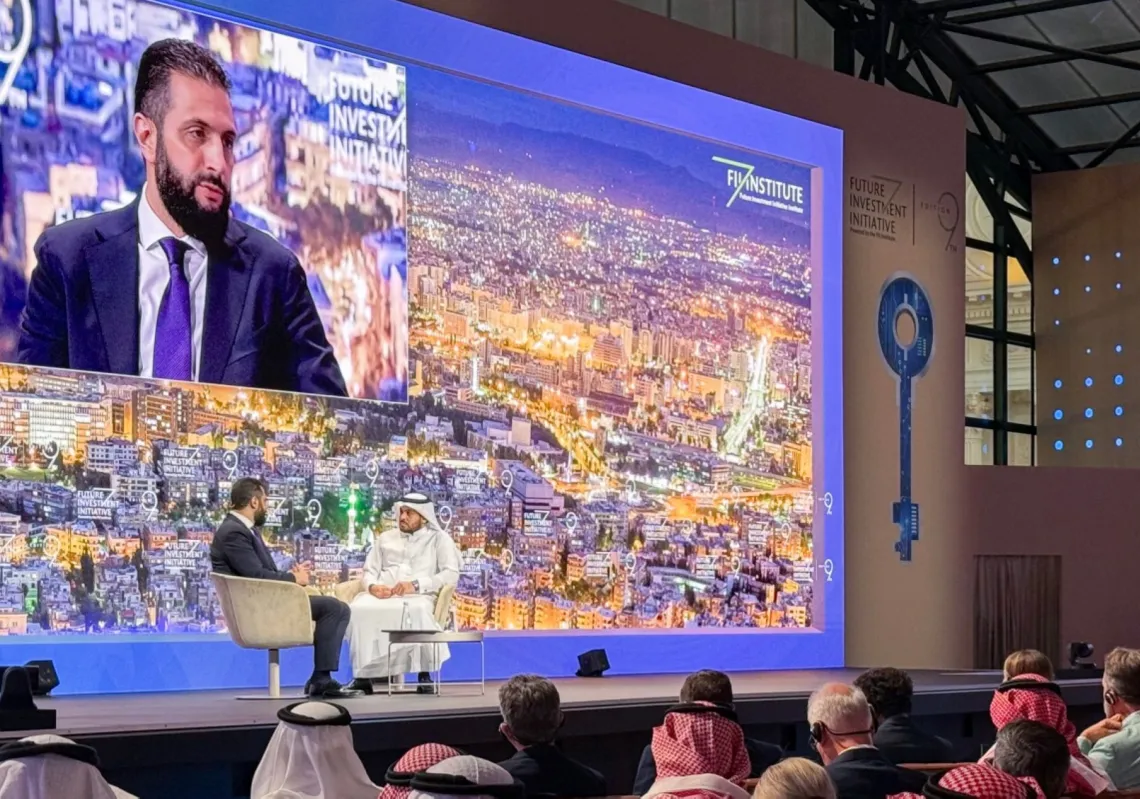
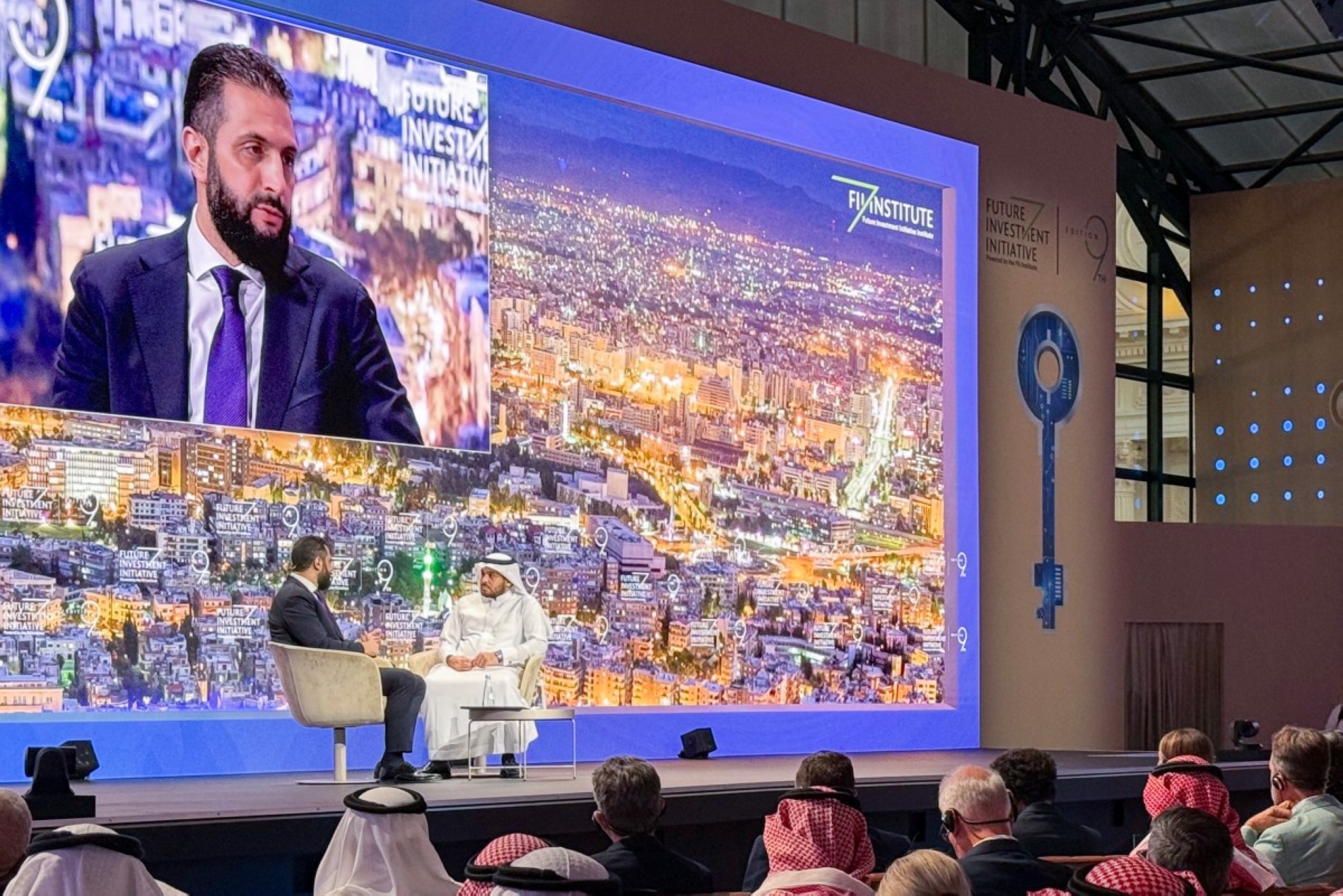
Syria's interim President Ahmed al-Sharaa (L) speaks during the Future Investment Initiative (FII) conference in Riyadh on 29 October 2025.

Credibility before capital

Despite its significance in easing some of the most severe economic bottlenecks, sanctions relief does not guarantee recovery. It is a necessary condition for economic revival, but not a sufficient one. Investors do not commit capital simply because a country is legally accessible. They do so when institutions are credible, rules are predictable, and risks are manageable. On these fronts, Syria still faces profound challenges.

The most pressing obstacles lie in institutional credibility and economic governance. To attract sustained investment, the rule of law must be meaningfully restored. Investors require a legal system that is stable, predictable, and impartial—one that enforces contracts and protects property regardless of political affiliation.

Read more: Syria's obstacles to investment are many

Under the Assad regime, the judiciary was routinely undermined by political interference and cronyism. While the transitional period has not replicated those practices wholesale, serious concerns remain. The constitutional declaration, though asserting judicial independence in principle, grants the president authority to appoint all members of the Supreme Constitutional Court. This concentration of power undermines confidence in the independence of Syria’s highest courts and weakens trust in the legal system as a whole.

Judicial changes during the transition have further raised alarms. The dismissal of experienced judges due to ties with the former regime, the appointment of religious scholars without formal legal training, and ongoing ambiguity over judicial competence and authority have all contributed to investor hesitation. Legal uncertainty is not a technical inconvenience; it is a fundamental barrier to investment.

Urgent judicial reform is therefore essential. This includes adopting a constitutional framework that genuinely guarantees judicial independence, protects courts from political pressure, and ensures merit-based appointments. Legal decisions must be transparent, consistent, and grounded in clear and coherent laws and regulations.
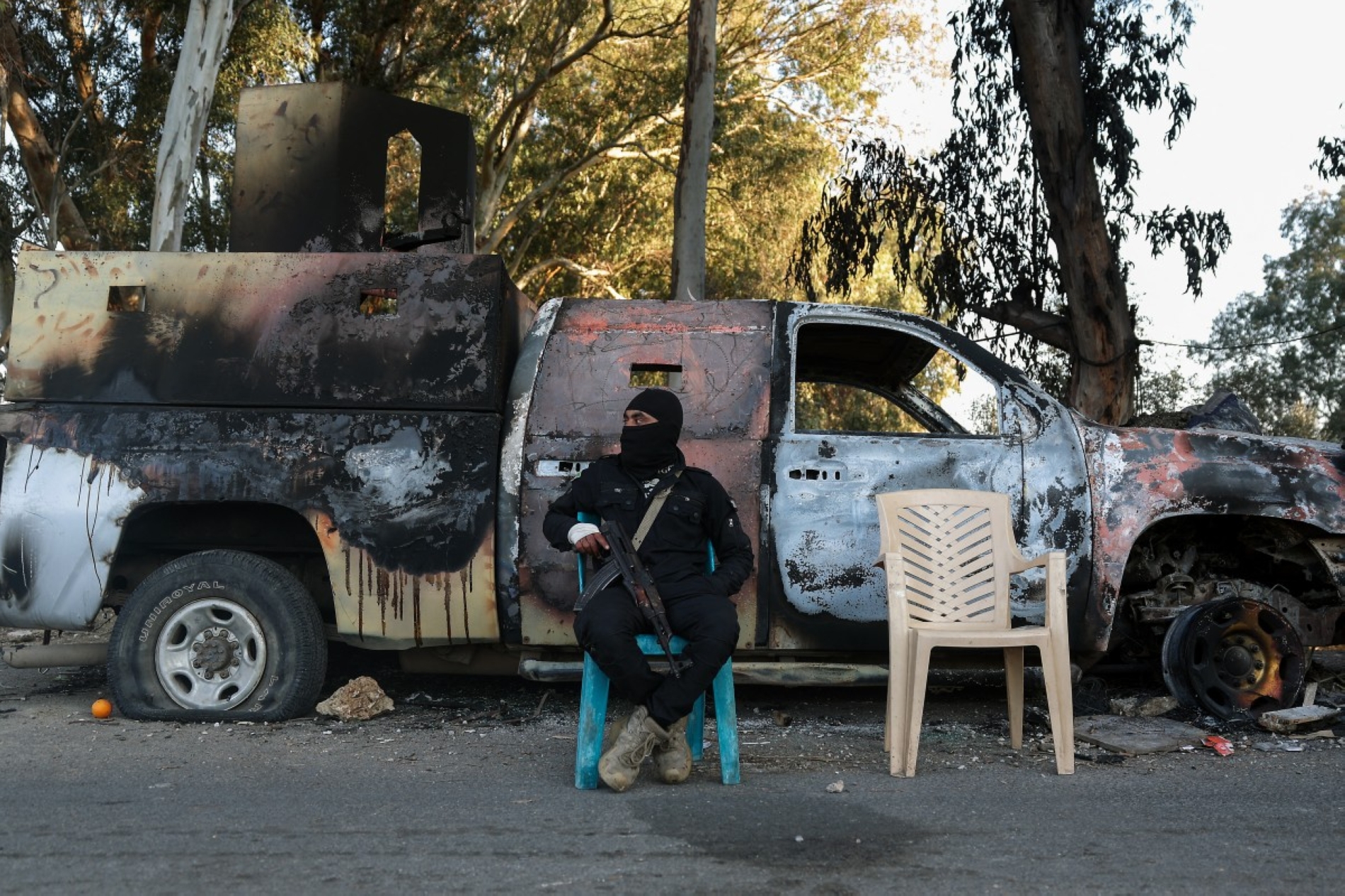
Whether authorities capitalise on the revocation of the Caesar Act will determine if this is a real turning point or just a brief pause in Syria's long economic decline

Fixing the rules of the game

Closely linked to the judiciary is the broader regulatory environment. Decades of Assad-era governance left behind a bureaucratic minefield characterised by opaque rules, arbitrary enforcement, and licensing procedures designed to extract rents rather than foster growth. Some early improvements have been noted, with entrepreneurs reporting fewer restrictions and faster approvals. But these changes remain uneven and often increase reliance on informal intermediaries to navigate an unclear system.

Syria, therefore, requires a comprehensive regulatory overhaul. Clear, simple, and consistent rules for starting businesses, securing licences, paying taxes, and bidding on contracts are essential. These rules must apply equally to all actors, regardless of political connections. Investors also need confidence that regulations will not shift unpredictably or be weaponised for political purposes.

Transparency is central to this effort. Publishing reliable economic data and procurement outcomes would mark a decisive break from past practices. Open and competitive tenders for reconstruction contracts would send a strong signal to regional and international investors that Syria is serious about reform.

Financial reform forms the next critical pillar of recovery. Years of sanctions and mismanagement have left Syria's financial system isolated, outdated, and opaque. With sanctions beginning to lift, the country has a rare opportunity to reconnect with the international financial system—but only if reforms are swift, credible, and sustained.

AFP
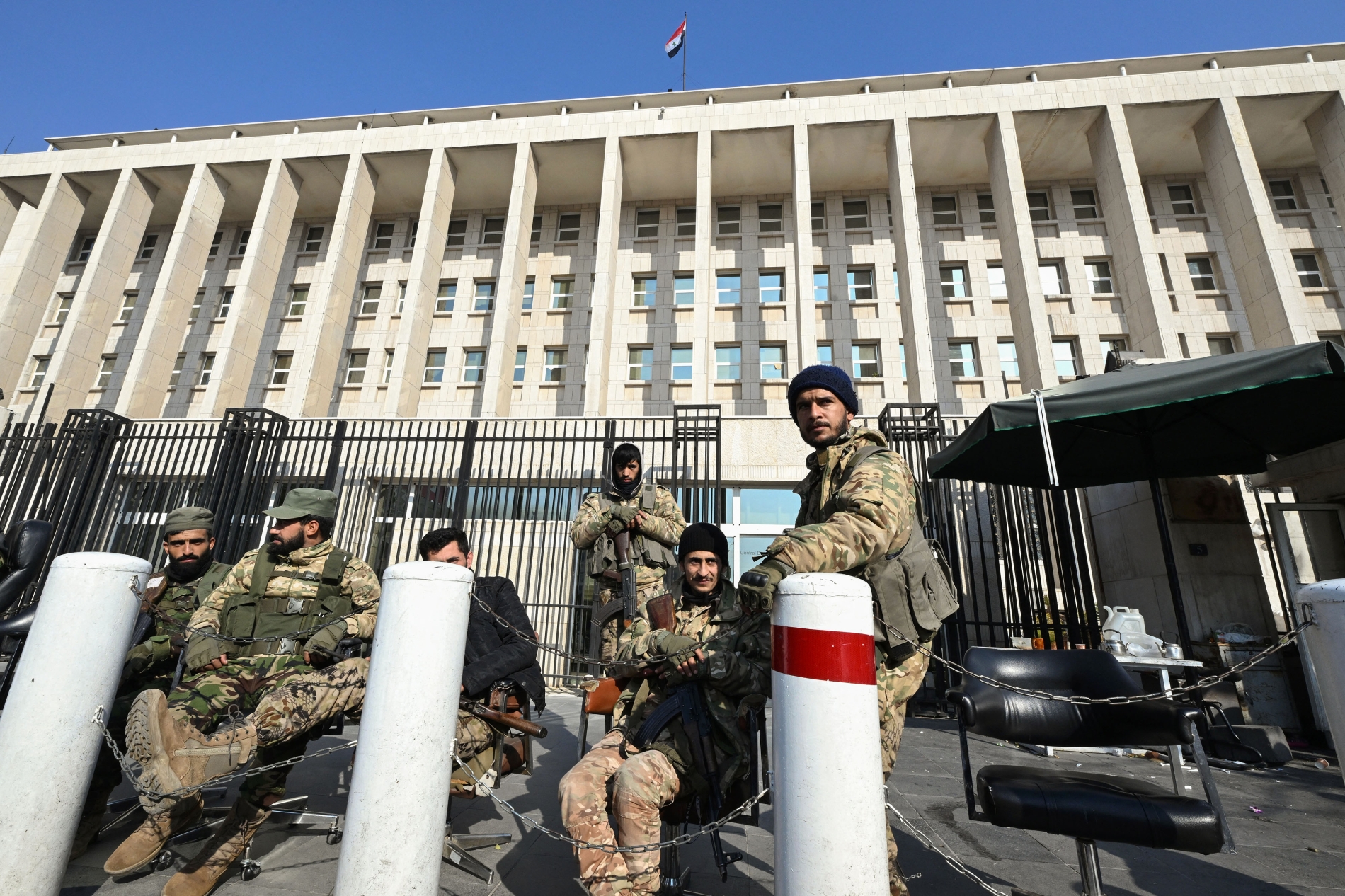
Members of Syrian opposition factions guard the Central Bank of Syria in Damascus, on 9 December 2024.

The Central Bank must be granted genuine autonomy to stabilise the currency, control inflation, and supervise banking operations in line with international standards. Restoring confidence in the Syrian pound requires a disciplined monetary policy free from political interference. Independent financial regulators must also be granted full access to economic data, financial transactions, and institutional records to ensure effective oversight.

Compliance with international standards—particularly on anti-money laundering and counter-terrorism financing—is non-negotiable. Modernising financial legislation and restructuring compromised state-owned banks are essential steps toward international reacceptance and renewed investor confidence.

Capital follows calm

No economic reform, however, can succeed without security and political stability. While large-scale fighting has subsided since the collapse of the Assad regime in December 2024, Syria remains fragmented. Periodic revenge killings, sporadic sectarian violence, and the widespread availability of weapons continue to pose serious risks to investment and recovery.

Uncertainty over Syria's political future compounds these challenges. Negotiations with Kurdish forces in the northeast and Druze factions in the south remain unresolved, leaving key regions outside full government control. Without a political settlement that reunifies the country and produces an inclusive system of governance, the risk of renewed conflict and continued fragmentation remains high.

 OMAR HAJ KADOUR / AFP
A security officer loyal to the interim Syrian government guards a checkpoint previously held by supporters of the deposed president, Bashar al-Assad, in the town of Hmeimim, in the coastal province of Latakia, on March 11, 2025.

To move forward, the authorities must launch a genuine national dialogue that includes all communities, political actors, and armed groups. Building consensus, ensuring inclusive governance, and offering meaningful participation are not optional; they are prerequisites for stability. Ultimately, stability is the strongest magnet for investment. Each calm month, each resolved dispute, and each reintegrated region make Syria a more credible destination for capital.

Trump's repeal of the Caesar Act closes the chapter of an era defined by external pressure and opens one defined by internal responsibility. For the first time in years, Syria has been given economic space rather than constraints. What matters now is not the removal of sanctions, but how that space is used.

Sanctions relief alone will not rebuild institutions, restore trust, or generate sustainable growth. Those outcomes depend on deliberate choices by Syria's authorities: whether they move decisively to strengthen the rule of law, stabilise governance, curb corruption, and offer investors a predictable and inclusive environment. Without such reforms, the benefits of repeal will remain limited and fragile.

This moment is therefore a test. It will determine whether the end of the Caesar Act becomes a genuine turning point or merely a brief pause in Syria's long economic decline. The opportunity is real but finite. Only consistent, credible action can convert sanctions relief into recovery—and only then can Syria begin to build a future that offers shared prosperity after years of conflict and loss.

font change