As Saudi Arabia approaches its third century as a nation, Founding Day frames 1727 not simply as a historical milestone but as the starting point of an evolving state
It has followed economic reforms closely, explaining policy shifts to the public, assessing outcomes, and contributing to informed discussion when needed
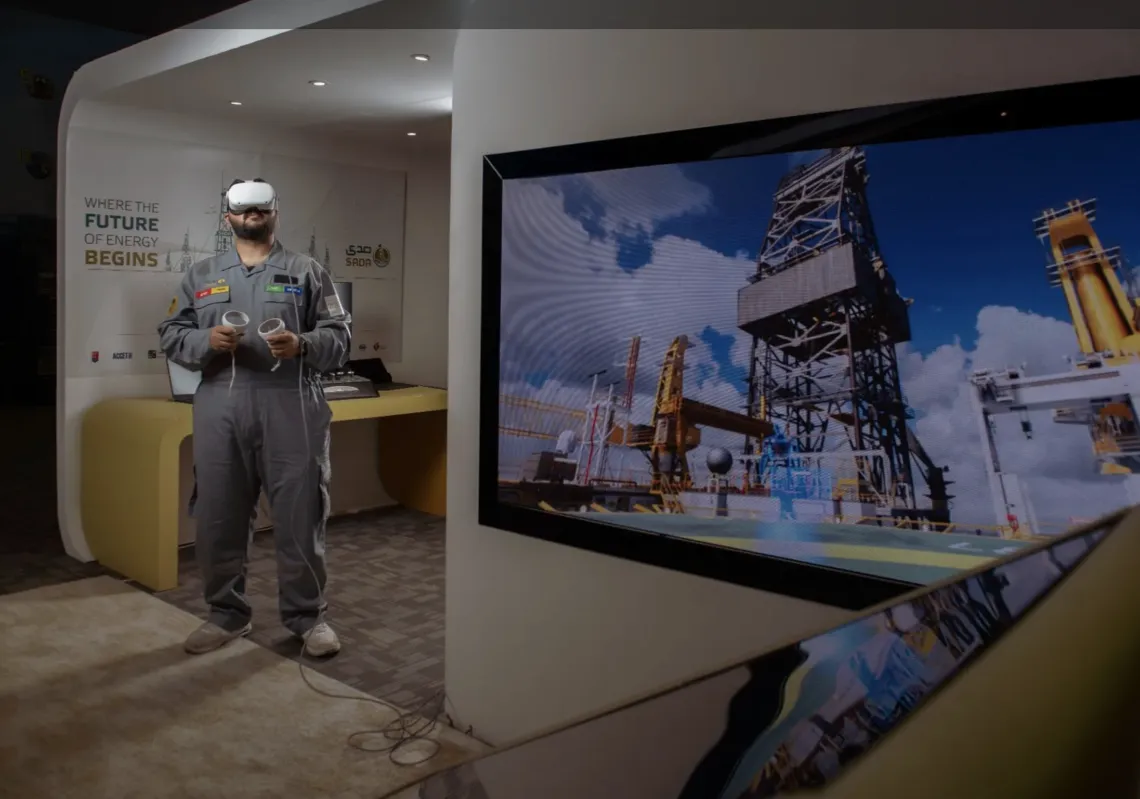
To the east of Riyadh, on a giant campus employing advanced simulators, young Saudis are learning the mechanics of the wells and rigs of the oil and gas industry.
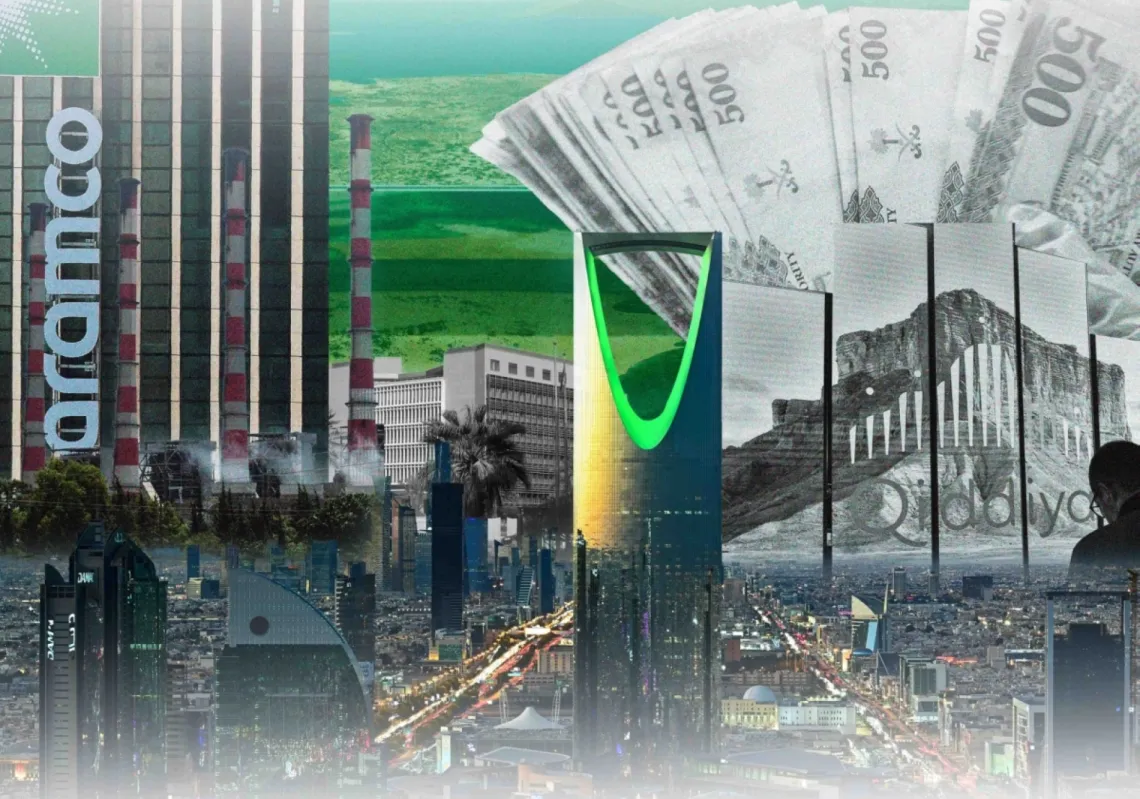
From education and infrastructure to housing, culture, construction, creativity, technology, workforce participation, and innovation, the country is rapidly moving beyond oil
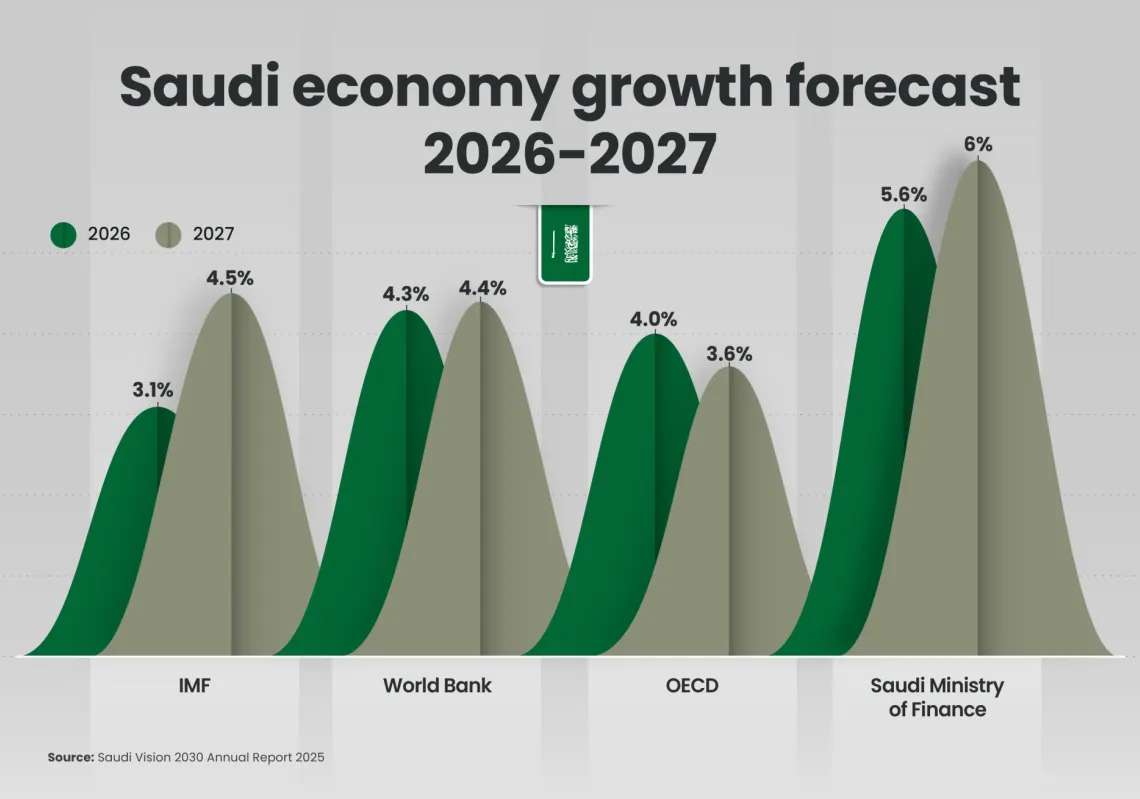
Balanced fiscal management, targeted deficit reduction, and strategic growth initiatives underpin this year's budget, with a strong emphasis on citizen partnership
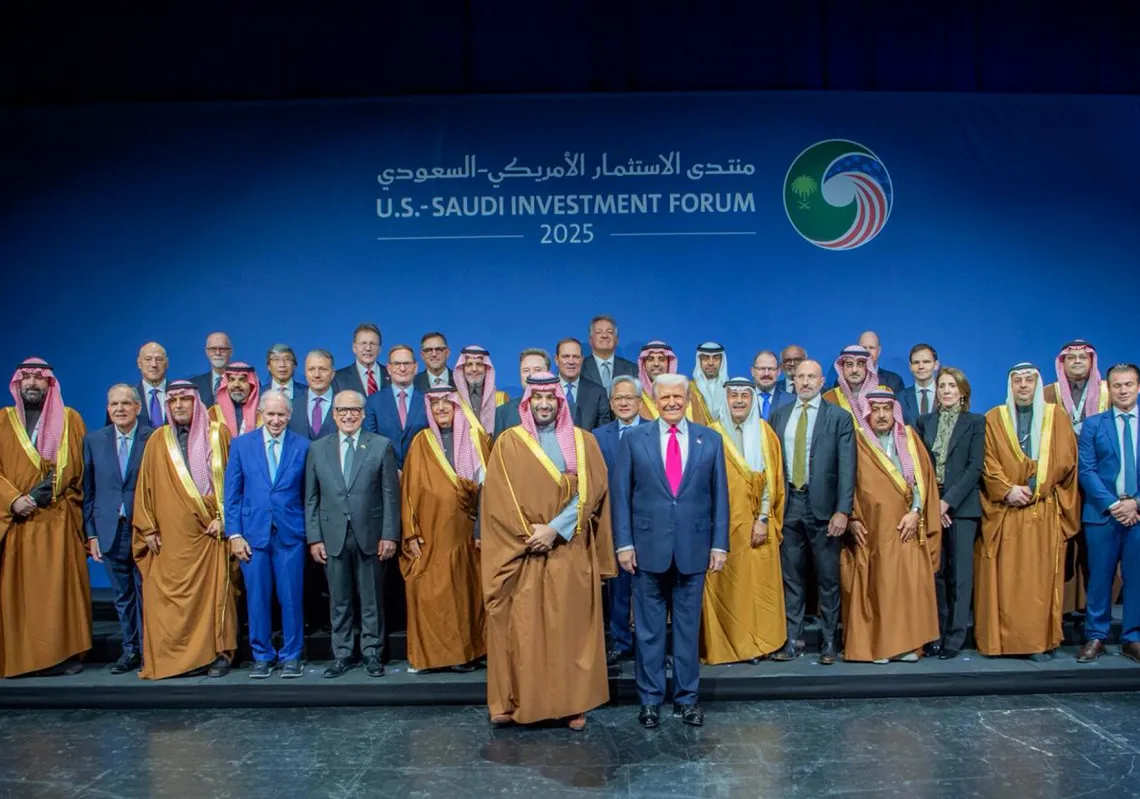
The legislation needed to make a strong bond unbreakable is still being discussed, but a $1tn in pledged investment and mutually beneficial commitments in technology help pave the path
There is great potential for the two countries to expand their relationship across many key areas, but much work remains to flesh out the details of proposed frameworks
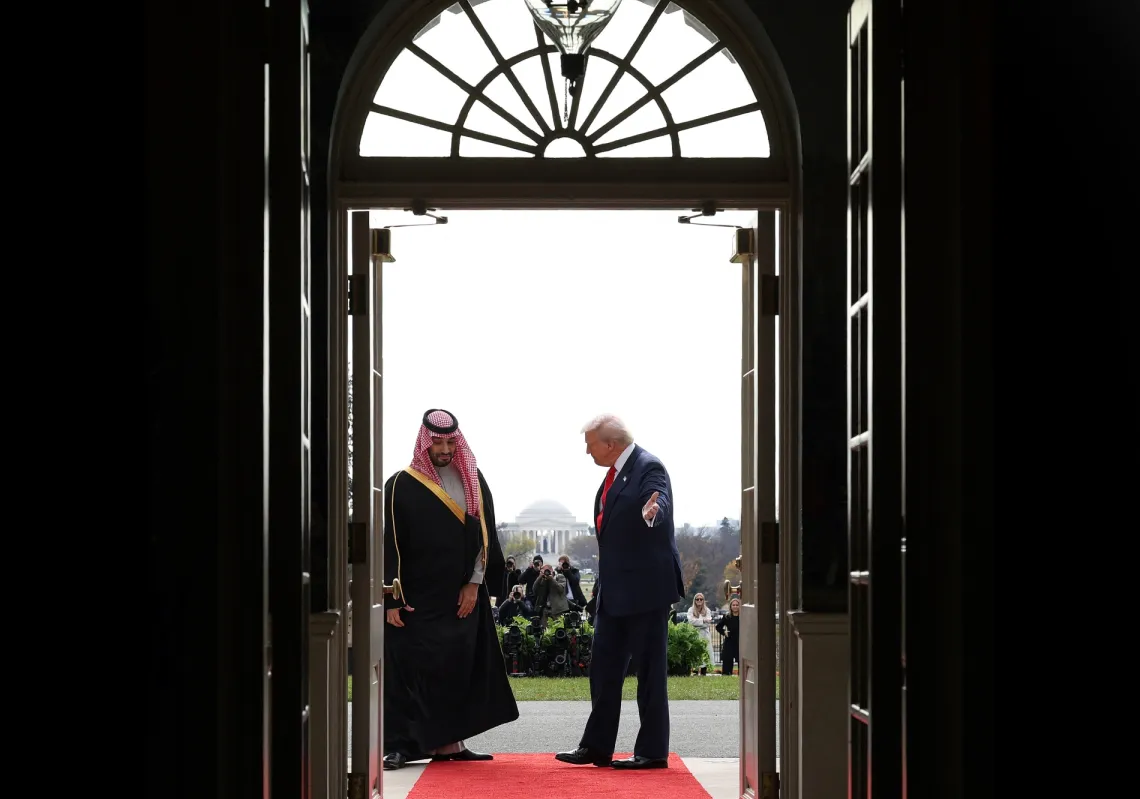
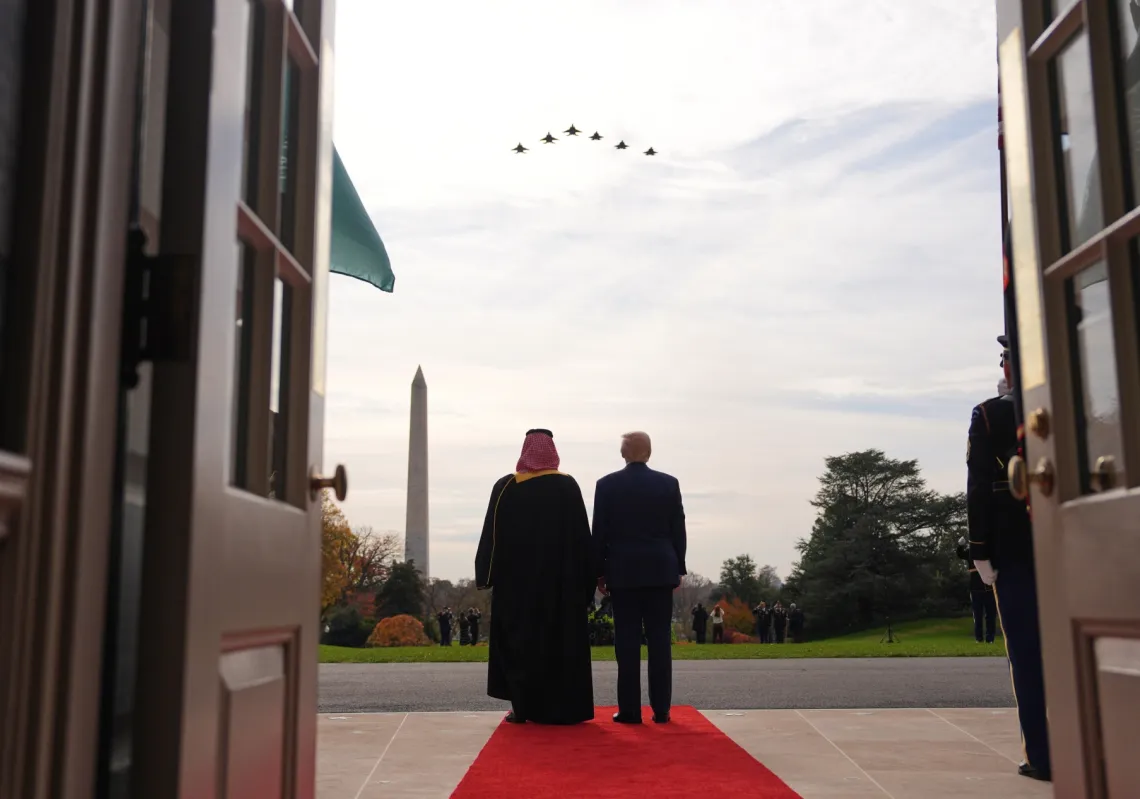
Amidst the dizzying numbers, grand scale, gilded frameworks, and scribbled signatures, there was a deeper and more permanent undercurrent in Washington—that of a cast-iron partnership
Disruption in the Hormuz can have major implications for global trade, but it also creates opportunities for smaller nations like Iran to become global political players
The Iraq war was viewed as disastrous in retrospect, while the Iran war was unpopular from the get-go. Al Majalla highlights the similarities and differences between the two.
Pipelines have a chequered history in the Middle East, but the closure of the Strait of Hormuz has led US Tom Barrack to conclude that a new route through Syria could solve some problems.