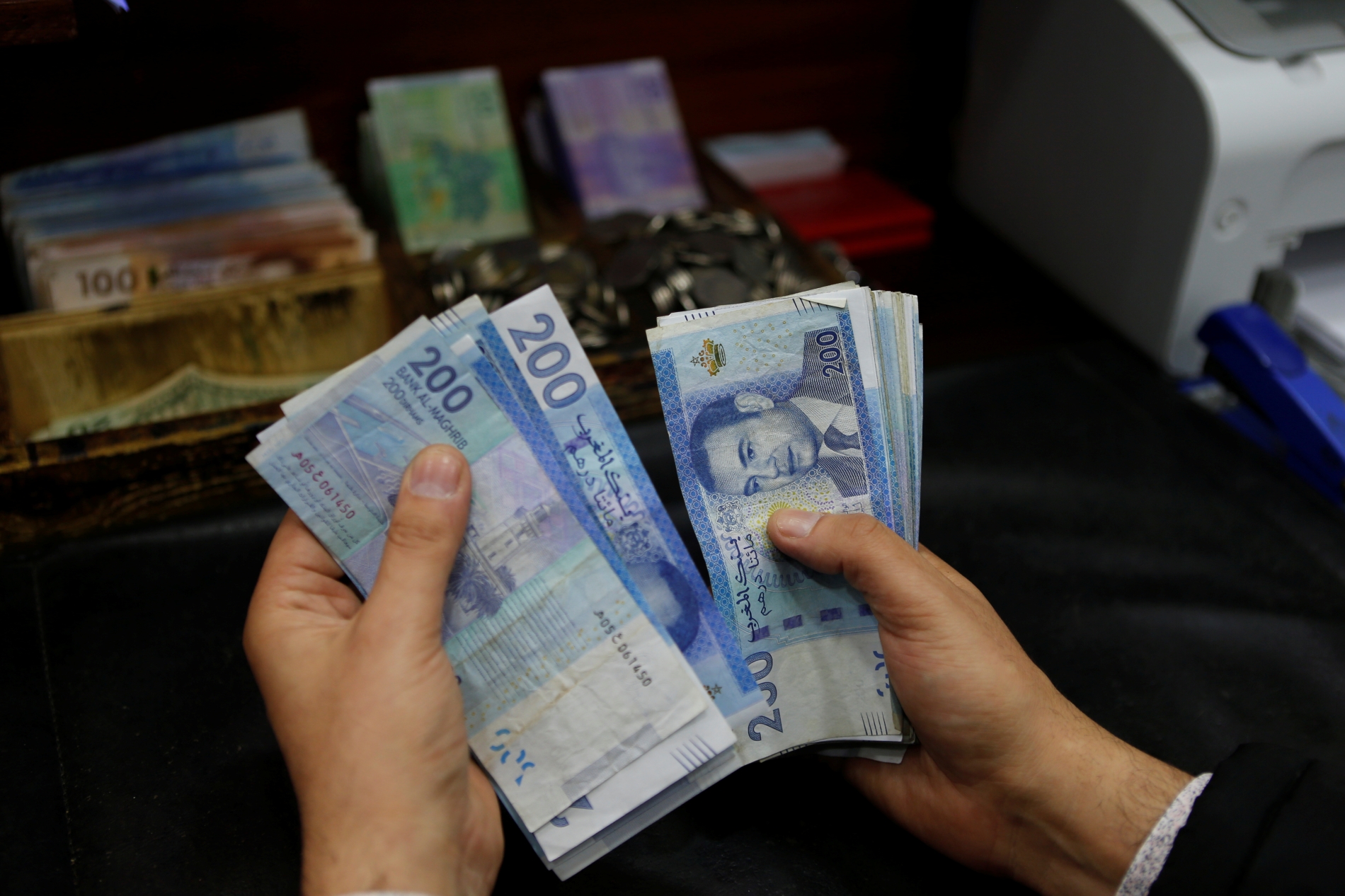
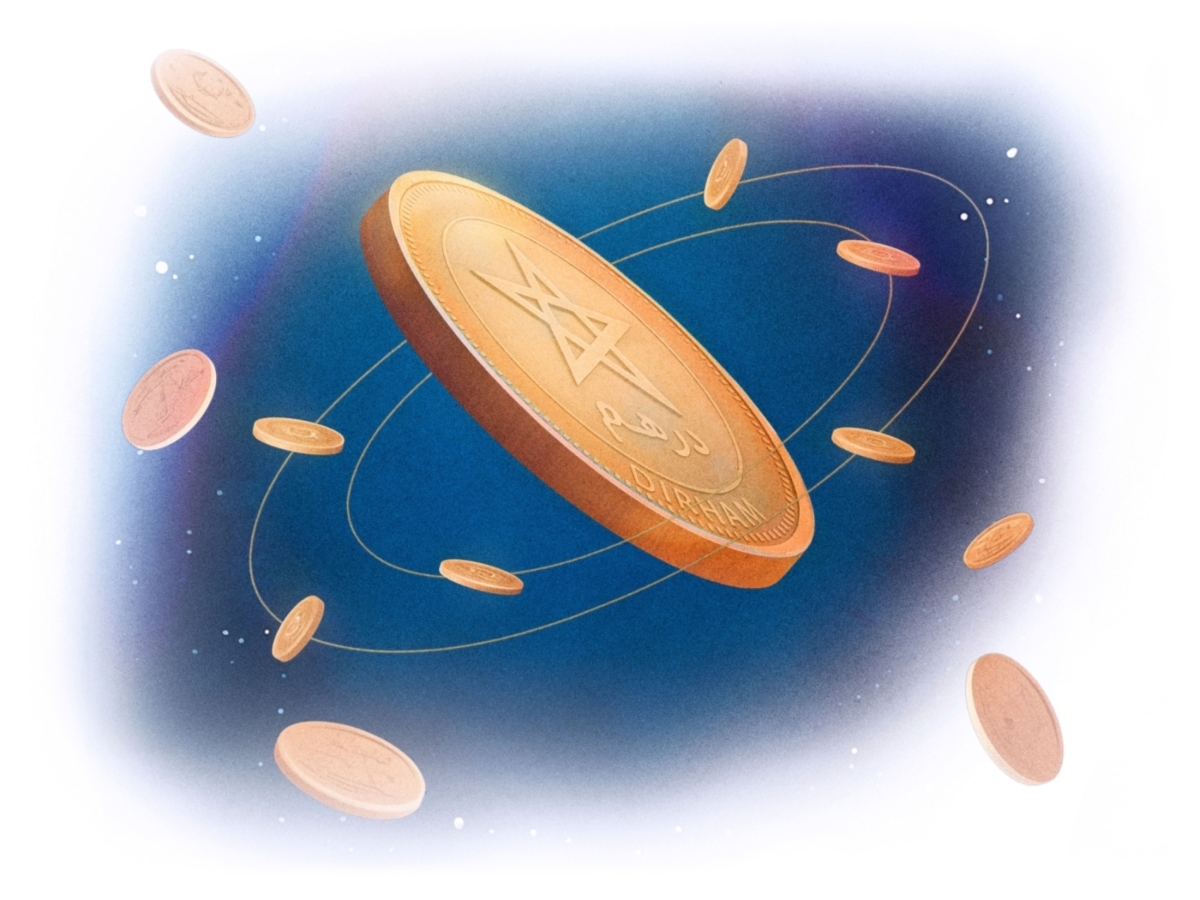

A growing number of African states are exploring adopting regional currencies instead of the dollar, the euro, and the CFA franc for intra-African trade. Many of their national currencies have sharply depreciated when measured against international benchmarks, and the aim is to shield them from volatile exchange rates.
Among the most pressing causes of liquidity shortages are widening external deficits and mounting pressure on foreign reserves. These strains expose African currencies to depletion, fuelling inflation and eroding purchasing power.
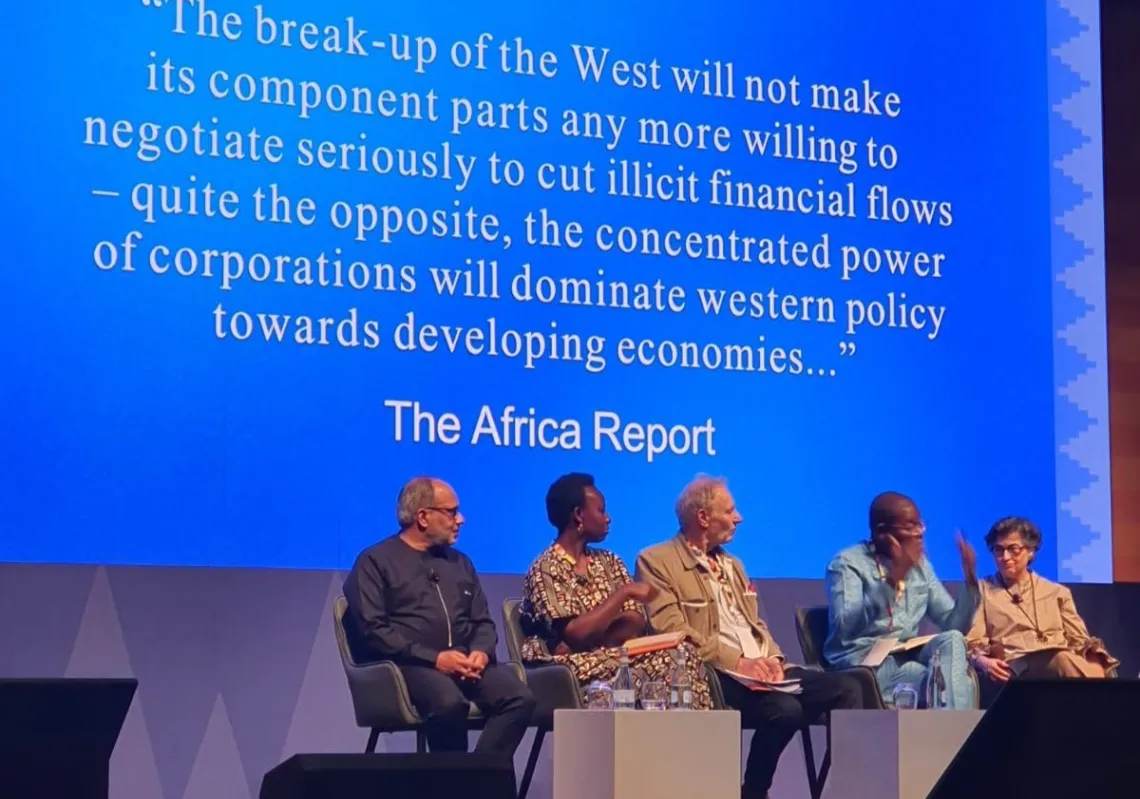
The International Monetary Fund (IMF) continues to encourage further reforms to foster a monetary environment conducive to expanding intra-African commerce, stimulating growth and stabilising macroeconomic accounts, while addressing the chronic scarcity of foreign exchange. Yet the Fund insists that all financing and debt servicing will remain denominated in dollars and governed by the system of Special Drawing Rights.
Some nations aggrieved with the prevailing global economic order aspire to emulate the financial arrangements between Russia and China, where trade is increasingly conducted in national currencies (the rouble and the yuan), particularly in oil, energy, industrial inputs, and consumer goods. This came in response to Western sanctions.
In the medium term, debt is a formidable challenge in Africa, where debt is overwhelmingly denominated in dollars through international financial institutions and where 14 countries already have debt exceeding 180% of their gross domestic product (GDP). Sudan’s debt is more than 200%.
The momentum behind alternative initiatives is widening, now encompassing India, North Korea, Brazil and several members of the BRICS group. Much of this relies on the New Development Bank, in which Beijing holds the largest stake. Yet African economies are far smaller (projected to remain less than $4tn by the end of 2025), their sources of income are insufficiently diversified, per capita earnings remain low, reserves are fragile, and intra-continental trade is limited. Moreover, the continent depends heavily on industrial and technological goods that are produced only sparingly within its borders.

The debt crisis
Debt has long been the central obstacle to Africa’s economic stability. External debt servicing consumes nearly 20% of GDP across 25 nations, costing $89bn in 2025—twice the amount of foreign direct investment (FDI) flowing into Sub-Saharan Africa. Average debt levels are around 64% of GDP, concentrated in the continent’s largest economies. According to data from the African Export and Import Bank, the combined debt of the two largest economies—South Africa and Egypt—stands at around $336bn.
Since the COVID-19 pandemic, several African countries have exported more foreign currency than they earned through trade surpluses. This imbalance persists despite some indicators improving, leaving the continent vulnerable to fresh financial storms, such as the one triggered by the American subprime mortgage crisis of 2008.
Several African economies have resorted to floating their national currencies and deliberately devaluing them against the dollar in recent years. This policy has enabled parallel exchange markets to flourish, encouraging transactions in foreign currencies without central bank intervention. The Ethiopian birr was devalued by 127%, the Nigerian naira by 72%, and the Egyptian pound by 64%, all in exchange for emergency IMF financing.
Among the financial institutions that have extended trade finance lines are the Islamic Development Bank, the European Investment Bank, the Japan Bank for International Cooperation (JBIC), and the German Bank, all working to ensure the flow of imports and to apply downward pressure on prices. Other states, faced with inflation, have instead chosen to print money, often without the sanction of international financial bodies. This relies on reserves as cover to ease liquidity shortages but carries serious risks, particularly if export revenues decline or if commodity or energy prices fall.
The African Export-Import Bank, which finances intra-African trade, revealed that trade among African nations reached $208bn last year. Of this, $58bn was exchanged among southern countries, $53bn among those in the west, $49bn in the east, and no more than $31bn among the Mediterranean states—a region that remains marked by deep political rifts, especially between Algeria and Morocco.