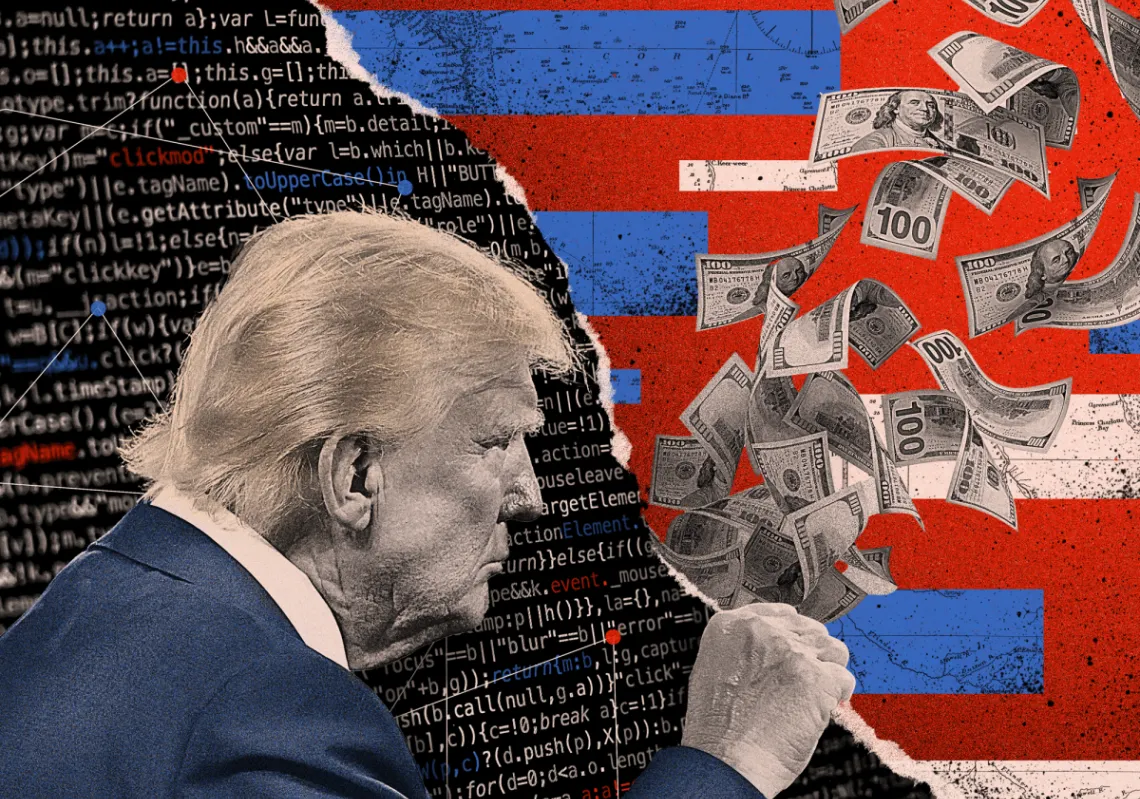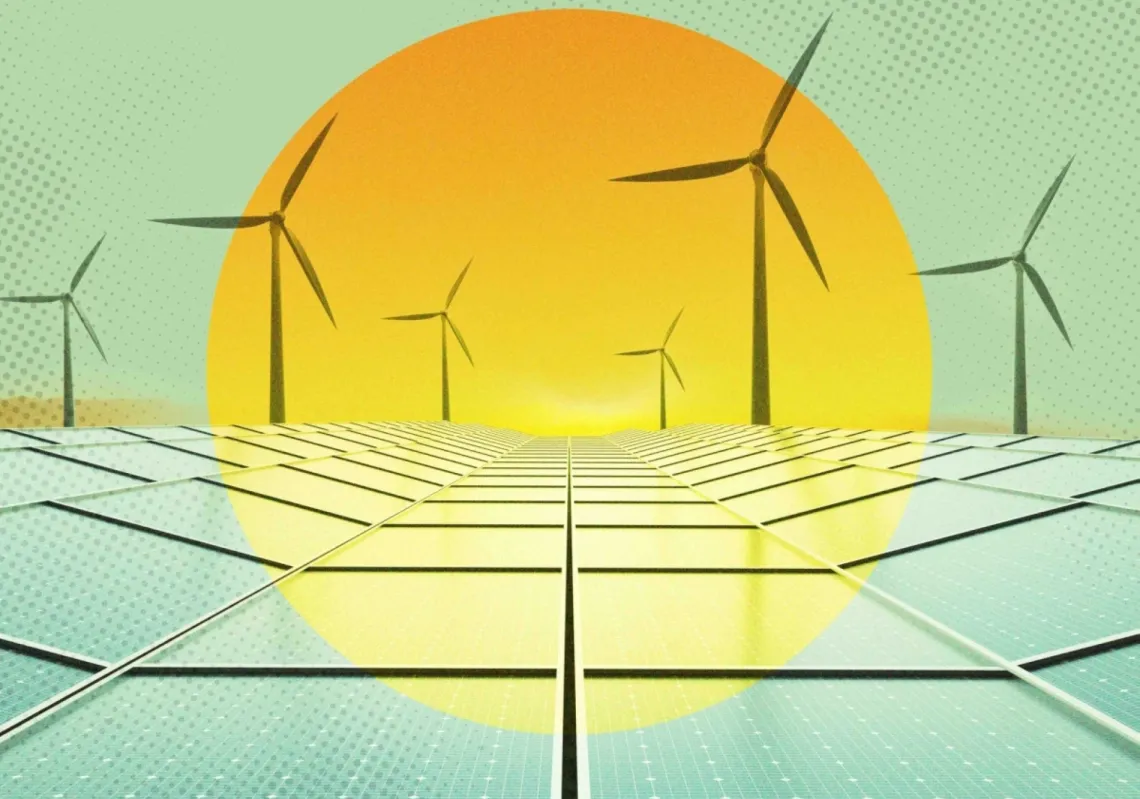
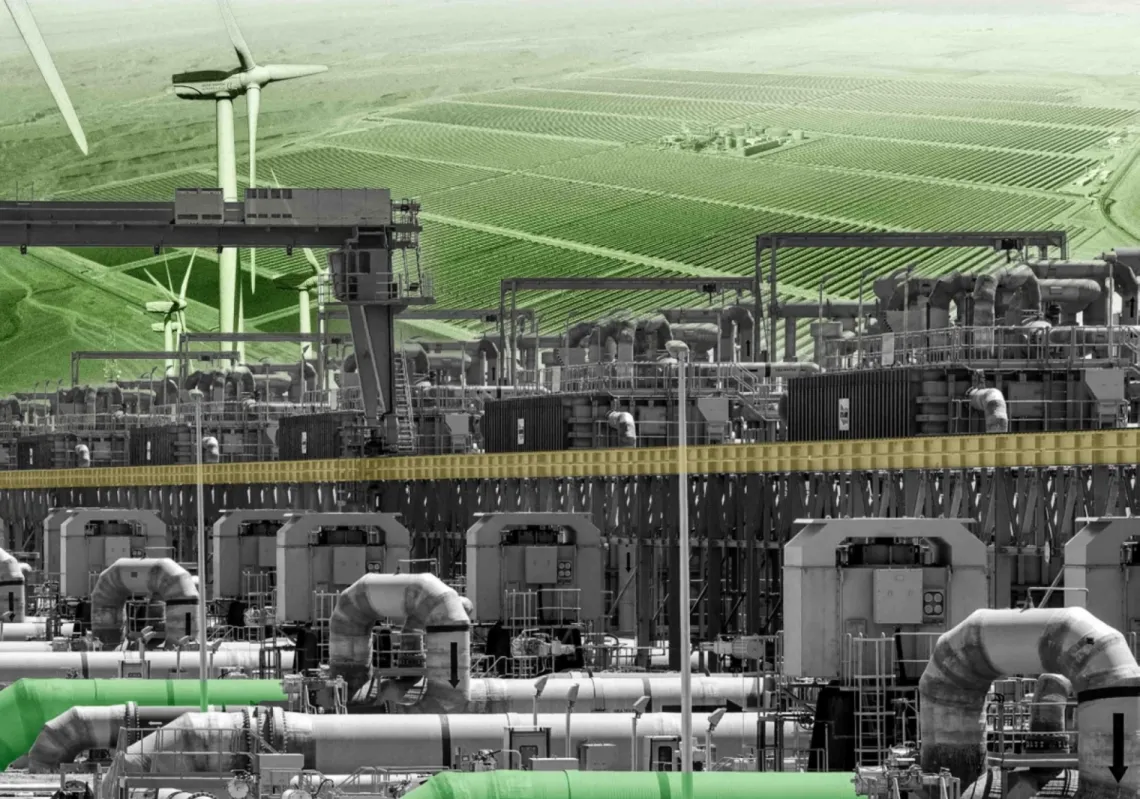
Natural resources like solar, wind, and water are set to provide 36% of global electricity production this year. Even for sceptics like Donald Trump, the trends are unmistakable.
There are huge investments and active cooperation across the Middle East and North Africa in this rapidly growing industry, with countries and companies positioning themselves for the future.
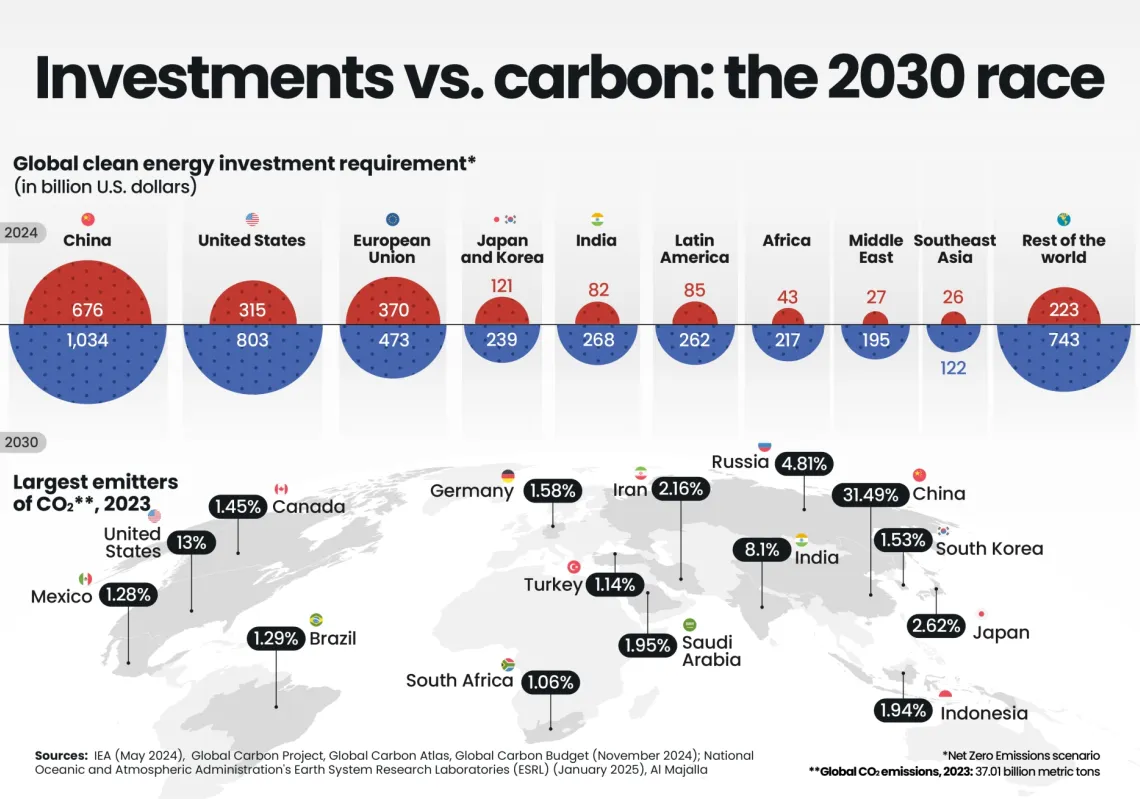
Global investment in clean energy technologies reached nearly $2tn in 2024, signalling the strongest momentum yet toward a low-carbon future. Yet, despite this record spending, experts warn it…
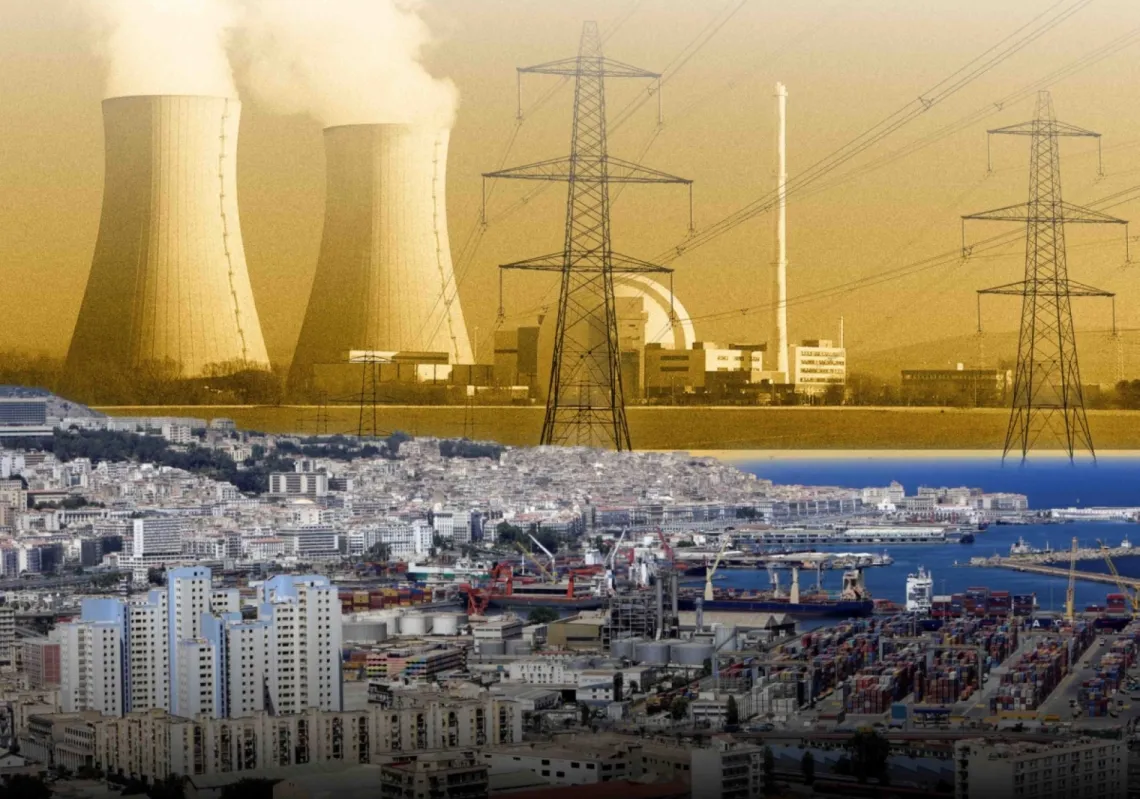
There are some very good reasons why the North African country should pursue civil nuclear power generation, but as experts warn, there are also some very good reasons to pause
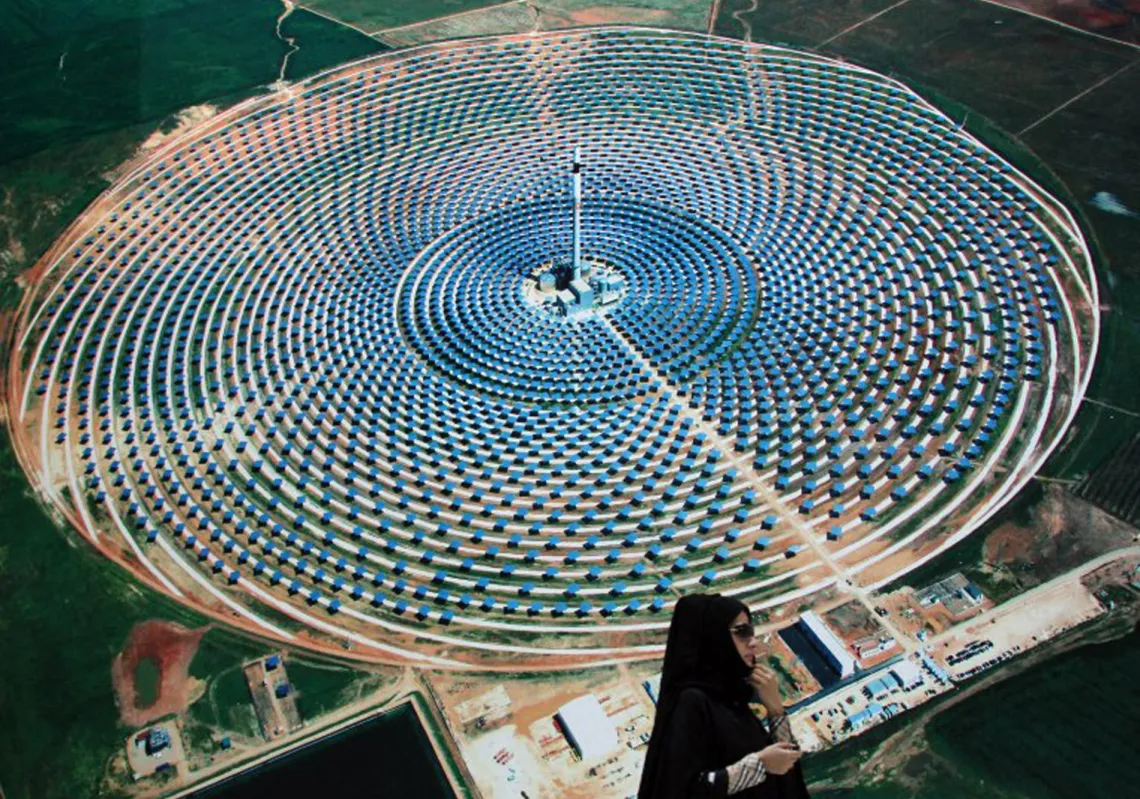
The UAE's leading renewable energy company has demonstrated that commercially viable clean energy ventures can emerge from state-backed initiatives when policy, market conditions, and execution align
Amid geopolitical tensions and supply chain shocks, the Middle East and North Africa region (MENA), led by the Gulf, has a strategic opportunity to localise clean energy manufacturing.
In a year marked by economic realignment and strategic restraint, global investors in 2024 made it clear: the future lies in clean technology, connectivity, and semiconductors, commonly referred to…
An $8bn project in the Suez Canal Economic Zone shows Egypt's ambitions to become a global leader in green hydrogen. But with high set-up costs and a huge debt burden, Cairo can't yet go at it alone.
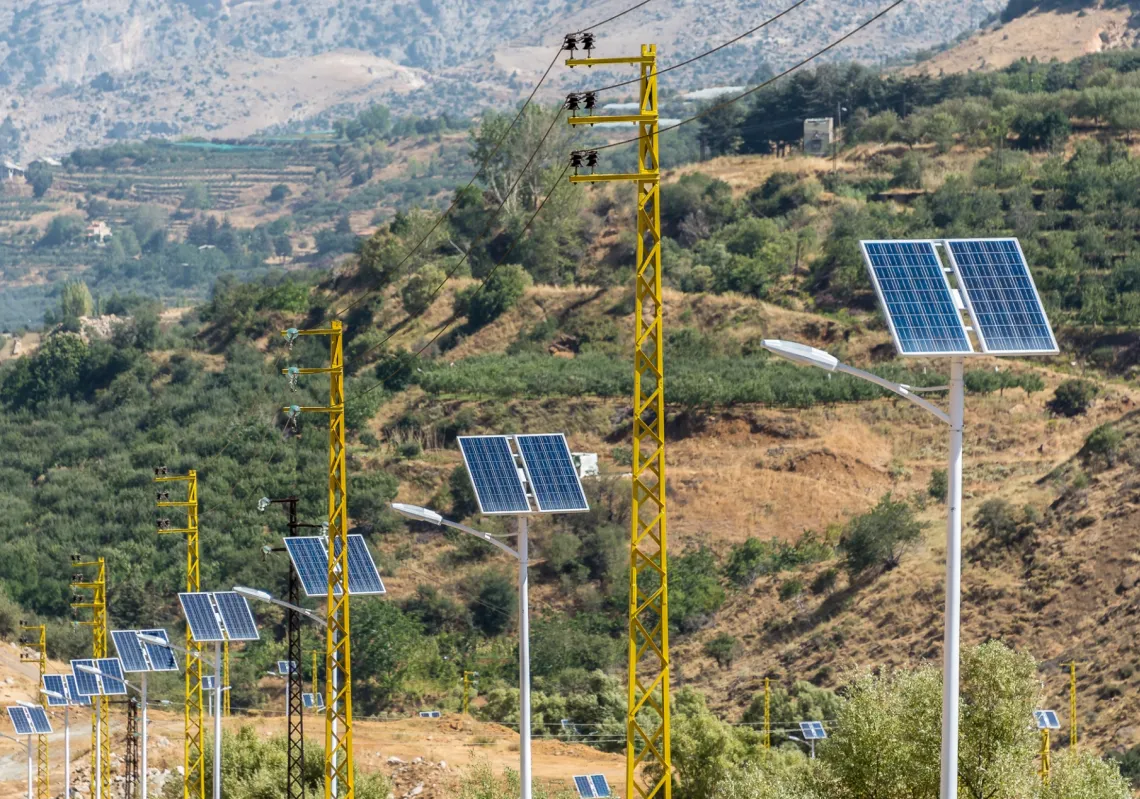
Regional collaboration is crucial for a sustainable and resilient future. From electricity grid interconnections to cross-border investments in renewable energy, working together is vital.
Disruption in the Hormuz can have major implications for global trade, but it also creates opportunities for smaller nations like Iran to become global political players
The Iraq war was viewed as disastrous in retrospect, while the Iran war was unpopular from the get-go. Al Majalla highlights the similarities and differences between the two.
Pipelines have a chequered history in the Middle East, but the closure of the Strait of Hormuz has led US Tom Barrack to conclude that a new route through Syria could solve some problems.