The great Arabian novelist, who has died at the age of 76, carried the mountains of southern Arabia to the heart of France in his famous work, published in 2000.

From the lives of explorers to the intimacies of the human condition, Morgado looks for the imperfect and the relatable, whether in historical figures or in ourselves.
The Argentine writer's life and works have been the source of study since his death in 1986, but a new book looks anew at the factors that made both the man and his texts
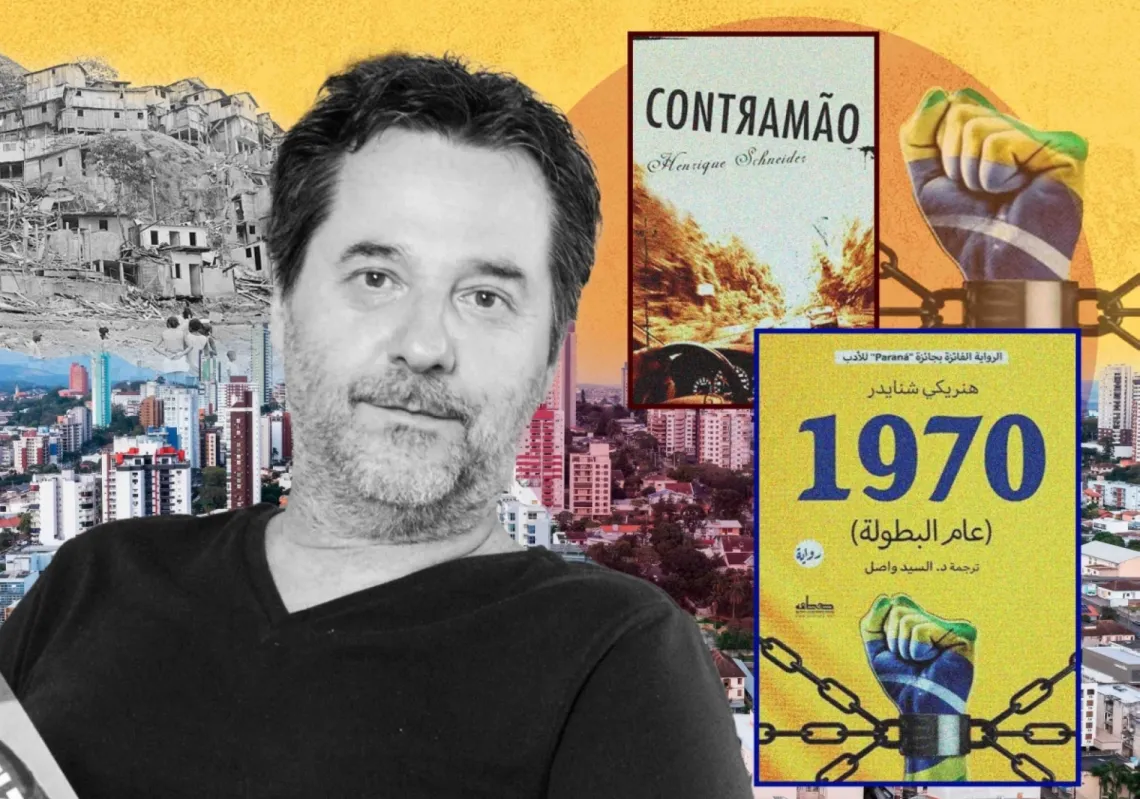
In an interview with Al Majalla, the Brazilian novelist and lawyer speaks about the role intellectuals can play in promoting human rights and why anyone with a conscience should support Palestine
In a never-before-published interview, the late Lebanese novelist explains how the characters in his epic trilogy reflect his distaste for city life and lost faith in humanity
Fêted on the literary scene, the Finnish film critic turned novelist still finds all the attention a little surreal, but that watching so many movies—and having an encouraging editor—helped her write
Al Majalla interviews the award-winning translator, whose work on Ahmed Naji's prison memoir 'Rotten Evidence' won the Saif Ghobash Banipal Prize for Arabic Literary Translation
The author and journalist's latest well-researched book, 'The Guardian of Names', explores the power and impact of naming. He speaks to Al Majalla about the creative process and his influences.
The American CIA director's visit looks to be a desperate attempt by the Trump administration to avert a doomsday scenario in which NATO is pulled into a larger war with Russia
Al Majalla looks at the former army general's career, political positions, possible paths to victory, and what a change in leadership could mean for Israel and the region after three years of war
As social media transforms how people seek medical advice, figures such as Barbara O'Neill offer something conventional medicine rarely can: absolute certainty
The Iran war exposed the risks of being too closely tied to US military posture, which is why some Gulf states are repositioning themselves not merely as consumers of security but as architects of it