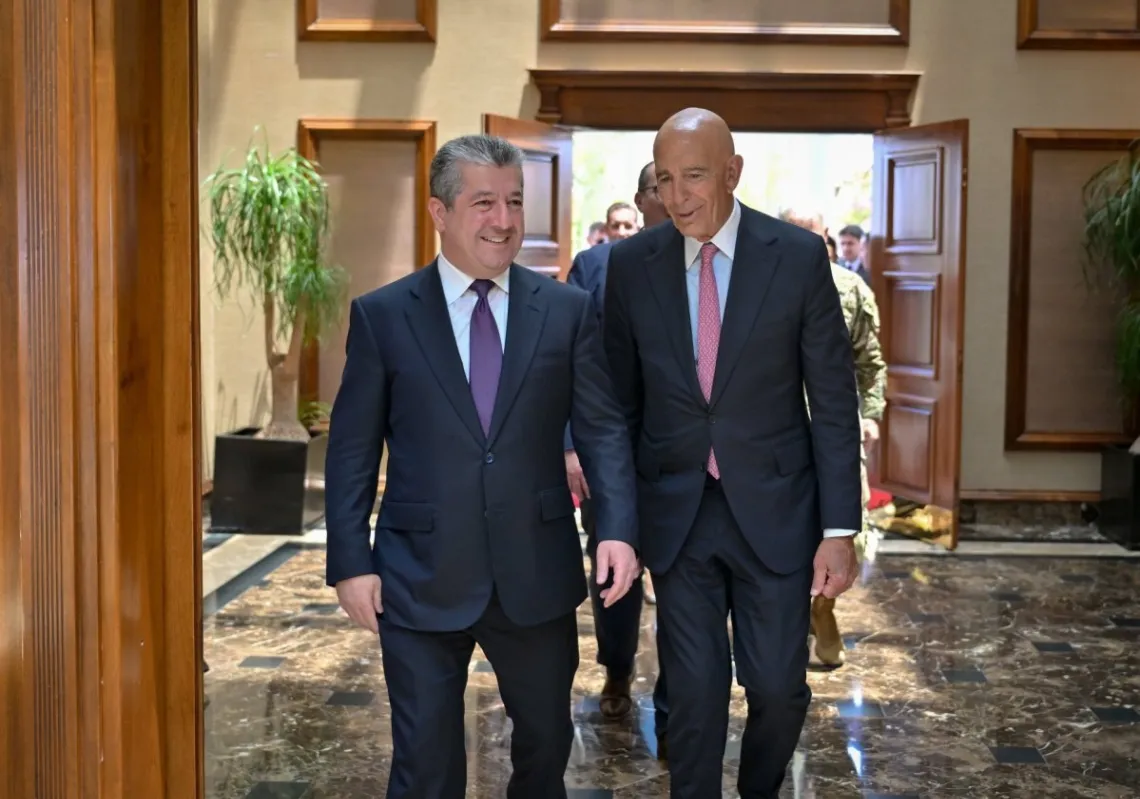
Tom Barrack travelled to Erbil to meet representatives from Iraq and Syria to discuss Kurdish-American cooperation and the need to tackle pro-Iranian militias
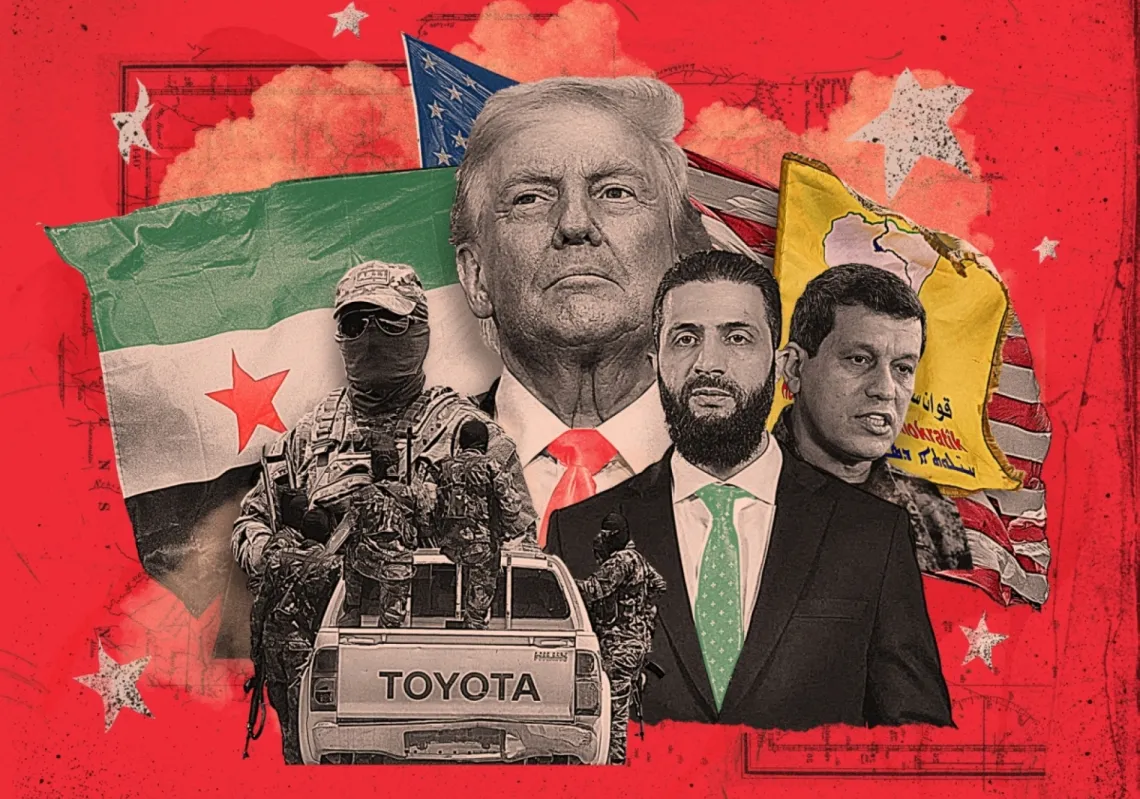
Having agreed on an outline for integration with Syrian President Ahmed al-Sharaa last month, Kurdish-led groups have now issued a raft of contradictory demands, angering both Damascus and Ankara
Al Majalla interviewed the SDF commander who shared his thinking prior to the landmark decision, which also guarantees constitutional rights for Syrian Kurds
The smuggling industry is worth hundreds of millions of dollars annually, and few alternatives exist to earn a living in the area. Border guards are trigger-happy, and calls for change are ignored.
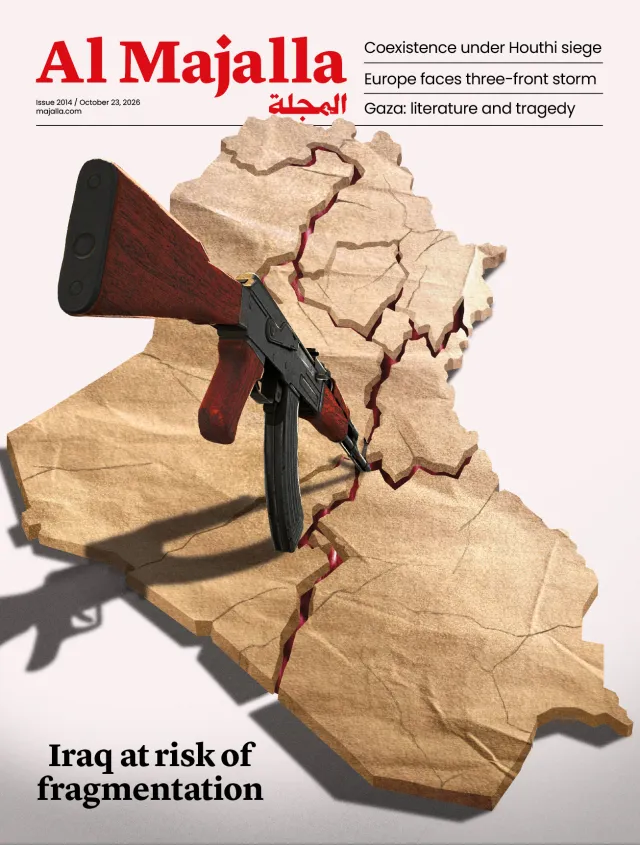
As a deadline on a security deal over Iranian Kurds in Iraq looms, Tehran is eyeing military action if camps are not disarmed and moved. That could provoke an international response, including the US.
From the 1639 Shirin Palace Agreement to the Lausanne Treaty of 1923, Kurdish self-determination was ignored by the world's dominant powers who were looking out for their economic interests.
The primary focus of this initiative is to emphasise Syria's need for a second independence and to present nine key provisions for a comprehensive solution.
Their support prevented Erdogan — for the first time in his electoral history — from winning in the first round. However, this wasn't enough for a decisive win, and now the two candidates are heading
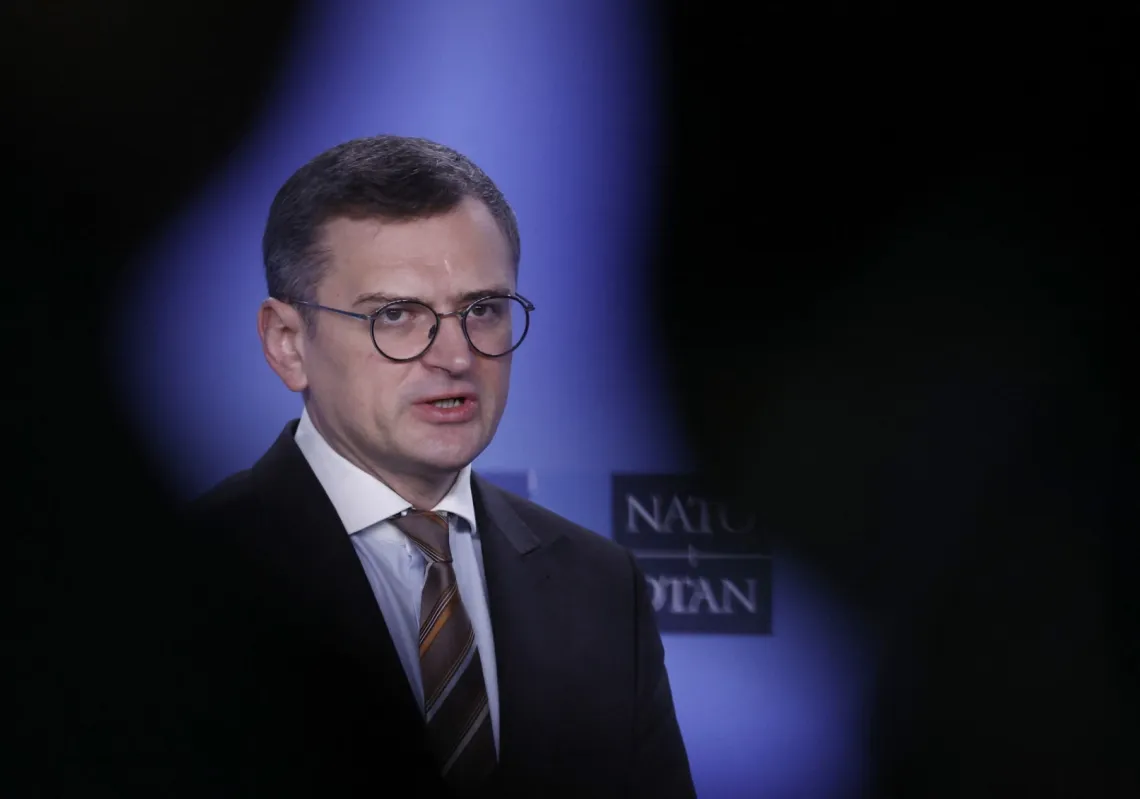
The American CIA director's visit looks to be a desperate attempt by the Trump administration to avert a doomsday scenario in which NATO is pulled into a larger war with Russia
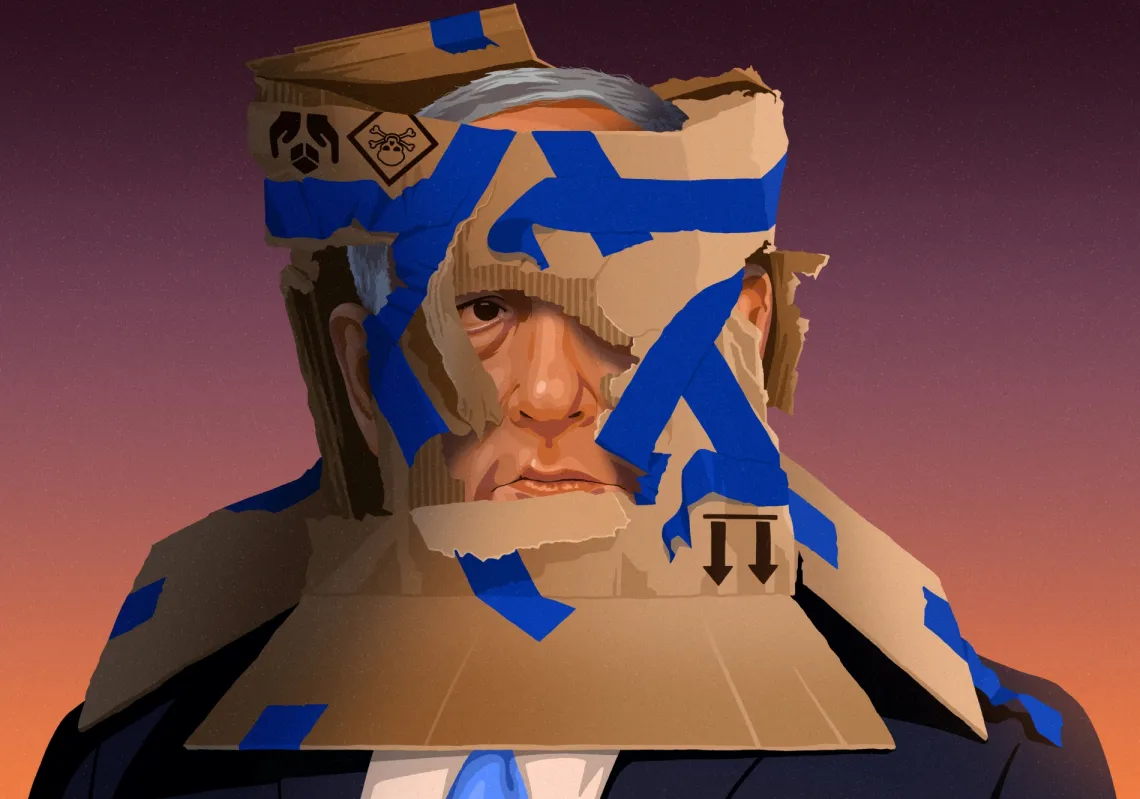
Al Majalla looks at his military career, political positions, possible paths to victory, and what a change in leadership could mean for Israel and the region after three years of war
As social media transforms how people seek medical advice, figures such as Barbara O'Neill offer something conventional medicine rarely can: absolute certainty
The Iran war exposed the risks of being too closely tied to US military posture, which is why some Gulf states are repositioning themselves not merely as consumers of security but as architects of it