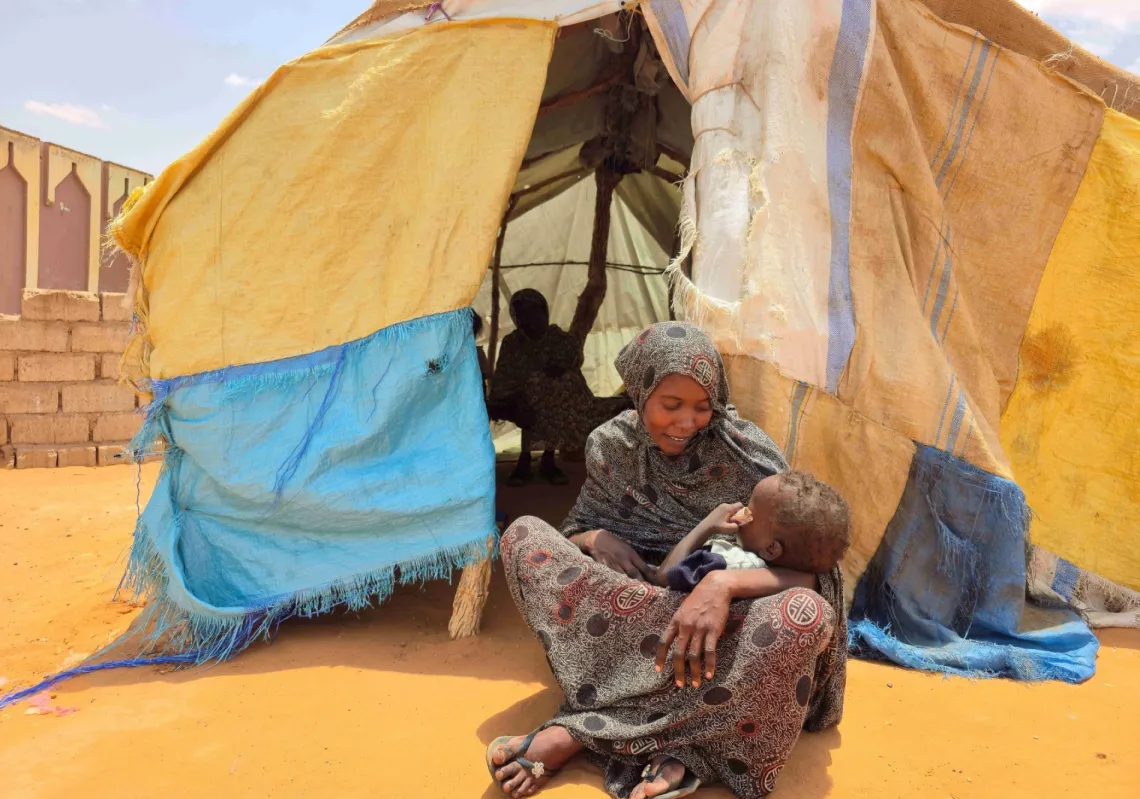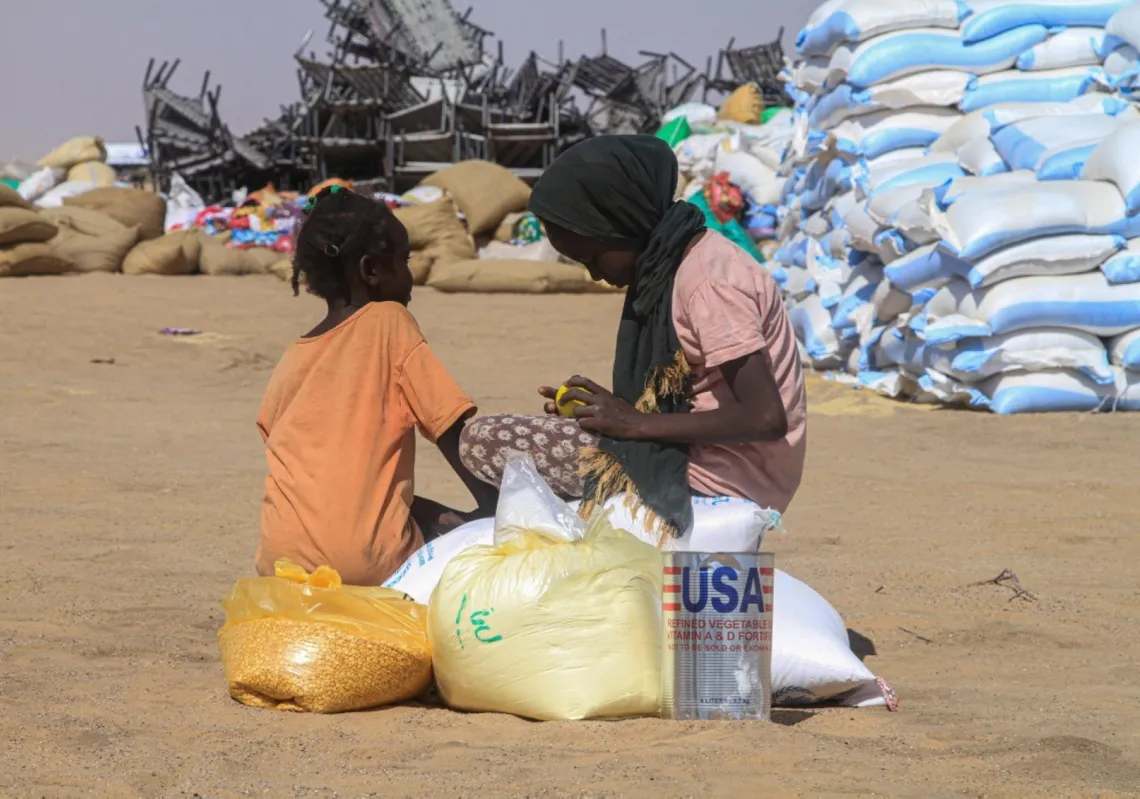
More than 21 million Sudanese face acute food shortages, despite no shortage of arable land. With war in Iran sending the cost of fuel and fertiliser soaring, famines are now being declared
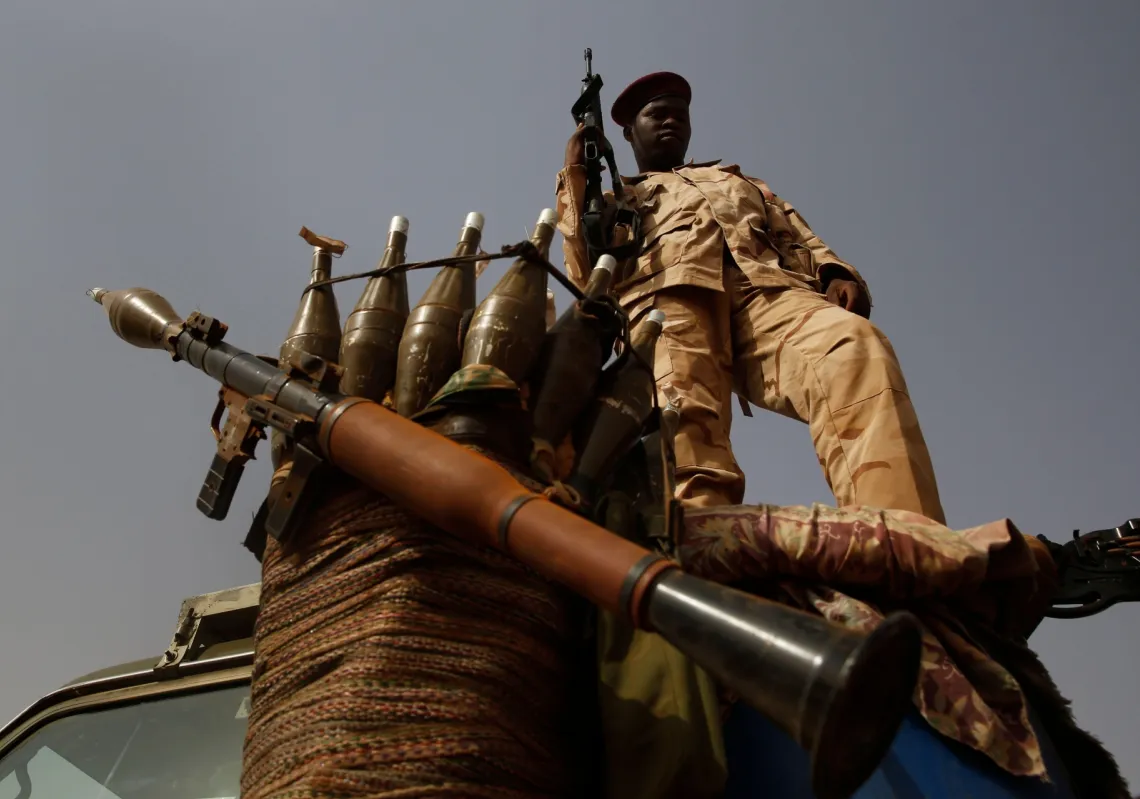
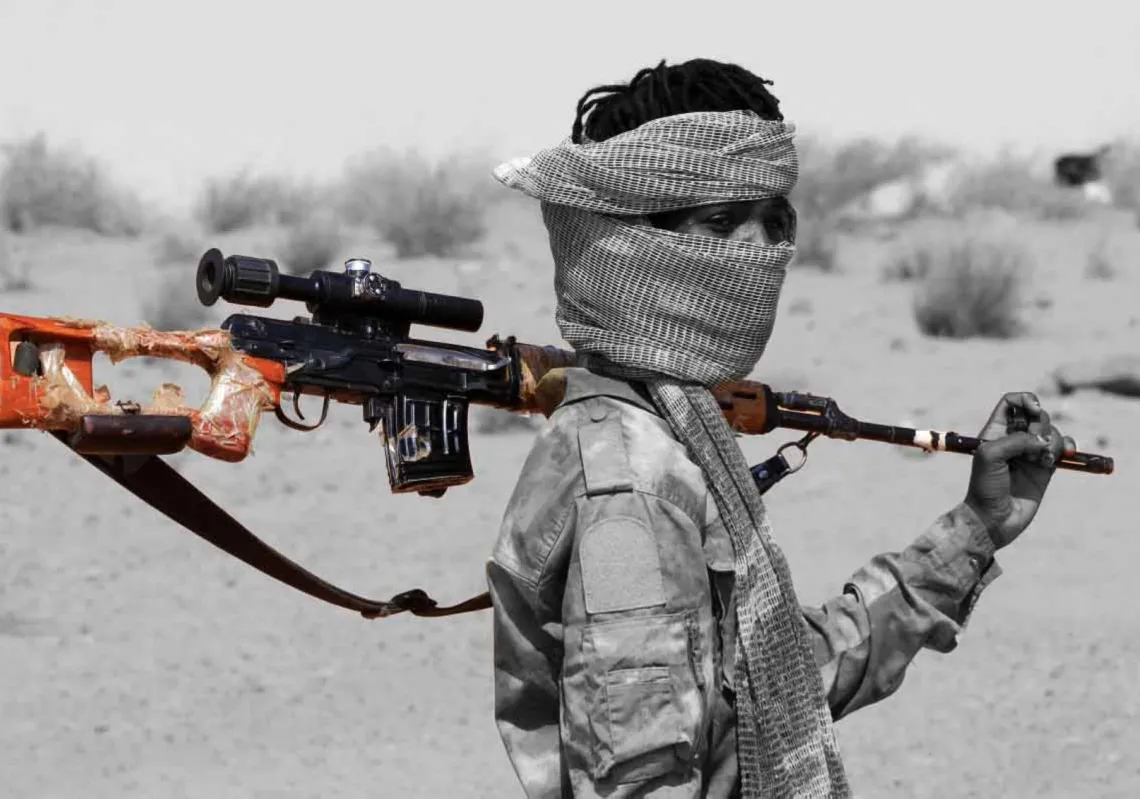
Created by then-Sudanese President Omar al-Bashir, the Rapid Support Forces have ripped the country in two. This is what happens when a state gives up its monopoly on the legitimate use of force.
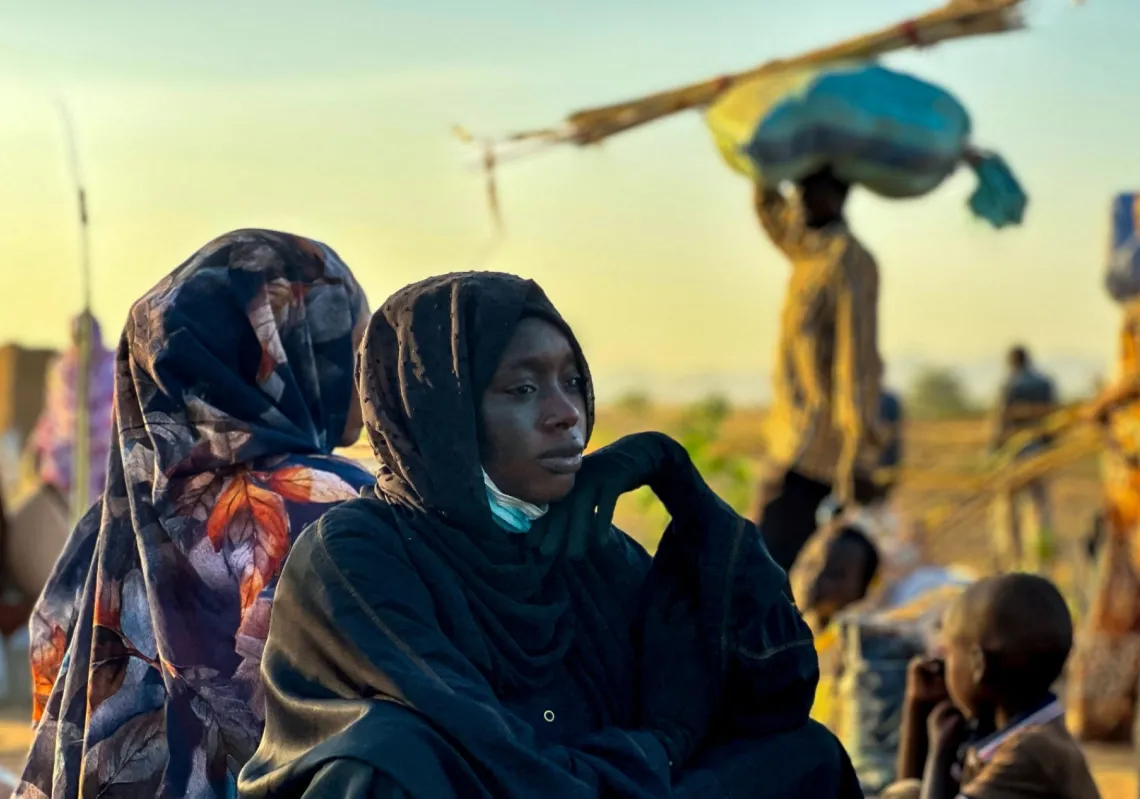
After over 500 days of a crippling blockade, the city finally fell to the RSF, cementing their control of the giant Darfur state in western Sudan and giving them full access to key supply routes
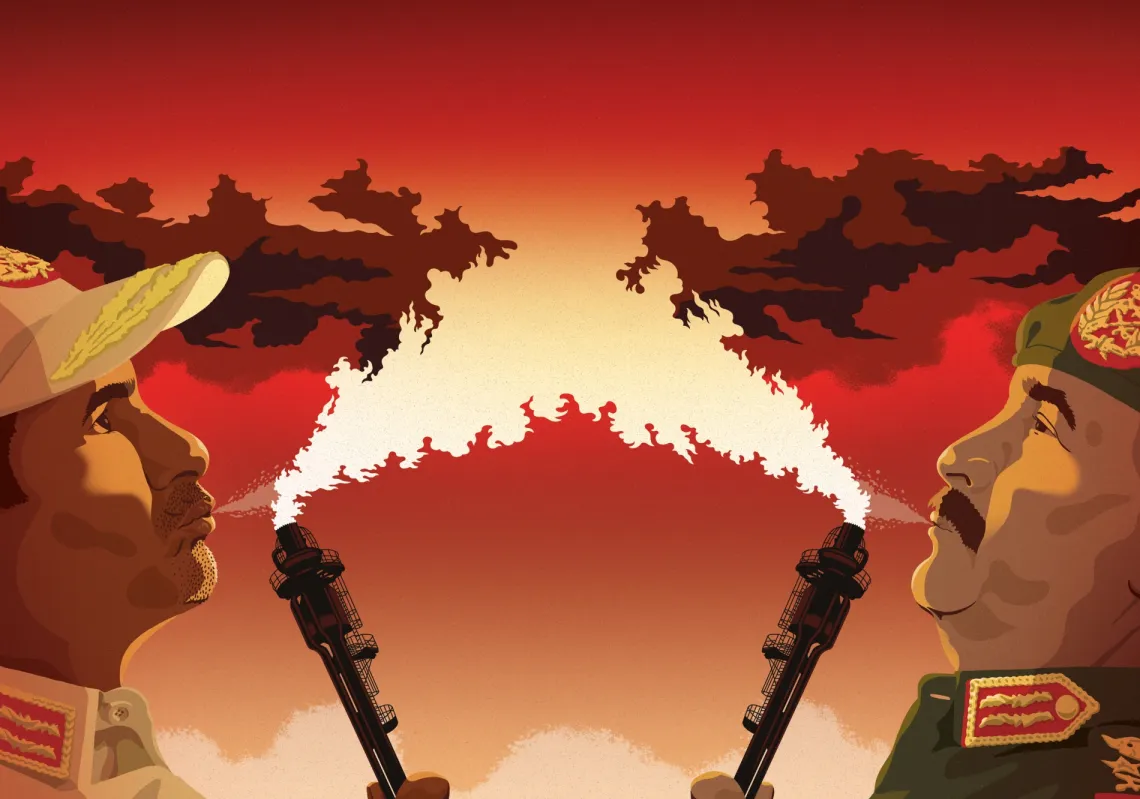
The army and the RSF rely on the assets at their disposal to sustain governance and fund their war efforts, while trying to win over the international community by seizing larger swathes of Sudan
Classified documents from the 1970s obtained by Al Majalla show what led to the killing of the Lebanese Druze politician and how Syria came to occupy Lebanon
The Druze leader, whose forces were winning Lebanon's civil war, disagreed with Syria's president over it. Now, Al Majalla publishes a letter he sent to Assad, aiming to put them on the same page.
The country has all the ingredients that enflame tensions: acute social inequality, an unformed national identity and myriad ethnic groups, all of which were exacerbated by colonial rule
Fifty years after the outbreak of fighting, Lebanon still suffers from the effects of corruption and clientelism, undermining the achievements made during brief periods of stability
Fifty years ago today, a civil war that lasted 15 years ripped the country apart. Today, outstanding grievances and underlying causes of that war still remain, leaving the country on shaky ground.
If the ceasefire collapses, China has an interest in getting the two sides back to the table, but it would be a difficult task given Tehran's deep mistrust of the US and Israel.
Israel's parliament approved a draconian death penalty law last week that only applies to Palestinian prisoners, in a move that the UN says "would constitute a war crime"