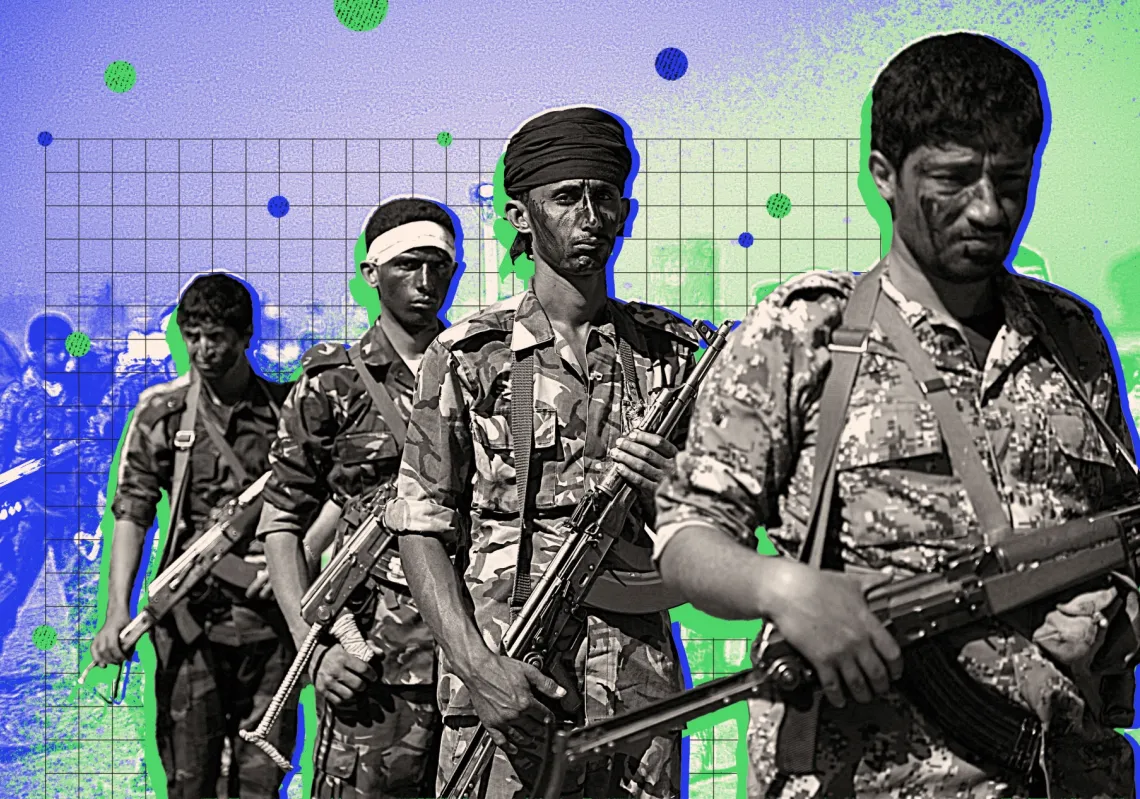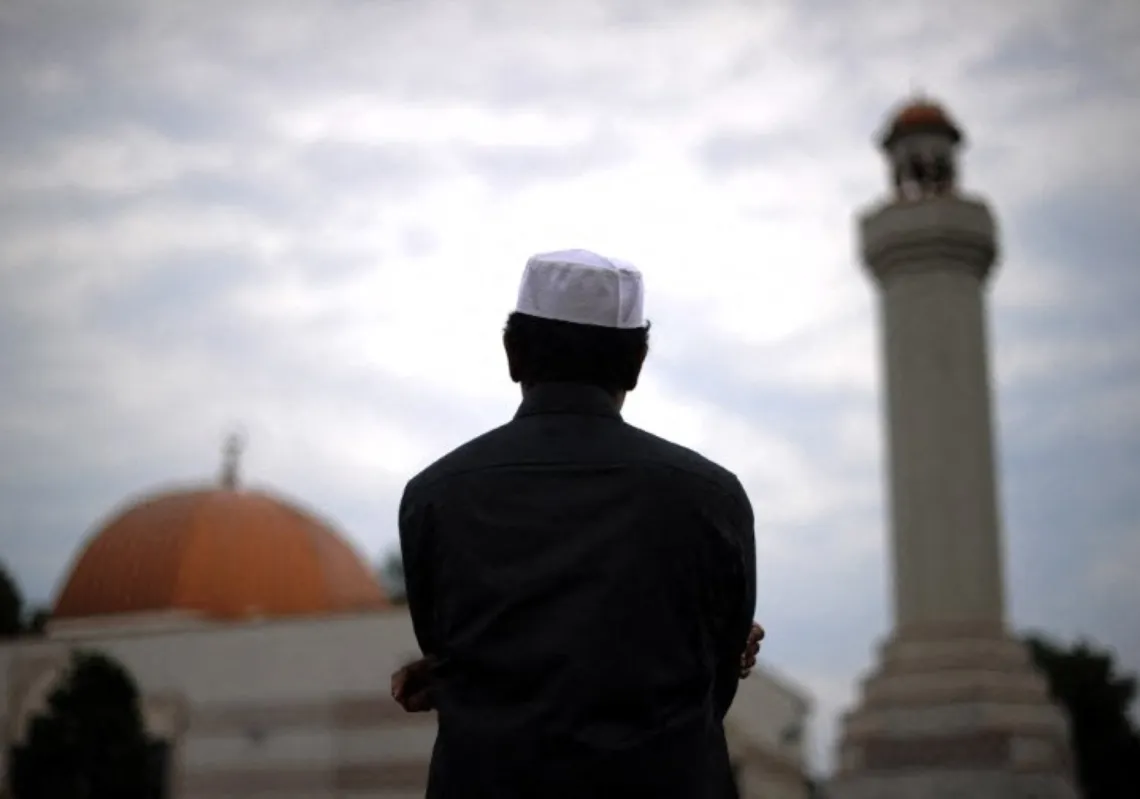
The US designates the Muslim Brotherhood in Egypt, Lebanon and Jordan as "terrorist" groups, citing alleged support for "activities against Israeli interests in the Middle East" as the reason
The US President has caught up with Egypt, Saudi Arabia, and Jordan by proscribing some chapters of the Muslim Brotherhood as terrorist entities. What comes next?
Once welcome in Amman, the increasingly problematic Brotherhood has now been banned after 16 people accused of planning acts of sabotage using missiles and drones were arrested this month
Despite a crackdown on the Muslim Brotherhood and the jailing and exile of many of its leaders, the spectre of an Islamist revival continues to loom in Egypt, 13 years after Mubarak's ouster.
Tunisia’s path is not yet clear, either to Tunisians or to the world. The country that lit the flame on the Arab Spring is at a crossroads. The threat of authoritarianism has once again reared its…
By their very nature, once-in-a-generation opportunities occur rarely, but their consequences are often felt for decades. Such has been the case with the Muslim Brotherhood’s one year in power in…
A large number of leaders and members of political Islam groups, especially the Muslim Brotherhood, have found a safe haven in most GCC countries, as they ran away from security and judicial…
In a few days, Egyptians will be celebrating the eleventh anniversary of the popular revolution that erupted on January 25th, 2011 and brought down the thirty-year-old dictatorship of Mubarak regime…
It is hard to believe that eleven years have already passed since the tough, but inspiring, Arab Spring revolutions that forever changed the face of the Middle East. Although the triggers that…
As support for Israel weakens across the US political spectrum, once-taboo questions about military aid, lobbying influence, and US backing are moving into the mainstream
Algeria is one of Africa's largest producers of hydrocarbons, and its proximity to customers in Europe makes it of growing interest as importers fret over a prolonged supply crisis from countries
Through extravagant processions led by palace women, the Mamluk state projected a message of power and prestige at home and abroad, turning the Hajj obligation into a soft-power tool