Apart from its ongoing genocide in Gaza, Israel has, this week, attacked Syria, Lebanon, Tunisia and, most shockingly, Qatar—a staunch US ally. But in Yemen, it's been especially brutal.
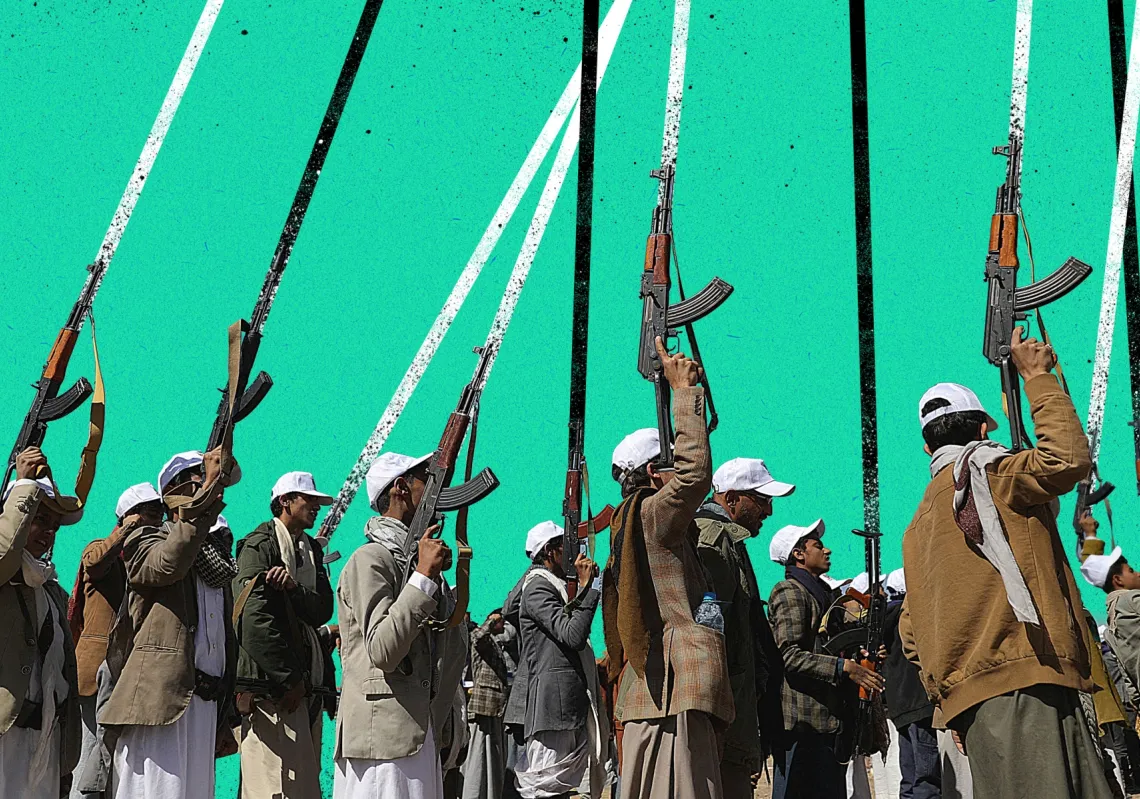
Amid growing fears that the Middle East and the world are forgetting about a long-running war in the splintered country, a particular solution is gaining steam as popular protests break out
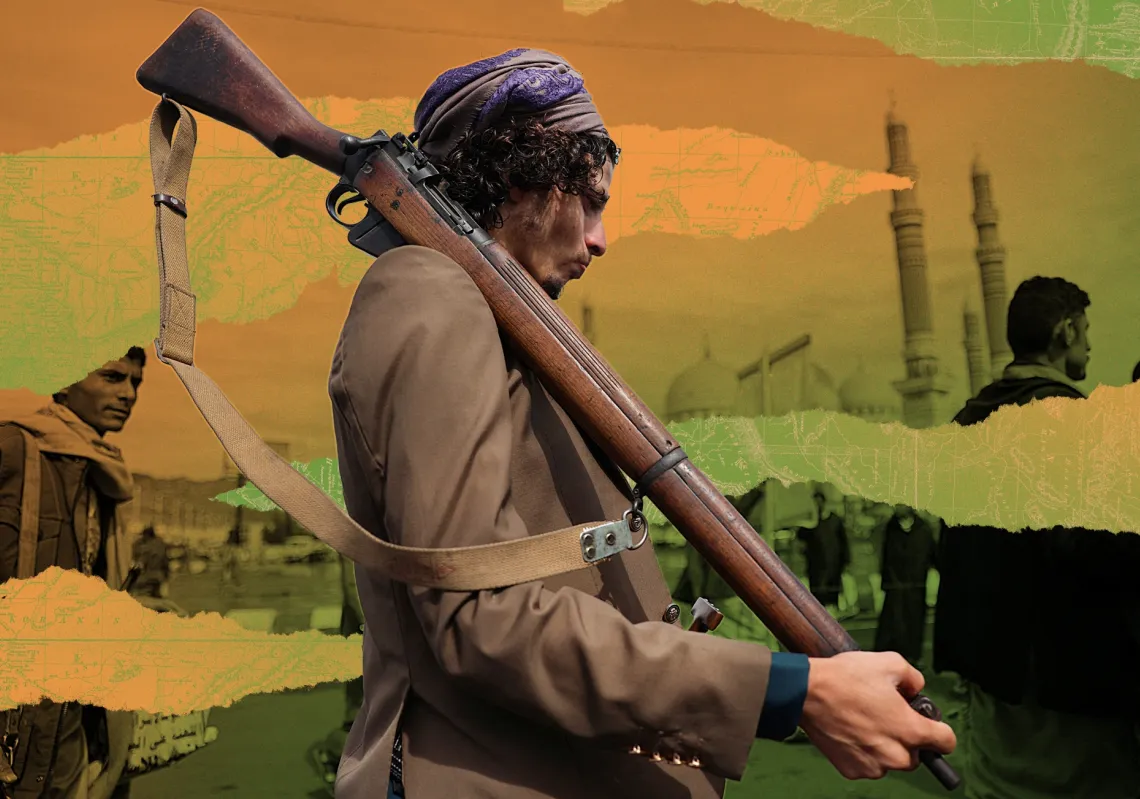
Far from being a technicality, the militia that controls much of Yemen's west and north is using the rial and the physical expression of money to alter the state's identity.
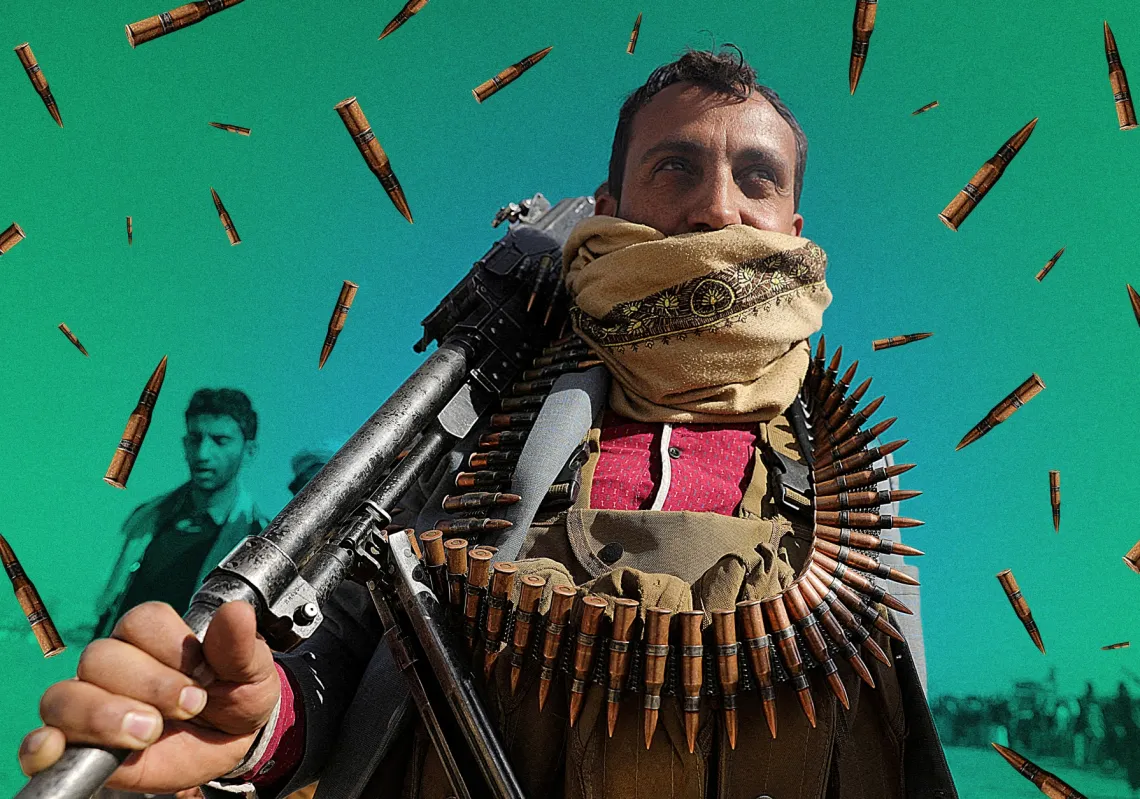
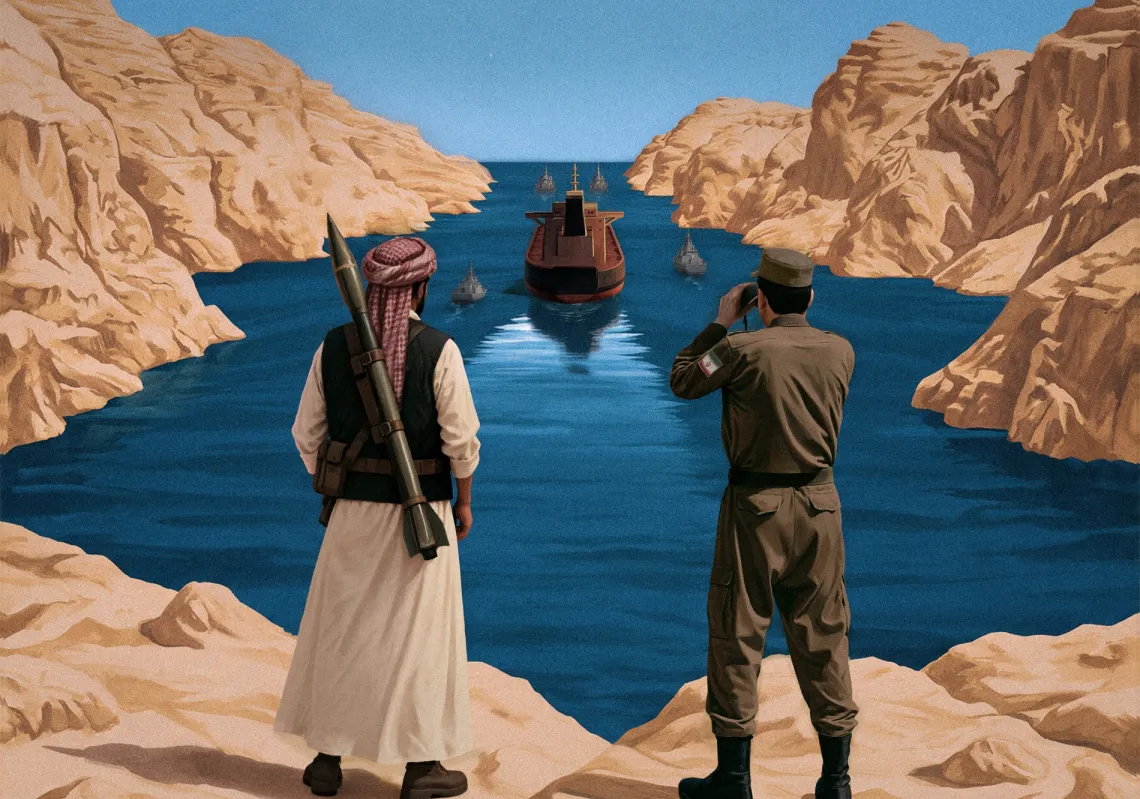
US President Donald Trump agreed a ceasefire in early May on the condition that the Houthis do not attack American ships. Good to their word, they are still attacking others, with no comeuppance.
The Yemeni militant group is proving to be a stubborn adversary, and Trump doesn't want anything to detract from his visit to the Gulf next week, where he plans to make a 'big' announcement
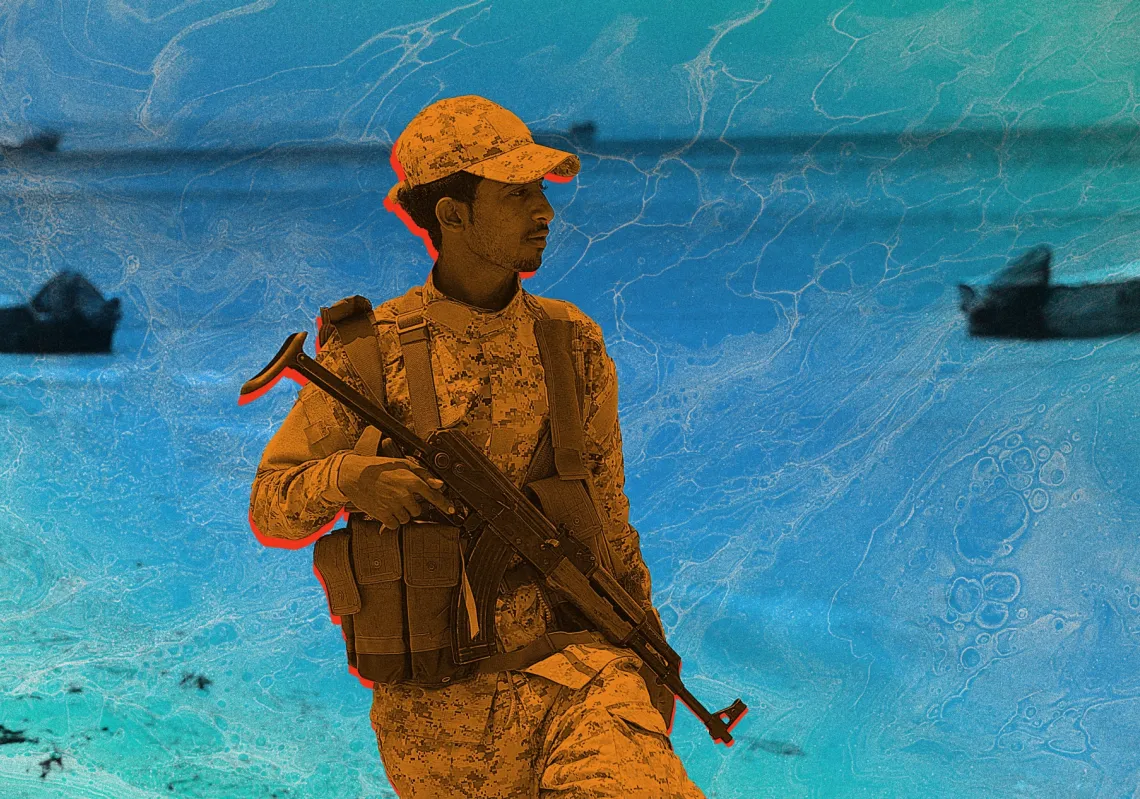
An informed Yemeni military source says a US-backed Yemeni government assault is likely to begin "between mid and late May" after US air strikes have crippled key Houthi military assets
Tehran has long sponsored the Houthis in Yemen, which is the last member of Iran's 'axis of resistance' still standing up to Israel. Neither fully trust each other and never have.
Were recent strikes ordered by Trump intended as a warning to Tehran, or could they be a prelude to an expanded war? Al Majalla weighs in on the possible motives.
Legal classifications will only go so far and may end up hurting more than just the militia. The move could complicate efforts to reach a much-needed political solution in Yemen.
From a US military build-up in the region to Trump's growing unpopularity at home, several factors could influence his decision on whether or not to attack
Investors' flight into precious metals is symptomatic of the economic upheaval and uncertainty being causes by US President Donald Trump and his trade wars
Former Médecins Sans Frontières president Rony Brauman explains to Al Majalla how Israel's war on Gaza has produced unprecedented suffering and exposed the collapse of international law
Recent events do not mean the end of the SDF as a local actor, but rather the end of a political chapter built on outdated assumptions. The next chapter will be more fluid and unpredictable.
The economy is a mess and the politics are askew but the Lebanese are once again learning how to celebrate, these days to the tune of Badna Nrou, meaning 'We need to calm down'