At an earlier age, boys and girls both attend school, but males increasingly drop out in their mid-teens, and now seven out of every ten Tunisian university students are women. Why is this?
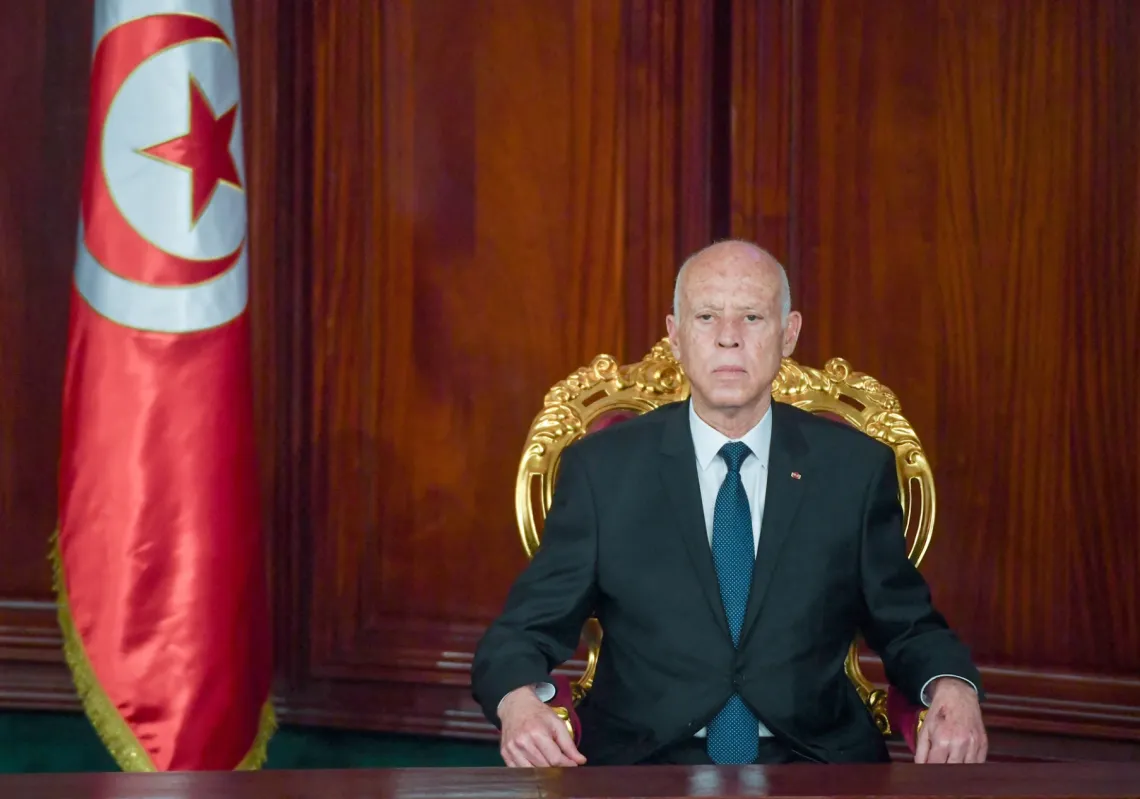
Although Tunisia's president maintains an illusion of full control, he is highly dependent on a few groups within his government. Should any turn on him, the edifice could crumble.
In this melodious north-western corner of Tunisia, there are plenty of reasons to be wistful, as memories of a glorious cultural era fade. Yet there are also reasons to hope.
As Tunisian youth flee their homeland in search of opportunity, thousands of Italian retirees are heading in the opposite direction—drawn by tax breaks, low living costs, and Mediterranean charm
The country faces both security and financial challenges but the more urgent question is whether it can repay its debt while still paying government employees, funding subsidies, and buying missiles
1.5 billion tourists over five continents raked $11tn into the global economy in 2024, surpassing pre-COVID levels. Meanwhile, North Africa broke records as a new hot-spot destination.
Hundreds are now stuck in Syria's Al-Hol camp. If they are allowed to return home, they will surely face stigmatization, but they could also be a useful intel resource for the state.
Serenaded in Beijing, whose yuan he wants, the Tunisian president has upended half a century of foreign policy to boost a flagging economy and avert unrest ahead of his re-election… But at what price?
Film director Kaouther Ben Hania's innovative and unconventional docudrama is part-real, part-fiction. The Tunisian family it depicts is real, as is their pain, and it is scooping up many awards.
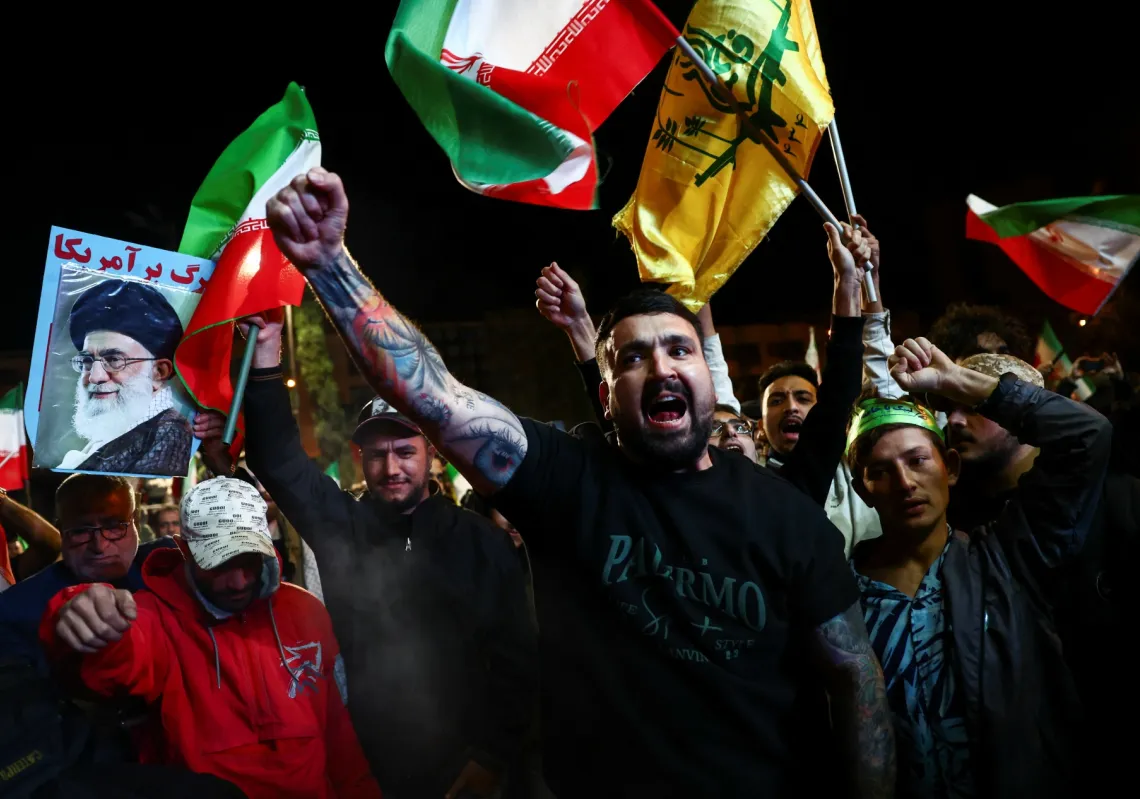
Disruption in the Hormuz can have major implications for global trade, but it also creates opportunities for smaller nations like Iran to become global political players
The Iraq war was viewed as disastrous in retrospect, while the Iran war was unpopular from the get-go. Al Majalla highlights the similarities and differences between the two.
Pipelines have a chequered history in the Middle East, but the closure of the Strait of Hormuz has led US Tom Barrack to conclude that a new route through Syria could solve some problems.