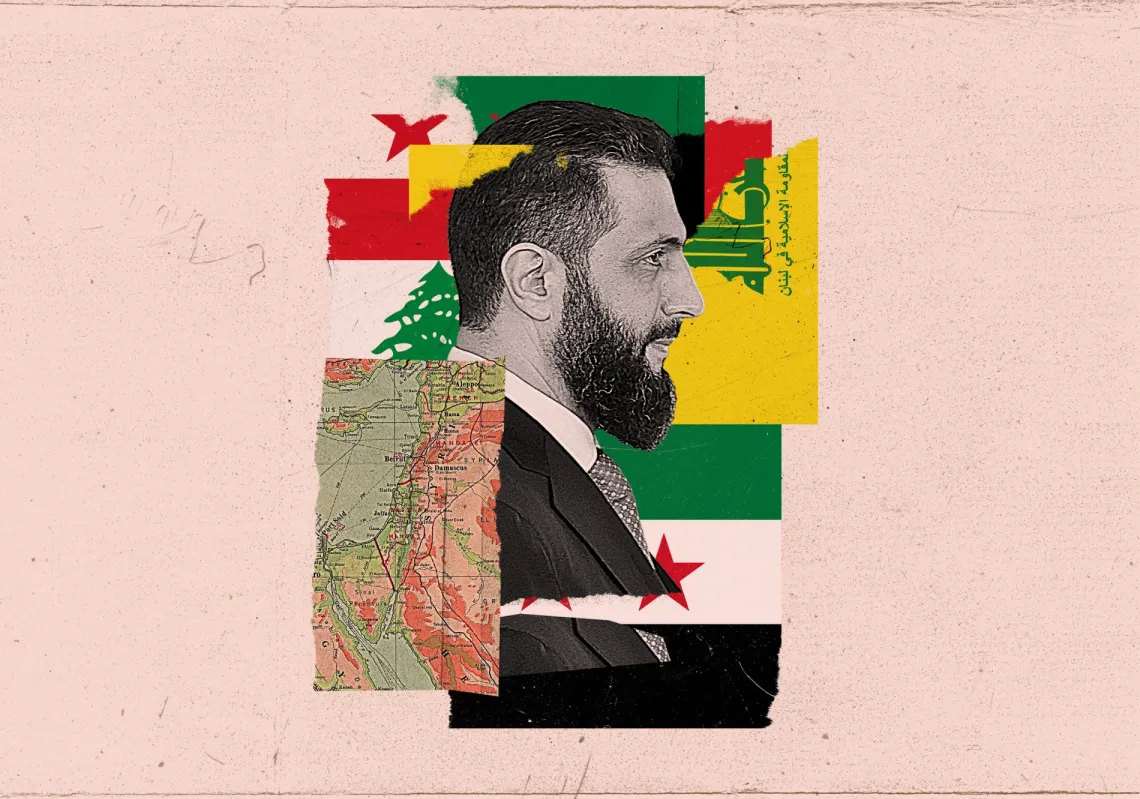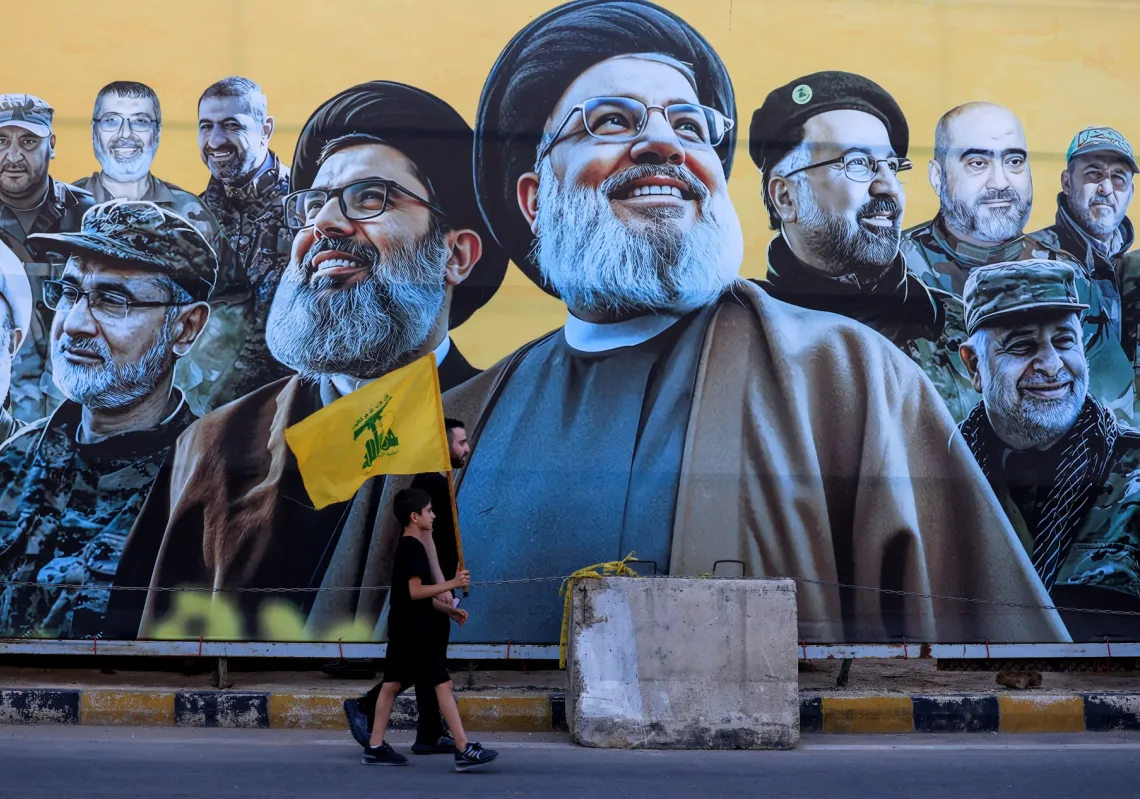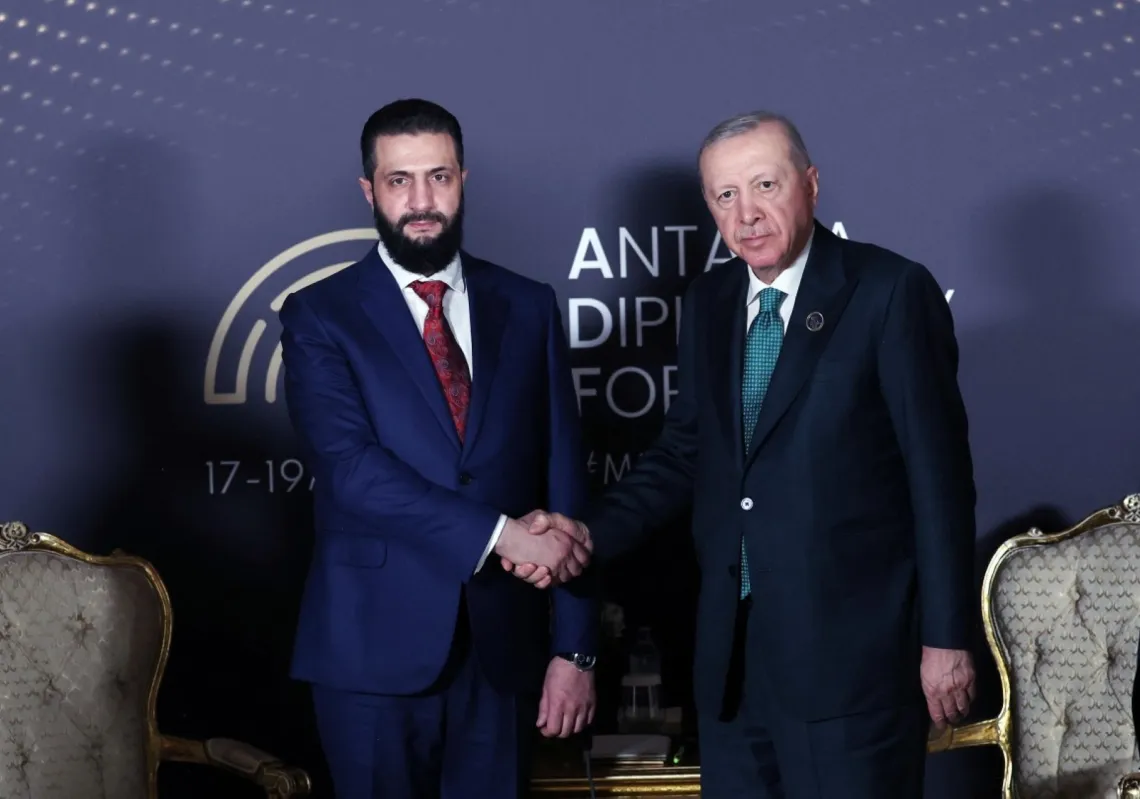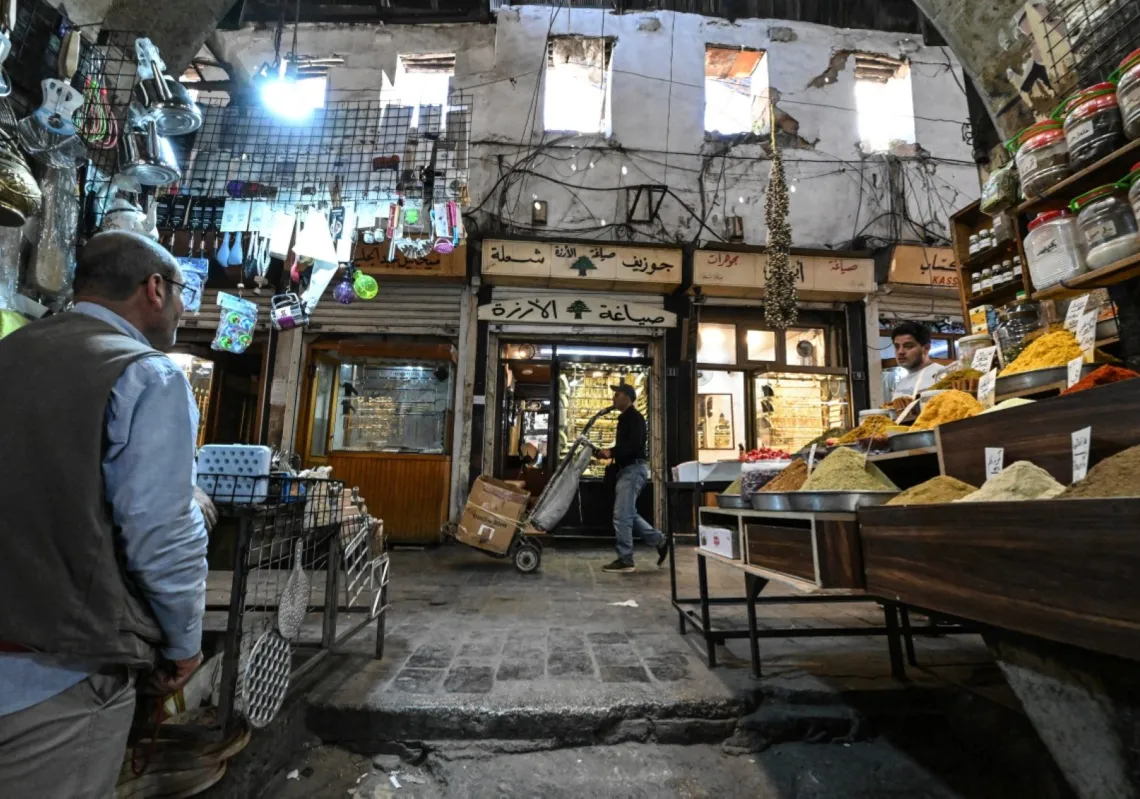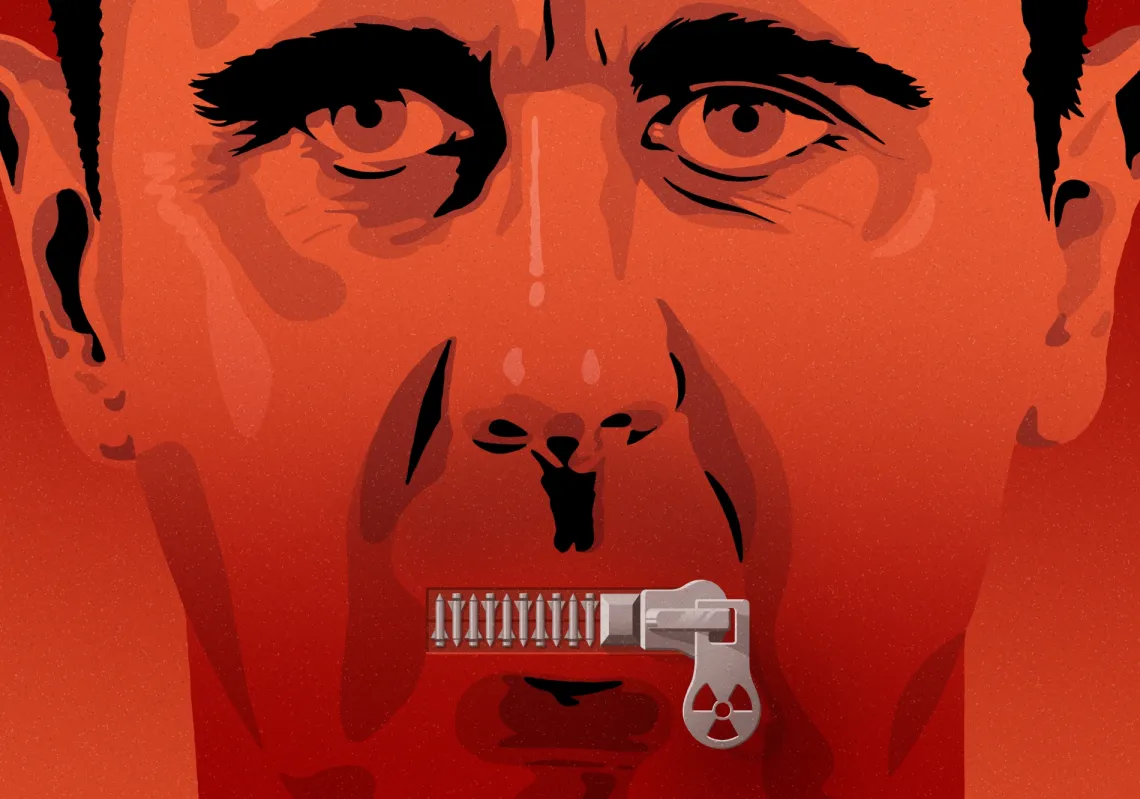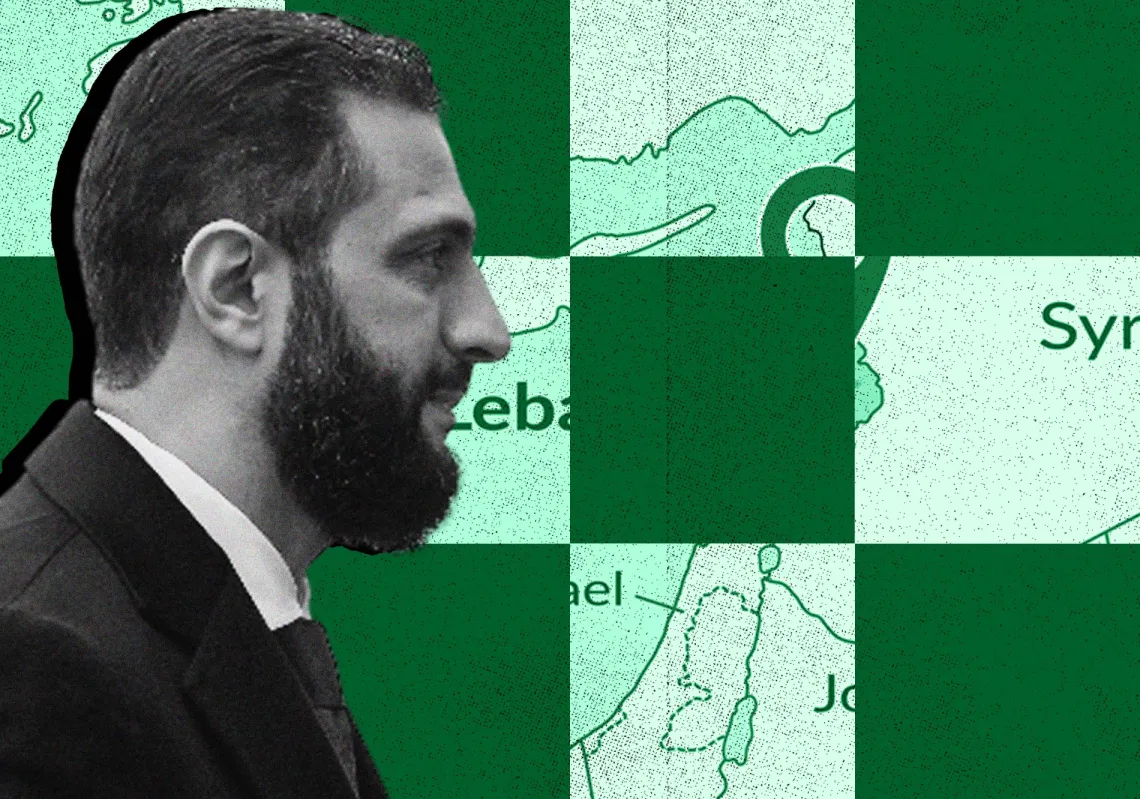

In Part 1 of a two-part interview with Al Majalla, Syria's foreign minister explains how the Assad regime fell and how President Ahmed al-Sharaa went from a wanted man to a world leader
Ambition is key to recovery, but so is realism about the road ahead. Lingering sanctions, legal ambiguity, poor transparency, and weak institutions continue to deter serious investment.
The Assads bound Syria to regional power plays far beyond its means. As the country embarks on a new path, hollow rhetoric must be replaced with a vision grounded in freedom, equality, and sovereignty
Since Trump began lifting sanctions in May, no time has been wasted. US investment delegations have been flocking to Damascus, and security cooperation has already started.
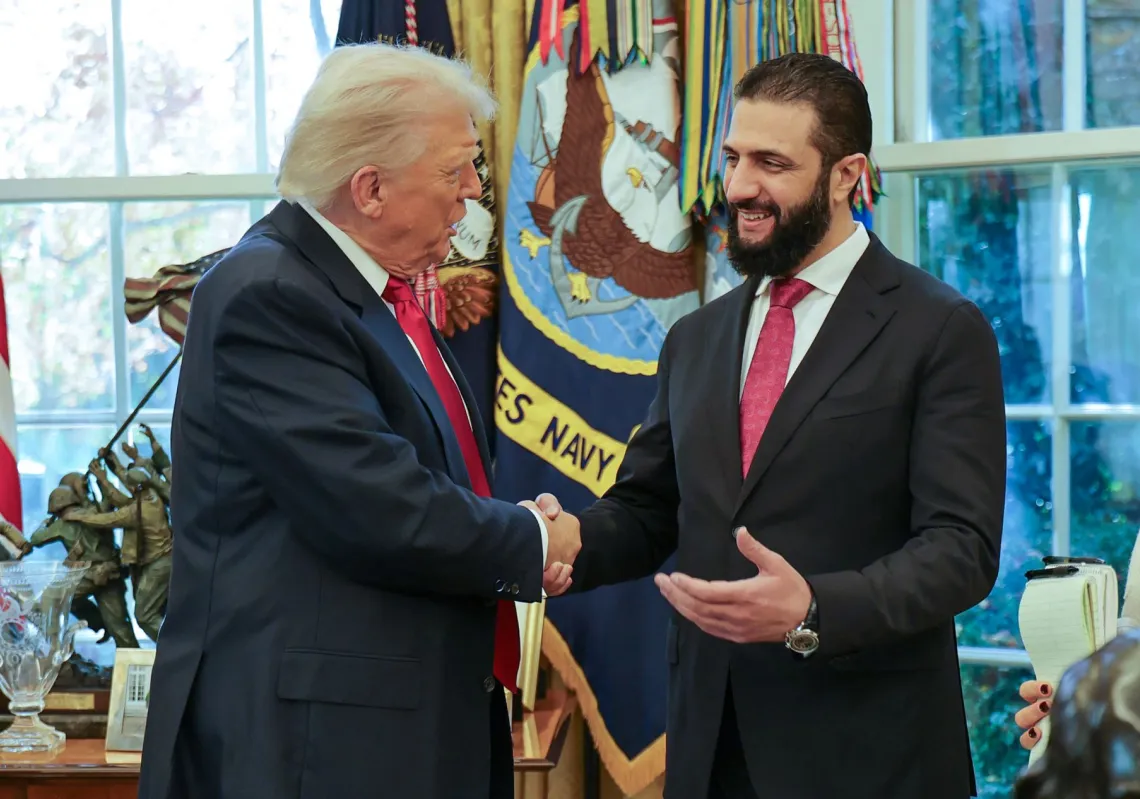
On Monday, the Syrian president shook hands with Trump at the White House. Speaking to Al Majalla, a former State Department official explains why this is a moment she could have never imagined.
In what could be a historic turning point in US-Syria relations, the new government in Damascus will likely join the international coalition against the Islamic State (IS)
Ahmed al-Sharaa will be the first Syrian president to be welcomed at the White House on Monday. From Nixon to Clinton, Al Majalla looks back at official encounters between the two states since 1945.
The Adana Agreement defused a crisis in 1998 on the brink of a military confrontation. As revision talks are underway, Al Majalla reexamines the agreement.
From kidnapping Venezuela's president to proposing the annexation of Greenland, Trump appears to be the most 'imperialist' leader the US has had in decades
From Yemen and Syria to Sudan and Libya, there is a concerted effort to reassert state authority and thwart moves toward the proliferation of quasi-states and fragmentation
A decisive Syrian military campaign, coupled with diplomatic pressure from Türkiye, the US, and Israel, has forced the SDF into a far-reaching integration deal with Damascus
This could be a decisive year for Beijing as long-running strategies collide with harsher geopolitical realities. The outcomes will shape global power balances well beyond 2026.