
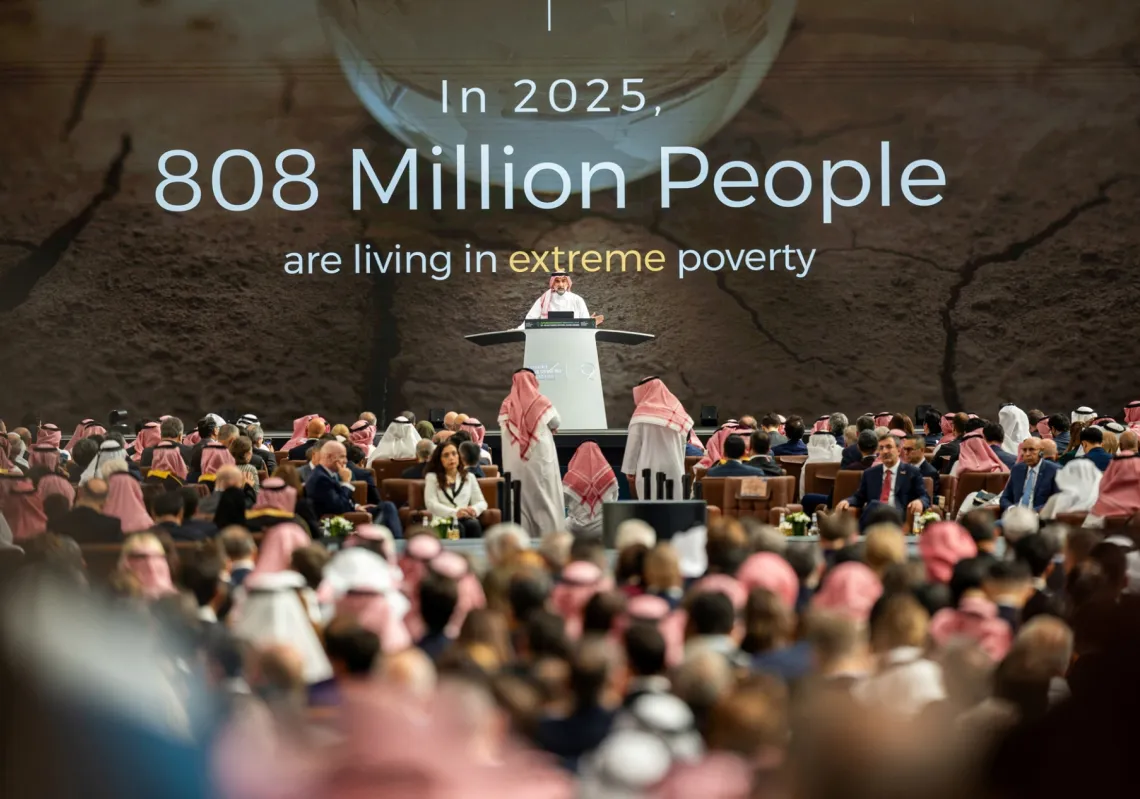
Now in its ninth edition, Riyadh's Future Investment Initiative has transformed from an investment forum into a geo-economic platform redefining how nations link peace, progress, and technology
It will be the largest gathering since the inception of the Future Investment Initiative in 2017, with 600 speakers set to address the four-day event and an impressive lineup of attendees
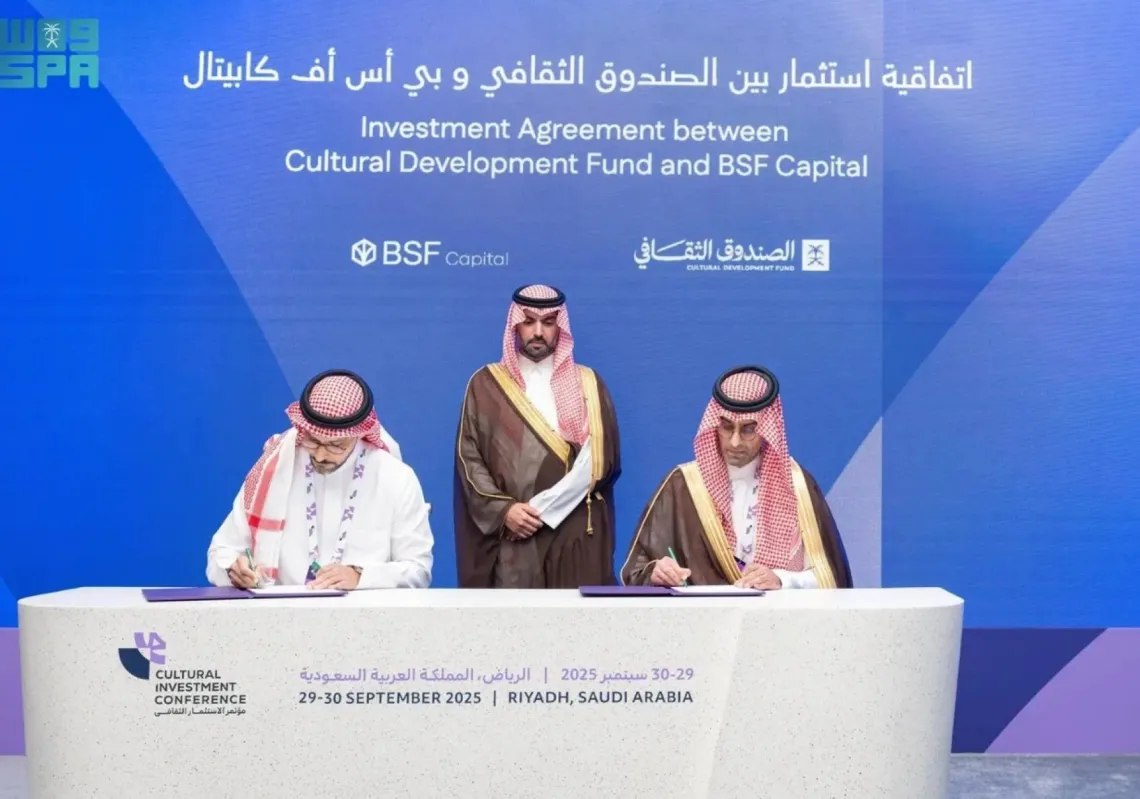
Strategic investments aim to stimulate the economy, attract tourists, and elevate culture and the arts in Saudi Arabia as part of the country's Vision 2030 goals
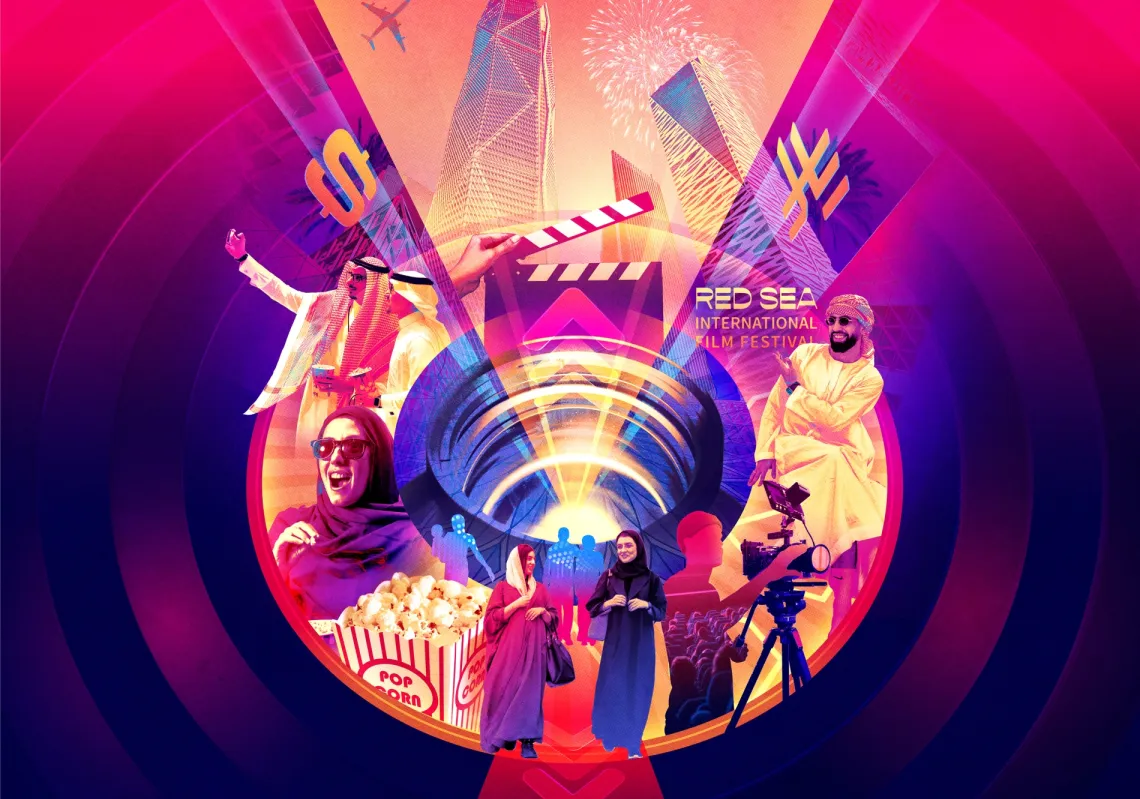
Whether in cinema or heritage, there are dozens of big cultural projects that investors are interested in, as the sector increasingly contributes towards growth and development.
The Future Minerals Forum has become one of the world's most influential gatherings in the minerals sector, uniting stakeholders around the shared goal of building sustainable mineral supply chains
The region's youth see themselves as active participants in developing their own countries. They want their voices heard and their talents recognised globally.
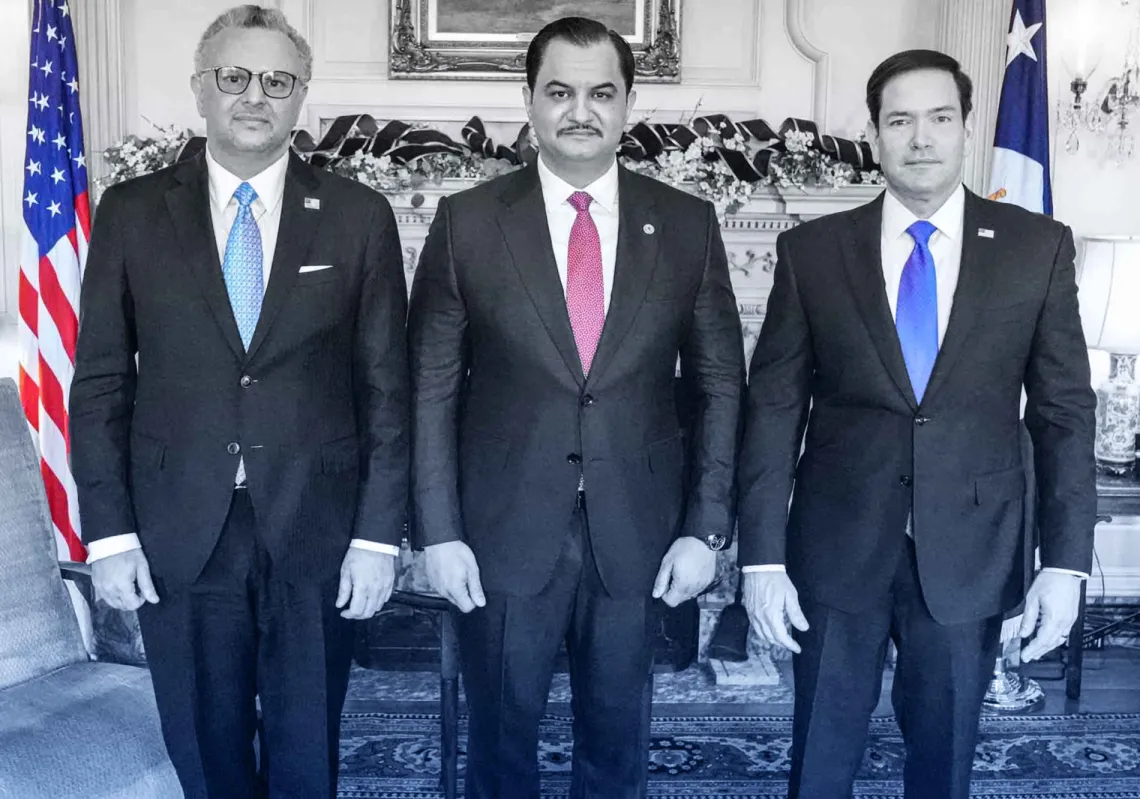
A string of deals ranging from defence to technology were signed in Riyadh worth at least $300bn, including the "largest military sales contract in history"
Ambitious targets are largely being met, with several areas exceeding expectations, but with foreign direct investment still less-than-hoped, there is still work to be done.
Saudi Arabia's Public Investment Fund is investing heavily in the US, but its domestic spending is set to reach $70bn in the next five years, which means it will have to carefully weigh its priorities
As support for Israel weakens across the US political spectrum, once-taboo questions about military aid, lobbying influence, and US backing are moving into the mainstream
Algeria is one of Africa's largest producers of hydrocarbons, and its proximity to customers in Europe makes it of growing interest as importers fret over a prolonged supply crisis from countries
Through extravagant processions led by palace women, the Mamluk state projected a message of power and prestige at home and abroad, turning the Hajj obligation into a soft-power tool