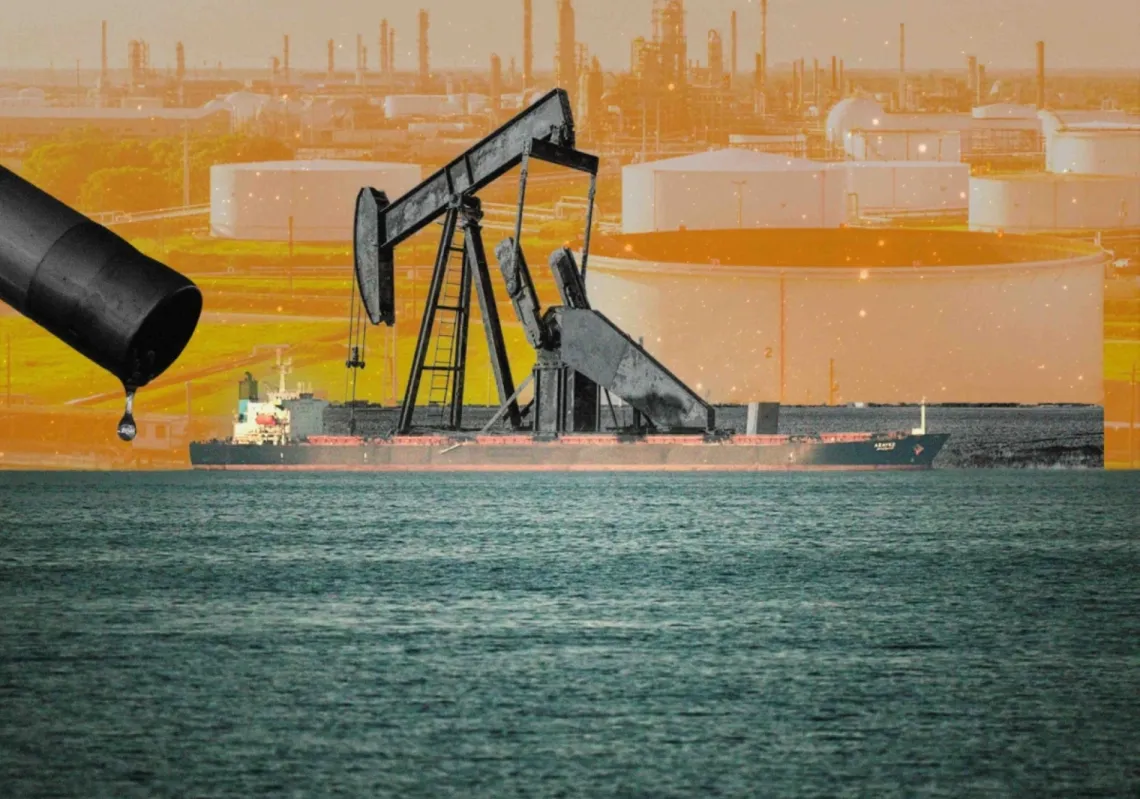
Some Gulf economies will contract by as much as 16% this year, but those with diversified revenue streams and sovereign wealth funds have a bit of a cushion
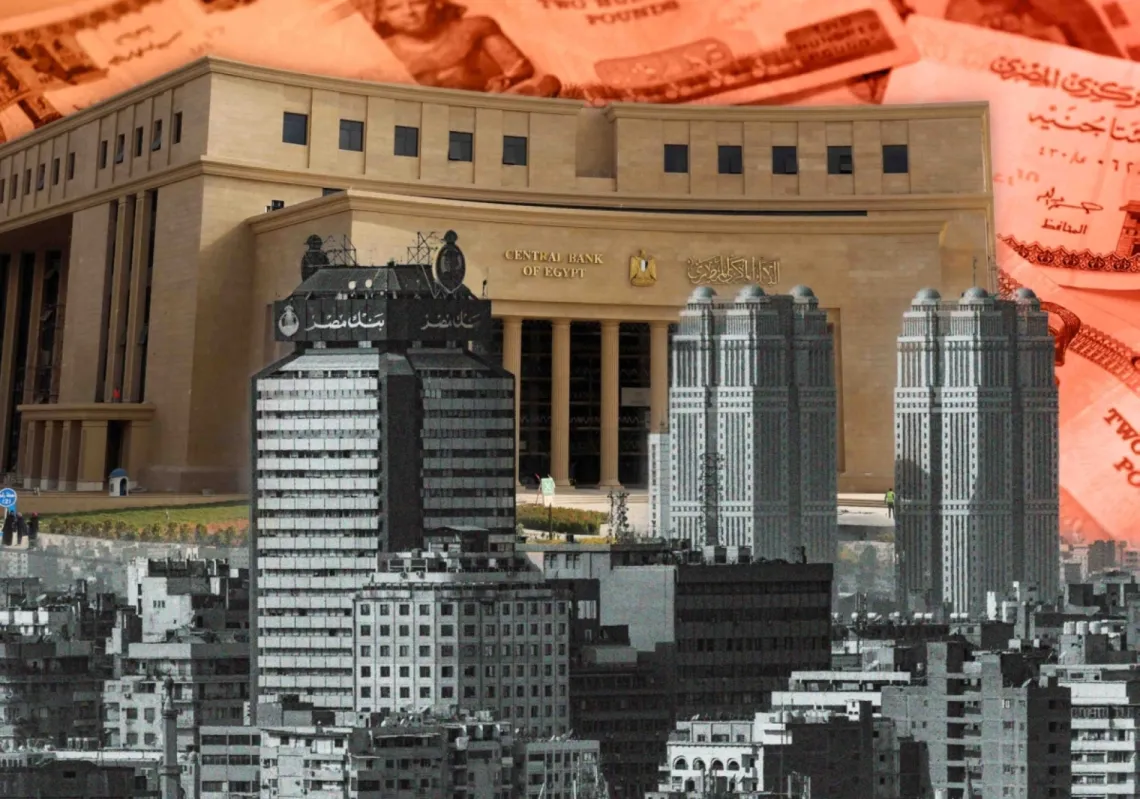
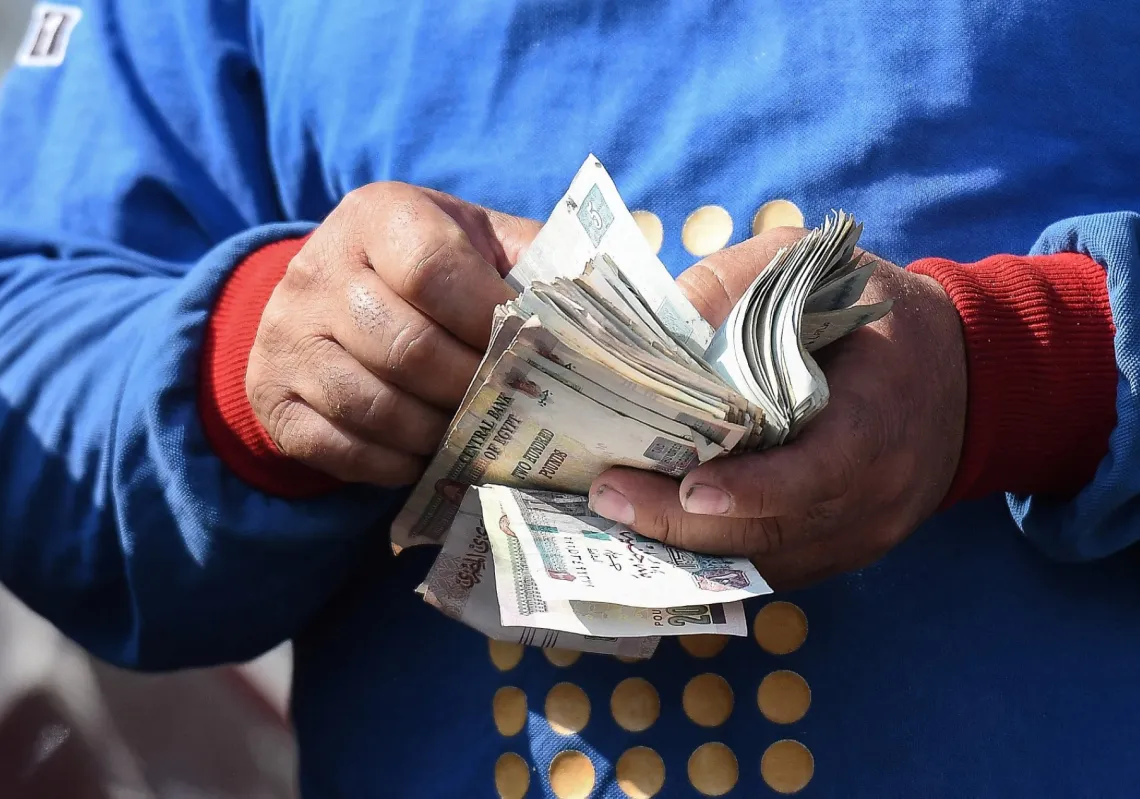
Saved from default in 2024, Egypt's macroeconomic policies and central bank flexibility have helped steady the ship amid the fallout of Israel's war on Gaza and the US war on Iran

With public and private liabilities worldwide estimated at a staggering $353tn and with many gearing up to borrow more, all agree that there is a problem, but few agree on how to solve it
Debt is colossal but there are promising indicators, not least in inflation, legal reforms, the sale of government assets, and monetary stability. Will these green shoots be allowed to grow and bloom?
There are positives within the latest review of Cairo's progress toward a further $1.3bn financial lifeline, but they come amid deepening economic problems at home, where the cost of living is rising
The Egyptian Pound is weak, and the country is losing income from Houthi missiles, causing ships to avoid the Suez Canal. The timing is bad, as Cairo asks the IMF for $750mn in loans.
Looming elections and populist politics seem to be behind the impasse over talks to agree reforms to unlock much-needed funds. Tunisia's credibility is being hurt by divisions within the government.
The IMF's stark failure to warn of a looming crisis in Lebanon reveals why it has long been controversial, alongside the characteristic shortcomings as the lender of last resort
Egypt, the world's second-largest IMF borrower, has managed to reach several agreements, yet failed to achieve reform goals in the process. Now, Egyptians are bearing the brunt.
Marrakech is hosting the annual meetings of the Bretton Woods institutions in October. This is after being unable to convene in Morocco in 2021 due to the COVID-19 pandemic.
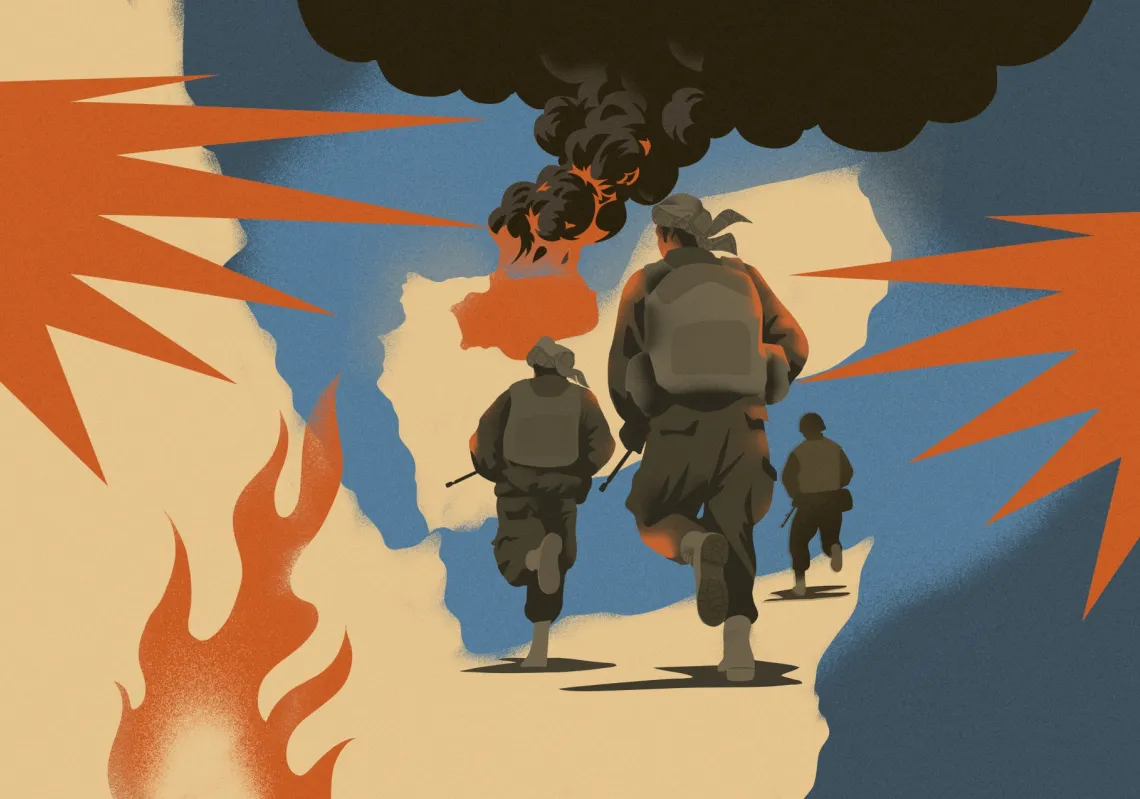
Despite the war's unpopularity, Trump seems determined to press on until he can claim a decisive victory, whether by diplomacy, force, or a combination of the two
A Democrat-majority Congress will clip his wings at home, but he will have far more freedom to act on foreign affairs, given the powers he still retains as commander-in-chief
French novelist Philippe Jaenada's novel 'The Unknown Woman of Quai de Javel' wins big, while the Prix Renaudot goes to François-Henri Désérable for his novel about an unlikely wine expert