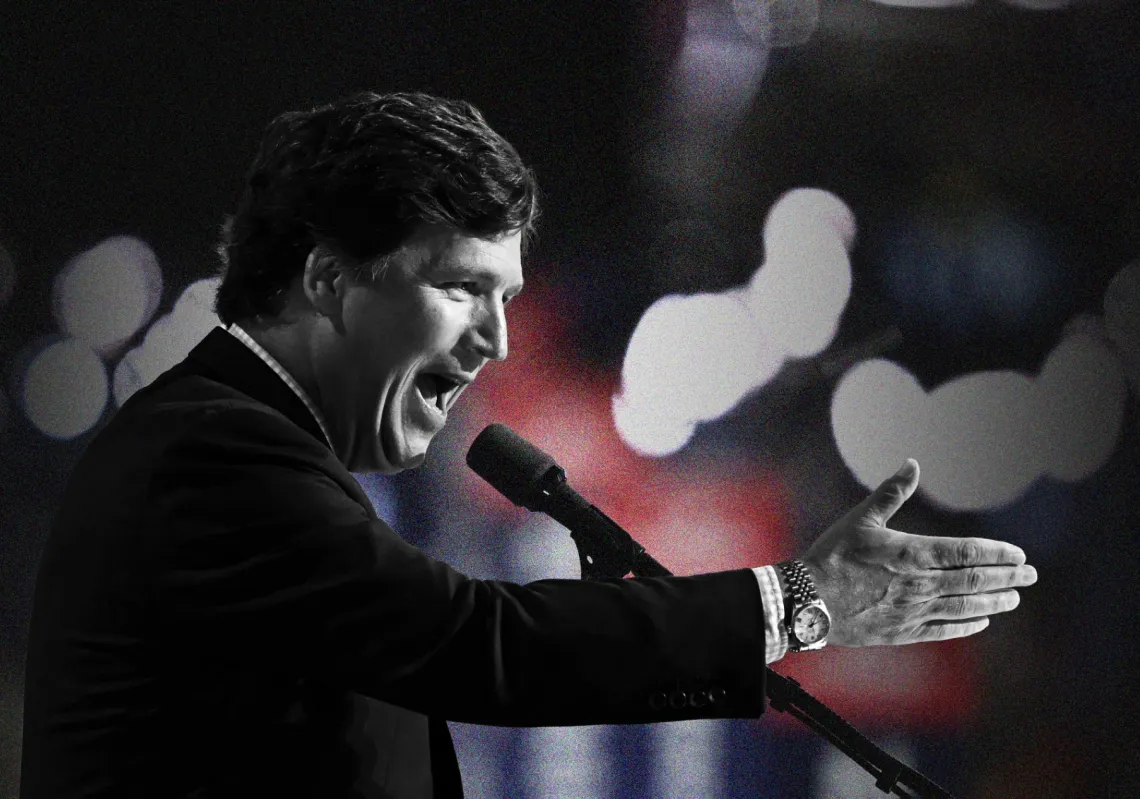
The former Fox News presenter, who now wields more influence over US politics than he did at the network from 2009-23, is now a vehement critic of Trump in recent months, in part over Israel
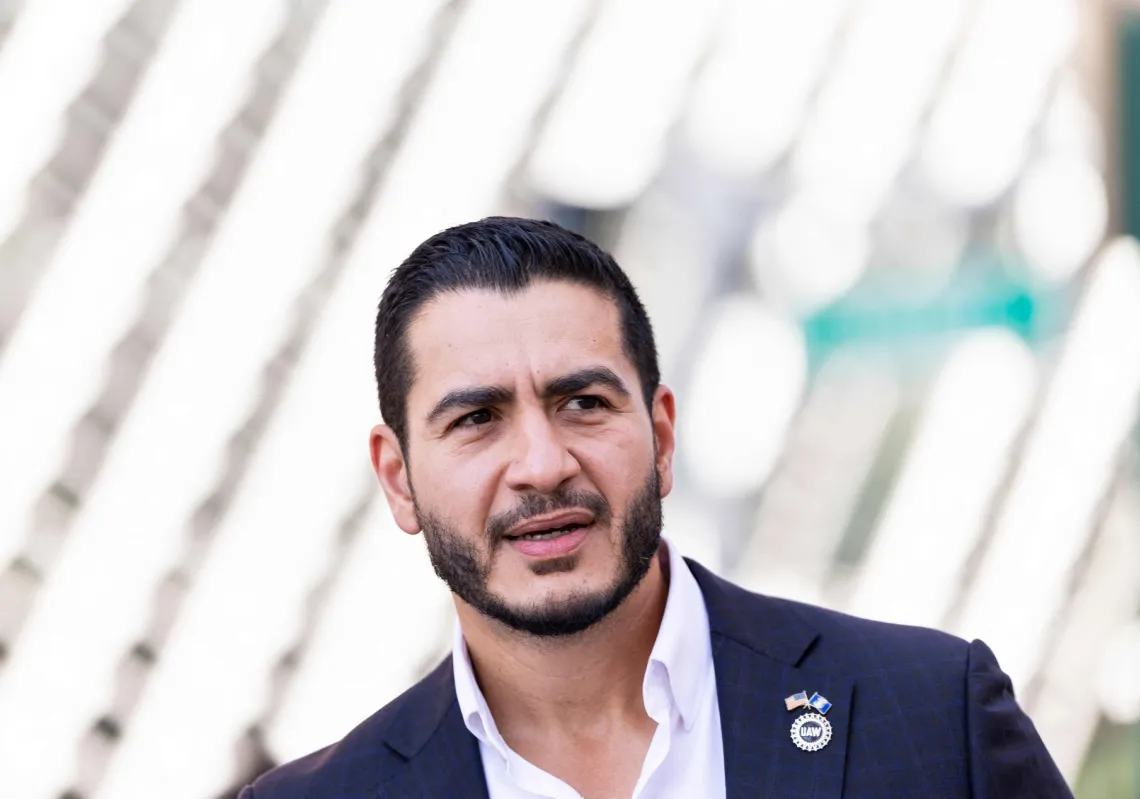
Come November, the Egyptian-American epidemiologist could become the first Muslim senator in US history, despite $70mn spent to defeat him in the Democratic primary
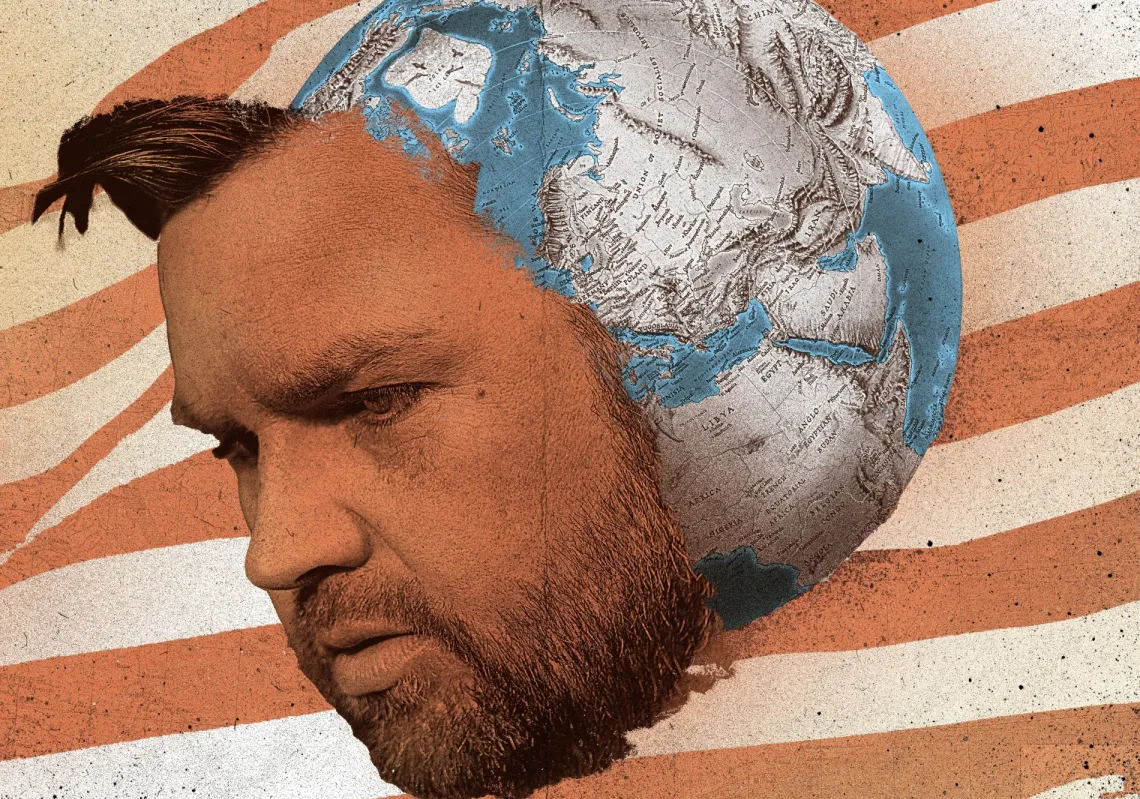
The Vice President accuses Israel of mounting a media campaign to shape American public opinion and influence American lawmakers. In doing so, he had broken a taboo
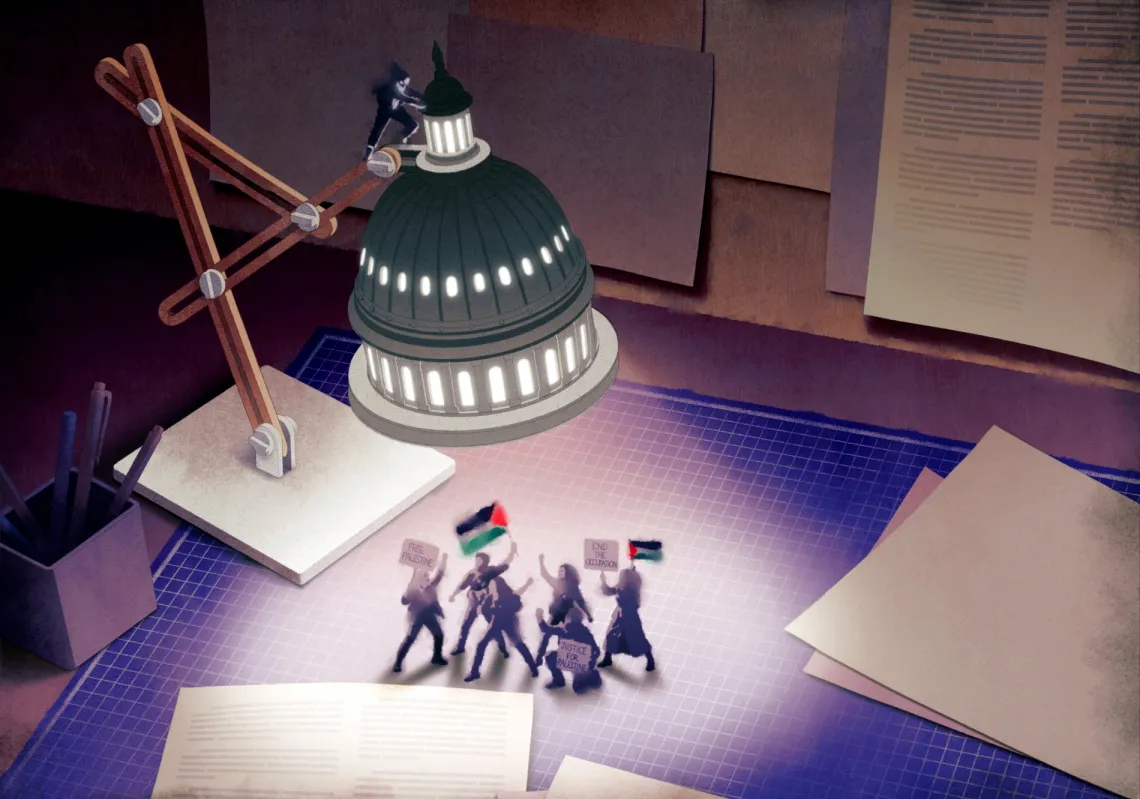
As support for Israel weakens across the US political spectrum, once-taboo questions about military aid, lobbying influence, and US backing are moving into the mainstream
A former Special Forces soldier picked by Trump for a senior intelligence position has just left his post, saying his boss has been duped into fighting for Israel. Who is he?
Until fairly recently, most Americans sided with Israel. These days, most side with the Palestinians. That will eventually influence US foreign policy.
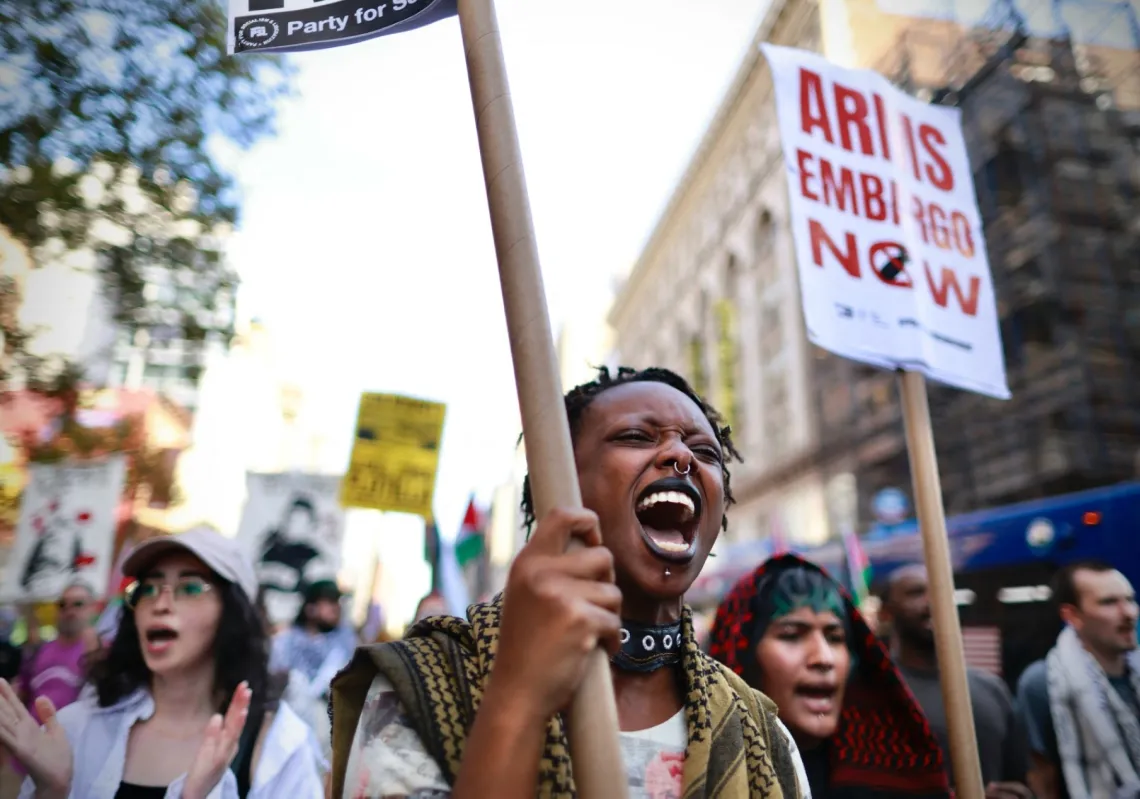
While the US public has long been supportive of Israel, its genocide in Gaza appears to have had a big effect, with most young Americans now outright hostile towards it
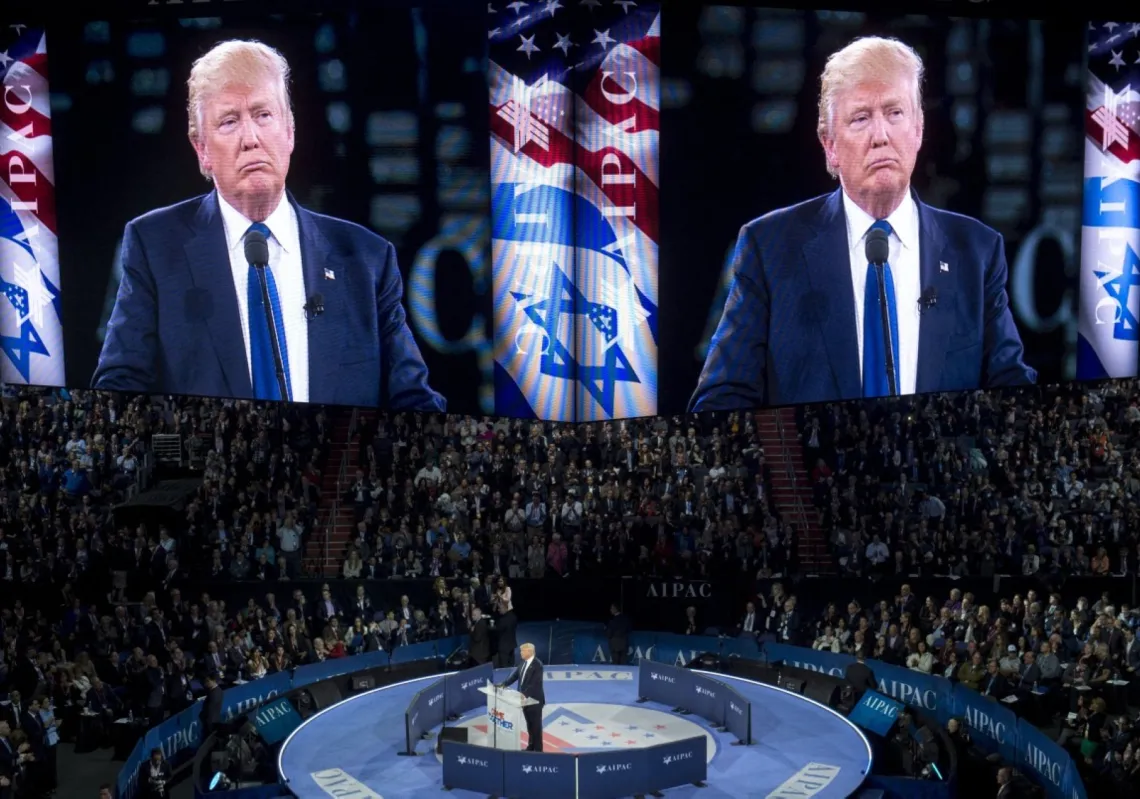
Pro-Israel lobby groups have an established track record of going after politicians critical of Israel. But their tactics don't seem to be working as effectively as before. Al Majalla explains.
The American CIA director's visit looks to be a desperate attempt by the Trump administration to avert a doomsday scenario in which NATO is pulled into a larger war with Russia
Al Majalla looks at his military career, political positions, possible paths to victory, and what a change in leadership could mean for Israel and the region after three years of war
As social media transforms how people seek medical advice, figures such as Barbara O'Neill offer something conventional medicine rarely can: absolute certainty
The Iran war exposed the risks of being too closely tied to US military posture, which is why some Gulf states are repositioning themselves not merely as consumers of security but as architects of it