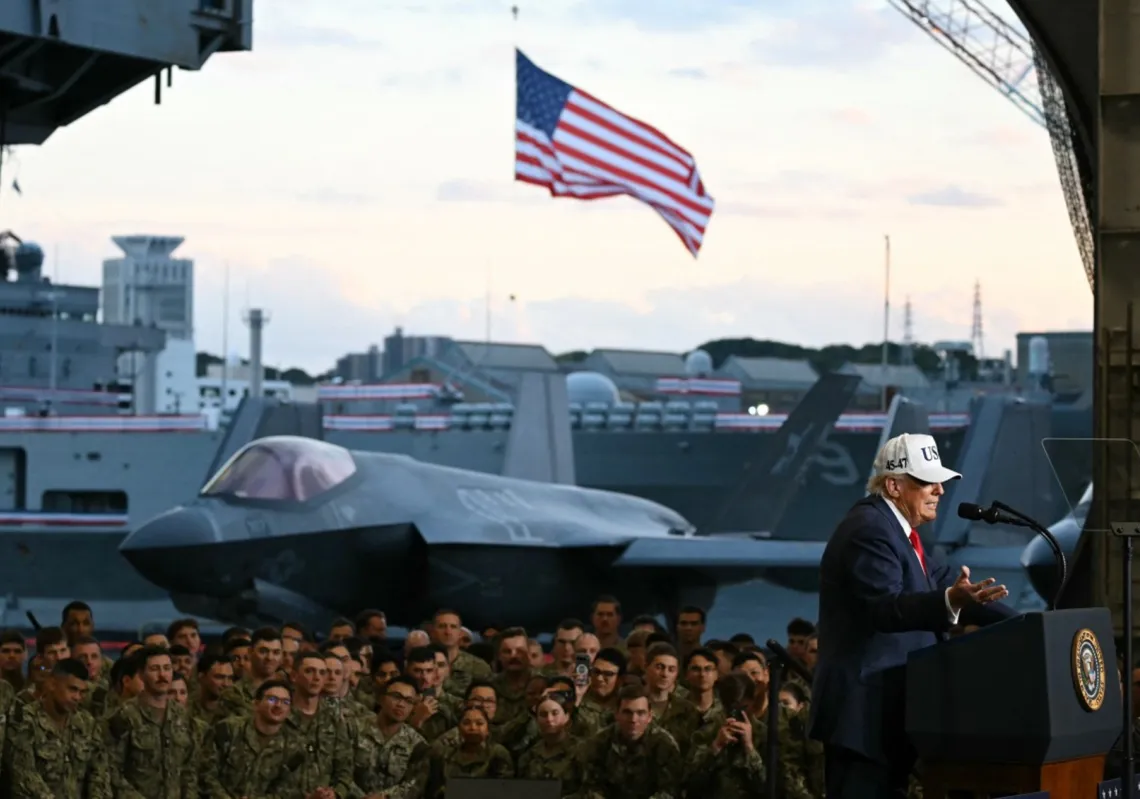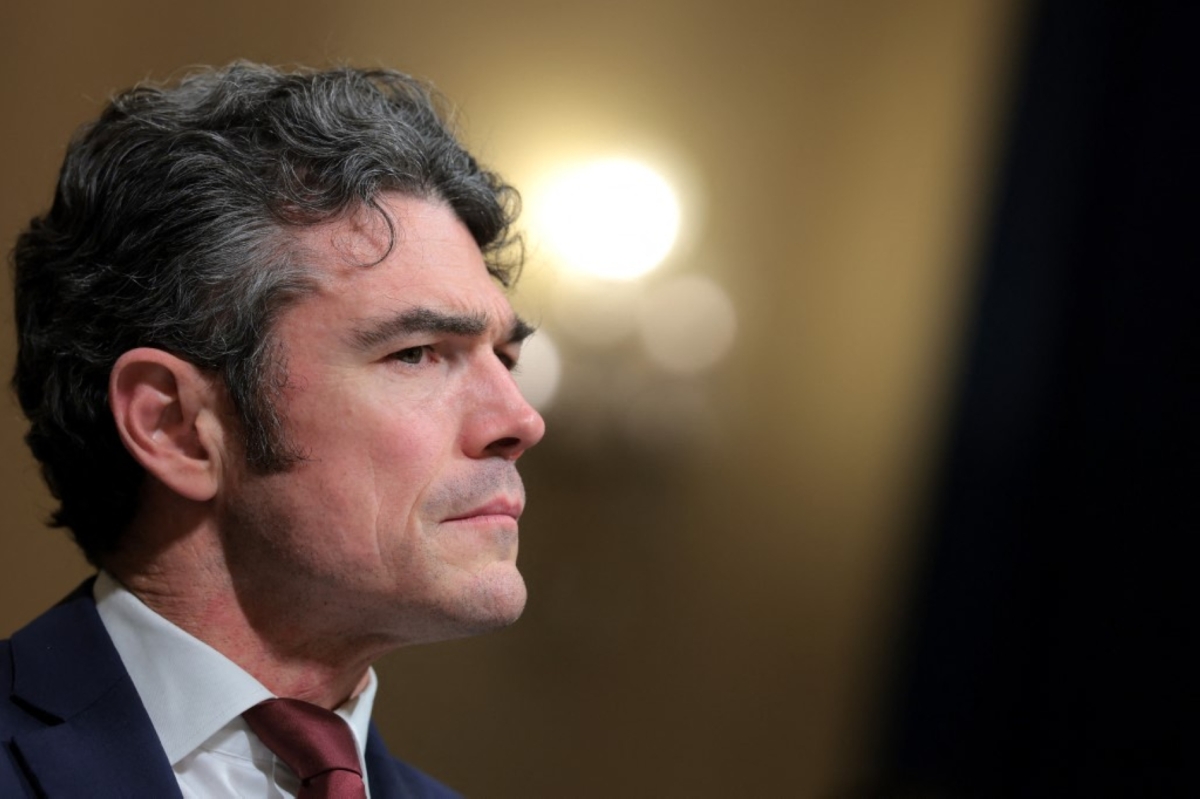

The very public resignation of Joe Kent, Director of the United States' National Counter-terrorism Centre, on 17 March 2026 sent shockwaves across Capitol Hill, not just because of his previous staunch support for President Donald Trump. Kent, a former Special Forces soldier and CIA operative, left his post in disagreement over US involvement in Iran, which he said posed no imminent threat to America. To many in Trump’s MAGA (Make America Great Again) movement, Kent embodies the spirit of the US military warrior.
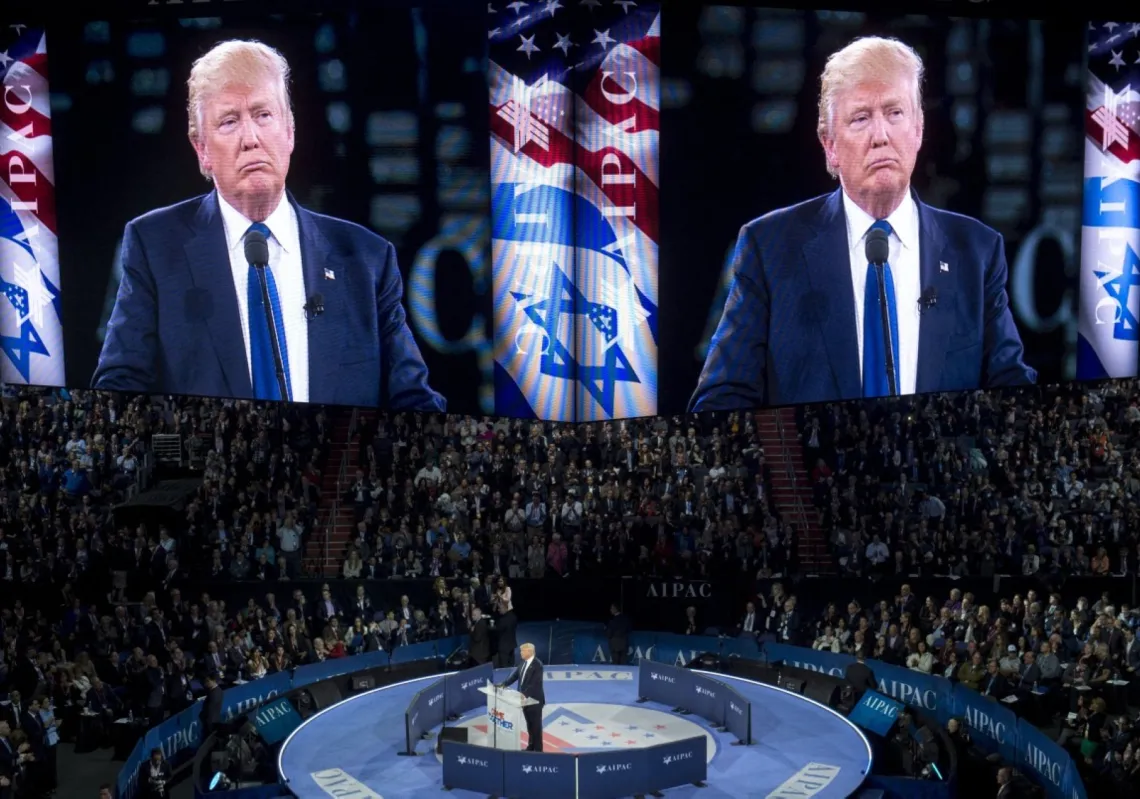
To those who know Kent and who have served with him, this was no surprise. American veterans have quickly grown disillusioned with the ‘forever wars’ that have cost the lives of their friends and colleagues. For Kent, this was made worse by the fact that he felt America was fighting “due to pressure from Israel and its powerful American lobby”.
Fighting for Israel
In a stunning and forthright rebuke, he asserted that the President—to whom he addressed his letter—had been hoodwinked into war by the Israelis, who had done so previously. “Early in this administration, high-ranking Israeli officials and influential members of the American media deployed a misinformation campaign that wholly undermined your America First platform and sowed pro-war sentiments to encourage a war with Iran,” Kent wrote.
“This echo chamber was used to deceive you into believing that Iran posed an imminent threat to the United States and that, should you strike now, there was a clear path to a swift victory. This was a lie and is the same tactic the Israelis used to draw us into the disastrous Iraq war that cost our nation the lives of thousands of our best men and women. We cannot make this mistake again.”
After much reflection, I have decided to resign from my position as Director of the National Counterterrorism Center, effective today.
I cannot in good conscience support the ongoing war in Iran. Iran posed no imminent threat to our nation, and it is clear that we started this... pic.twitter.com/prtu86DpEr
— Joe Kent (@joekent16jan19) March 17, 2026
Kent, 45, lost his wife, Shannon, in an Islamic State (IS) suicide bombing in northern Syria in 2019. She was a military intelligence operative. Kent referenced her death in his letter, saying she died in a war that was “manufactured by Israel”. The current assault on Iran, he added, “serves no benefit to the American people nor justifies the cost of American lives”. He signed off by asking Trump to “reflect on what we are doing in Iran and who we are doing it for”.
Behind enemy lines
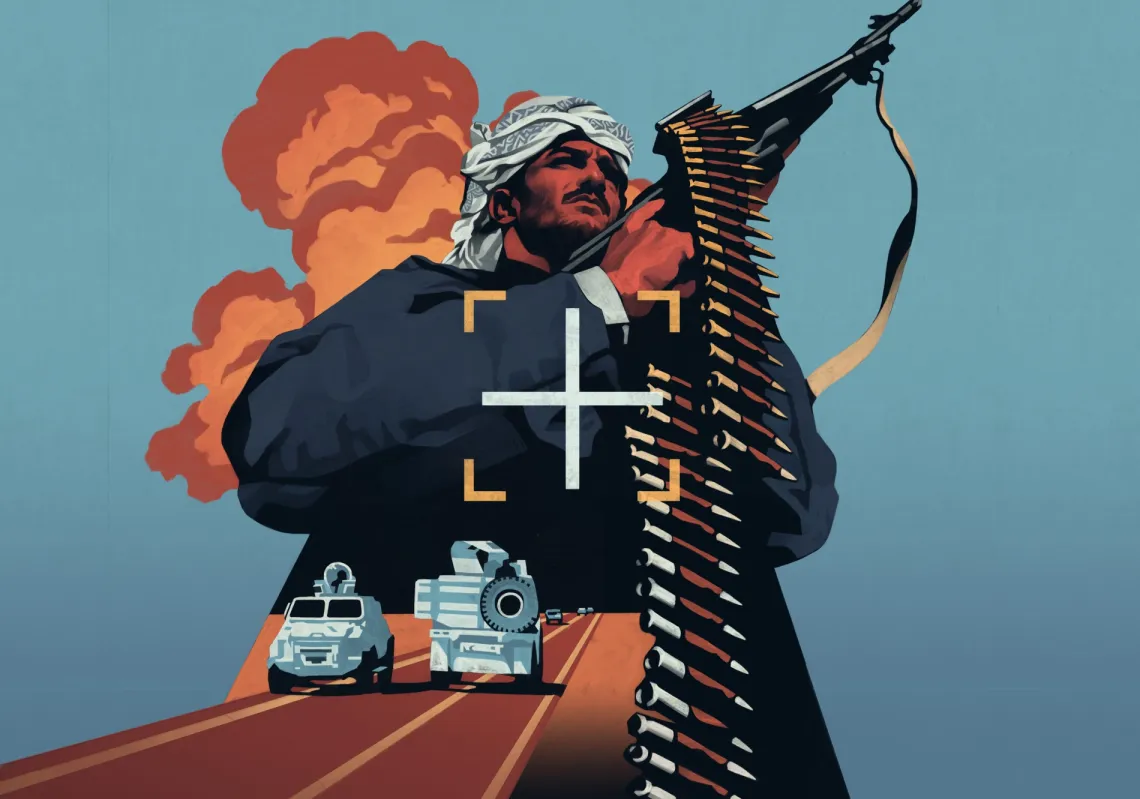
Like many boys from American military families, Kent grew up with depictions of daring US soldiers fighting behind enemy lines, in particular the role of Special Forces in Somalia in 1993, known as the Black Hawk Down incident. Special Forces personnel historically take on the most difficult missions, which can involve long periods of time on their own or in small groups, typically in hostile territory, whether in the mountains or the desert.