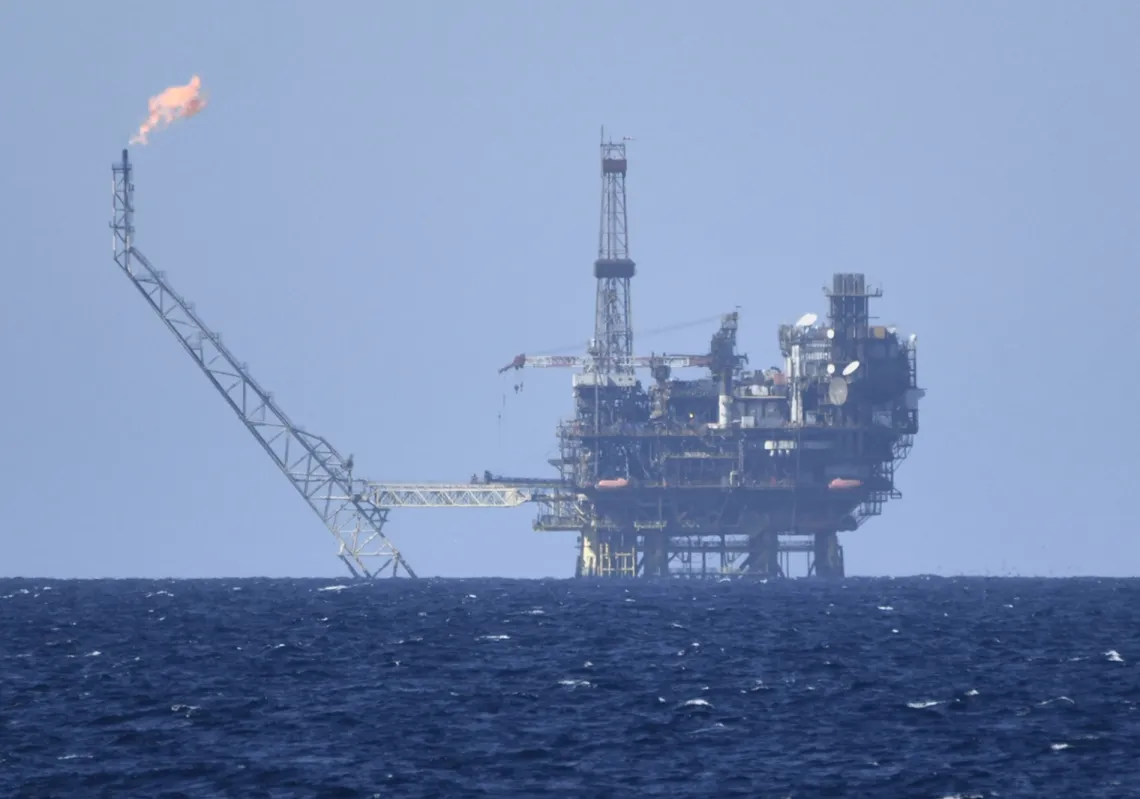
Türkiye's 2019 agreement with Tripoli on maritime boundaries and exclusive economic zones in the Mediterranean irked Athens at the time. The idea that Tobruk may ratify it has set off Greek alarms.
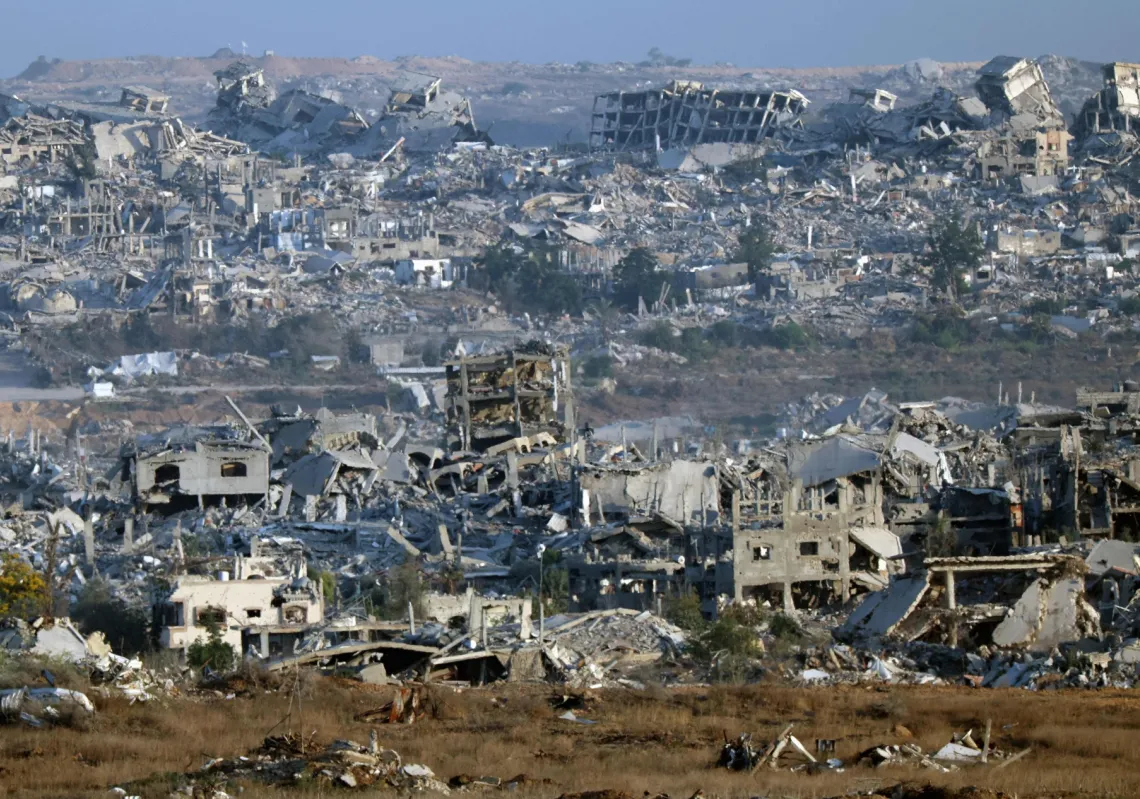
For Benjamin Netanyahu, it would be a 'humanitarian zone'. For most countries, it would be a war crime. For Egypt, it could be the straw that breaks the camel's back.
Peace with Israel had crossed the Egyptian president's mind as early as 1952, when he engaged in secret negotiations with Israel, which ultimately failed
The Israel-Iran war threatens the country's energy security, foreign currency reserves, tourism, and investment. There are Plan Bs but none are attractive, and the situation could yet get worse.
If Israel wins, it will likely move ahead with implementing its plan to push Palestinians out of Gaza, which could lead to a war with Egypt. If Iran wins, its proxies could further divide the region.
These days, Cairo looks more to Beijing and Moscow than to Washington, a policy change with its roots in the toppling of Hosni Mubarak more than a decade ago.
A conversation between a jaded Abdel Nasser and a starry-eyed Gaddafi has gone viral because of its striking relevance to the debates of today. The leaders have changed, but the perspective remains.
There are competing visions for Gaza, from a 'riviera' without Palestinians to a rebuilt enclave run by Palestinians for Palestinians. Until then, thousands are still being killed.
The American CIA director's visit looks to be a desperate attempt by the Trump administration to avert a doomsday scenario in which NATO is pulled into a larger war with Russia
Al Majalla looks at the former army general's career, political positions, possible paths to victory, and what a change in leadership could mean for Israel and the region after three years of war
As social media transforms how people seek medical advice, figures such as Barbara O'Neill offer something conventional medicine rarely can: absolute certainty
The Iran war exposed the risks of being too closely tied to US military posture, which is why some Gulf states are repositioning themselves not merely as consumers of security but as architects of it