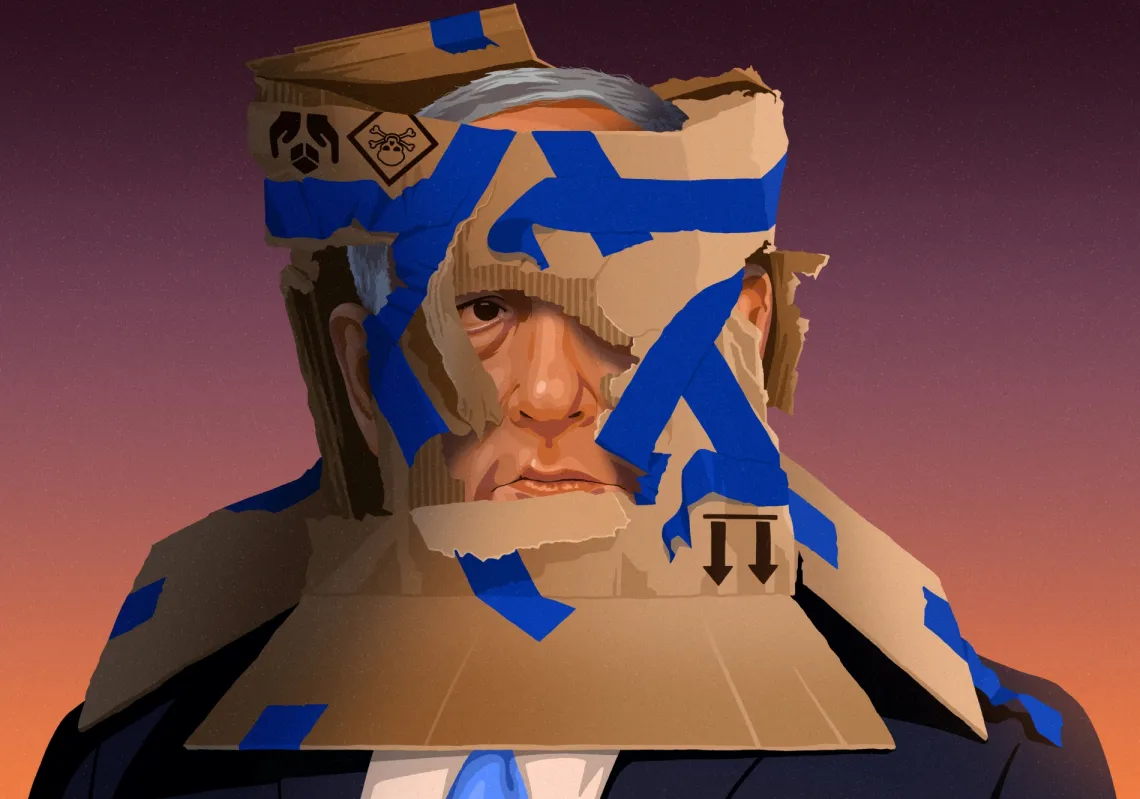
The gloves are off in cyberspace, with Israeli and Iranian actors increasingly targeting their adversaries' vulnerabilities since the 12-Day War last month. It is forcing a rethink of digital defence.
Images of rocket trails, explosions, and destruction were broadcast worldwide, but a quieter war in cyberspace was also being waged, and it was no less important
The company is the cornerstone of federal IT, but there are big questions, including in Congress, over its ability to cope with cyberattacks from Russia and China
A relatively recently formed part of the group has had a rapid rise and significant success in gathering intelligence and breaching digital defences despite a series of assassinations of its leaders.
Military strategists have long warned that war should be waged only if those waging it know what they want to achieve. Herein lies a problem: Washington's war aims in Iran are incoherent.
Tehran isn't likely to easily fold if/when Trump attacks. This means that the longer a military confrontation drags out, the more untenable Washington's position becomes.
The conflict has forced Russia to scale back its global footprint and NATO to boost its defence spending. Meanwhile, China and Middle powers have emerged as key beneficiaries.
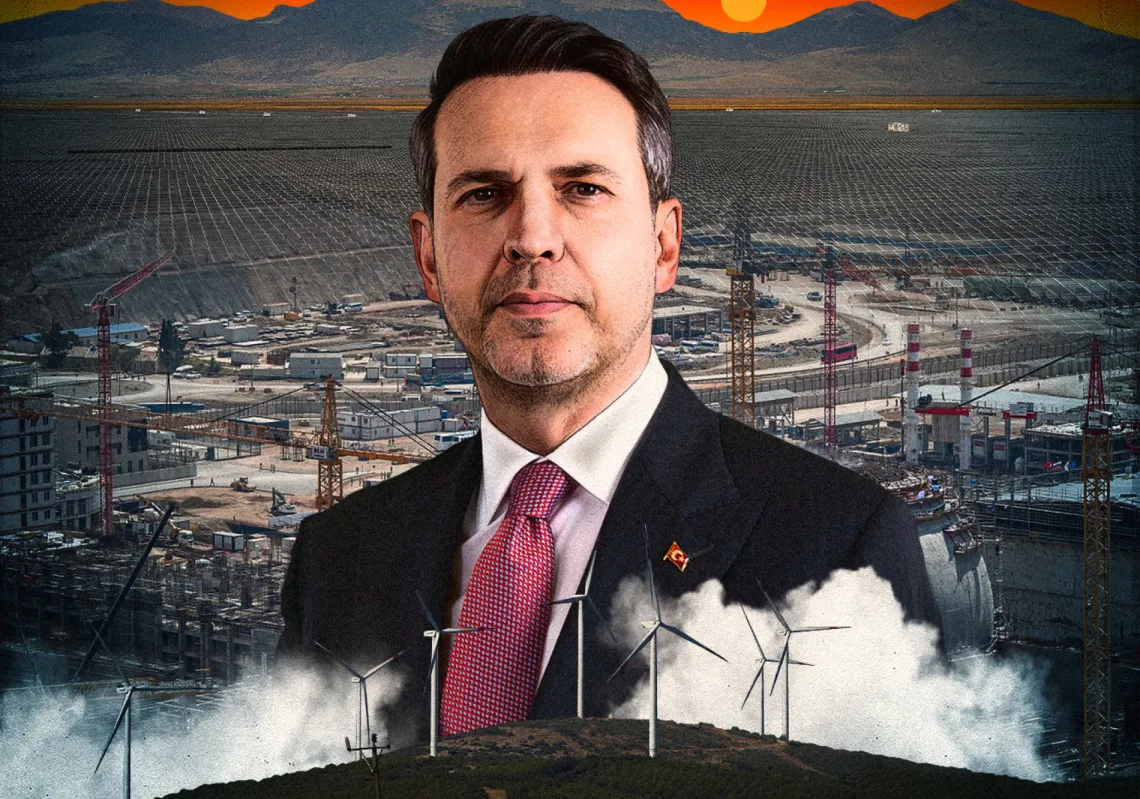
Natural resources like solar, wind, and water are set to provide 36% of global electricity production this year. Even for sceptics like Donald Trump, the trends are unmistakable.
Some point to his possible links to Mossad through his associate Ghislaine Maxwell, whose father was a known Israeli spy, and assert that he blackmailed powerful figures to exert influence
Al Majalla - London
Sign up for the Weekly Newsletter
Get the best of Al Majalla, straight to your inbox.