Using information from well-placed sources both in Syria and outside, Al Majalla pieces together events in those 11 momentous days that toppled Bashar al-Assad's regime, shaking Syria and the region
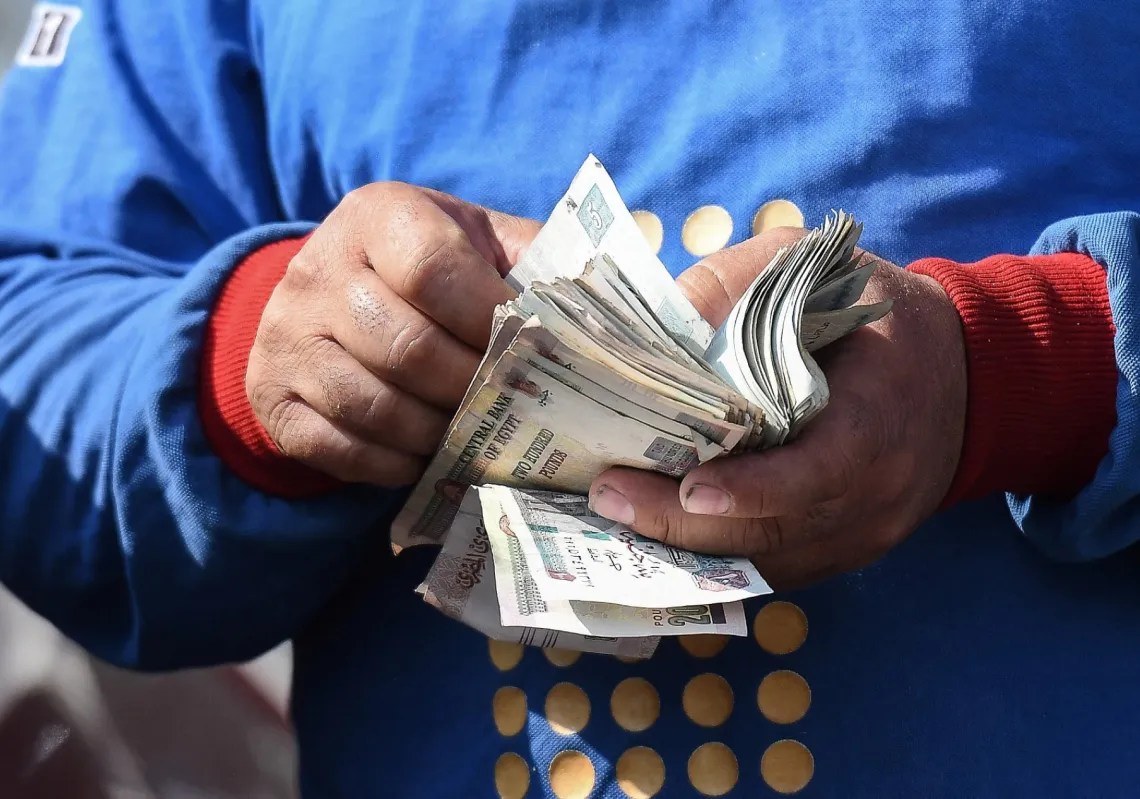
Regime change brings an opportunity to raise living standards, which have collapsed along with the national currency and years of war. The transition of power will be key.
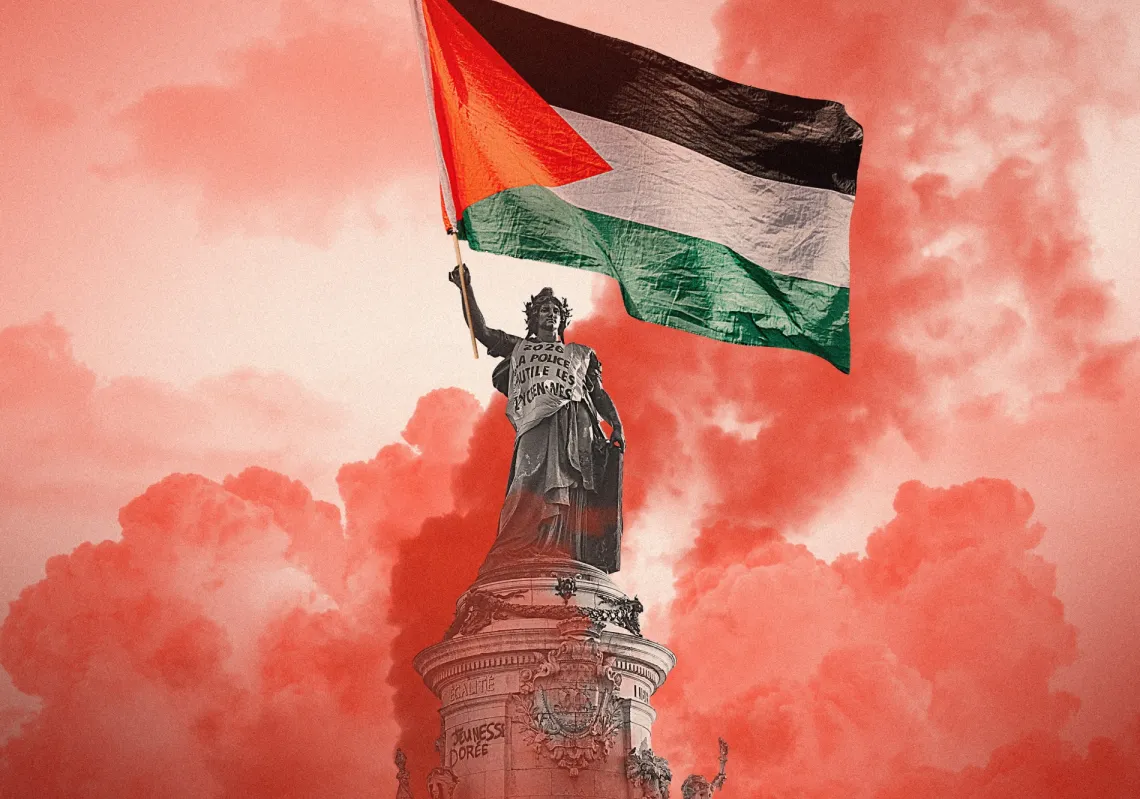
In its public statements, the Syrian government has long supported the Palestinian cause. In reality, the Assads sought to stymie the PLO, whose famous leader, Yasser Arafat, never trusted Damascus.
Russia's claim of being a steadfast guarantor of security for allies has been dented, which could affect its expansion into Africa and Latin America and strain its ties with Central Asian countries
The end of Assad's rule also means the end of his influence in Lebanon, and Lebanese politicians who served the interests of Damascus for decades could see their power drastically curtailed
Unravelling the horrors perpetrated in the darkest corners of Syria's prisons is chilling, nauseating, and crucial to understanding how this infernal machinery came into being—and continued operating
Syrians are rejoicing over the overthrow of a despised dictator, but it could still be some time before they genuinely reap the benefits of liberation. The coming months will be telling.
A flag that has become synonymous with opposition to Assad rule was actually the flag of the first Syrian Republic under French mandate. Al Majalla debunks regime lies about what this flag represents.
Any agreement that restores traffic through the strait will bring immediate relief, but repairing the damage wrought by war—and restoring confidence—will take far longer
As states race to embed algorithms in systems of reconnaissance, targeting, air defence, and military decision-making, a new layer of risk is taking shape