Tunisia’s path is not yet clear, either to Tunisians or to the world. The country that lit the flame on the Arab Spring is at a crossroads. The threat of authoritarianism has once again reared its…
The geopolitical balances of the world are changing and so does the geopolitical balance of the Middle East region. One of the key indicators of this change is the rising profile of Israel as an…

For better or worse, the Middle East and North Africa (MENA) region is rapidly transitioning into a new geopolitical structure, with new centers of influence and diverse agendas of individual and…
In a few days, Egyptians will be celebrating the eleventh anniversary of the popular revolution that erupted on January 25th, 2011 and brought down the thirty-year-old dictatorship of Mubarak regime…
The humanitarian role played by Saudi Arabia in supporting Yemeni people since 2011 is not limited to the last decade that witnessed widespread chaos in the region, including Yemen. Historically,…
It is hard to believe that eleven years have already passed since the tough, but inspiring, Arab Spring revolutions that forever changed the face of the Middle East. Although the triggers that…
If we are familiar with the history of the societies of the Arabic-speaking Middle East region...
If we know that the collective mind of its peoples still can’t consider religion to be a personal…
It is impressive how the war-torn Libya is still insisting on standing again on its feet as a strong sovereign state, despite the severe internal divisions and hefty external interventions. In about…
Time and experience have proven that Egypt is, by far, the most important strategic partner for the United States in the most complicated and misunderstood region of the Middle East. Although it took…
The Muslim Brotherhood is, currently, struggling through one of the most shaking existential crises in its history. The fight between the elders over the ailing body of the group, which has not…
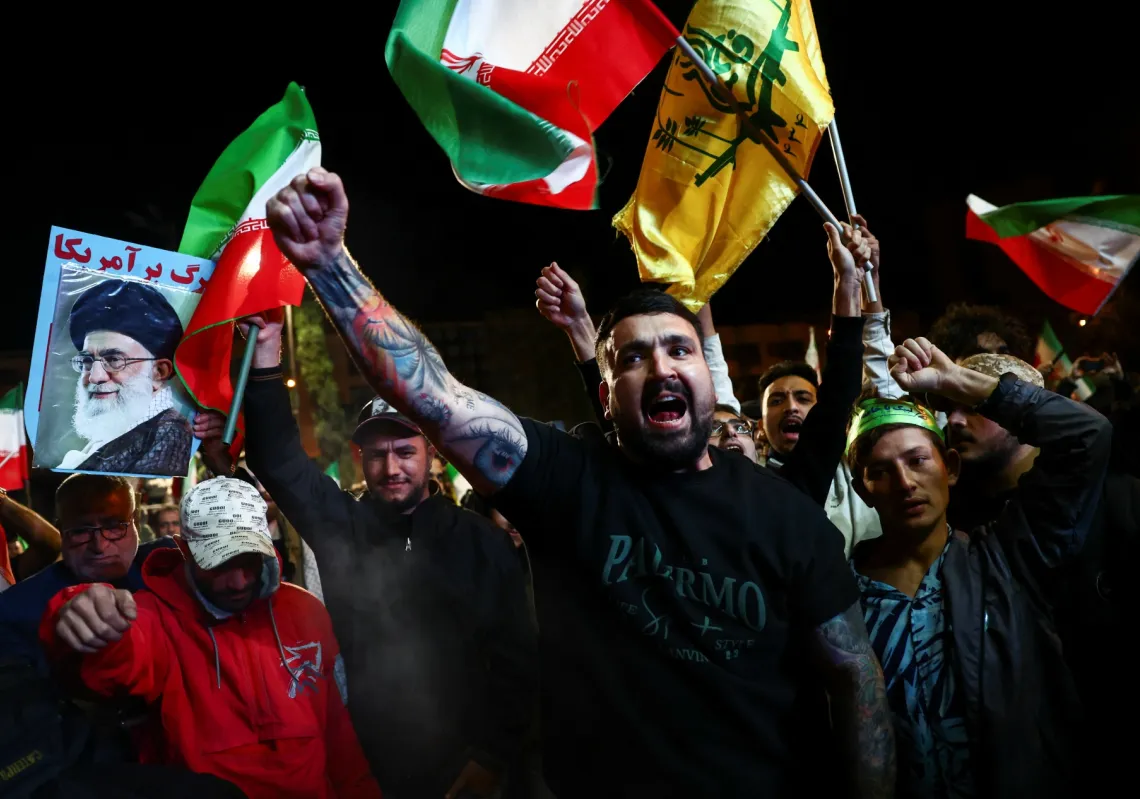
The standoff in the Hormuz is not simply a question of whether Tehran can survive economic pressure, but whether Washington can sustain the pressure at an acceptable cost.
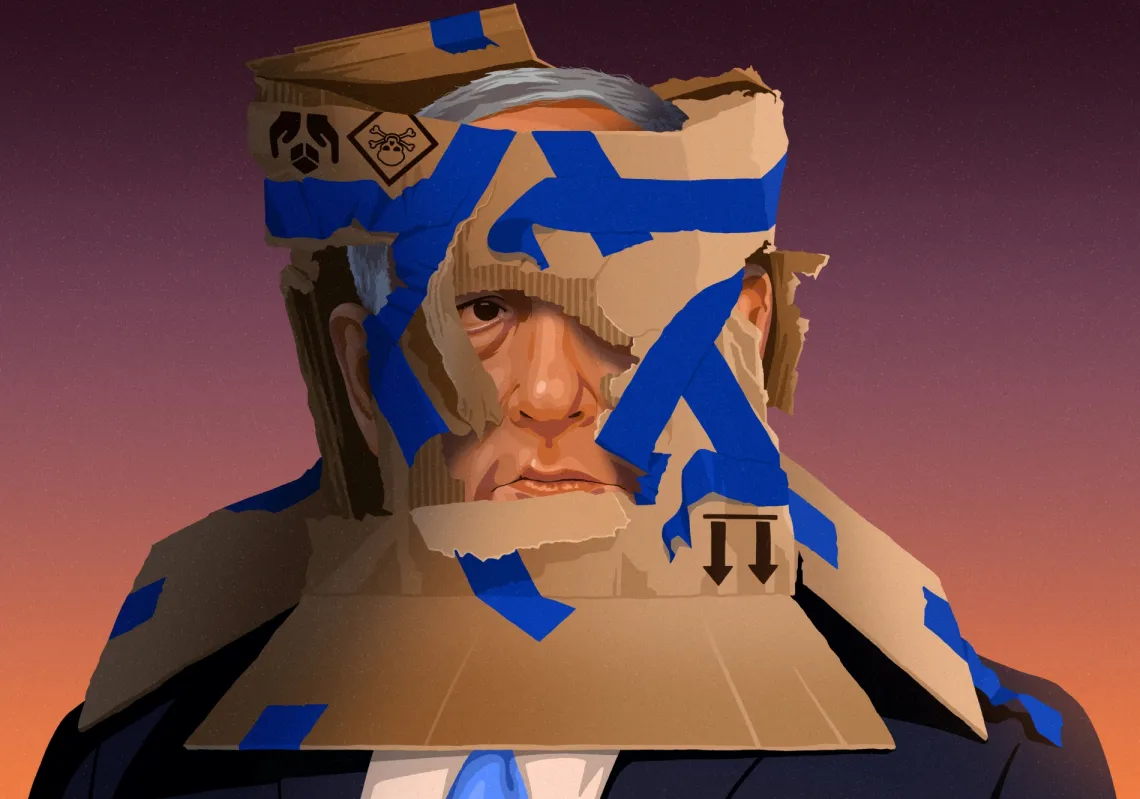
Many Israelis actually believe that they lost the war, with opposition leader Yair Lapid accusing the Israeli premier of having led the country into "strategic collapse and diplomatic catastrophe"
The Strait of Hormuz is now poised to become the primary arena of confrontation, with Iran relying on speedboat-driven guerrilla warfare to confront the US navy.
Former regime soldiers are stuck in limbo, as their undocumented status prevents them from working, travelling, and curbs family members' access to education, healthcare and social services