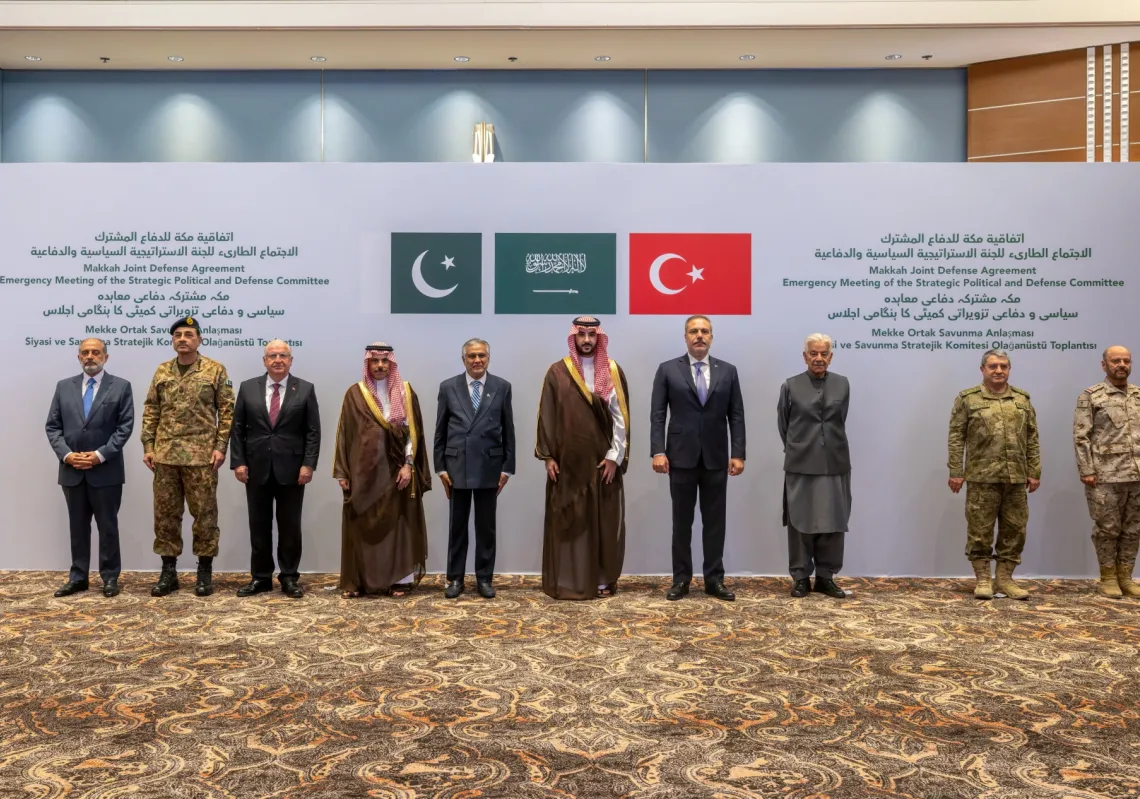
The Arab-Israeli conflict is arguably one of, if not the most, complicated conflicts of the modern age. It is also quite a unique conflict in many aspects, while there are regional…
In 1994, Ibrahim Dogus came to the UK at the young age of 14. His parents were Kurdish refugees from Turkey and like most migrants, they hoped to start a new life in their new homeland. Despite…
Early Life
Akihito was born on December 23, 1933, to Emperor Shōwa(Hirohito) andEmpress Kōjun in the Tokyo Imperial Palace. Despite the fact that he was…
The Strait of Hormuz is strategically vital as most of the oil in the region is transferred to Europe, North America, and Asia via the waterway. Since the end of the Second World War, there have been…
We often forget that the Internet is not as wireless as it seems. Most online data still flow through physical fiber-optic cables laid out across several hundred thousand miles of ocean…
Iran has recently been revisiting a familiar threat: to block the vital Strait of Hormuz. On April 22, the United States announced it would end sanctions waivers for countries importing oil…
As the United States increases sanctions on Iran and its proxies, conventional debates surrounding Hezbollah’s designation as a partner or proxy of Iran have resurfaced in Beirut and…
Like its friend across the Atlantic Sea, the United Kingdom has had a long history of a two-party democratic system. While today people associate the two-party system with the Conservative Party and…
While all the effects of this conflict may take time to fully realise, short and medium-term signs expose the limits of US power and see America's rivals benefiting
Closing the Strait of Hormuz has shown how the Gulf should shift from an oil-export model to a digital and distribution hub. Will this trigger the long-delayed free trade agreement with China?
Building on the ten-day ceasefire announced by US President Donald Trump, time will tell if these talks are a one-off or the beginning of a different path for Lebanon.
Egyptian heritage researcher Haytham Abu Zayd sheds light on how the art form grew, excelled, and then declined over the years and ends by offering a path to revival