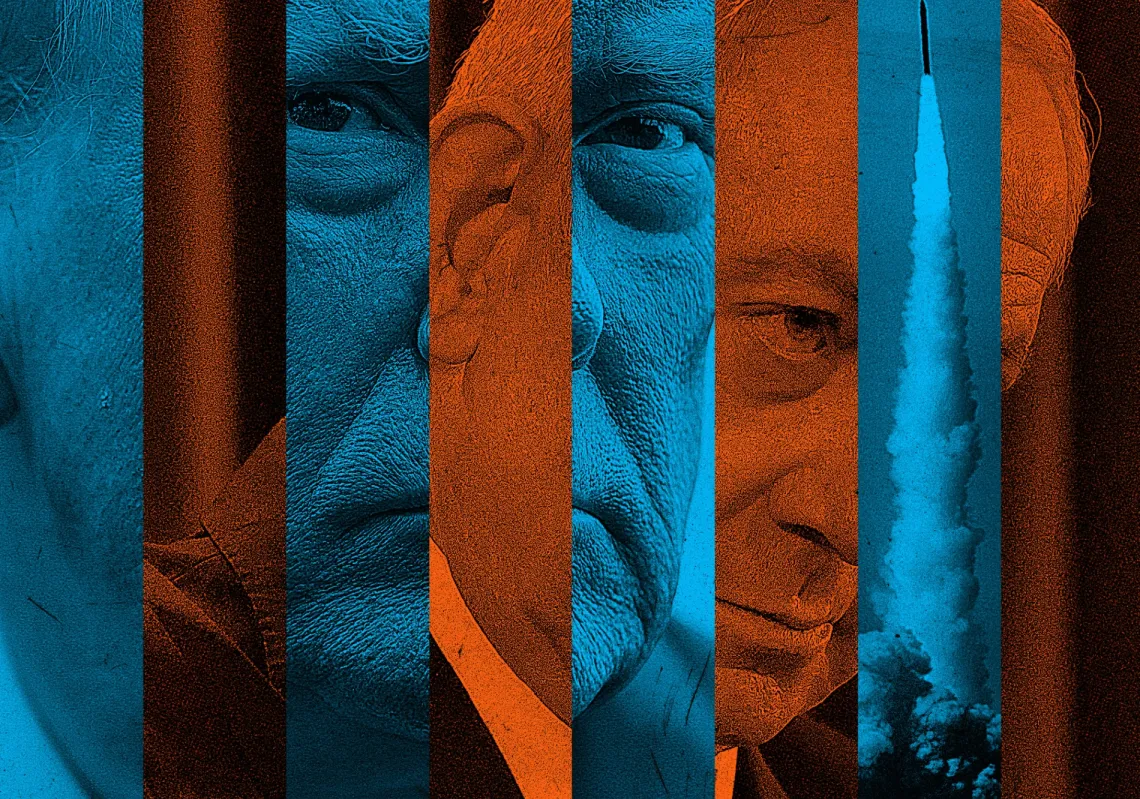
Both Tehran and Washington have powerful incentives to resolve the conflict through negotiations, but actors on all sides have reasons to derail these efforts
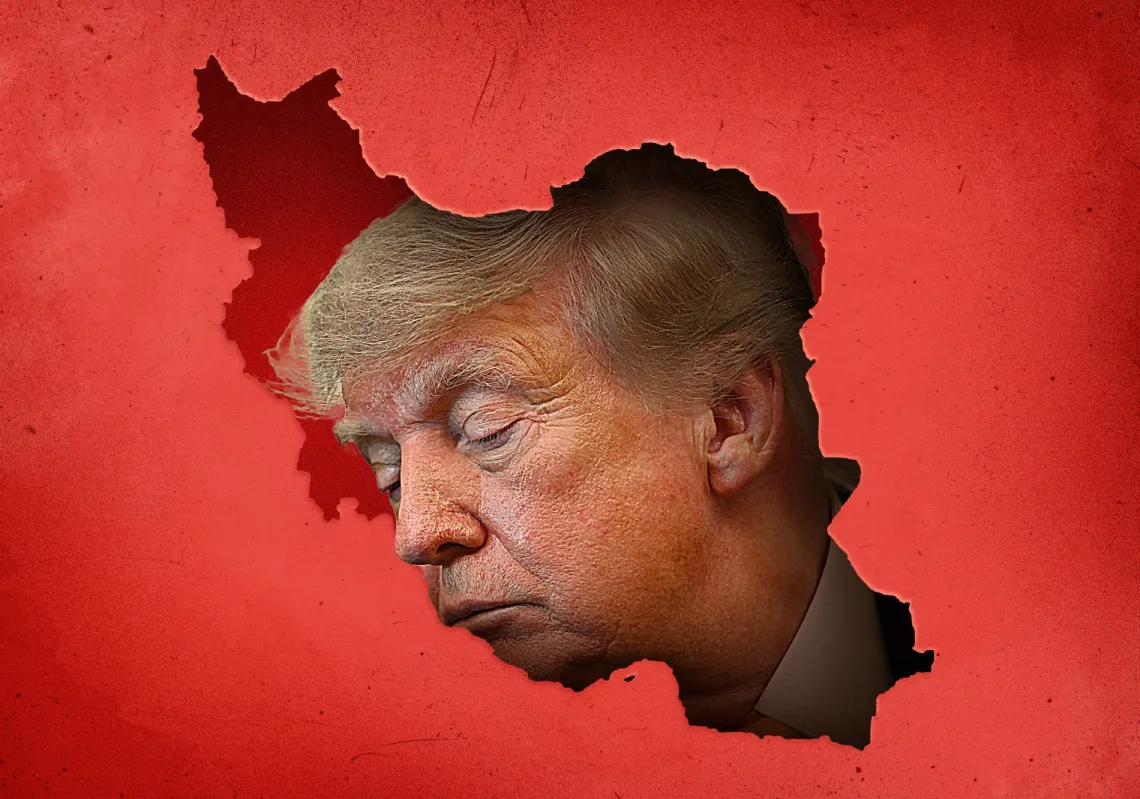
While it could be tied to military calculations related to the current US-Iran war, it also reflects a deeper struggle between two opposing regional visions
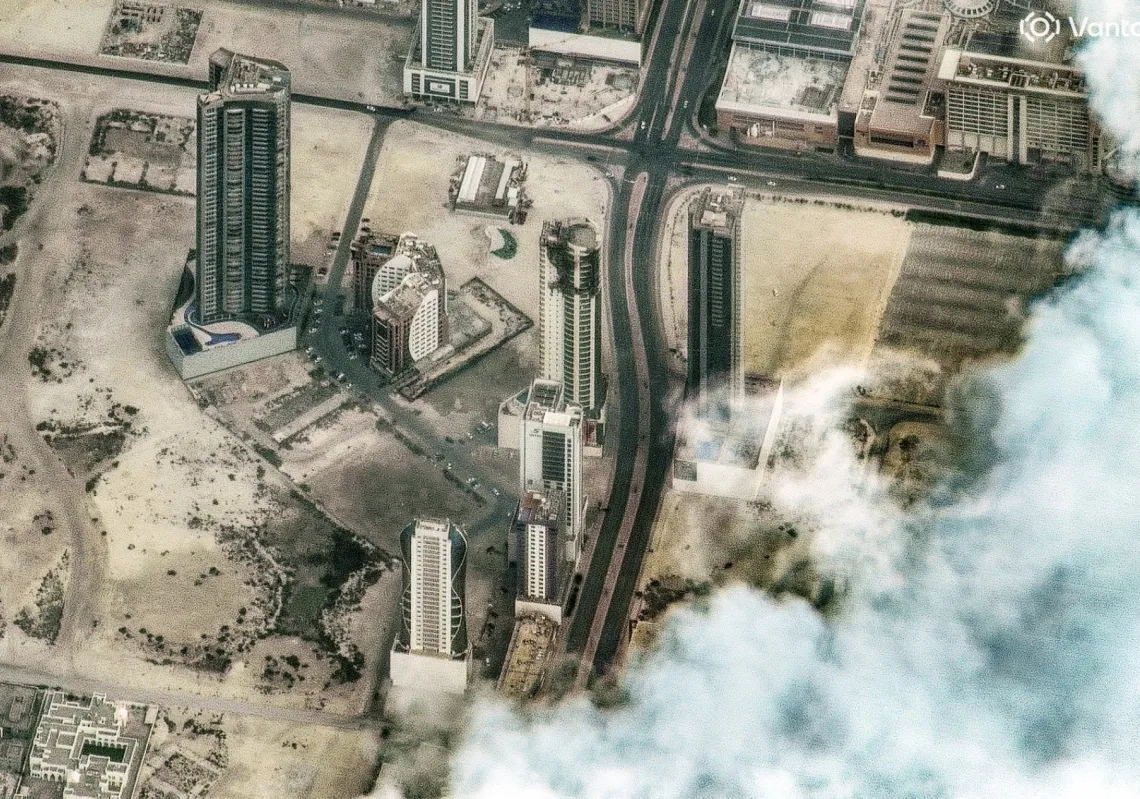
Tehran prioritises foreign power and influence, whereas the Gulf states prioritise economic development and stability. The presence of foreign bases in the Gulf is just an excuse.
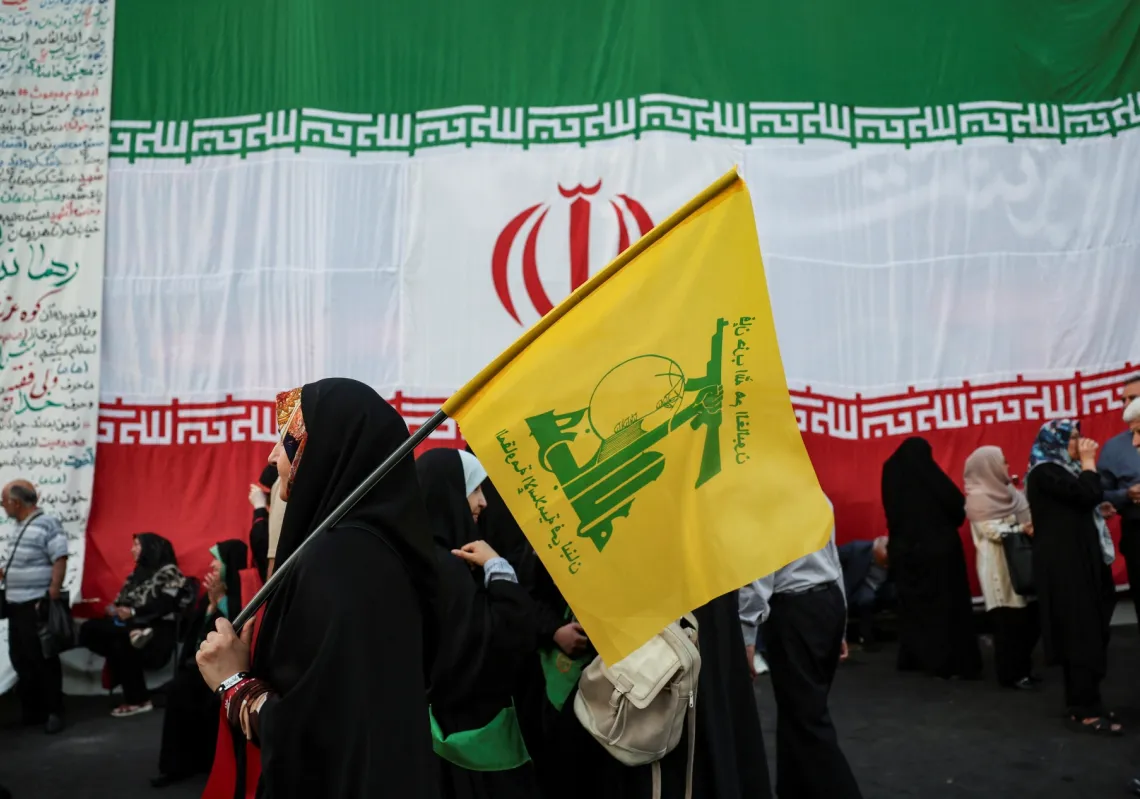
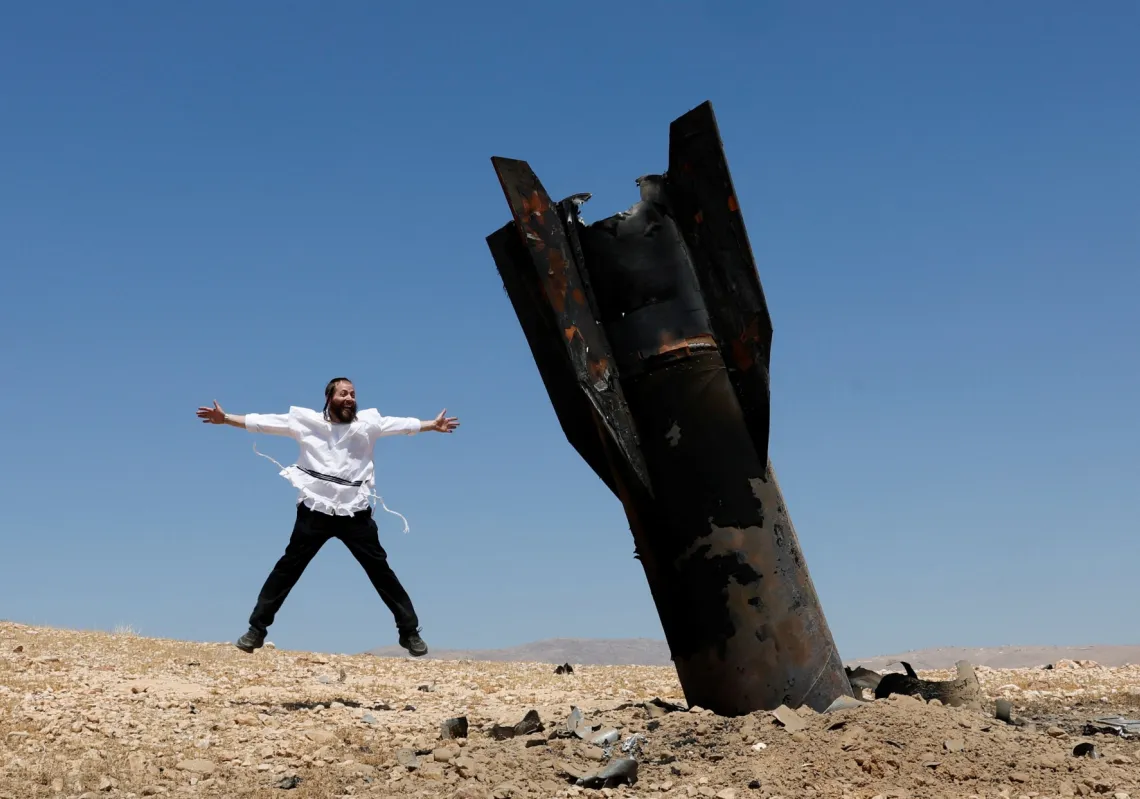
Tehran has emerged from the US-Iran war more willing to take risks, less constrained by fears of escalation, and more convinced military pressure can yield results
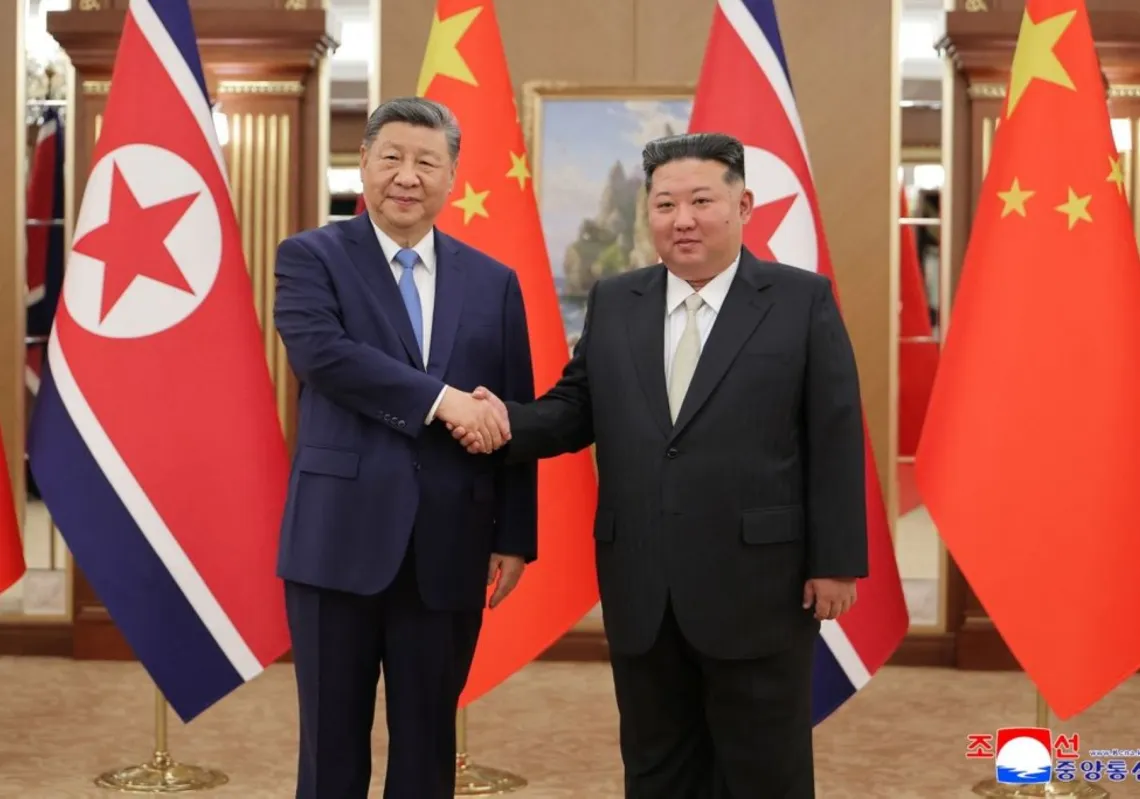
China understands that North Korea is no longer the besieged ally with no gateway other than Beijing, and that leaving the field entirely open to Russia carries a mounting strategic cost
Netanyahu continues to defy calls from Washington to pump the brakes on Israel's offensive in Lebanon, something Iran has linked to a future peace deal
For Addis Ababa, using Djibouti's port for trade is not enough; it wants its own sovereign access to international waters. However, this first needs the consent of suspicious neighbours.
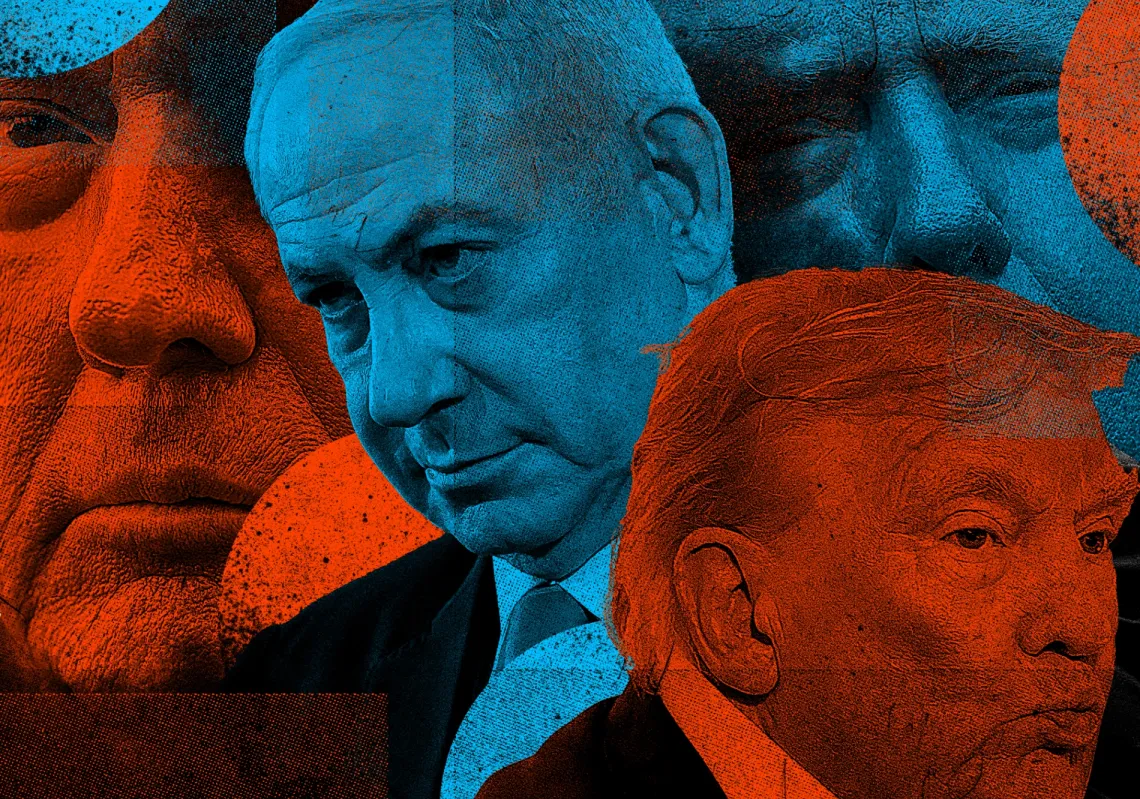
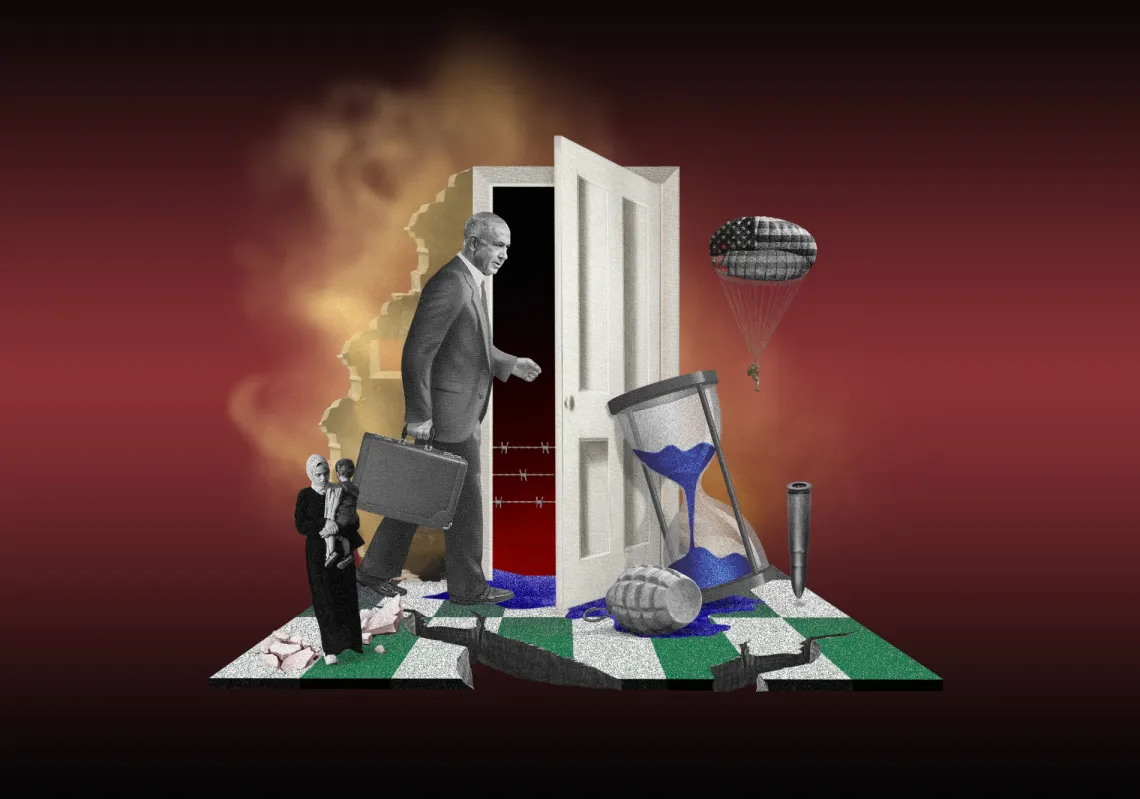
With Iran, Hezbollah and Hamas still standing, it appears that Netanyahu oversold the possibility of total victory. His damaged credibility leaves him with far less wiggle room in his next move.
Both Tehran and Washington have powerful incentives to resolve the conflict through negotiations, but actors on all sides have reasons to derail these efforts
From machines that develop human emotions to societies governed by artificial intelligence, Arab novelists explore the promises and perils of a radically transformed future