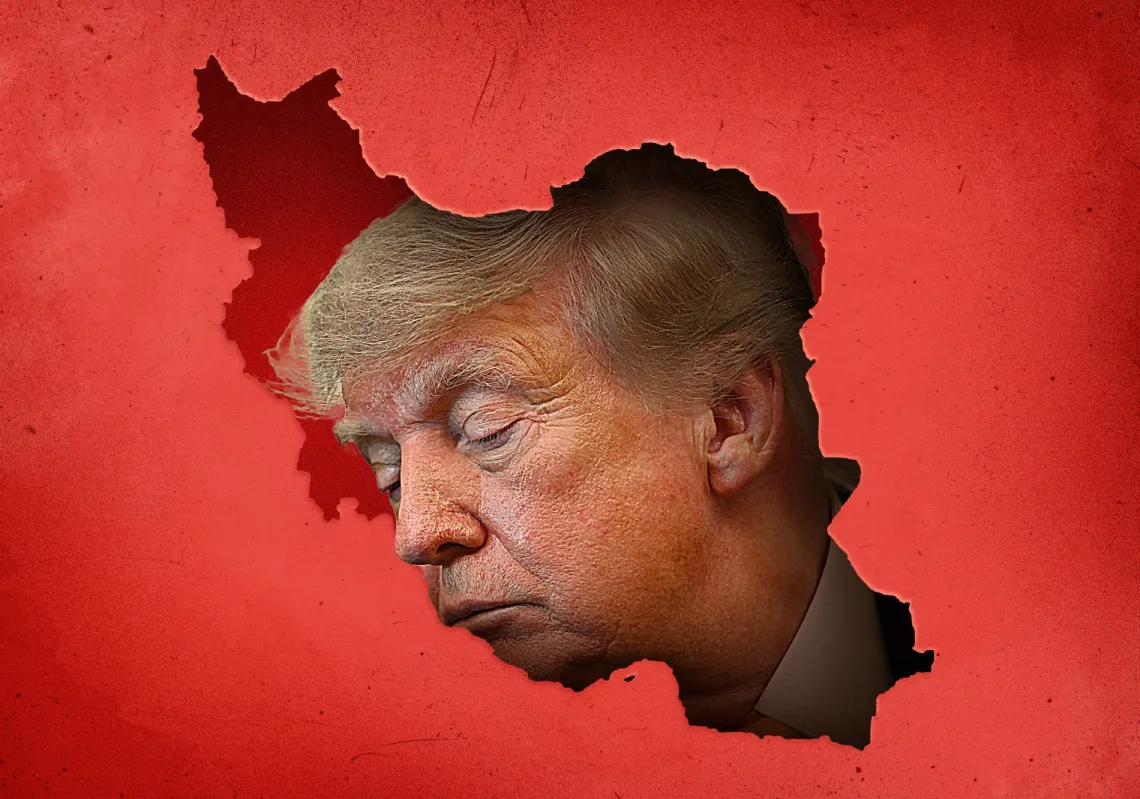
Both Tehran and Washington have powerful incentives to resolve the conflict through negotiations, but actors on all sides have reasons to derail these efforts
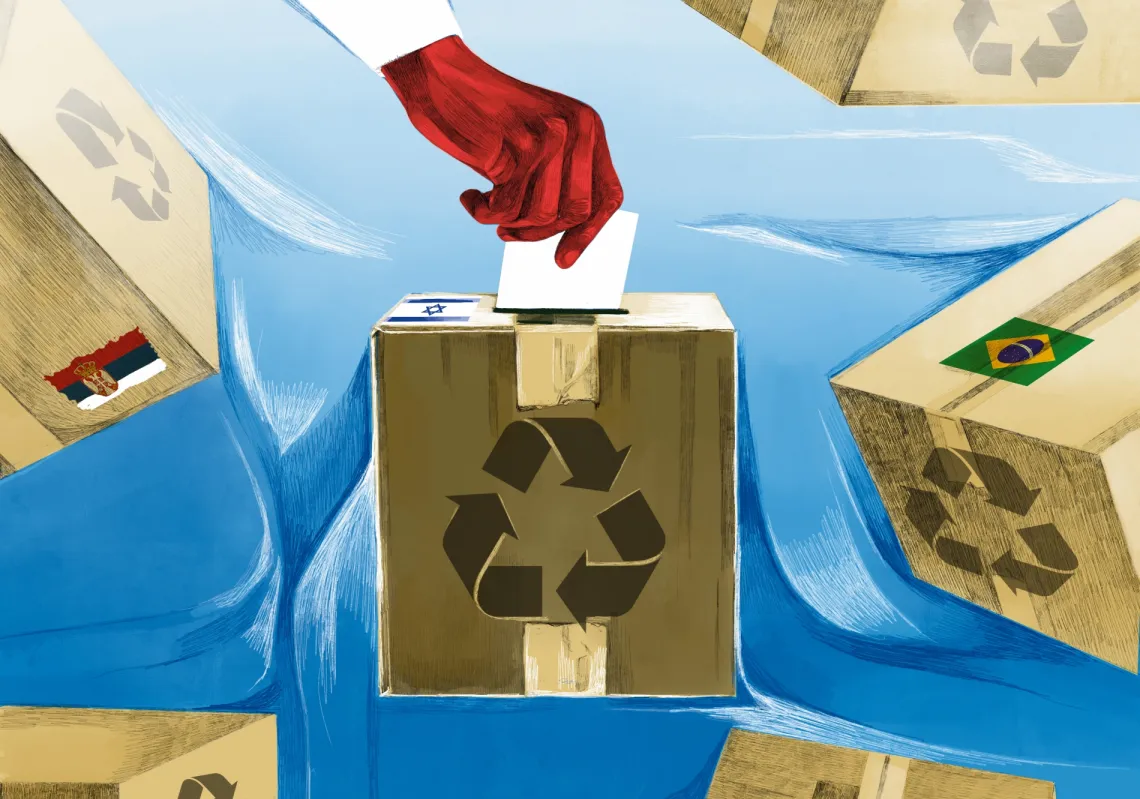
Candidates backed by Mayor Zohran Mamdani have been critical of Israel over Gaza—a stance that has gone down well with voters and could yet reshape the party.
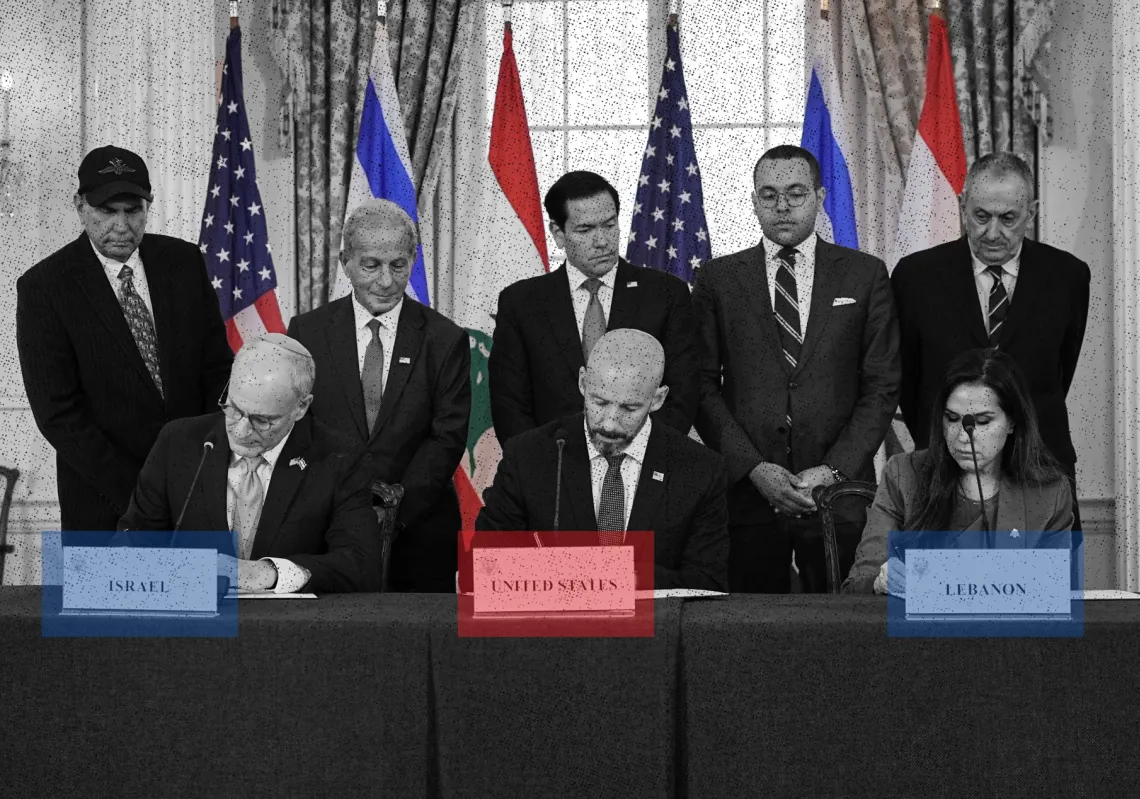
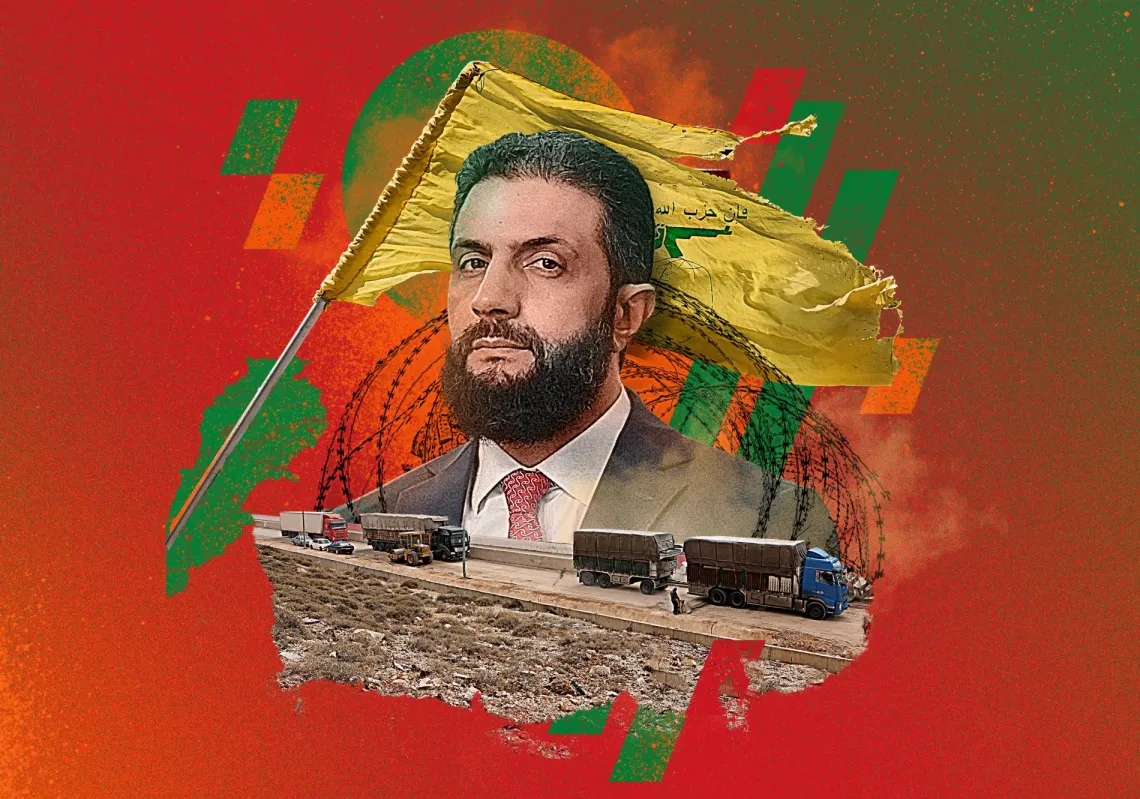
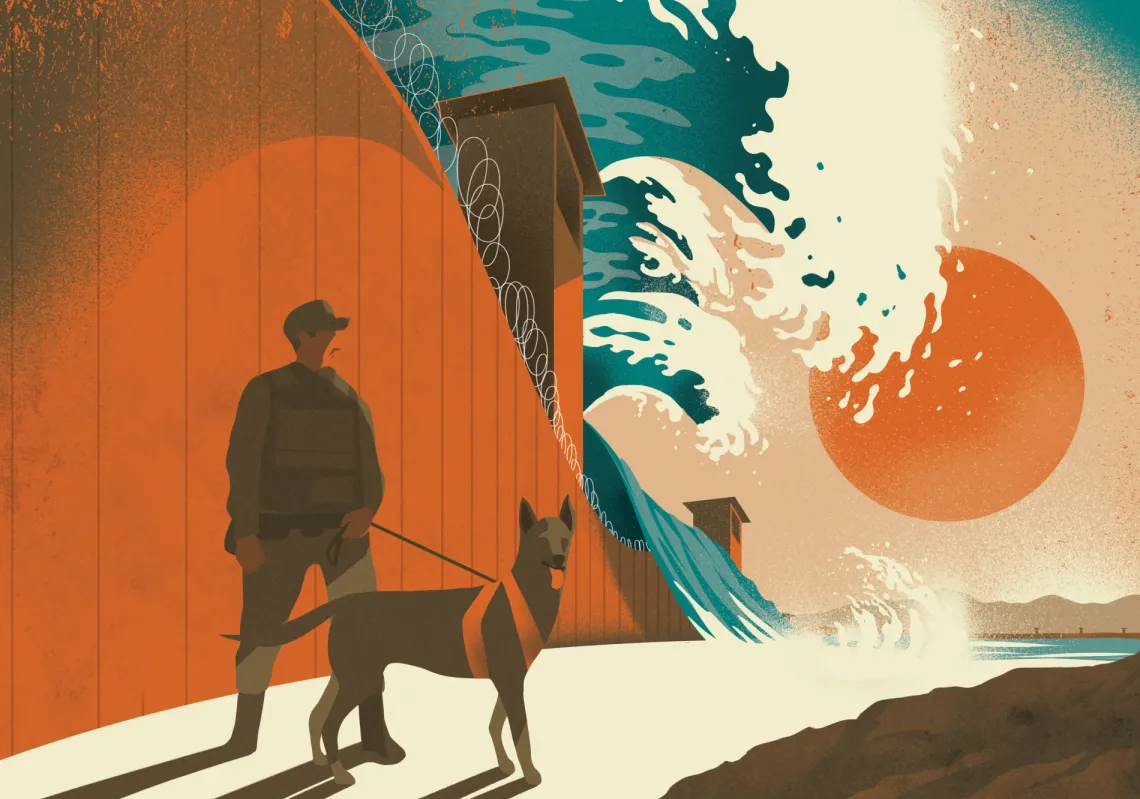
Under US tutelage, Tel Aviv and Beirut have agreed to work together to disarm Hezbollah and gradually replace Israel's army with Lebanon's in the south
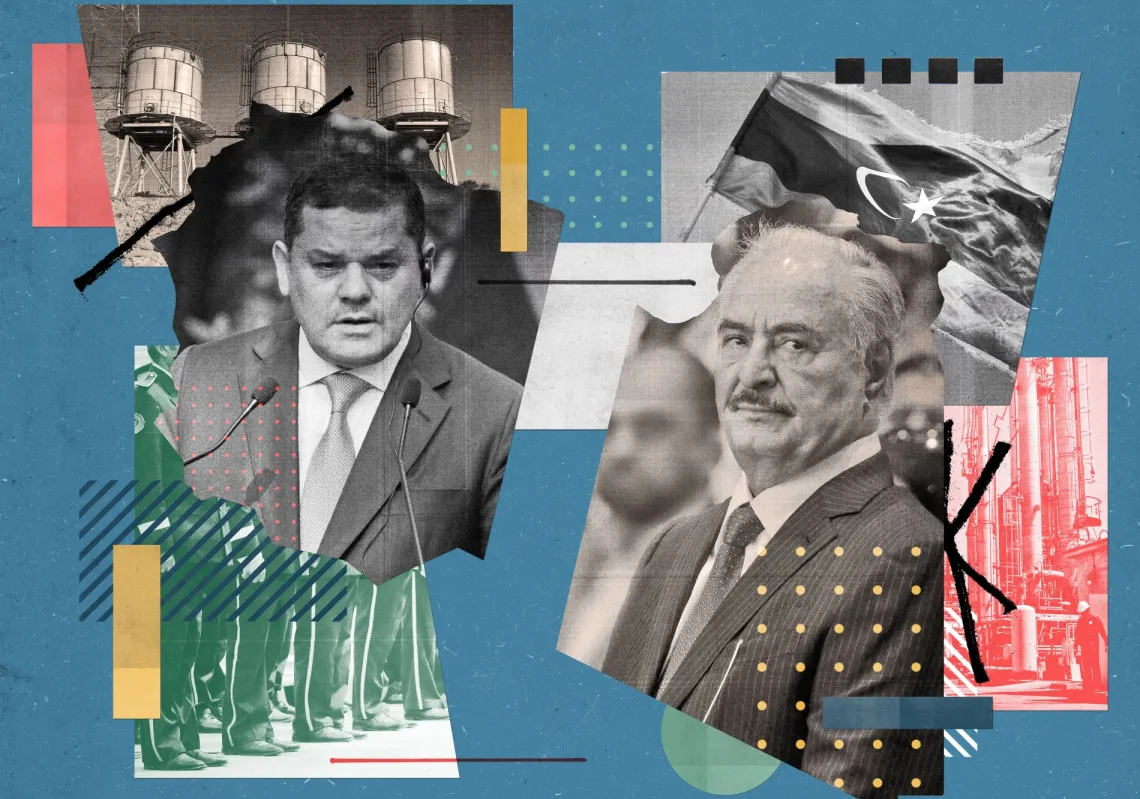
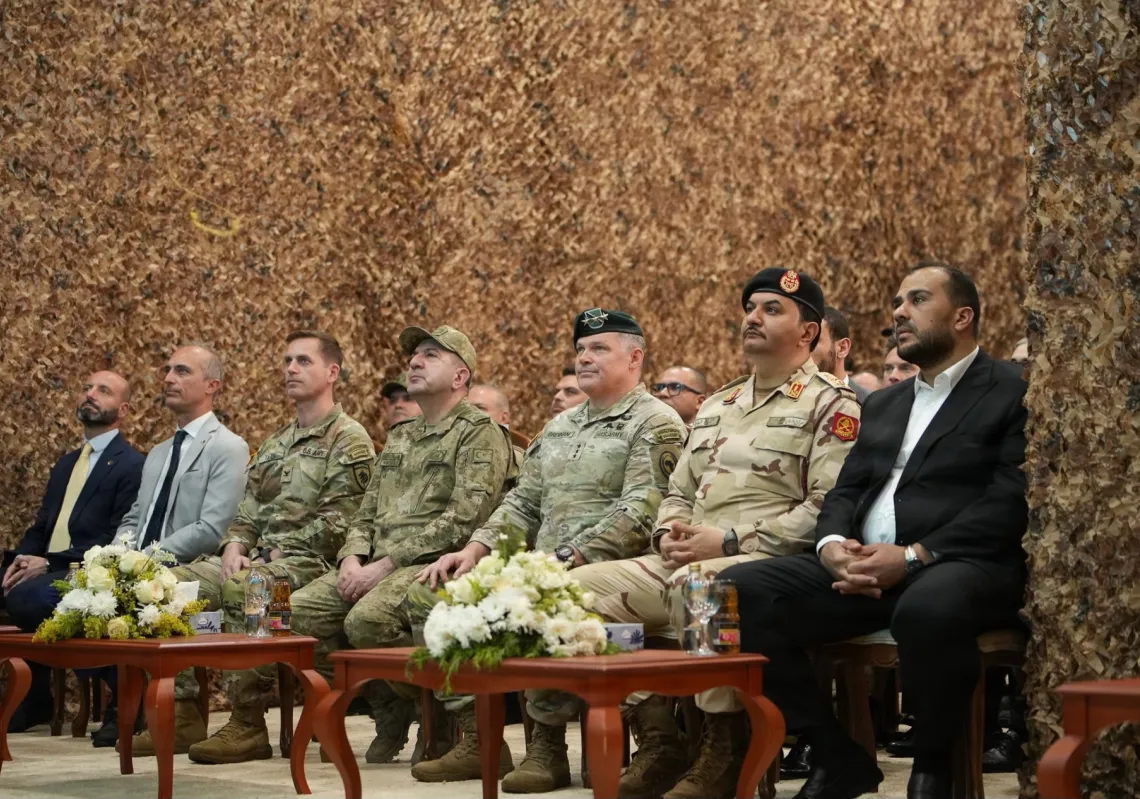
Power-sharing between east and west should be possible, but negotiations get tricky when it comes to dividing revenues and remits. Will the two rival families agree to compromise?
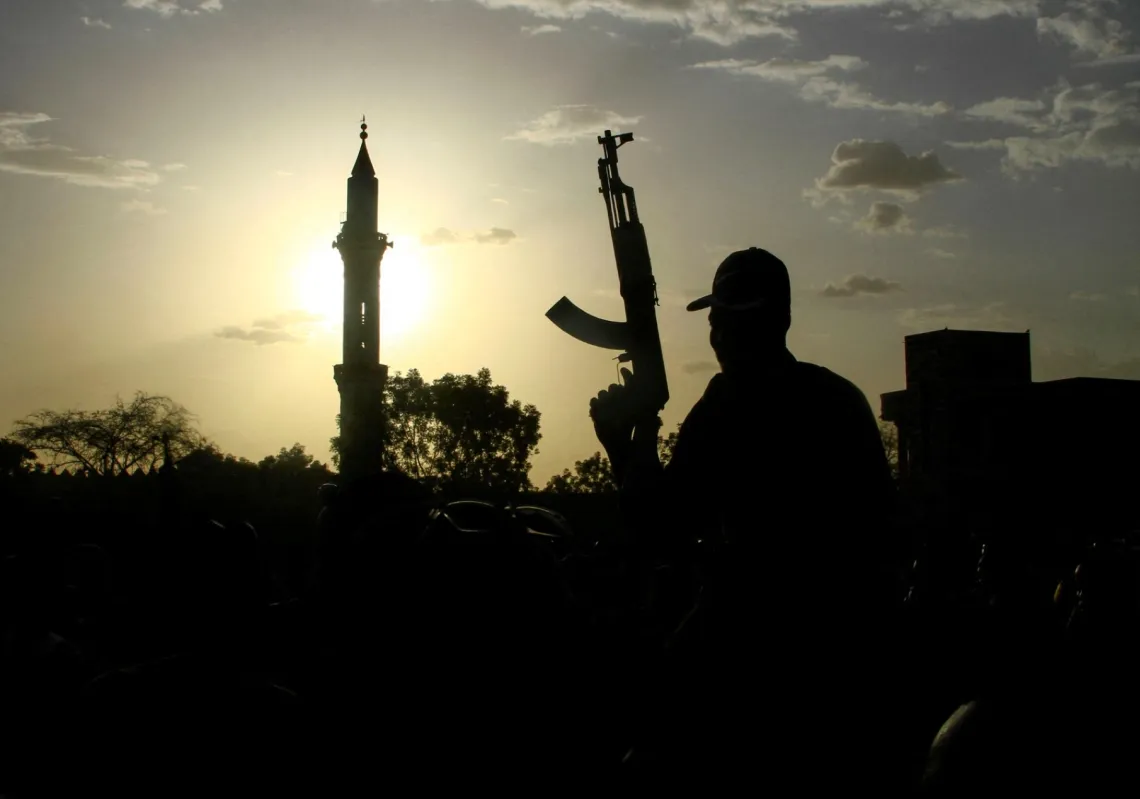
The Haftar family in the east and the Dbeibeh family in the west are both influential players in the Tripoli-Benghazi standoff, but envoys from the US and UN are trying to find a way through.
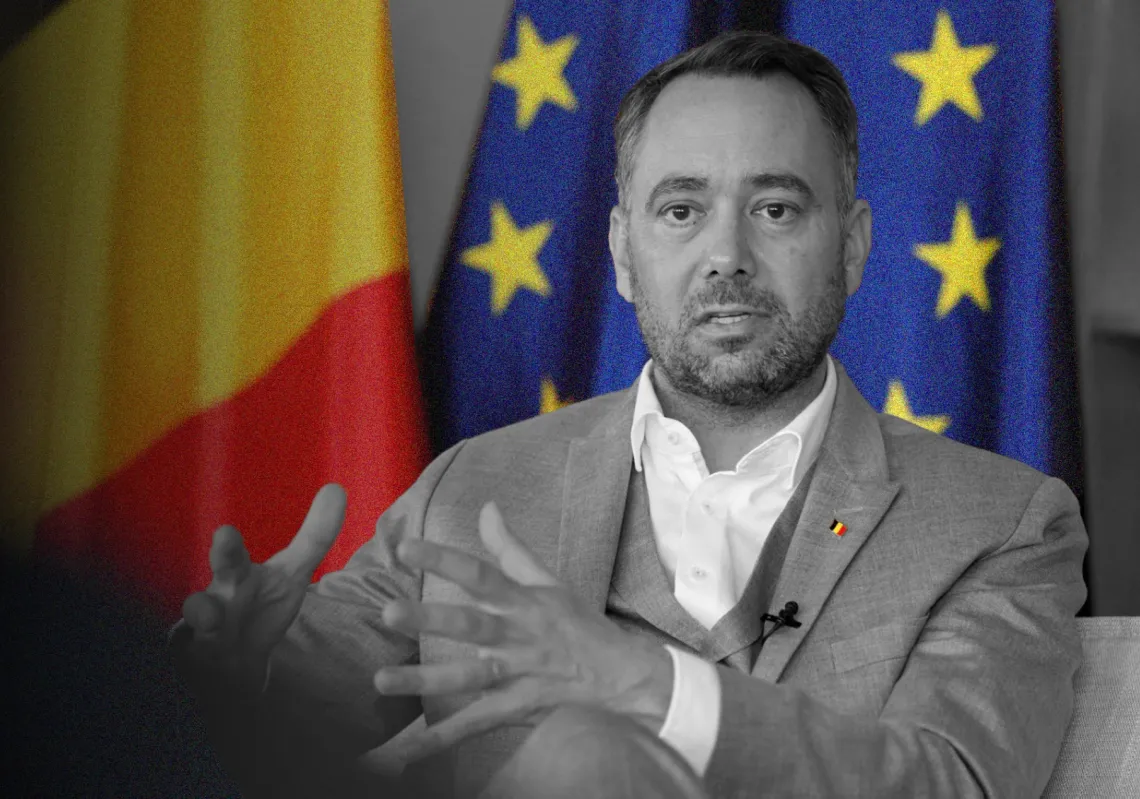
Belgium's deputy premier and minister of foreign affairs also talks about the importance of a Palestinian state, upholding international law, and ties with Saudi Arabia
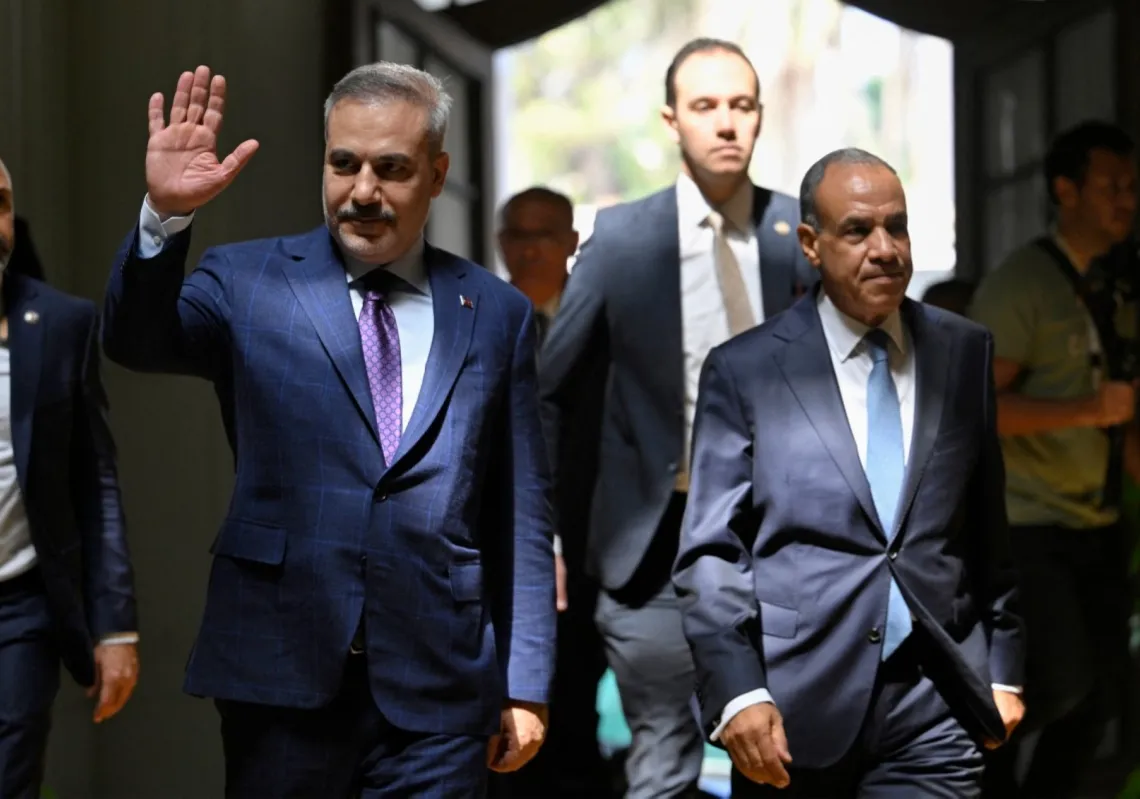
Six years ago, they were issuing threats. Today, it is all smiles and handshakes. Ankara and Cairo disagree on some things, but they are increasingly finding common ground on others.
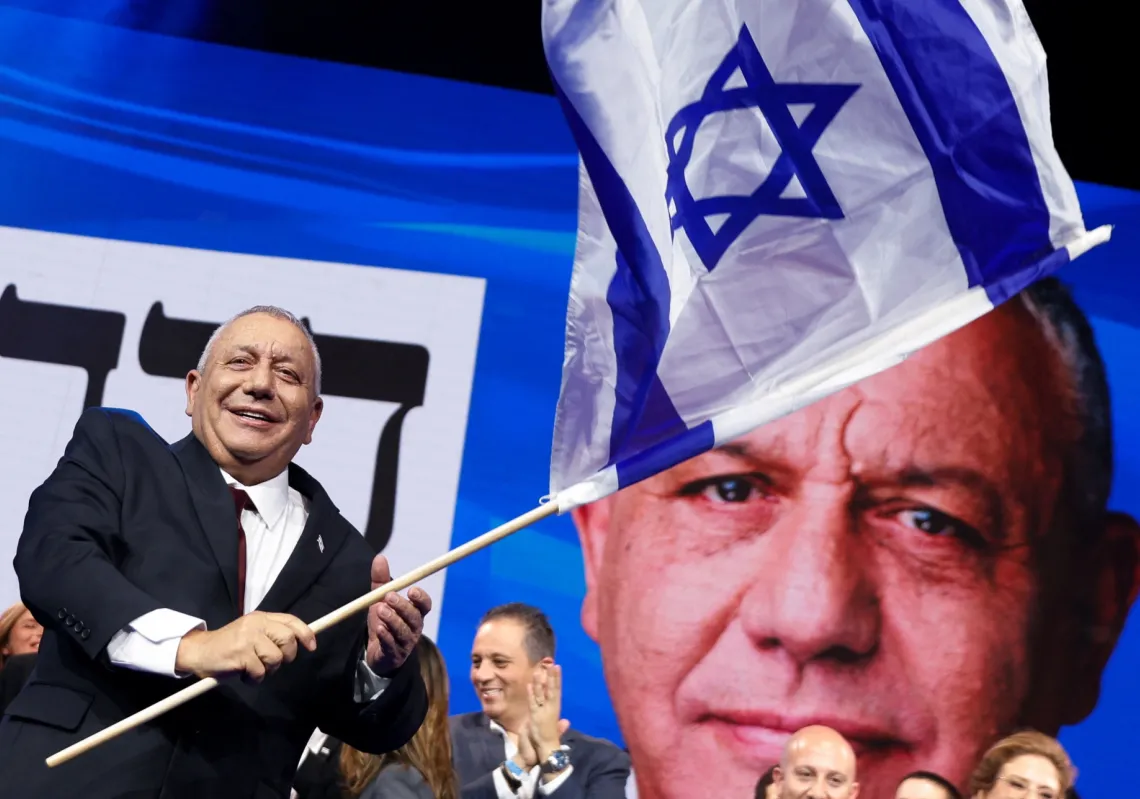
Gadi Eisenkot, who may form a government, hails from a Moroccan-Jewish family. Israel's 15 prime ministers have all had European or Russian heritage. Is it time for a change?
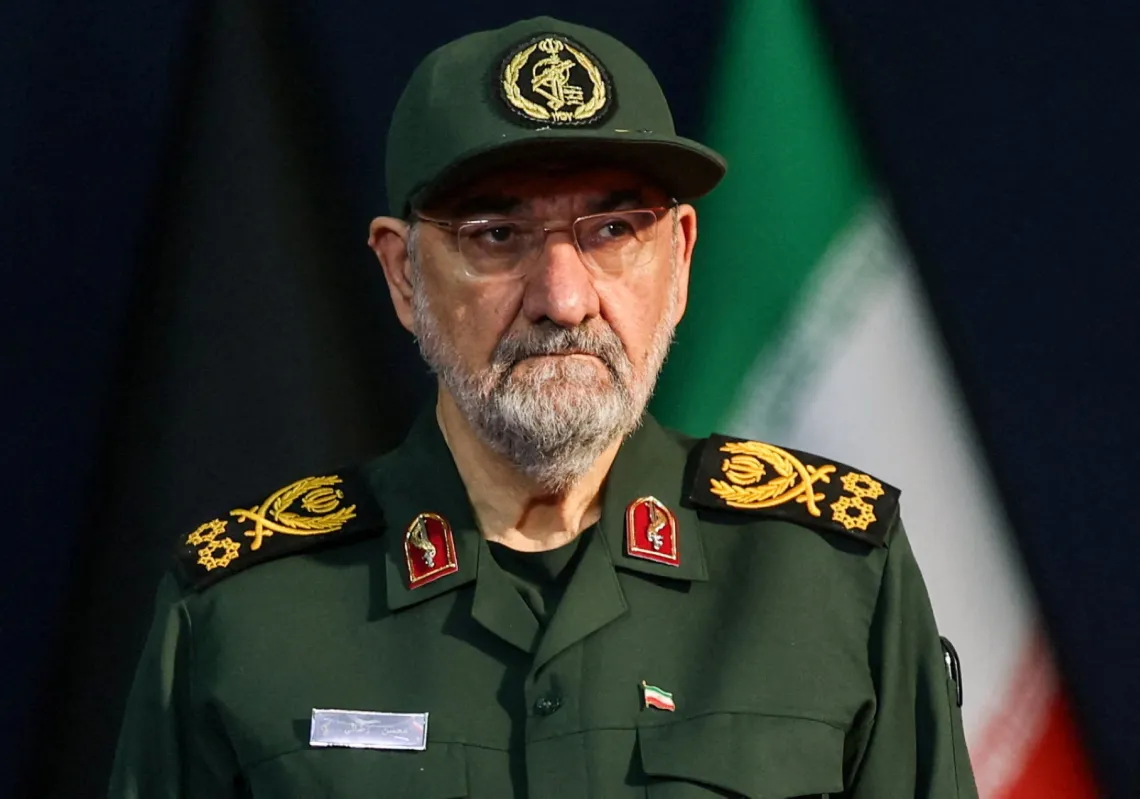
The former IRGC general was recently appointed as secretary of the Supreme National Security Council. For the US, the danger is mistaking his prominence for a willingness to deliver concessions
From machines that develop human emotions to societies governed by artificial intelligence, Arab novelists explore the promises and perils of a radically transformed future