Hamas's surprise offensive has hit Israel with its third great surprise of a long-running conflict, and political change will follow, just like after the October War and the Intifada.
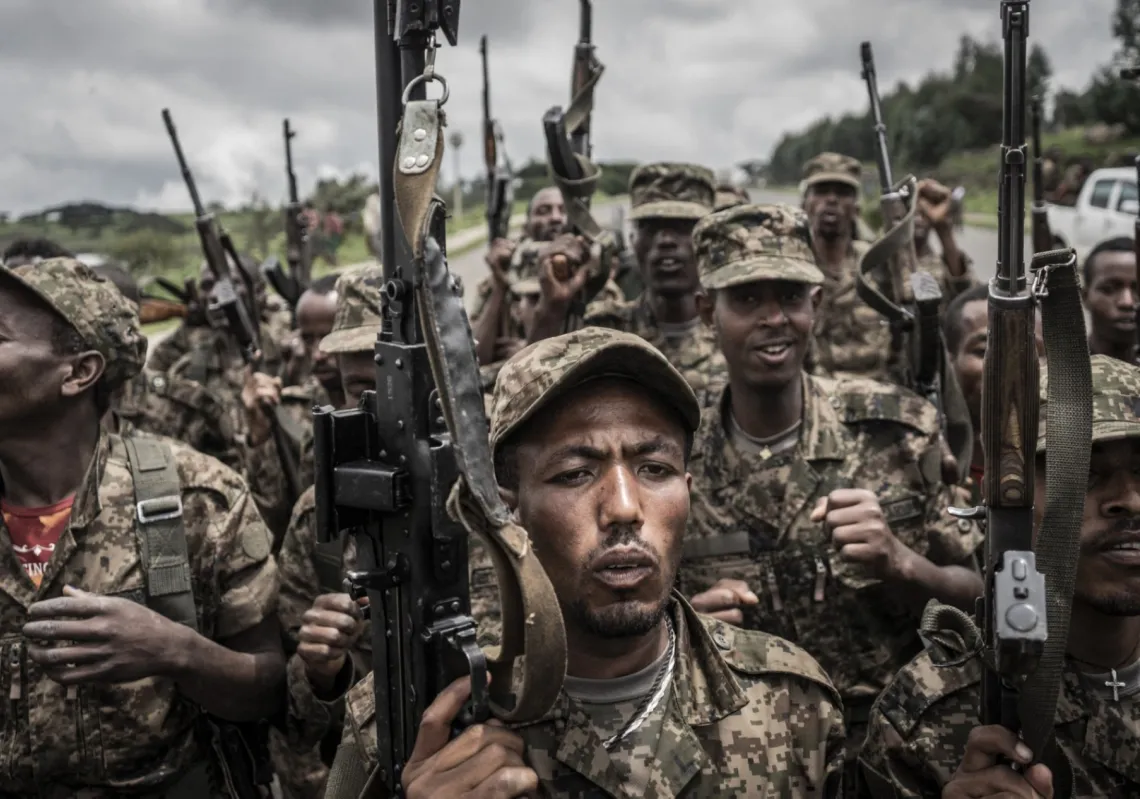
Kyiv now controls state-of-the-art armour. Its strategies will determine if the hardware can help change a complex war under skies it does not control, or if the arrival is just symbolic.
Reconciliation with Iran should be viewed with great caution as the Gaza war offers a snapshot of the dangers of peace. The US can do more to assure Gulf allies in this evolving regional landscape.
The new book by Rory Stewart, an erstwhile member of parliament, is quite a hefty tome. At well over 400 pages, it would have benefited from some judicious editing.
There are several reasons why Hamas attacked Israel, including restoring its dwindling credibility. But it is crucial to acknowledge Israel's antagonising behaviour as one of the key motivations.
The scale of Israel's escalation — and whether or not Hezbollah will become directly engaged in the battle — will be the first and most critical field test of the "unity of arenas" doctrine.
Egypt and Syria handed Israel its biggest military defeat on 6 October 1973. 50 years later, Gaza militants have launched another stunning offensive deep into Israeli territory. Al Majalla explains.
As tensions boil over after a YPG-linked terrorist attack in Ankara, Turkey ramps up attacks on the PKK. The US has stood by its YPG allies, coming close to direct confrontation with its NATO ally.
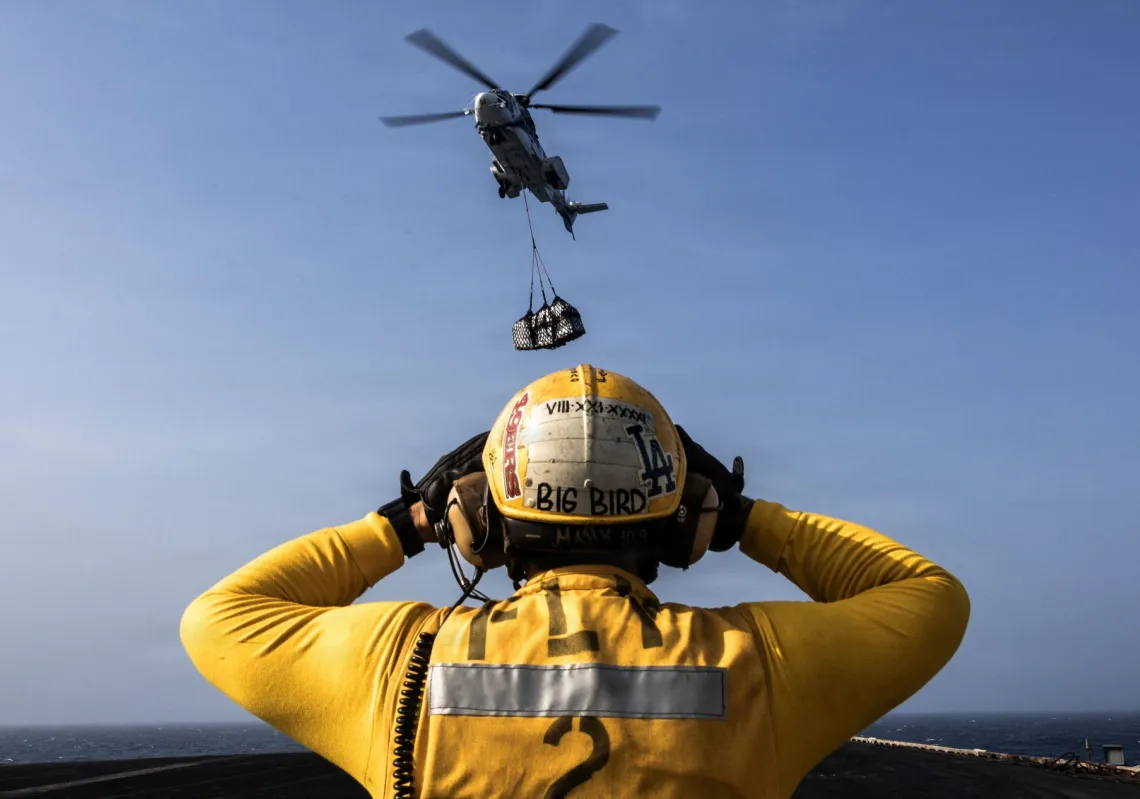
The US-Israeli war against Iran aims to draw in Gulf states, but history has shown that entering wars is far easier than exiting them. Prudence is needed now more than ever.
PA Foreign Minister Varsen Aghabekian Shahin tells Al Majalla that Israel is taking advantage of the fact that the world is distracted by the US-Iran war to create irreversible facts on the ground
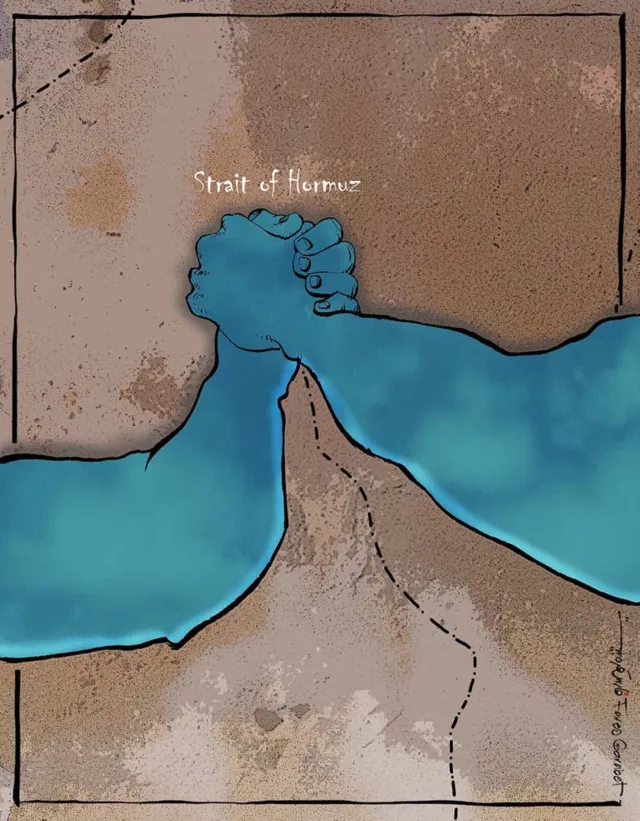
Given the effective closure of the Hormuz Strait and Houthi threats to close off the Red Sea, Syria may emerge as a corridor and conduit to bypass these embattled maritime chokepoints
A former army forensics employee who later became known as Caesar tells Al Majalla how he risked his life to expose the torture and killing of countless Syrians in regime prisons