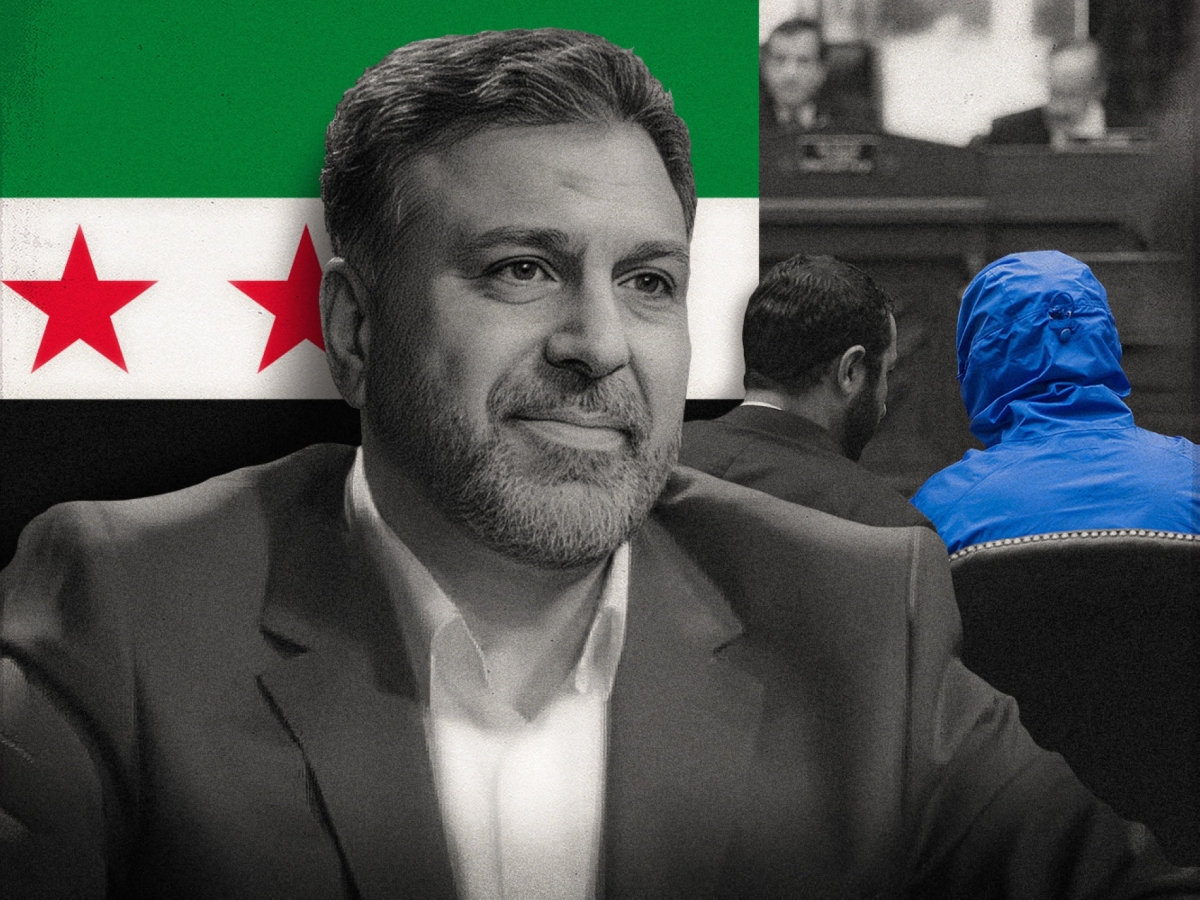

Farid al-Madhan, who was known by his pseudonym “Caesar" for years, was a military employee in Syria, serving in the forensic evidence division of the Military Police in Damascus. His role consisted of photographing and documenting criminal cases upon request from the Military Public Prosecutor.
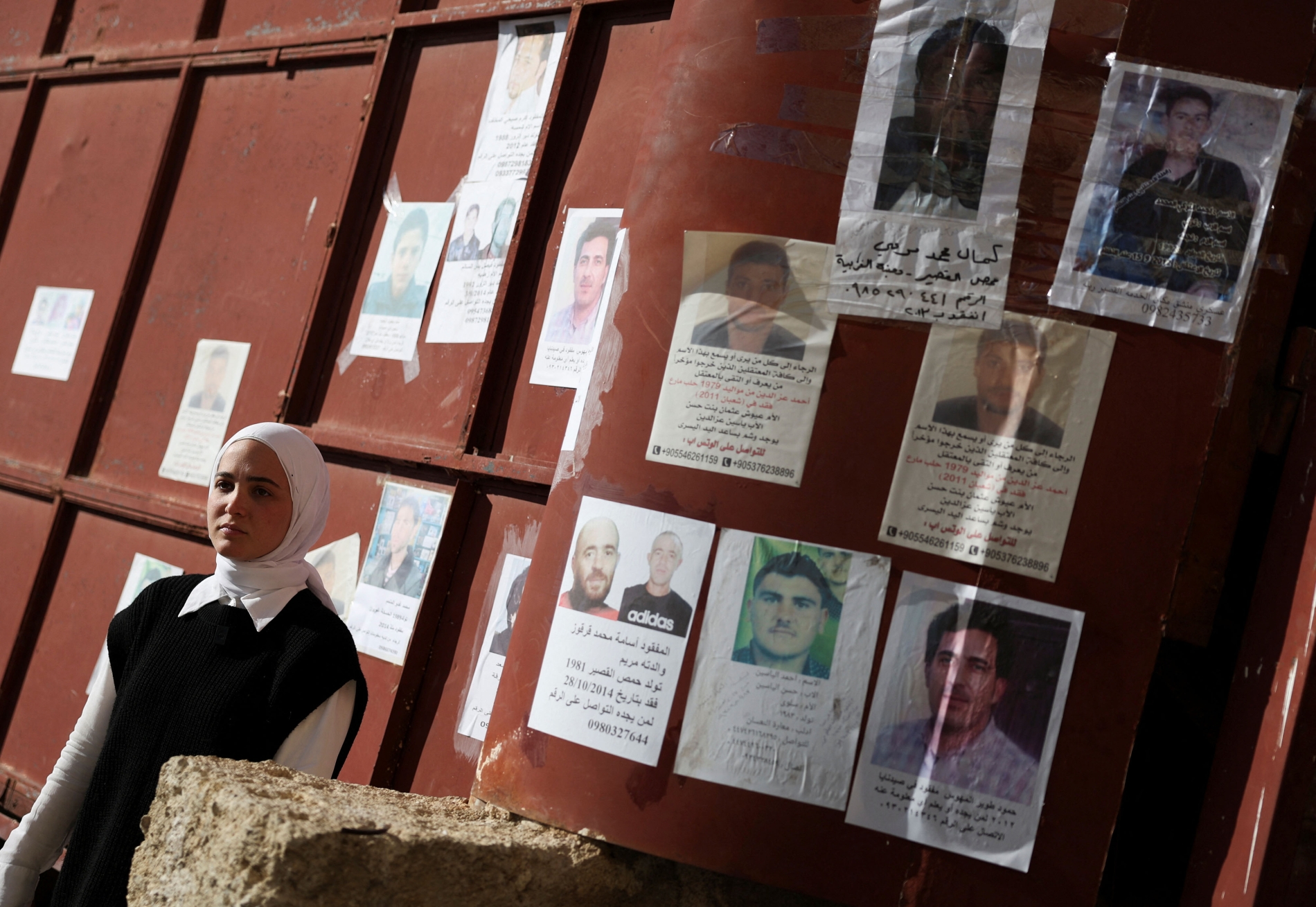
After the anti-government protests erupted in Syria in 2011, he realised that what lay before him was not simply an official archive—it was proof of ongoing and systematic crimes. Tens of thousands of images showed the bodies of detainees who had perished under torture. Faces had become numbers. Bodies bore the marks of systematic torture and deliberate starvation. In that moment, he understood that silence was no longer an option.
In an interview with Al Majalla, he recounted: “This is what Assad did to us in the basements of his prisons. His fingerprints were on every image. I would look at the photographs every day—faces burdened with pain and humiliation, numbers without names, bodies exhausted by cruel torture. I understood that the truth must not remain behind prison walls."
Driven by this conviction, he risked his life, the lives of his family, and those who assisted him in smuggling nearly 45,000 images out of the country, later known as the “Caesar File”. These photographs later formed a central foundation for the passage of the Caesar Civilian Protection Act, passed by the US Congress in 2019. This is the story of a man who chose to become more than a silent witness within a closed system—but a powerful voice that shook the world's conscience.
The US Congress repealed the Caesar Act at the end of last year. What did you feel when you heard the news?
Satisfaction and relief. The repeal brings hope and optimism because it opens the way for Syrians to begin rebuilding their homeland and their lives, free from sanctions that targeted the former regime, which destroyed the country and killed and displaced its people.
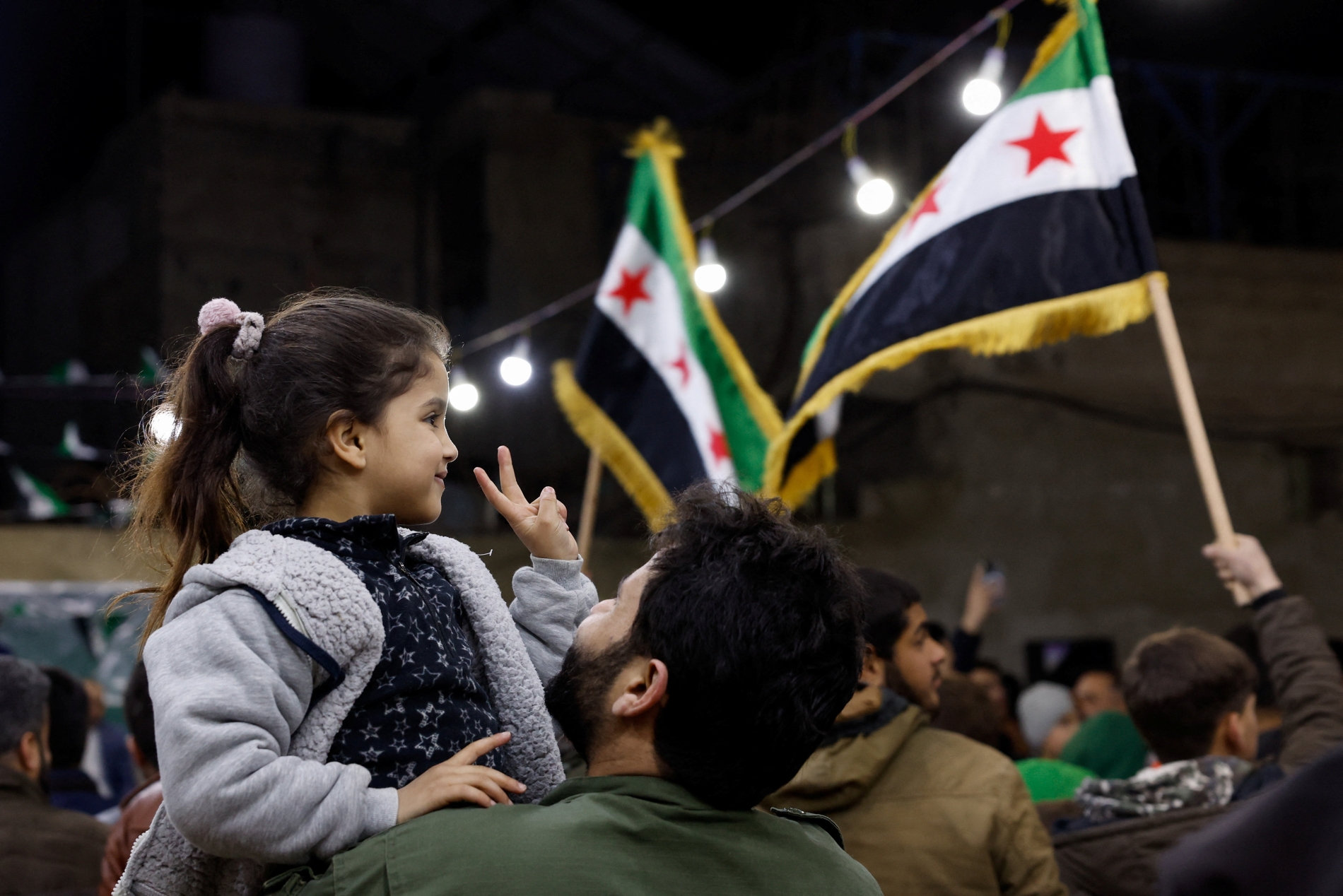
It also creates a more favourable climate for the return of Arab and foreign investment. This is reflected directly in people’s lives through the strengthening of the Syrian pound, the creation of broad employment opportunities, particularly for young people, and the granting of a genuine opportunity for recovery and the building of a dignified future worthy of their sacrifices.
You worked, sacrificed, and struggled to secure the law's passage, and then called for its repeal. Why?
We struggled and worked for many years, in cooperation with a number of humanitarian and human rights organisations in Washington, to secure the adoption of the Caesar Civilian Protection Act, which was passed at the end of 2019. The objective was clear and specific: to punish the Assad regime’s security apparatus for committing crimes against humanity against detainees, to protect the Syrian people from its brutality, and to deliver justice for victims and prisoners.
The law also sought to cut off the supply of weapons and support provided to the regime by its Russian and Iranian allies, who are partners in the killing and displacement of the Syrian people. It aimed to isolate the regime politically and economically, and to compel it to enter negotiations with the Syrian opposition in pursuit of a peaceful political settlement that would bring the Syrian tragedy to an end. The Caesar Act served as an instrument to pursue justice and to apply political pressure on Assad to change his criminal conduct.
And today?
After the fall of the regime, the reasons for imposing the sanctions are gone and lifting them will contribute to rebuilding or recovery.
How did the Caesar Act evolve into law?
The story began inside Syria, where photographs and documents were gathered exposing the Syrian security services’ crimes against humanity against detainees. These materials revealed, with unmistakable clarity, the brutal methods of torture inflicted upon the victims. This evidence became known as the Caesar File.
The second stage carried great danger, when we risked our lives to smuggle tens of thousands of photographs out of the country with the assistance of my friend Sami.
These images were direct and irrefutable evidence of the atrocities committed by the former regime against innocent detainees. Their authenticity could neither be denied nor credibly challenged.
How was their authenticity verified?
In January 2014, a team of international war crimes investigators issued a report confirming the credibility of the Caesar photographs. They comprised more than 45,000 images of over 11,000 bodies of torture victims inside Assad’s prisons between 2011 and 2013, which I had smuggled from the archives of the forensic evidence division.
A sample of 5,500 photographs, representing approximately 1,300 bodies, underwent detailed analysis. Investigators found that 42% of the bodies showed severe emaciation, which was a result of deliberate starvation. Bruising appeared on 20% of them, with some injuries leading to fractures. They also documented ulcers and burns in the areas of the feet and shins.
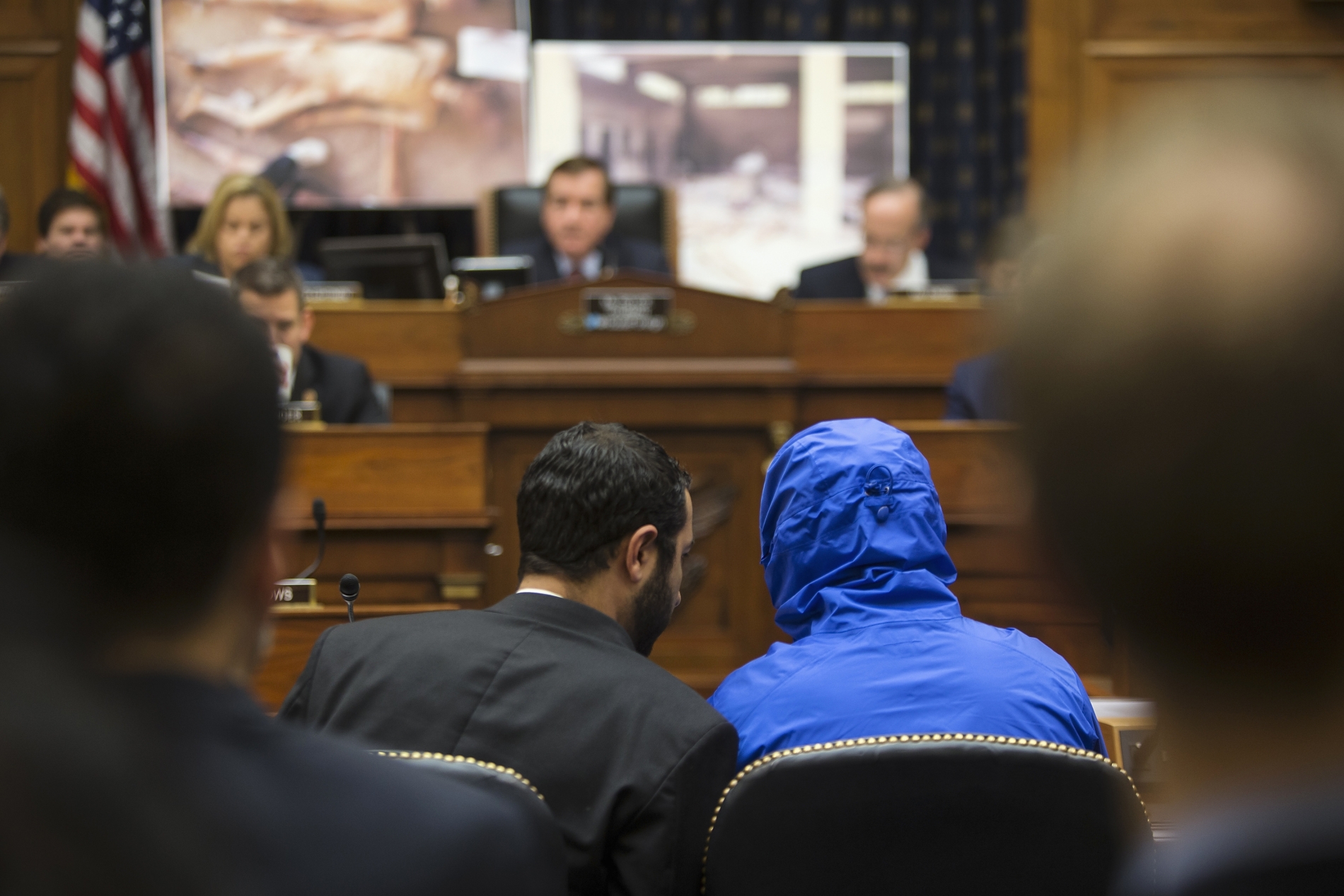
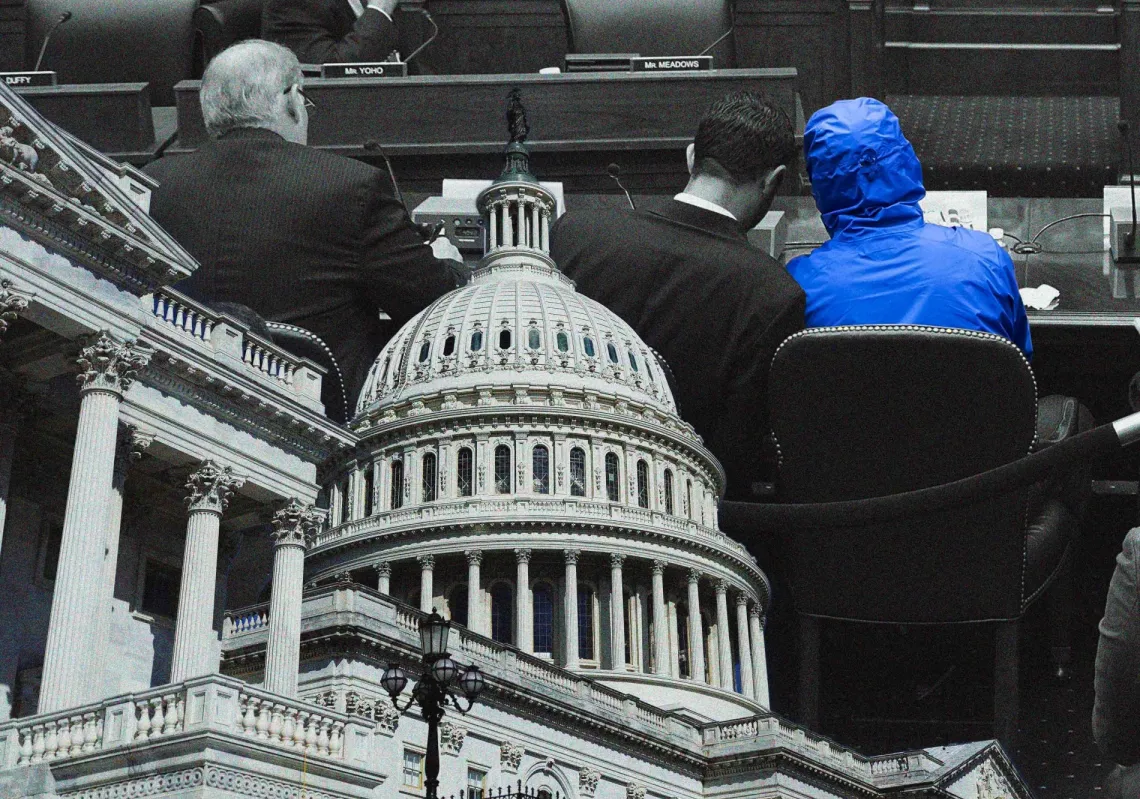
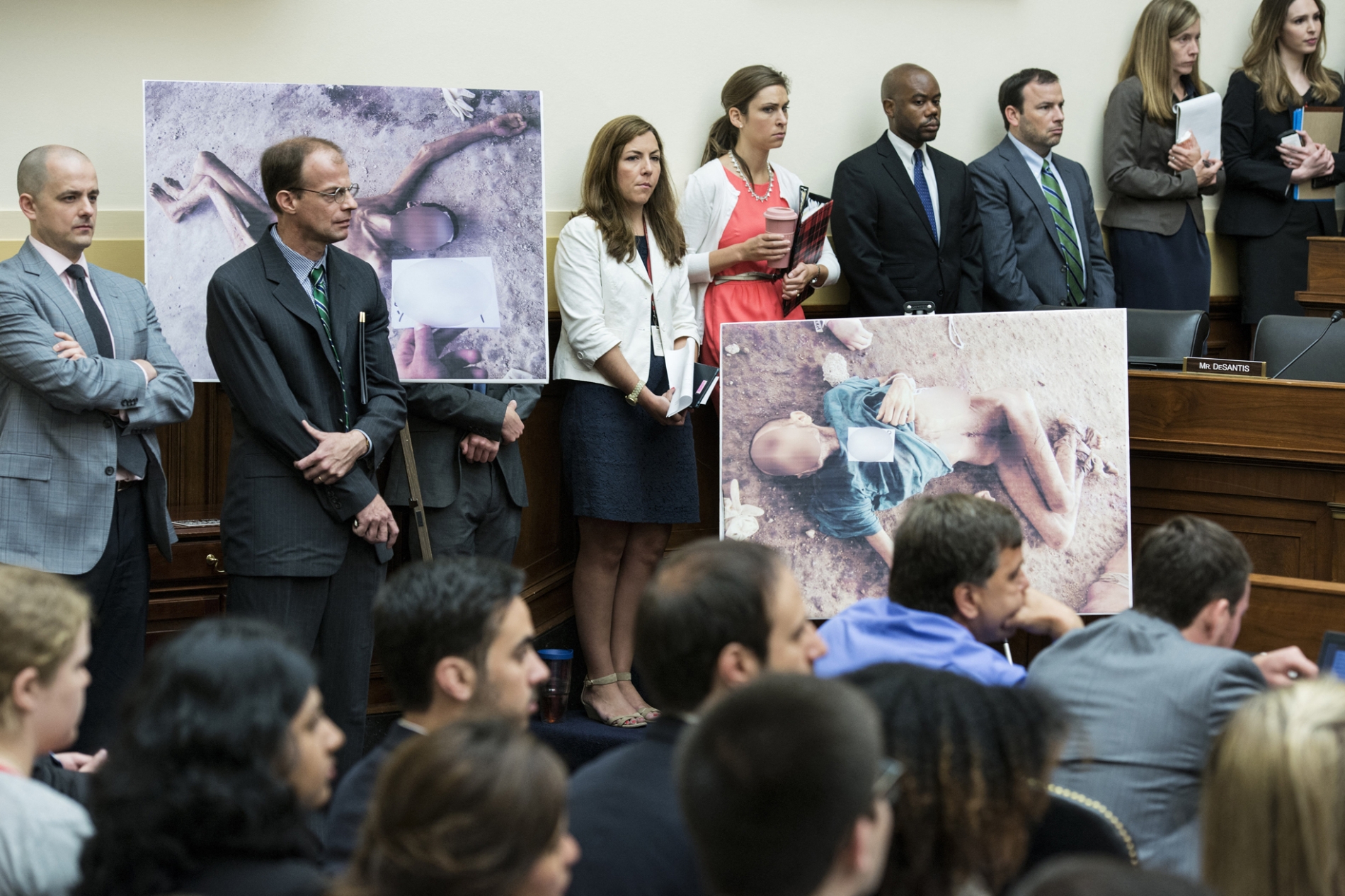
We then began to liaise with human rights groups in the United States, with the support of Mr Muaz Mustafa and the assistance of Mr Mohammad Alaa. This enabled me to reach Congress, where I gave my first testimony. I revealed my identity and spoke about the nature of my work in the forensic evidence division of the Military Police in Damascus, and explained the scale of the crimes committed against the Syrian people, particularly detainees, which I had personally witnessed.
Over the course of several years, meetings, hearings, and detailed presentations of the photographs and documents took place before members of Congress, the Senate, the Department of Defence, and the State Department. The purpose was to persuade decision-makers of the necessity of acting to halt the Assad regime’s machinery of repression and killing in Syria.
Once the facts had been firmly established, the drafting of the Caesar Act began at the hands of US legislators who supported and sympathised with the Syrian cause. The sanctions imposed upon the former Assad regime and its allies, particularly Russia and Iran, were defined with care. Emphasis was placed on ensuring that these sanctions would serve as instruments of political and economic pressure upon the regime itself, not upon Syrian citizens. Food, medical supplies, and humanitarian aid were explicitly exempted. After years of lobbying, the law was finally adopted in December 2019.