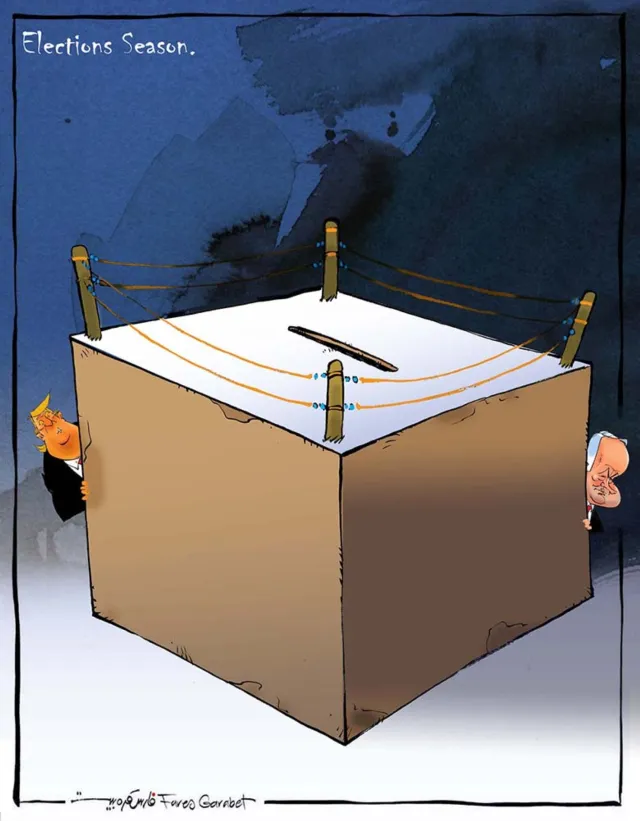
The US president's ambition to become the fifth holder of his office to win the top global award remains frustrated, with a key ally being the main reason
Two different approaches to conflict management can be seen taking hold in recent years, driven either by narrow national interests or messianic aspirations
The high-profile gathering of central bankers will put the Federal Reserve chairman's fraught relations with the president in the spotlight. Markets, policymakers and politicians will be watching.
The Syrian government now faces another defining test: it can either allow tribal mobilisation to spiral into open conflict with the SDF or reassert its leadership through de-escalation
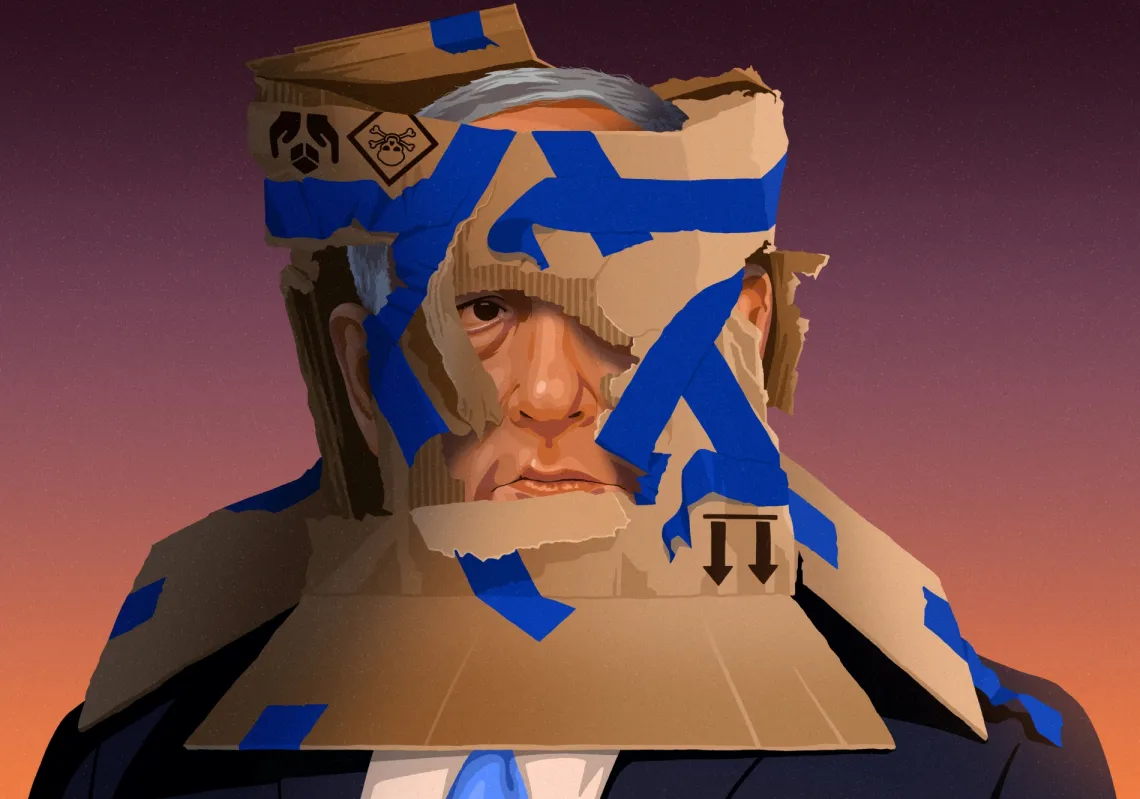
Despite mounting global and domestic outrage over his seemingly endless war on Gaza, Israel's prime minister sees little reason to back down, given the impunity he has enjoyed thus far
The grim arithmetic of Israel's daily killings of Palestinians hasn't moved so-called "civilised" countries to stop the carnage. Meanwhile, slavery and child labour are on the rise.
The honeymoon period—characterised by unified Arab, regional, and Western backing for Damascus—seems to have ended, giving way to a phase marked by competing foreign agendas in Syria
In an age when rare earths power not just economies but warfare, these precious minerals are not just coveted but existential to countries that want to safeguard their hegemony
The humanitarian situation is worsening by the day. While a political solution is ultimately needed to address the root causes of the crisis, people's hunger cannot wait.
Any disruption in the Hormuz has cascading knock-on effects that extend far beyond energy markets, impacting international trade. Al Majalla explores all this and more.
The current conflict is unlikely to go global for now, but the speed at which it has spread regionally is alarming. A look at history shows the geopolitical factors that led to world wars.