The current conflict is unlikely to go global for now, but the speed at which it has spread regionally is alarming. A look at history shows the geopolitical factors that led to world wars.
Al-Qaeda considers itself the springboard from which all jihadist groups emerged, but today, it is very bankrupt, weak and losing popularity to other jihadist groups.
A recently declassified document drawn up in 1947 highlights how US intelligence predicted war and Israel's ongoing need for support while worrying about its impact on American interests in the region
Mussolini and his mistress were captured and summarily executed by firing squad at Lake Como on 28 April 1945. On his 79th death anniversary, Al Majalla explores why some people still idolise him.
Shot and killed in 1988, the details of the operation to kill one of the biggest names in Palestinian politics were made known through accounts from his wife and an Israeli journalist
The 22nd Amendment, ratified in 1951, limited the presidential term to two terms only. But not every president was a fan. If Trump wins, some worry that he could try to rescind it.
51 years ago, an elite unit of the Israeli army assassinated Muhammad Youssef al-Najjar, Kamal Adwan and Kamal Nasser in a dramatic operation in the upscale Beirut neighbourhood of Verdun
Ahead of a possible US-Saudi defence agreement, it is worth remembering Roosevelt reassured the Saudi king over Palestine, only for Truman to renege on it two years later.
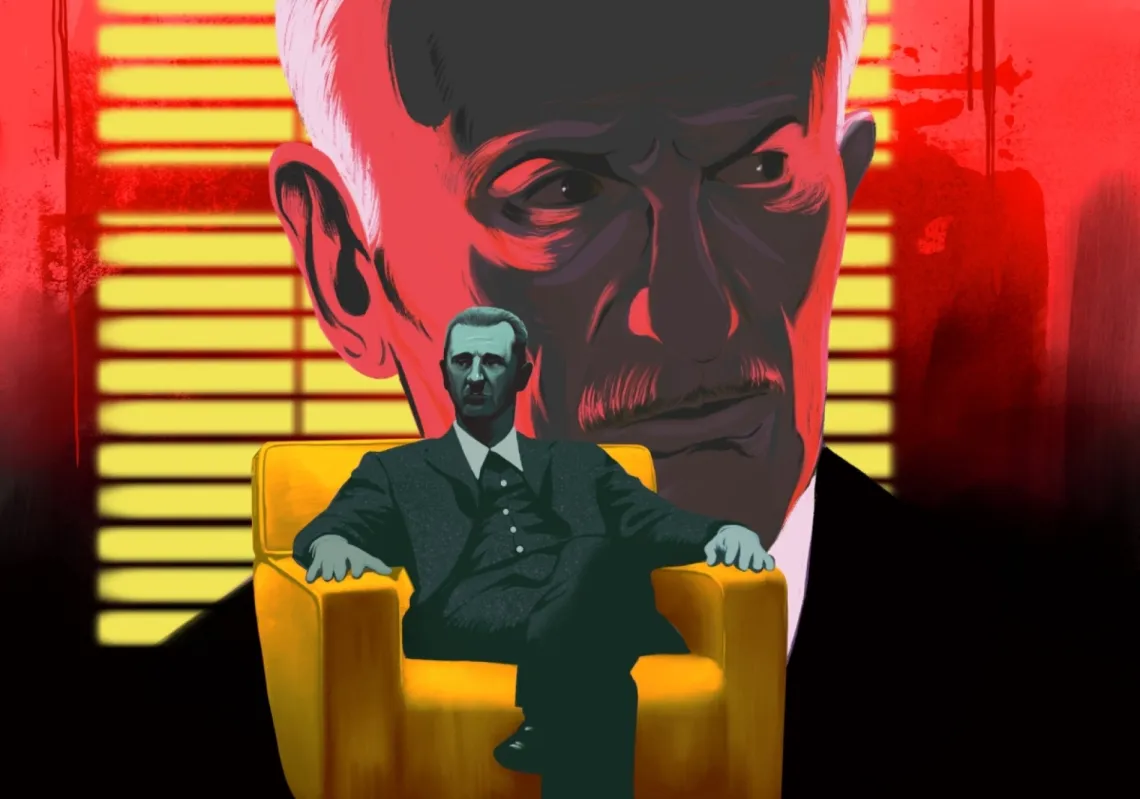
The US wanted Syria to abstain from meddling in Iraqi affairs, deny refuge to former Saddam loyalists, expel Palestinian organisations from Syria, and withdraw Syrian military forces from Lebanon
On the eve of America's invasion of Iraq in March 2003, Syrian and Iranian leaders met to consider their options. In part 6 of a seven-part series, Al Majalla reveals their shared concerns and hopes.
Rising oil prices will boost the Kremlin's coffers as costs over Ukraine mount, but a total defeat of Iran could lead to the deployment of radar stations in the north, near Russia's border
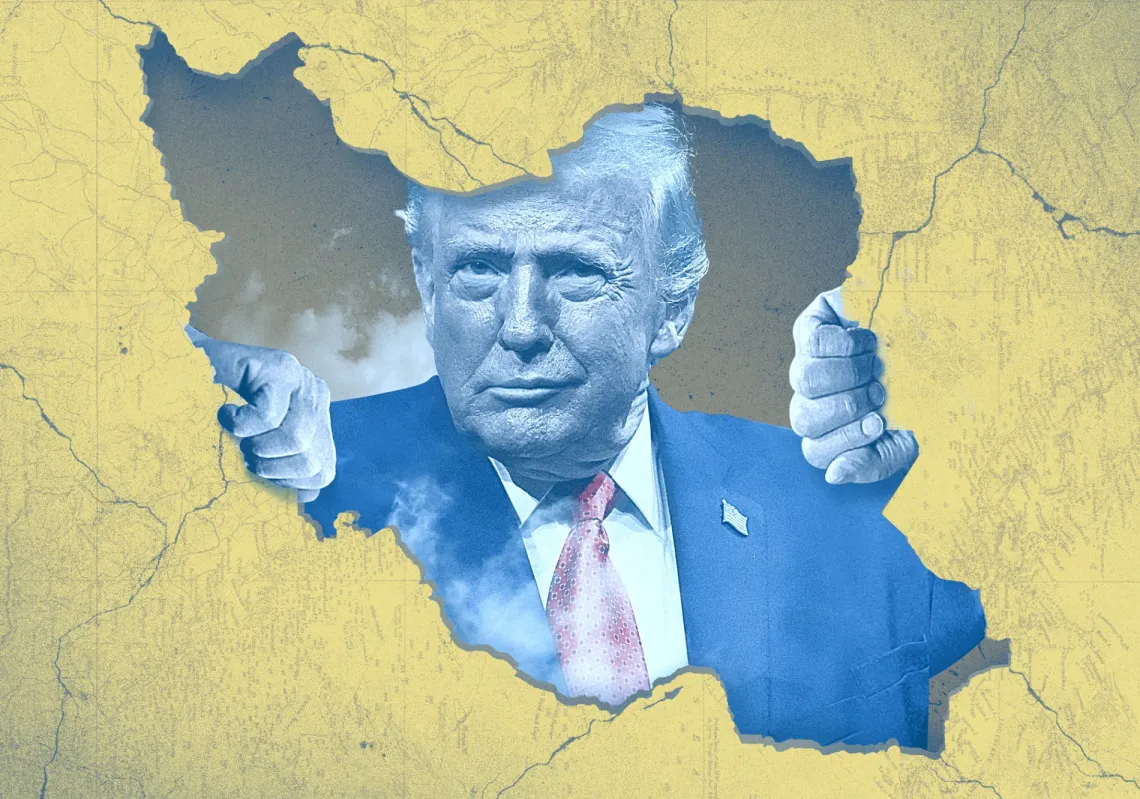
From military spending to energy markets, the US-Israeli war on Iran is driving rising costs, with the Strait of Hormuz emerging as a central pressure point
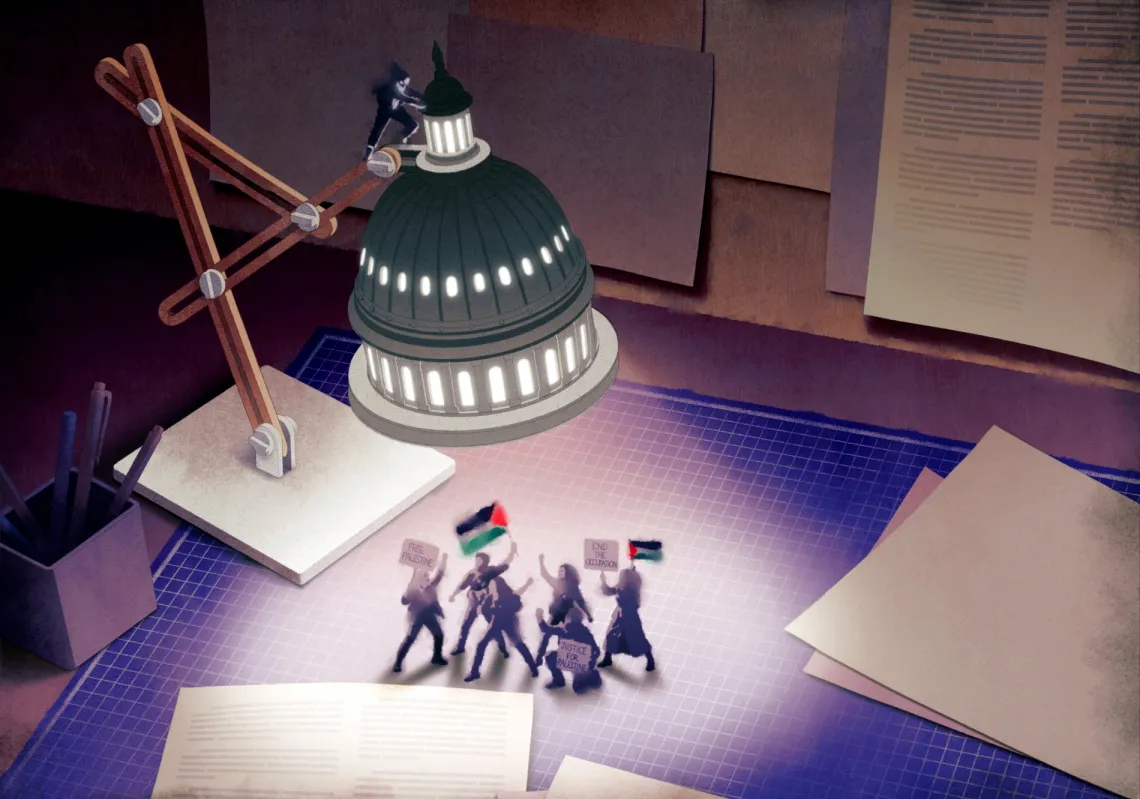
Until fairly recently, most Americans sided with Israel. These days, most side with the Palestinians. That will eventually influence US foreign policy.