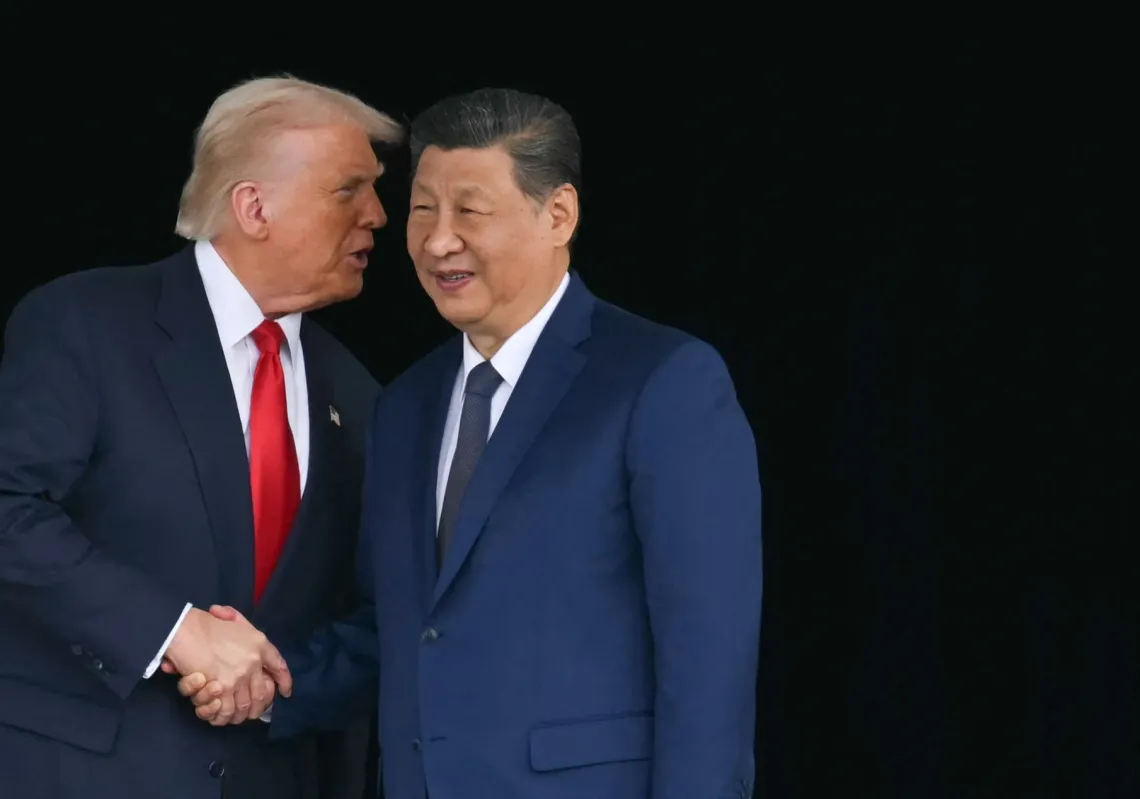
Recently declassified meeting minutes between the two leaders show how Washington was well aware of Moscow's grievances over NATO expansion, but went ahead anyway
In 2002, the CIA informed Iraqi Kurds of its plan for regime change. In part 1 of a 7-part series, Al Majalla publishes first-hand accounts of the conversations that would change the Middle East.
Damascus and Tehran wanted invading US troops to get stuck in a 'new Vietnam' and set up an operations room headed by their top lieutenants to cause havoc, never-before-published documents show.
The British Royal Air Force carried out the first wartime airdrops during World War I in Iraq. Since then, airdrops have become more sophisticated and have been used in many conflicts.
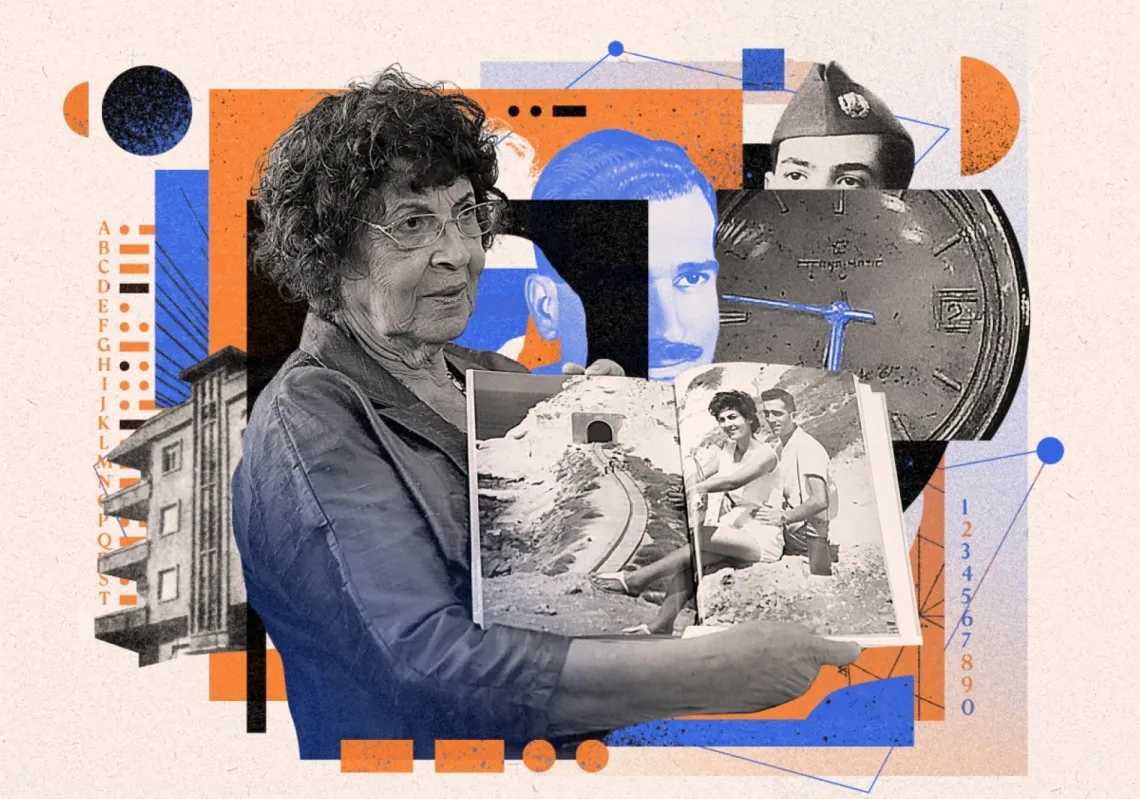
Earlier this month Egypt released its archives. Israel released its own last year, making Syria the only remaining participant of the October 1973 war to not declassify.
Al Majalla obtains draft agreement that includes a prisoner exchange, an intensification of humanitarian aid, the recognition of a Palestinian state, and regional security agreements.
The iconic Indian nationalist leader famously said: 'Palestine belongs to the Arabs in the same sense as England belongs to the English and France to the French.'
Churchill had created a social hierarchy for the Middle East, and at its helm were the Arab Bedouins, then came the urban merchants in cities like Damascus. The third tier was Palestinian farmers.
Khamenei has struck a defiant tone amid growing protests against his regime, but a series of regional setbacks, coupled with an emboldened Trump, could finally bring it down
Overcoming Yemen's fragmentation requires more support for the Riyadh-led path—one that rejects secession, all militias and institutionalises the state
If fighting spreads beyond the predominantly Kurdish neighbourhoods of Ashrafieh and Sheikh Maqsoud and beyond Aleppo, there is a real risk that Syria could be dragged into a new civil war
Recently declassified meeting minutes between the two leaders show how Washington was well aware of Moscow's grievances over NATO expansion, but went ahead anyway