
In 2013, Gen. Ahmed Ibrahim Kamel watched as the Egyptian army fought the Islamic State (IS) in Sinai, the peninsula that borders both Israel and the Gaza Strip. Almost 40 years earlier, he was among the troops crossing the Suez Canal into Sinai to regain control of the territory, which had been occupied by Israel six years earlier. The crossing paved the way for a much-needed victory in October 1973, which proved consequential for the Middle East’s military balance of power for the following decades.
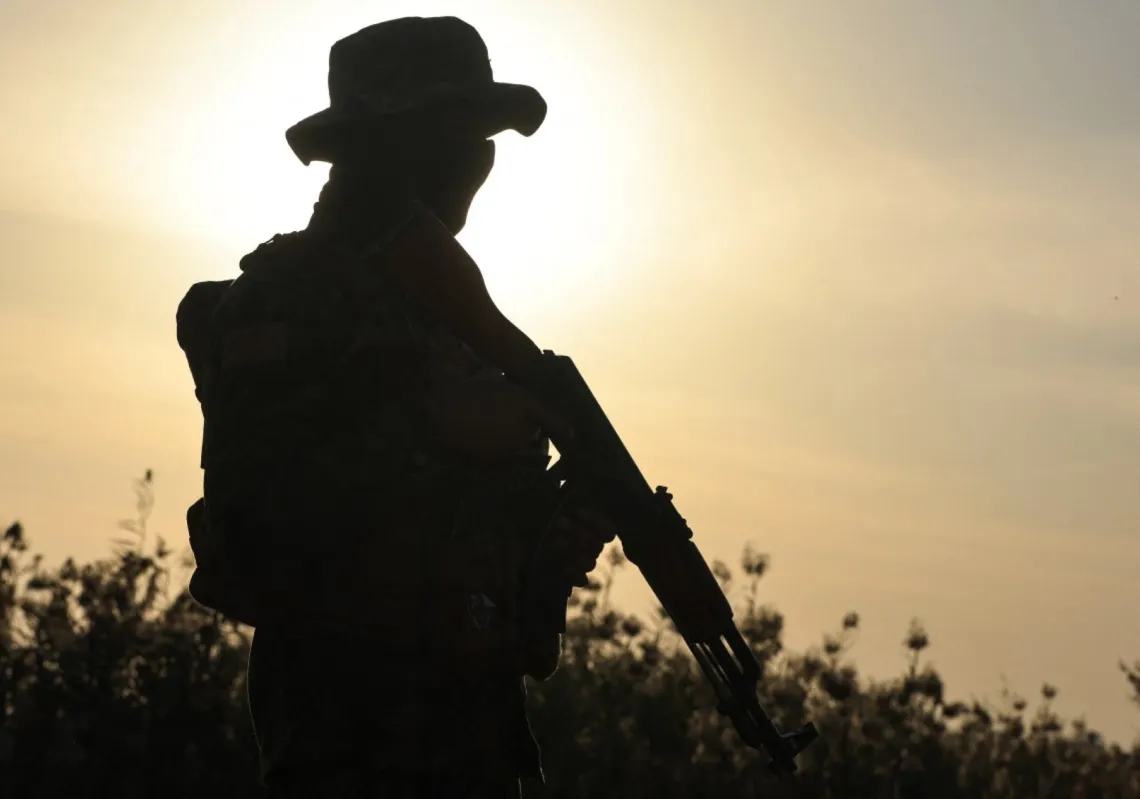
To Gen. Kamel, defeating IS in Sinai was tantamount to another crossing, smaller in scale than 1973 but no less vital. As of 2012, IS controlled pockets of the north-eastern peninsula and aspired to establish a caliphate there. “The presence of such a terrorist group on Egypt’s border with other countries was extremely dangerous,” he said, speaking to Al Majalla. The group’s presence facilitated external resupply lines, fuelling its expansion. “This threatened to undermine Egypt’s sovereignty over Sinai, a territory that Egyptians had paid with their blood to liberate.”
At the time, IS had already overrun large swaths of Syria and Iraq, and was threatening other regional countries, aspiring to establish a caliphate across most of the Middle East. To defeat it, the Egyptian army had to cut off its supply routes, about which it knew little. These routes were providing the jihadists with weapons and recruits. The Sinai borders Gaza, but relations between Egypt and Hamas (which Cairo sees as an ideological offshoot of the Muslim Brotherhood) had deteriorated, which reduced information-sharing.
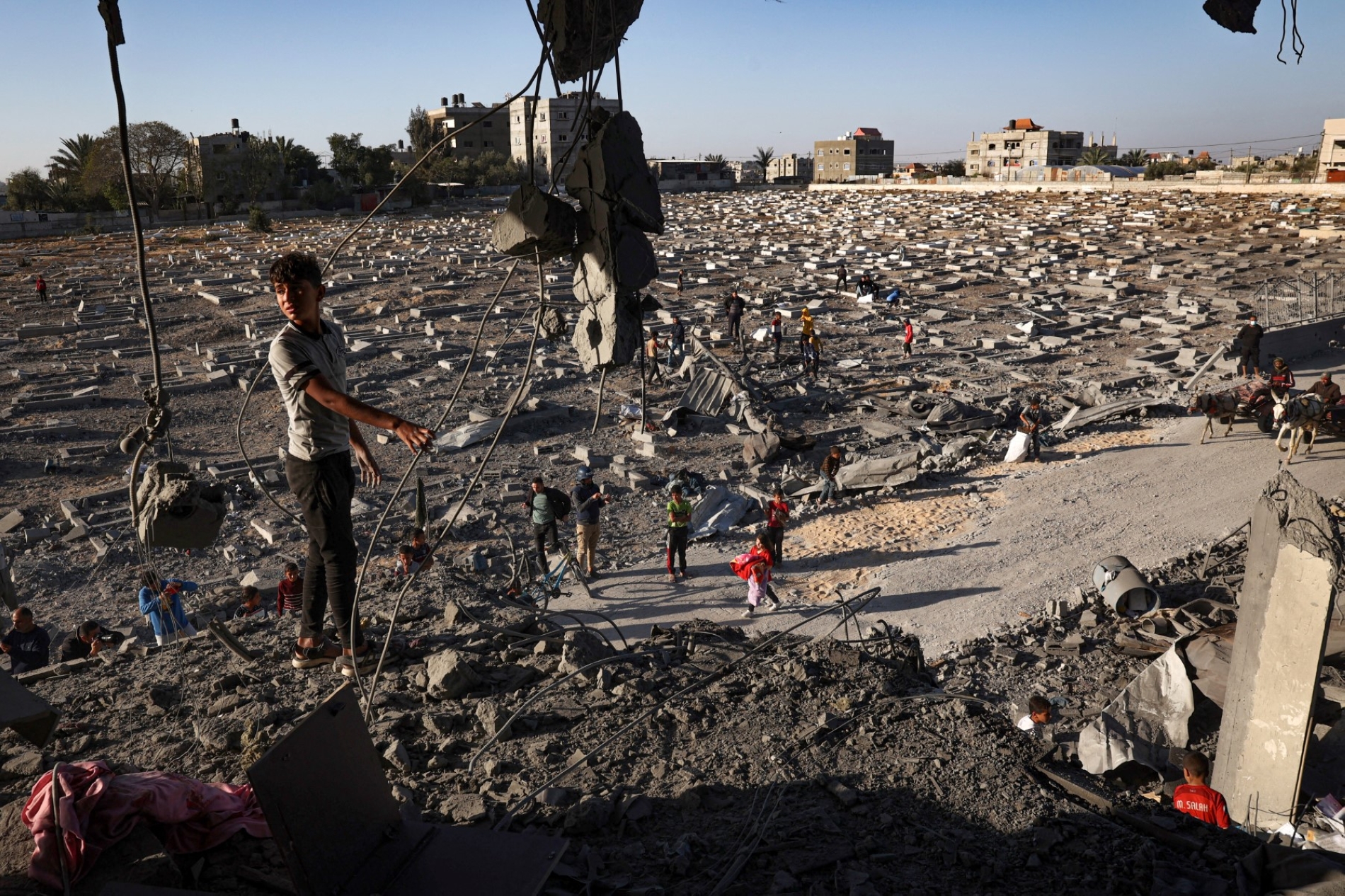
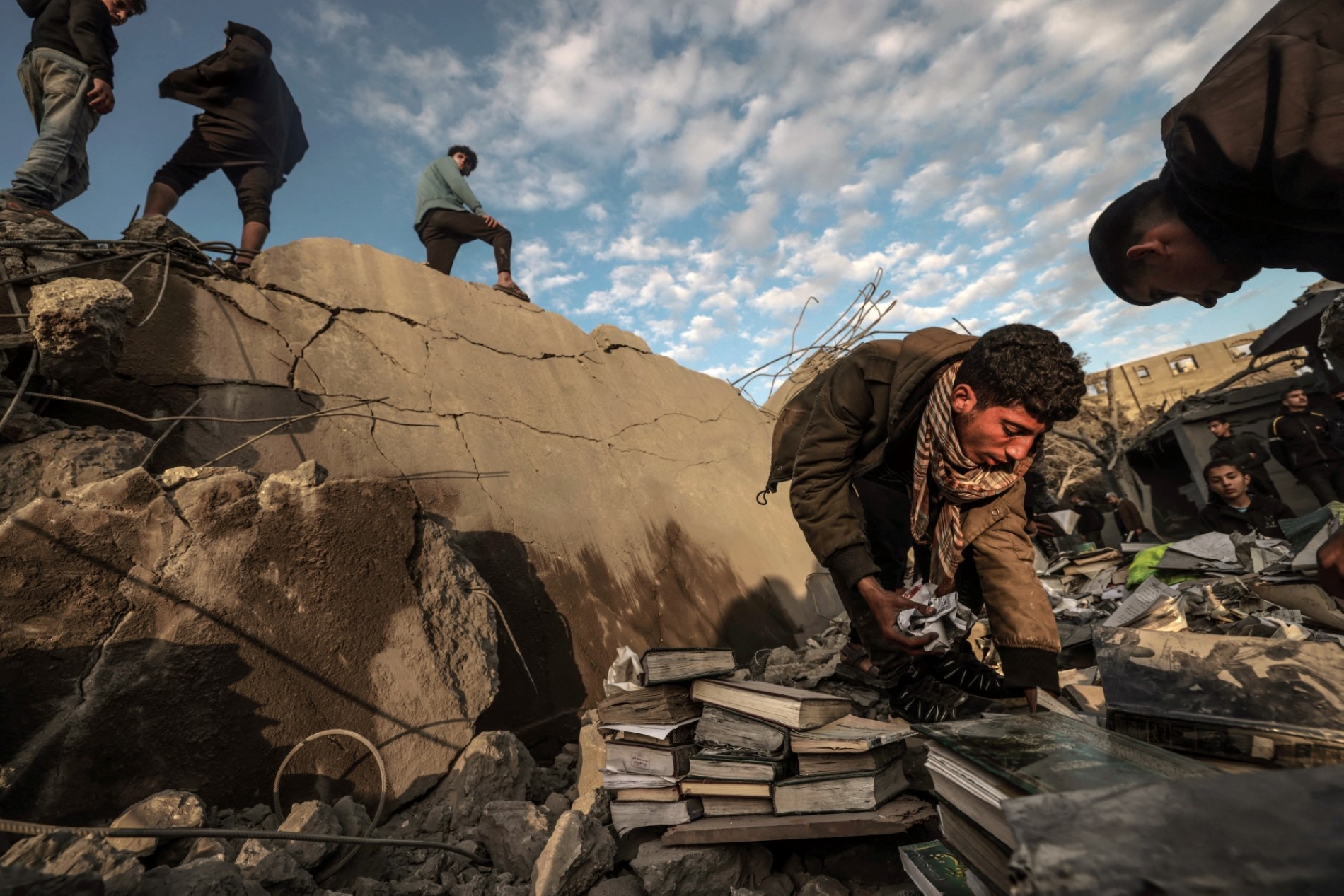
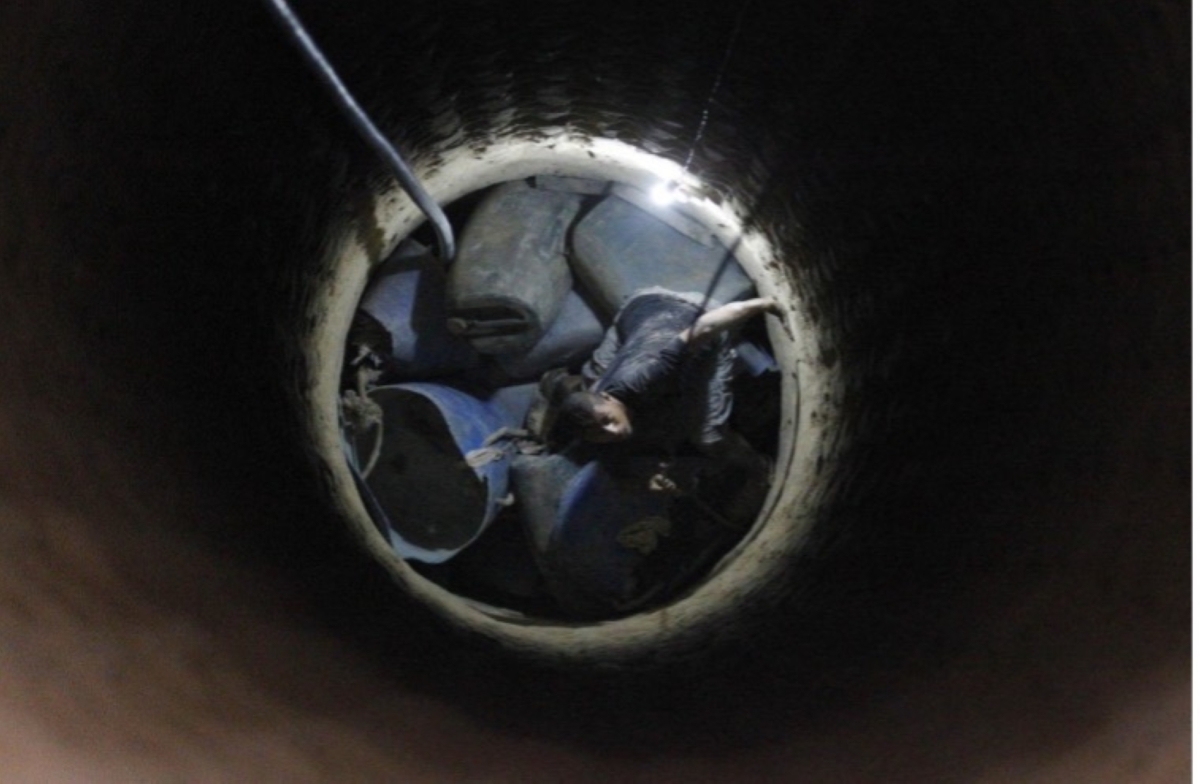
The first challenge facing the army command was to trace the tunnels. Most had a covered opening that led into a series of routes, Gen. Kamel said. “They were also at different depths,” he added. Some had openings concealed inside homes in the city of Rafah on the border with Gaza. Others were hidden in mosques. Once the tunnels were located, army engineers faced a new challenge: how to destroy them.
Flooding the arteries
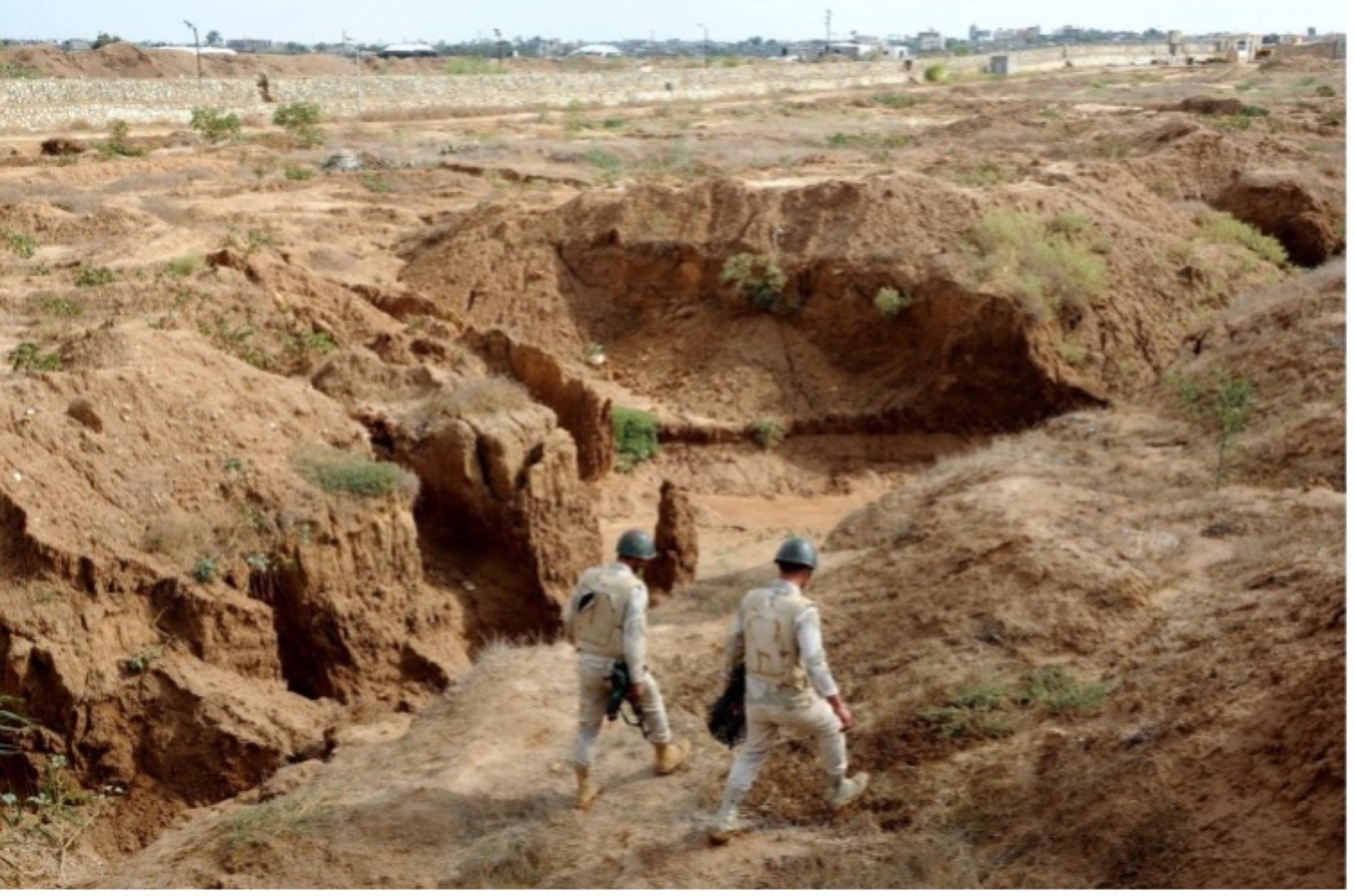
The engineers came up with a series of ideas to eliminate the extensive network of smuggling tunnels between Sinai and Gaza. By early 2013, their preference was to flood the discovered tunnels with raw sewage and untreated wastewater. Toxic waste soon filled the underground passages, releasing noxious gases and triggering structural mudslides, followed by further flooding from seawater from the Mediterranean.
“It proved very effective,” said Gen. Ali Hefzi, another October war veteran and a former governor of North Sinai. “It incapacitated most of the tunnels where it was used, eventually causing their collapse.” Hefzi believes the sewage-water tactic echoed the water pumping used to destroy the Bar Lev Line at the start of the war in 1973 (the Bar Lev Line was a chain of Israeli military fortifications along the eastern bank of the Suez Canal, built after the 1967 War and designed to make it impossible for Egyptian troops and tanks to cross into Sinai).