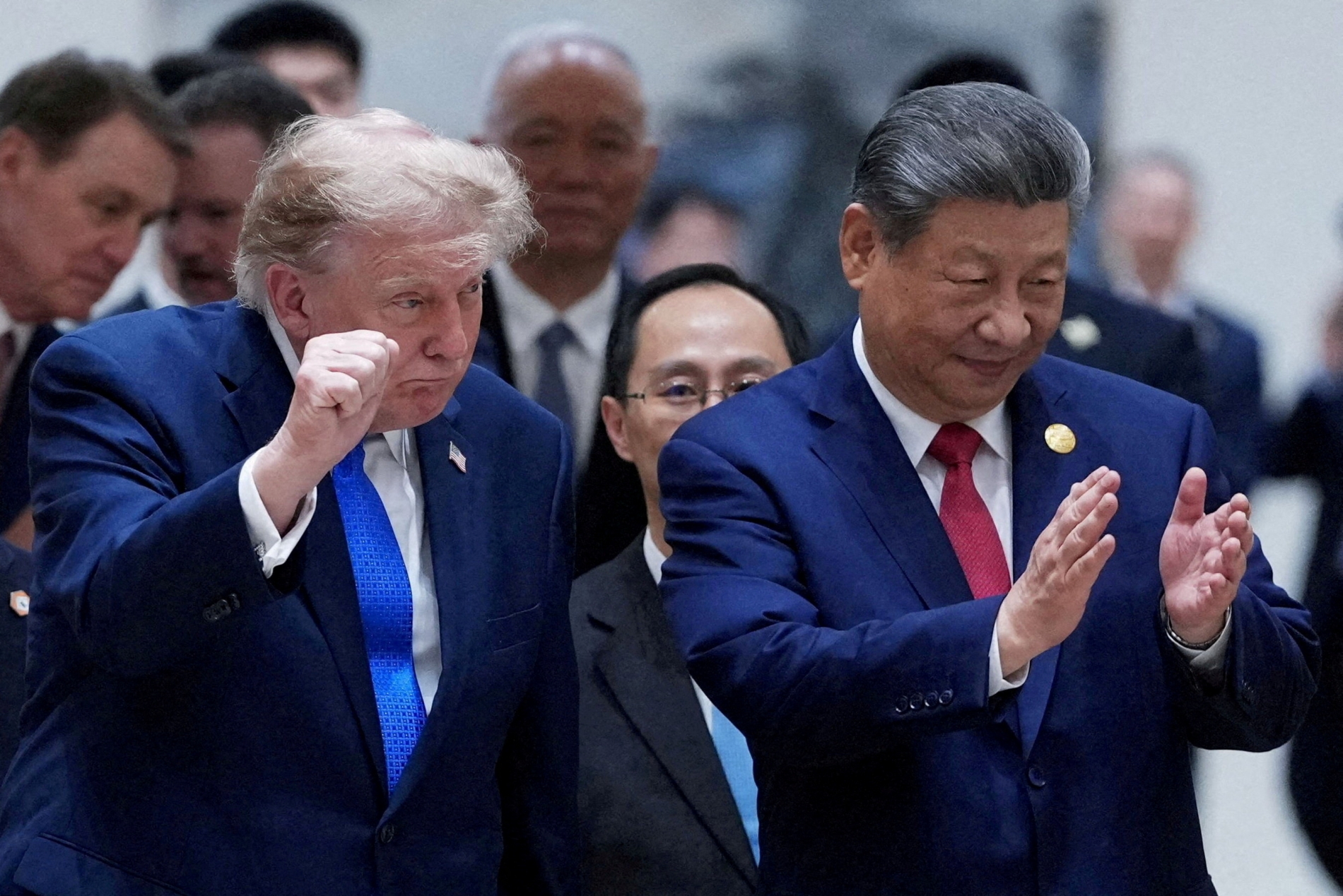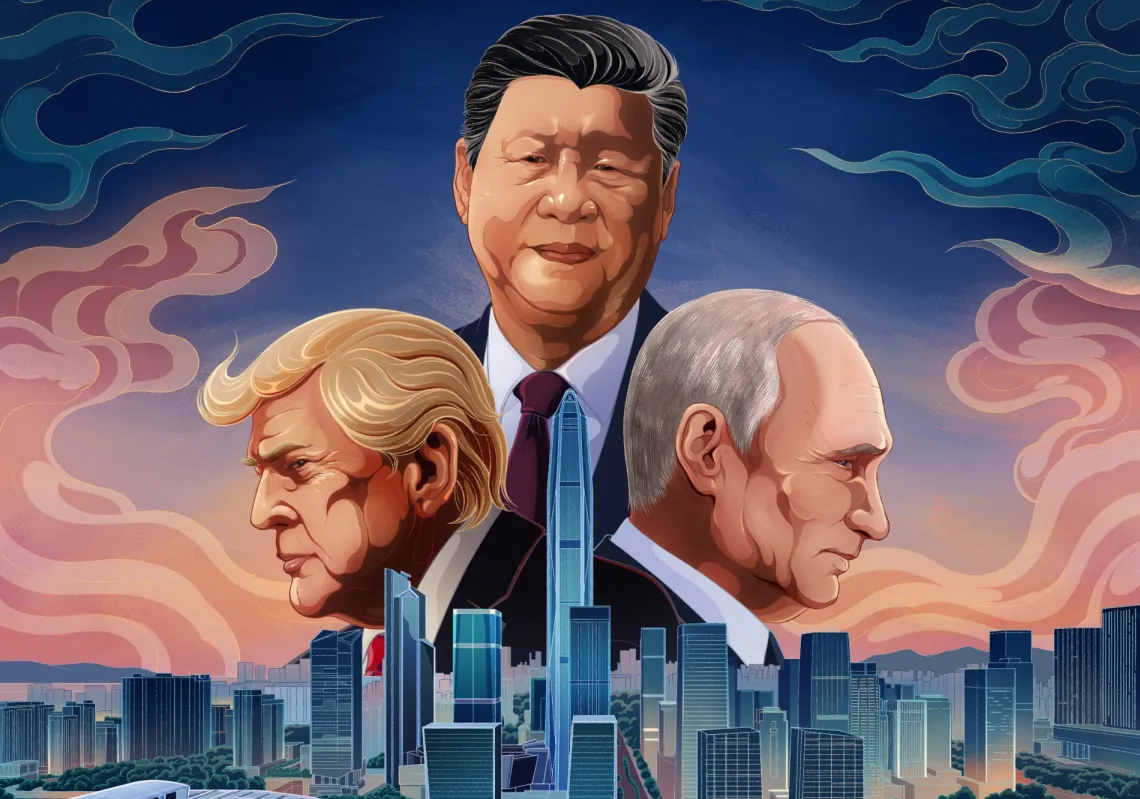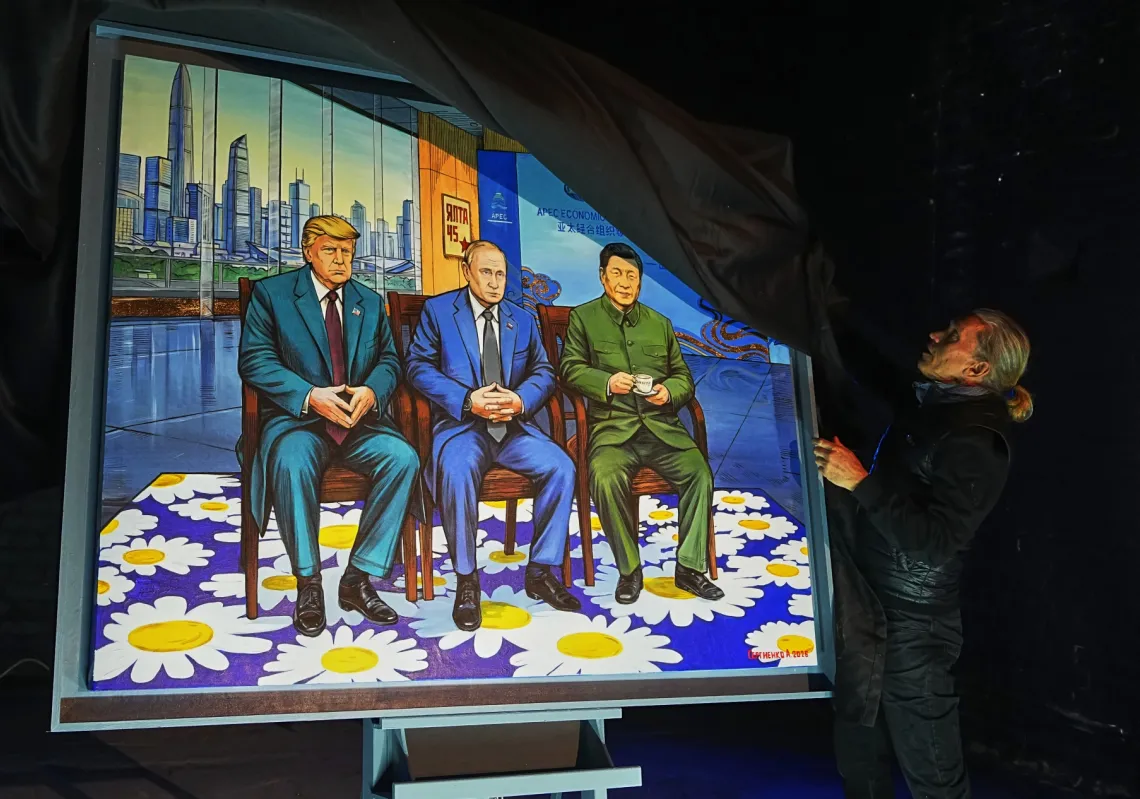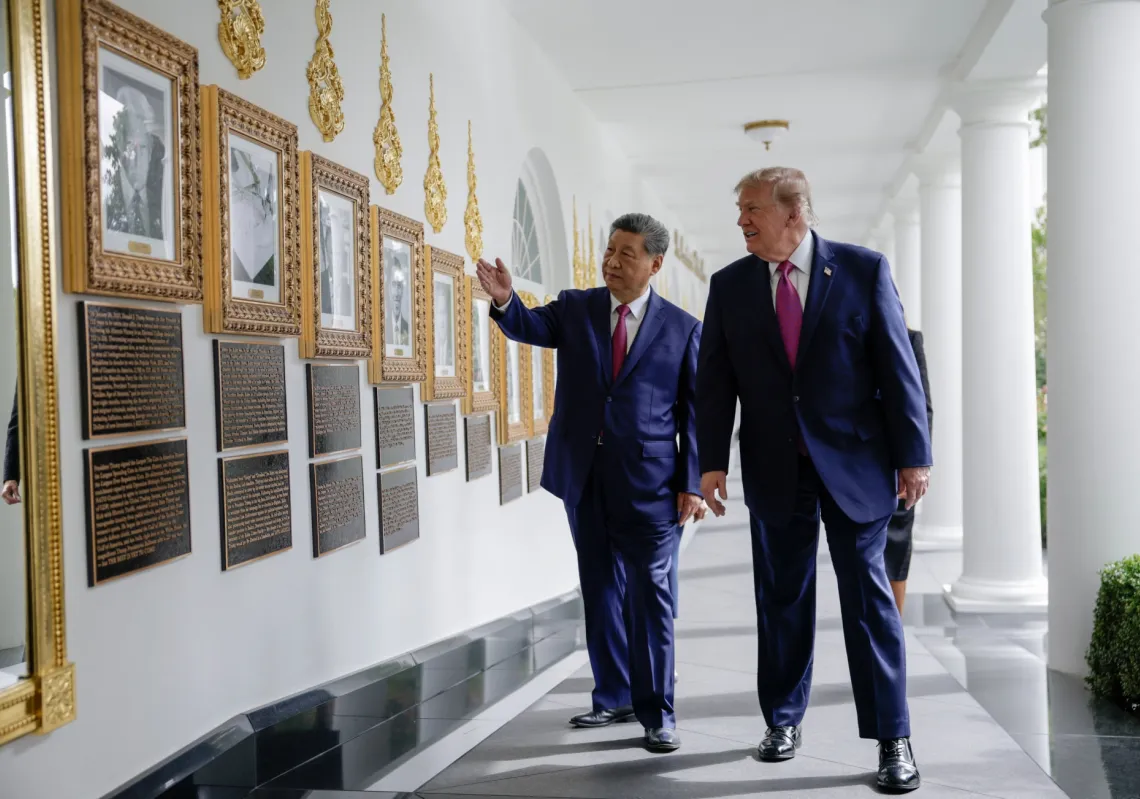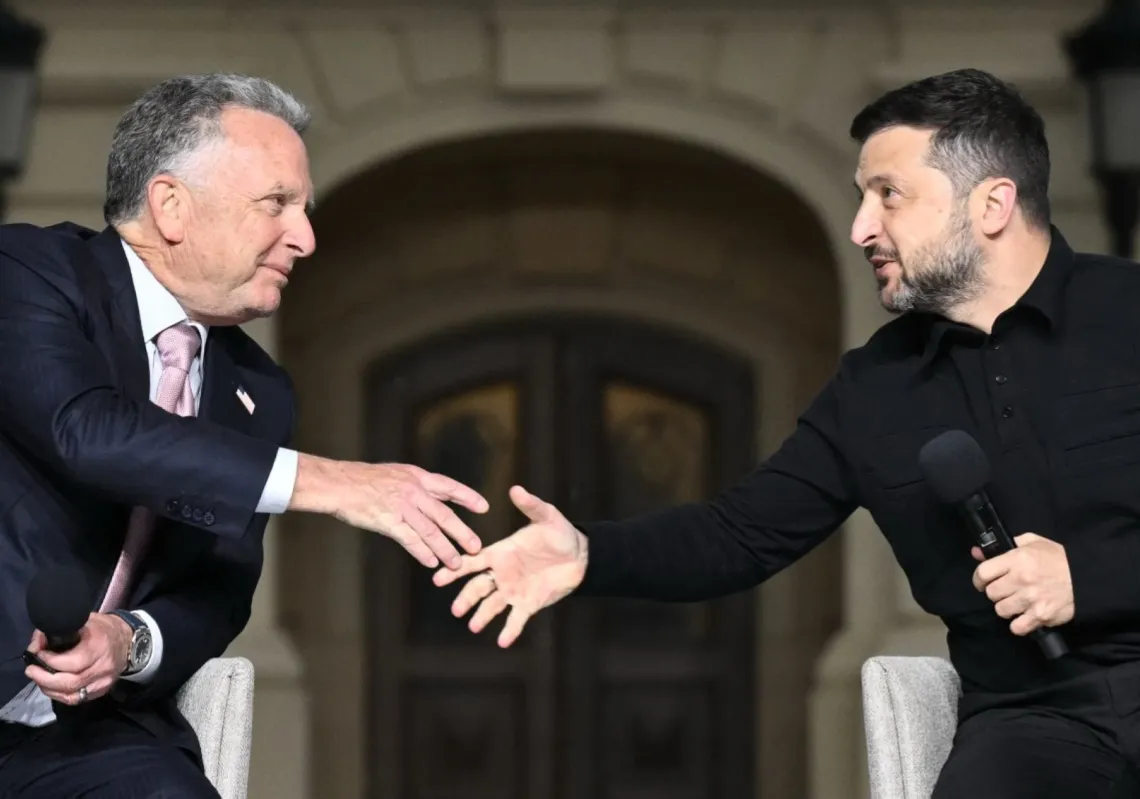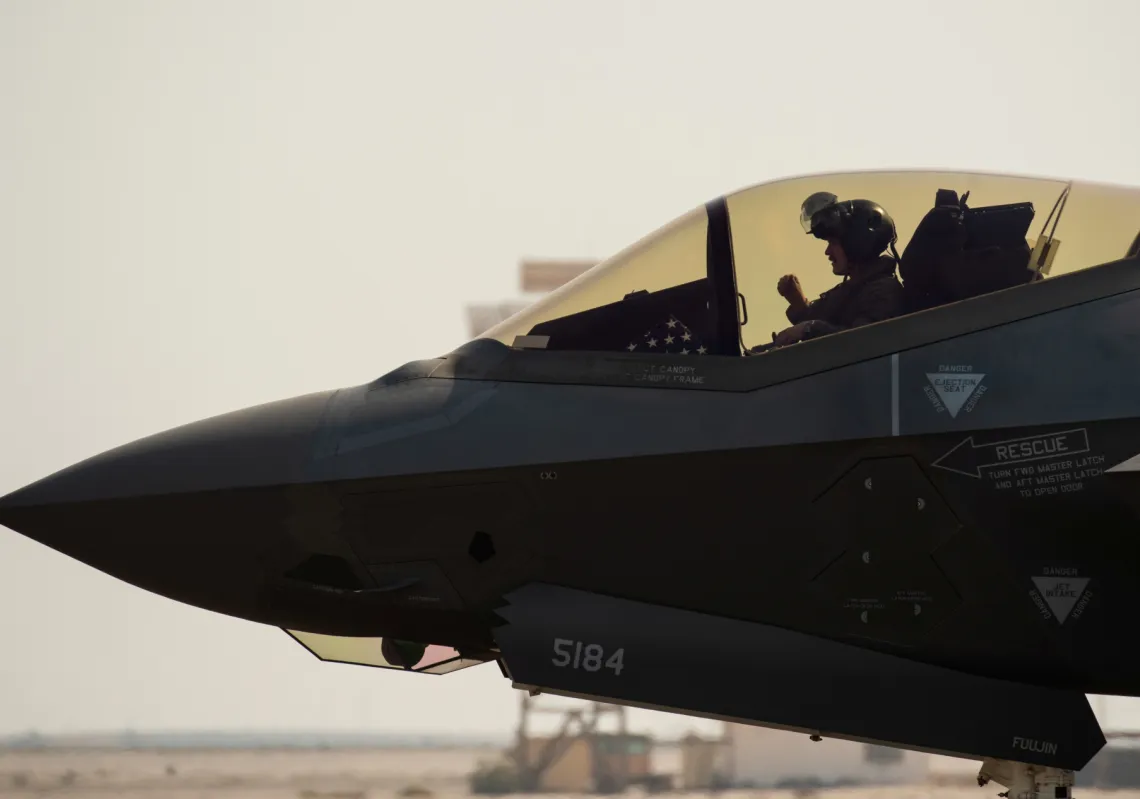
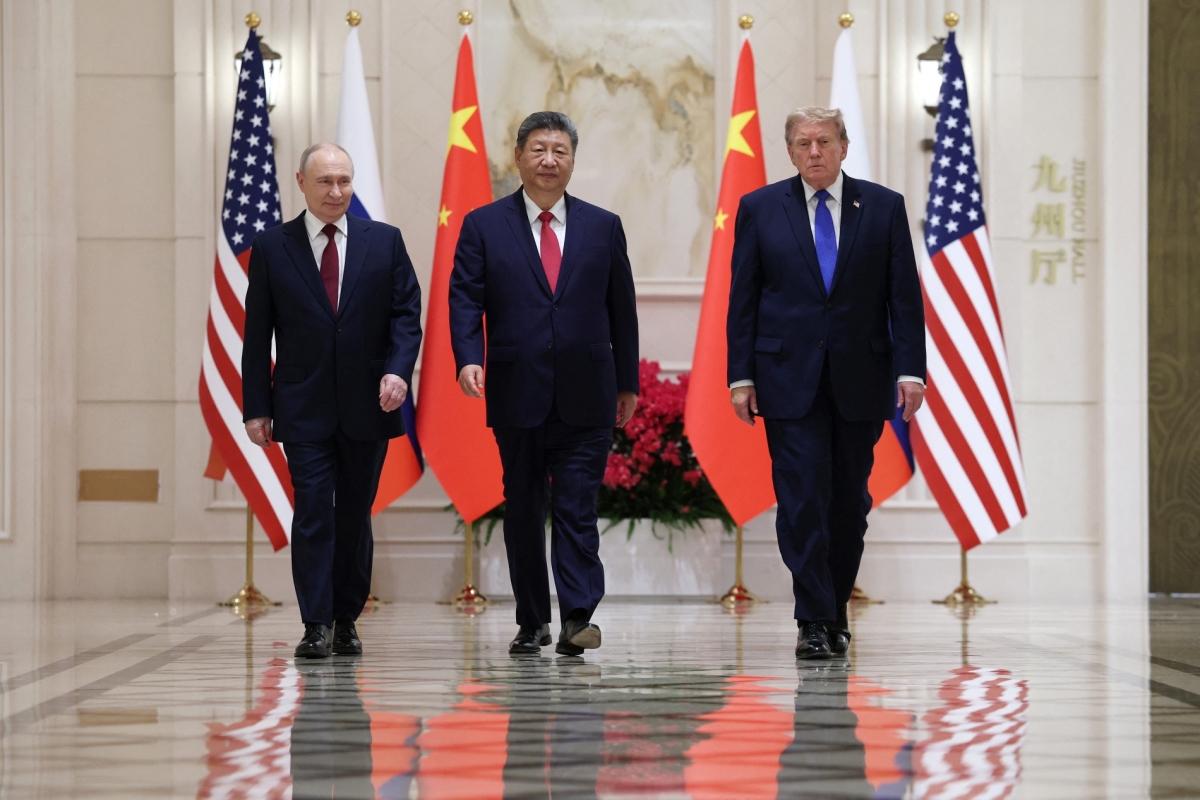

Chinese President Xi Jinping hosted US President Donald Trump and Russian President Vladimir Putin at Kylin Villa in Shenzhen, in an extravagant spectacle of friendship. The historic trilateral meeting featured warm handshakes, tarmac hugs, and extended arms for the world's cameras. Beijing called the summit "groundbreaking"; Trump scored it "12 out of 10” and referred to both Putin and Xi as “friends”.
But perhaps the week’s most revealing development came before the Shenzhen photo ops. Asked on Fox News whether he would pressure Beijing to stop spying on the US, Trump shrugged: "We spy on them...I think we do it better than China." He then added, "I know everything."
The amicable interactions between the leaders signalled that cooperation between the world’s great powers was possible. Some noticed that Trump showed far more warmth for both Xi and Putin than some of America's closest Western allies. But beneath the surface, the three great powers remain deeply divided on the wars in Ukraine and Iran, and the contours of a new world order.
The one thing they seemed to agree on is dismantling the international institutions that bind them, such as the International Criminal Court and the United Nations. In fact, Trump has pulled the US out of 66 international organisations, 31 of which were UN entities, right at the beginning of his second term in office. At the Shenzhen summit, he promised to shield national sovereignty from "rogue globalist organisations," singling out the ICC specifically. Putin must have been delighted to hear that, since he himself is the subject of an ICC arrest warrant over Ukraine. For its part, Beijing has opposed the court since it issued a warrant for former Philippine President Rodrigo Duterte, and it also dismisses petitions over Xinjiang. From this view, disdain for these institutions appears to be shared.
This doesn’t mean the United Nations will disappear overnight. The three powers still see some benefits of multilateralism, but prefer a more selective approach. They appear to be sorting institutions into two camps—those that bind them, such as the ICC, arms control treaties, and human rights bodies, and those that benefit them, like the Security Council veto.
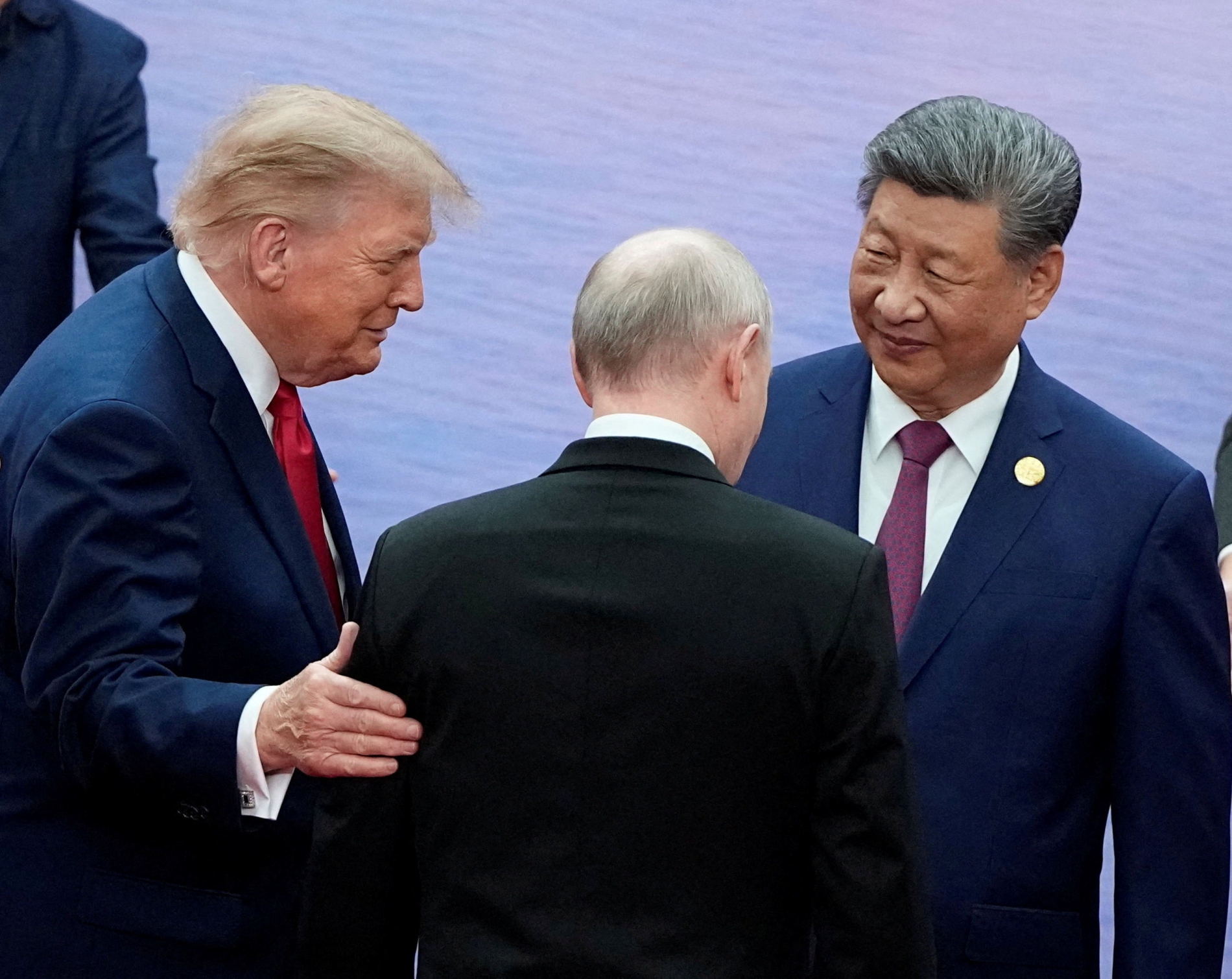
Xi flips the script
In Shenzhen, Trump pressed the idea of a three-way nuclear arms control agreement, which Beijing’s foreign ministry, just a day before the US president arrived, described as “neither reasonable nor realistic”. However, at the summit, Xi flipped the script by calling for all nuclear weapons to be banned and destroyed.
While his comments drew international praise, they were more a polite rejection of Trump’s plan than an altruistic gesture. China’s nuclear arsenal (estimated at more than 600) is drastically smaller than that of the US and Russia (estimated at more than 5,000). Any proportional reduction would bring China to near zero long before the other two. No Chinese leader would sign off on such a commitment. The message was clear: China will not reduce in step with powers that hold eight times its arsenal. If Washington wants disarmament, then everyone should go to zero together. Since no one will, offering total disarmament costs Beijing nothing and casts it as the principled party.