After Shenzhen: the world just got more dangerous

Behind the warm handshakes and smiles, the three great powers remain deeply divided on the wars in Ukraine and Iran, and the contours of a new world order

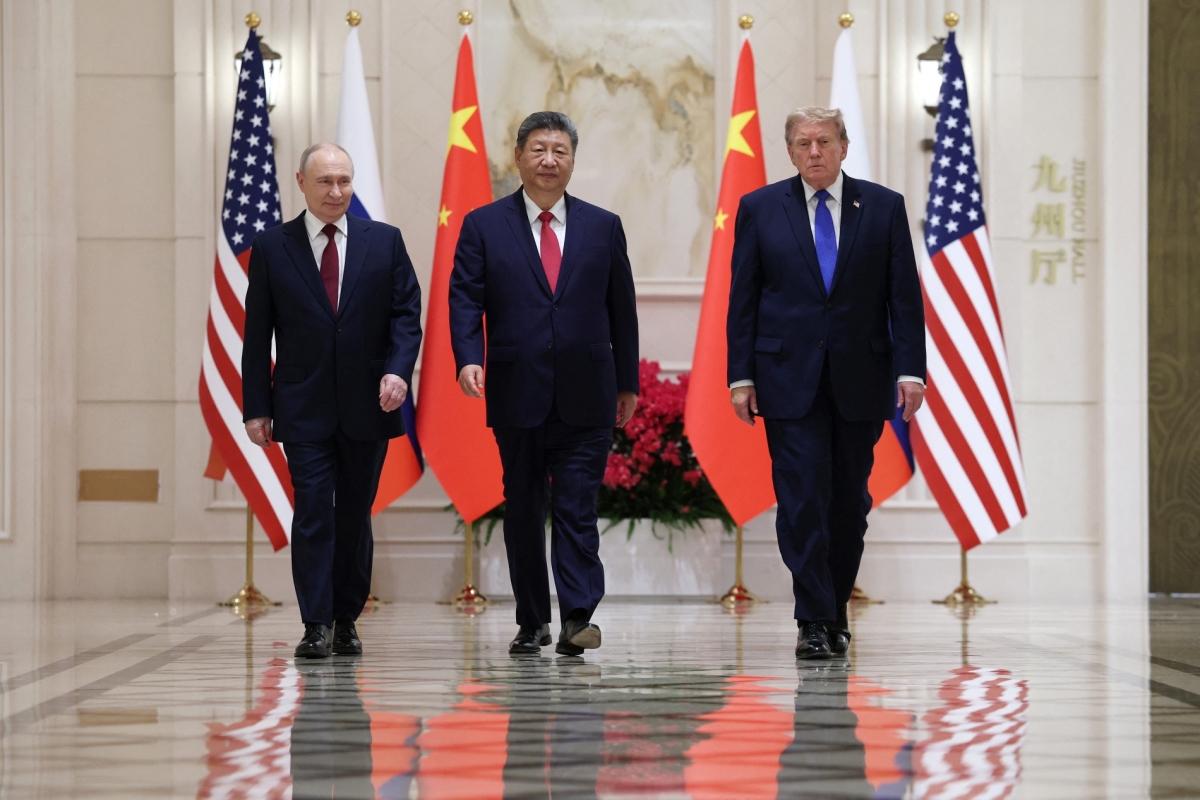
As US President Donald Trump, Chinese President Xi Jinping, and Russian President Vladimir Putin arrive for a trilateral meeting at the "Kelin" Villa in the Shenzhen, China on 19 November 2026.
Reuters
As US President Donald Trump, Chinese President Xi Jinping, and Russian President Vladimir Putin arrive for a trilateral meeting at the "Kelin" Villa in the Shenzhen, China on 19 November 2026.

After Shenzhen: the world just got more dangerous

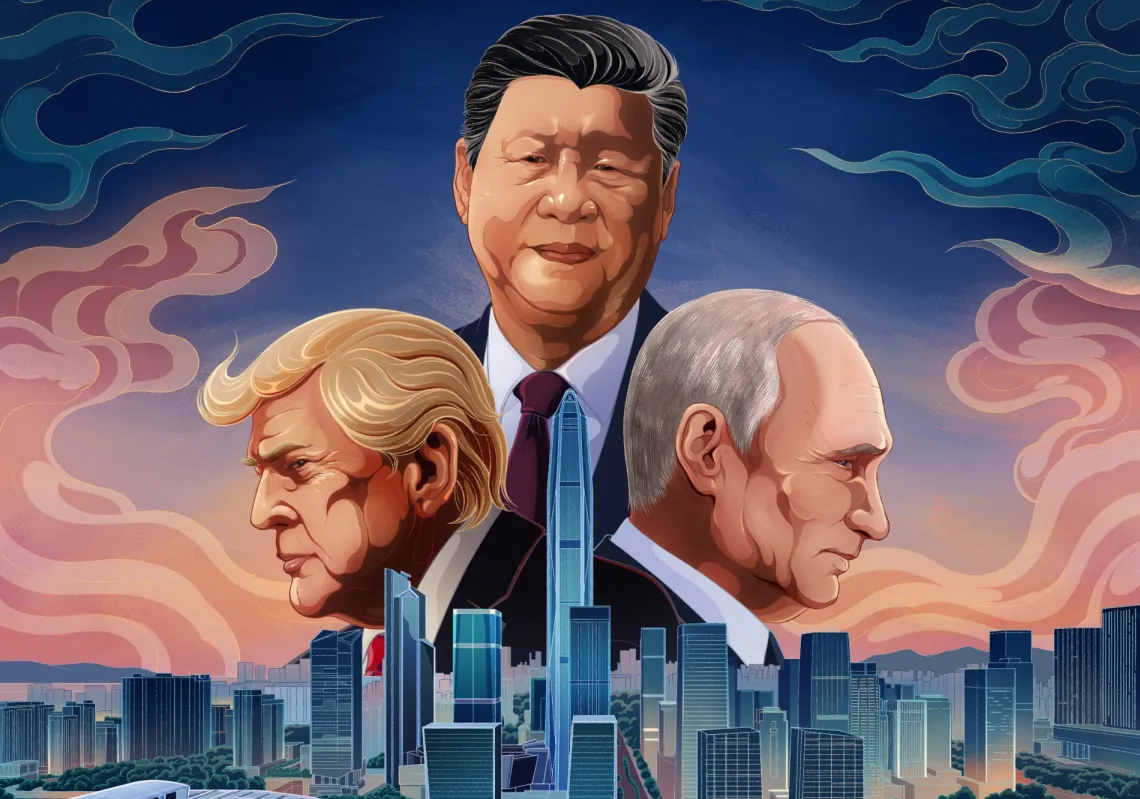
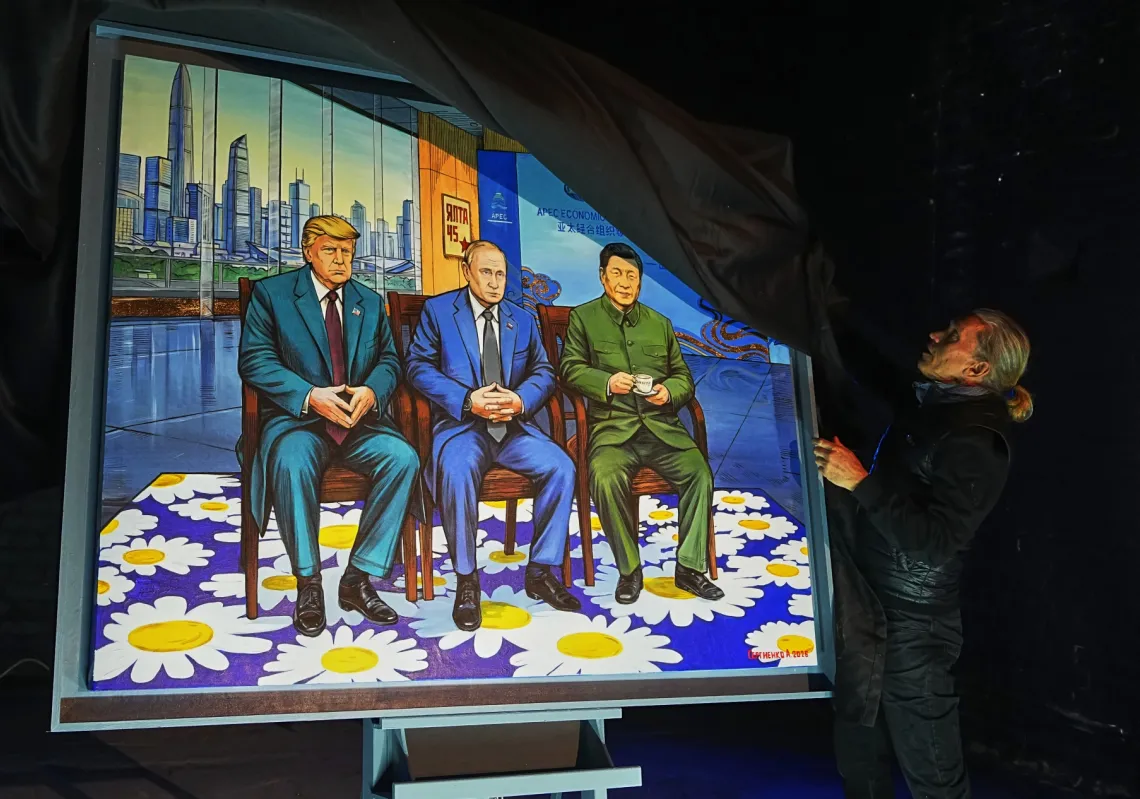
Chinese President Xi Jinping hosted US President Donald Trump and Russian President Vladimir Putin at Kylin Villa in Shenzhen, in an extravagant spectacle of friendship. The historic trilateral meeting featured warm handshakes, tarmac hugs, and extended arms for the world's cameras. Beijing called the summit "groundbreaking"; Trump scored it "12 out of 10” and referred to both Putin and Xi as “friends”.

But perhaps the week’s most revealing development came before the Shenzhen photo ops. Asked on Fox News whether he would pressure Beijing to stop spying on the US, Trump shrugged: "We spy on them...I think we do it better than China." He then added, "I know everything."

The amicable interactions between the leaders signalled that cooperation between the world’s great powers was possible. Some noticed that Trump showed far more warmth for both Xi and Putin than some of America's closest Western allies. But beneath the surface, the three great powers remain deeply divided on the wars in Ukraine and Iran, and the contours of a new world order.

The one thing they seemed to agree on is dismantling the international institutions that bind them, such as the International Criminal Court and the United Nations. In fact, Trump has pulled the US out of 66 international organisations, 31 of which were UN entities, right at the beginning of his second term in office. At the Shenzhen summit, he promised to shield national sovereignty from "rogue globalist organisations," singling out the ICC specifically. Putin must have been delighted to hear that, since he himself is the subject of an ICC arrest warrant over Ukraine. For its part, Beijing has opposed the court since it issued a warrant for former Philippine President Rodrigo Duterte, and it also dismisses petitions over Xinjiang. From this view, disdain for these institutions appears to be shared.

This doesn’t mean the United Nations will disappear overnight. The three powers still see some benefits of multilateralism, but prefer a more selective approach. They appear to be sorting institutions into two camps—those that bind them, such as the ICC, arms control treaties, and human rights bodies, and those that benefit them, like the Security Council veto.
Iori Sagisawa/ REUTERS
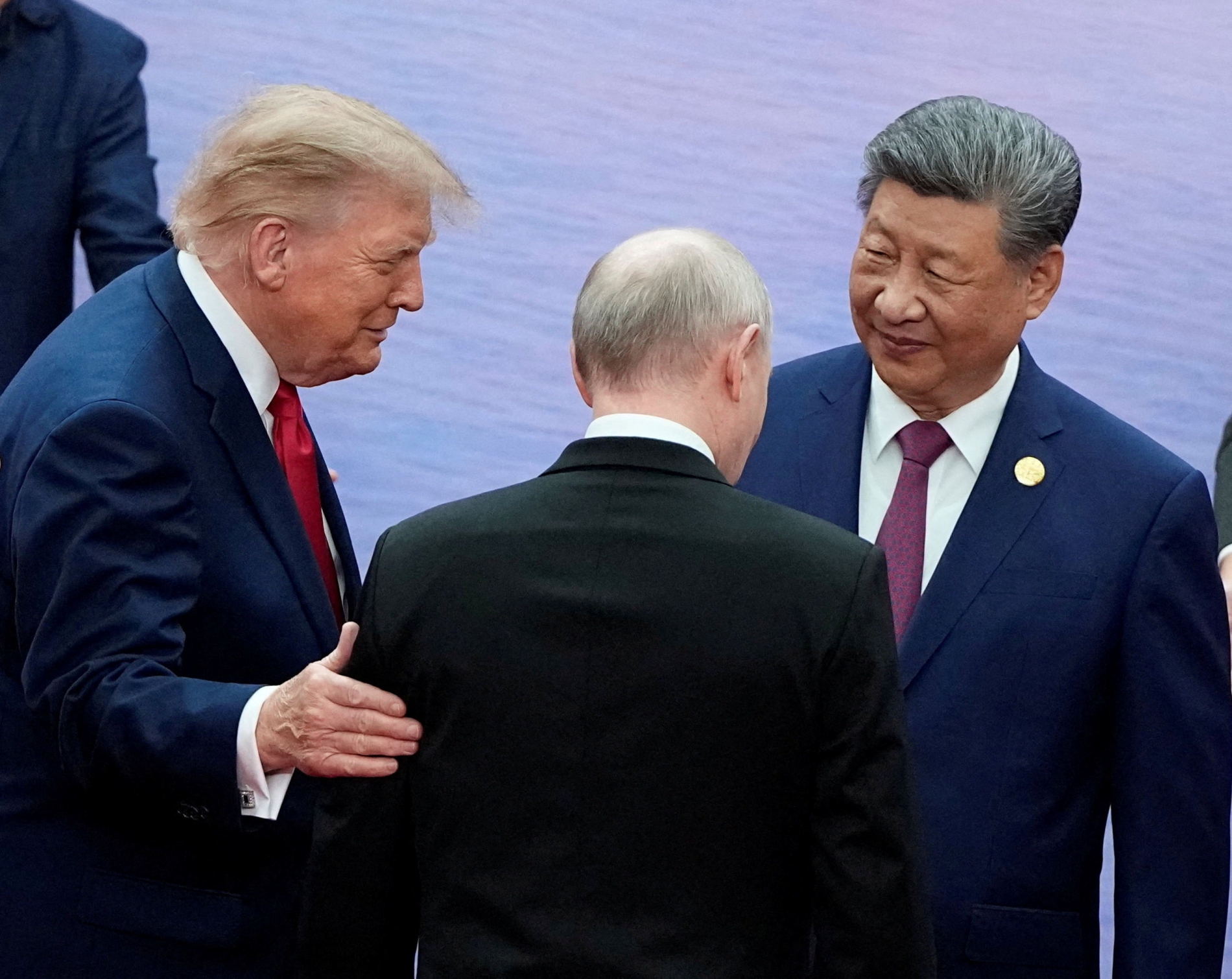
US President Donald Trump, Russian President Vladimir Putin and China’s President Xi Jinping meet at the Asia-Pacific Economic Cooperation (APEC) summit in Shenzhen, Guangdong province, on 18 November 2026.

Xi flips the script

In Shenzhen, Trump pressed the idea of a three-way nuclear arms control agreement, which Beijing’s foreign ministry, just a day before the US president arrived, described as “neither reasonable nor realistic”. However, at the summit, Xi flipped the script by calling for all nuclear weapons to be banned and destroyed.

While his comments drew international praise, they were more a polite rejection of Trump’s plan than an altruistic gesture. China’s nuclear arsenal (estimated at more than 600) is drastically smaller than that of the US and Russia (estimated at more than 5,000). Any proportional reduction would bring China to near zero long before the other two. No Chinese leader would sign off on such a commitment. The message was clear: China will not reduce in step with powers that hold eight times its arsenal. If Washington wants disarmament, then everyone should go to zero together. Since no one will, offering total disarmament costs Beijing nothing and casts it as the principled party.
With no treaty limits on Washington and Moscow, and Beijing also unwilling to accept limits, all three arsenals are now uncapped

Trump's failure to advance his nuclear agenda was enshrined in the summit's final declaration. No commitments or treaties were signed. Instead, the three powers reaffirmed that a nuclear war cannot be won and promised continuous dialogue on reducing nuclear risks. Beijing can accept hotlines and notifications. What it won't accept is nuclear reduction.

China's most probable path is therefore to keep building up its nuclear arsenal. The Pentagon projects it will have more than 1,000 warheads by 2030. Meanwhile, the US-Russian treaties that once capped their respective arsenals have expired. The world has moved on from the Cold War era, when two nuclear powers (the US and the Soviet Union) competed for global hegemony, to a new three-way contest for power.

Proponents of the summit argue that three nuclear powers talking with one another makes the world safer. This is true in a narrow sense. Leaders who communicate are less likely to miscalculate one another in a crisis. But critics warn that even if Shenzhen may have lowered the risk of accidents, it has increased systemic risk in three dangerous ways.

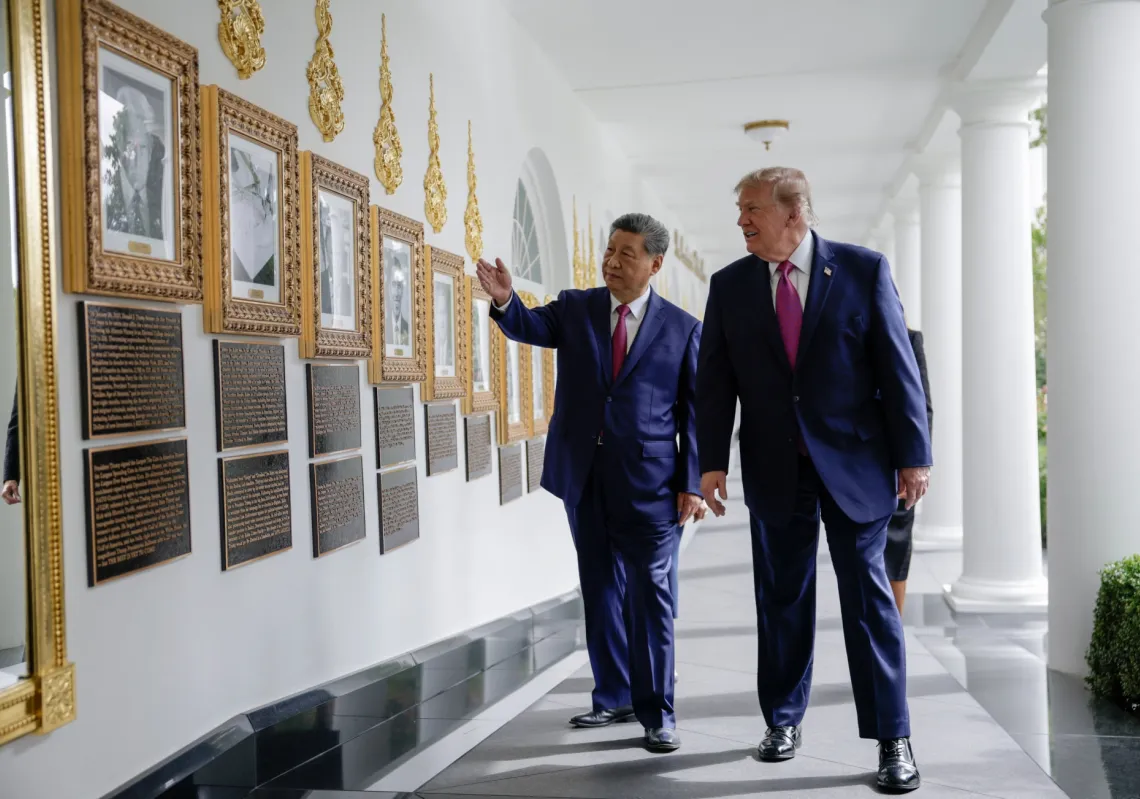
 Mark Schiefelbein / Reuters
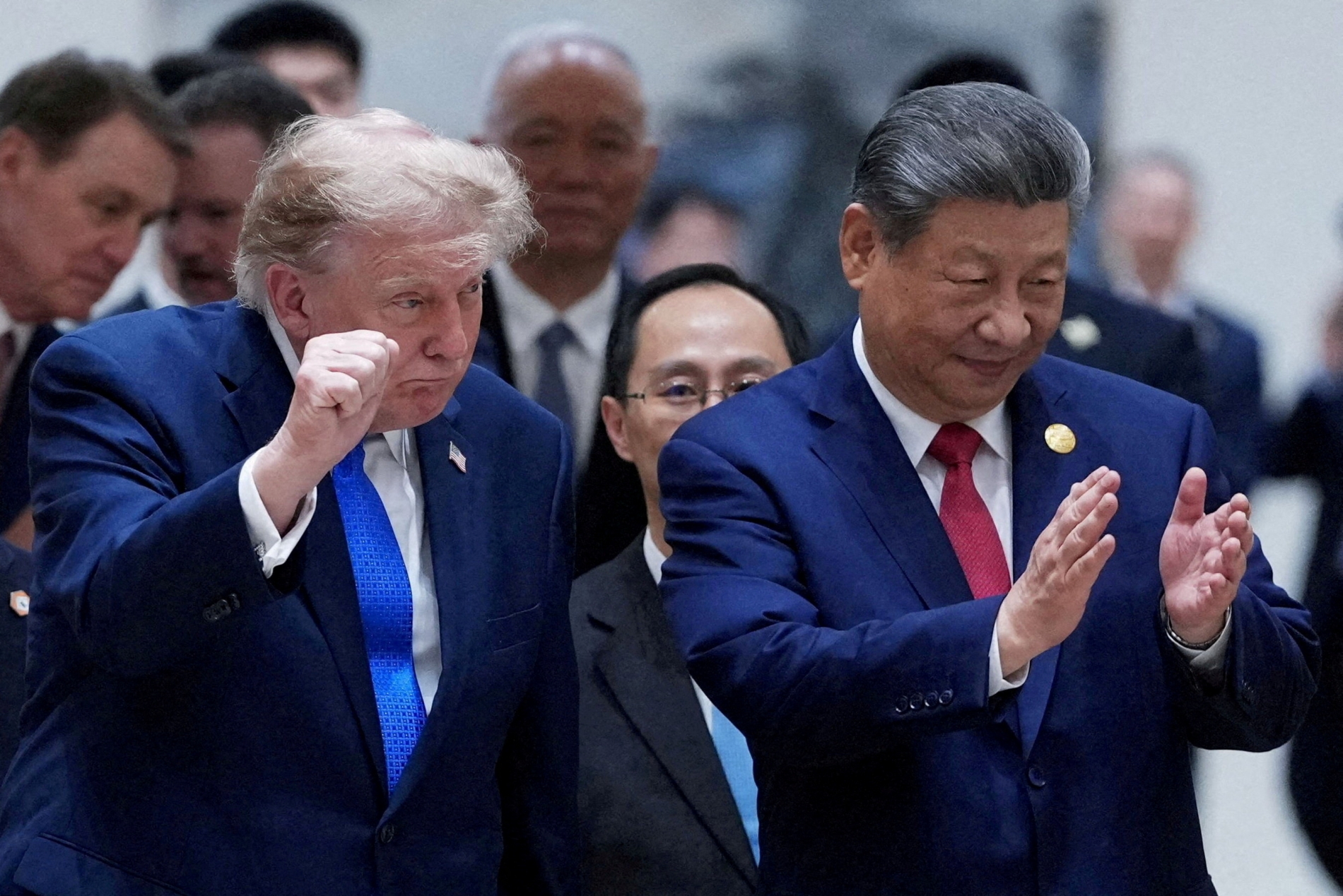
US President Donald Trump and Chinese President Xi Jinping react to musicians' performance as they walk to their luncheon at the Kylin Villa in Shenzhen in southern China's Guangdong Province, on 19 November 2026.

Three systemic risks

The first is nuclear. With no treaty limits on Washington and Moscow, and Beijing also unwilling to accept limits, all three arsenals are now uncapped. An uncontrolled, uninspected three-way race is far more dangerous than the two-way race the Cold War produced, and "dialogue on reducing nuclear risks" isn't enough to stop or slow the nuclear race.

The second is technological. The US and China have openly accepted permanent intelligence competition over chips and AI—the most strategically transformative and lethal technologies of the age. Unlike nuclear weapons, the AI arms race has no physical form, lacks clear oversight, and is developing at lightning speed. It is also being rapidly integrated into militaries before any rules have been agreed on.

The third is the rules-based global order. When the three most powerful states declare their officials immune from international justice, this effectively encourages other leaders worldwide to defy international law as well, creating a might-is-right mentality where international law becomes subservient to power.

When the three most powerful states declare their officials immune from international justice, others will defy international law as well

Against this backdrop, Europe, whose leaders met as Ukraine's Coalition of the Willing in Berlin on the day of the Shenzhen summit, will accelerate its own defence. In Japan and South Korea, debates about acquiring nuclear weapons will grow louder. Taiwan will read every pause in US arms sales as a setback in its geopolitical gamble.

The pictures from Kylin Villa will be remembered as images of friendship, but the global reality is far starker. The chip race is heating up; China's refusal to limit its nuclear arsenal will likely accelerate it; and all three leaders agreed that international rules should not apply to them. The US-China-Russia trilateral meeting makes the world less safe, not more.

font change