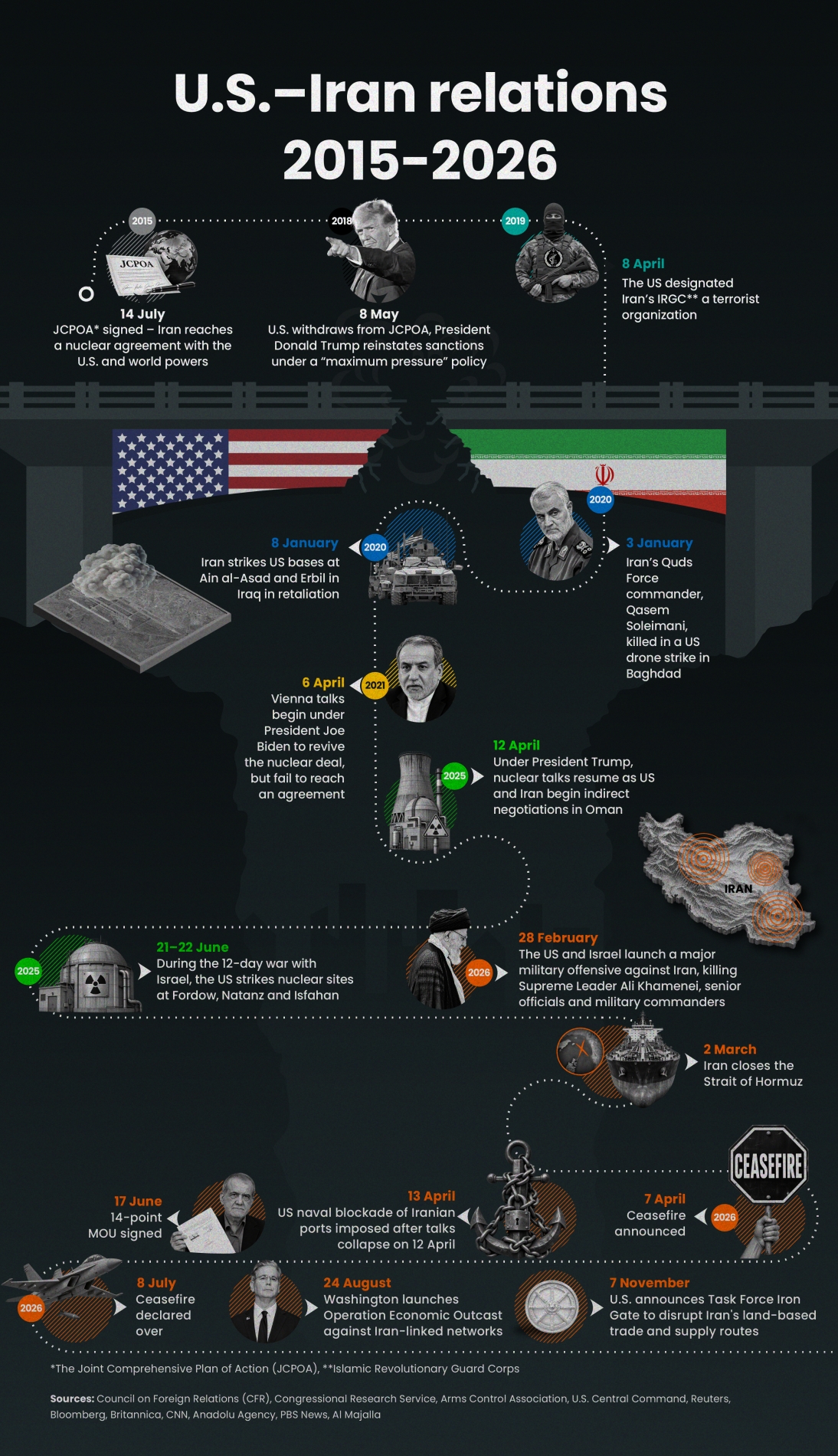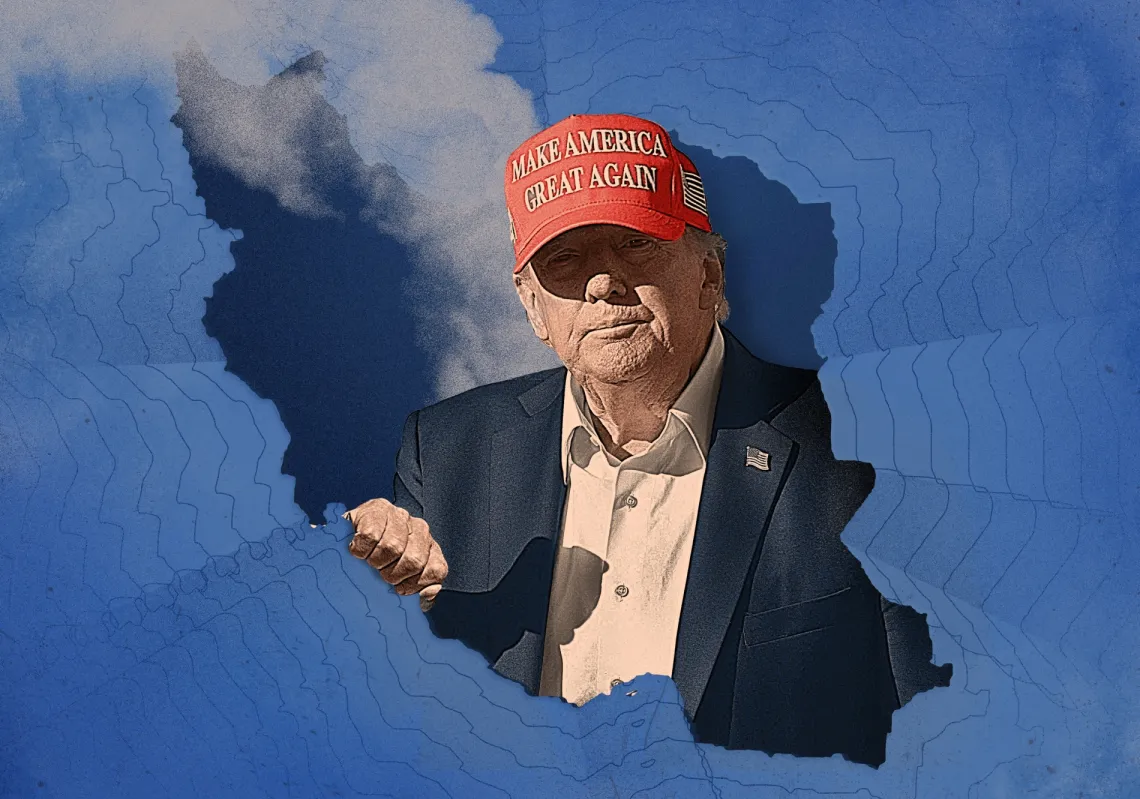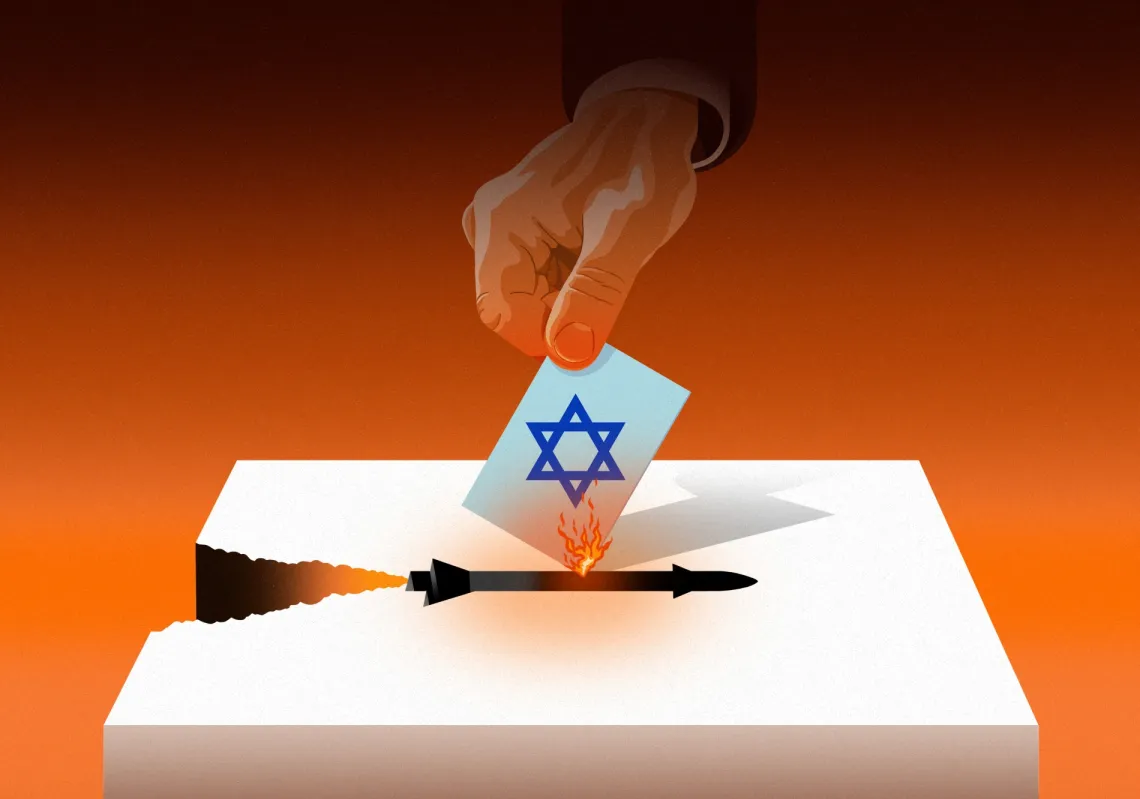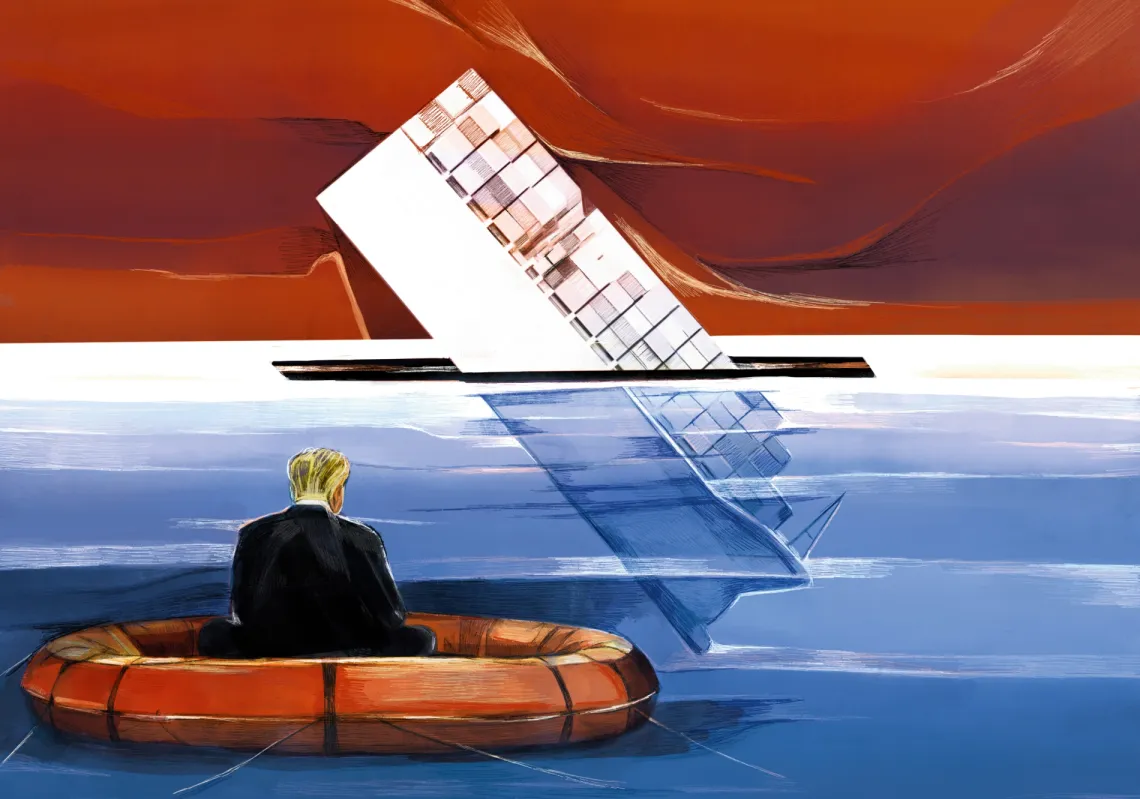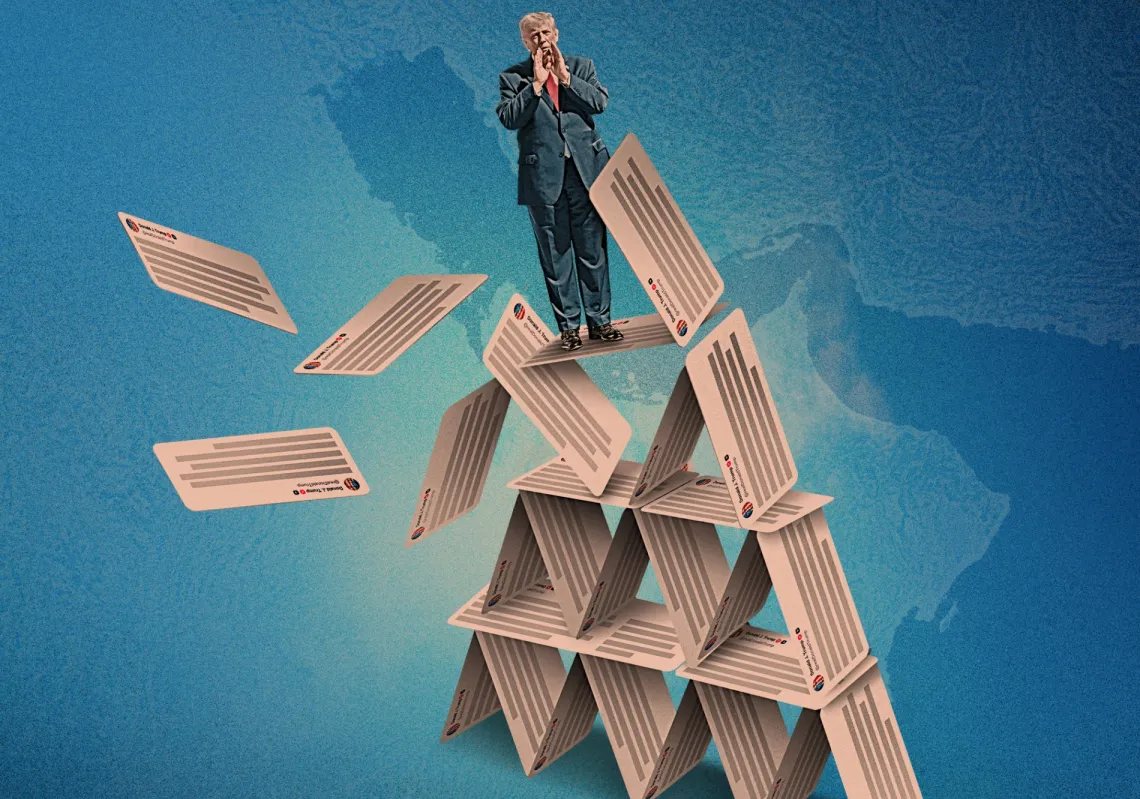
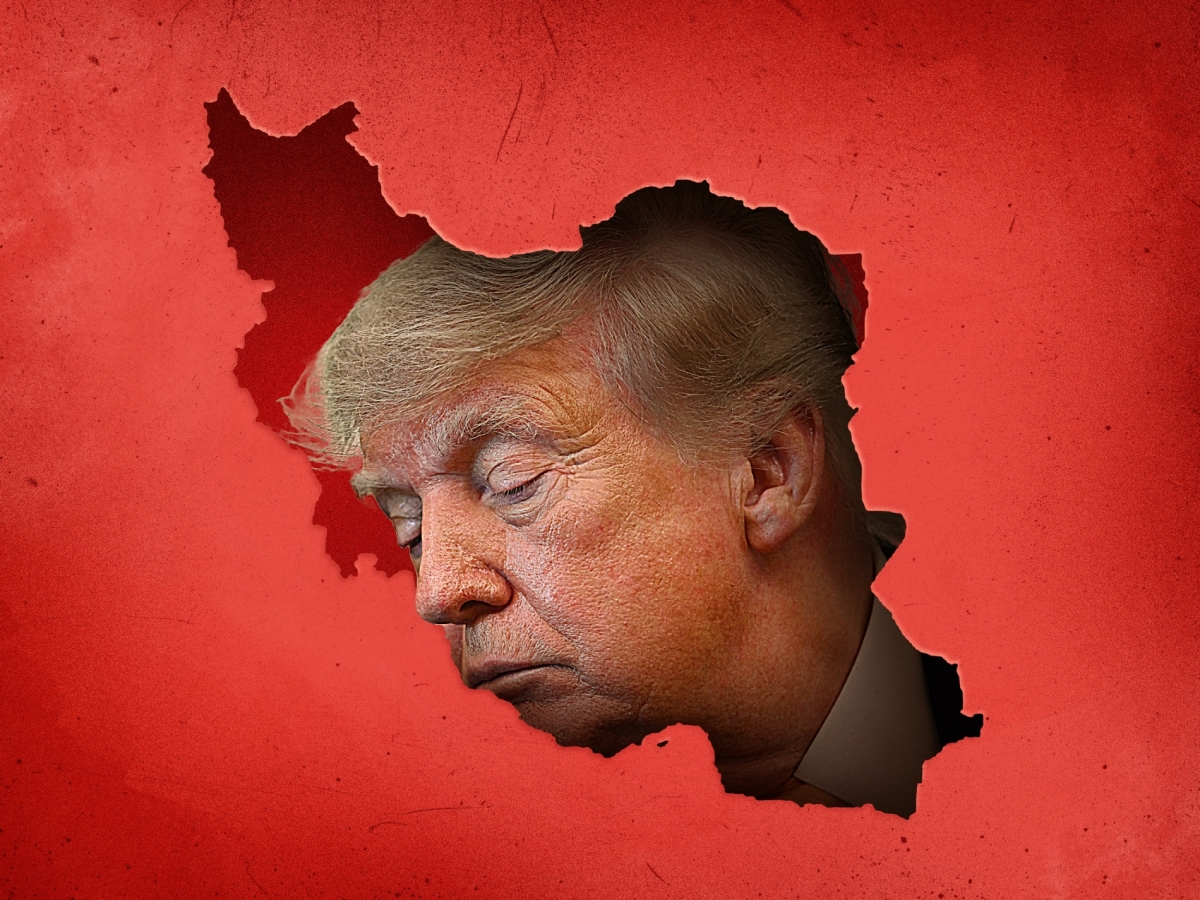

Eight months after launching the war alongside Israel, Trump has yet to explain what an American victory would look like or how much longer the United States must keep fighting to achieve it. While Americans opted to vote for the Democratic Party, which is preparing to challenge the logic of the war, Trump retains much executive power to stay in the war. Going forward, this means the political risks for him and his party will be high.
This predicament could explain the sudden surge in diplomacy. For their part, Qatar, Türkiye, Pakistan, Saudi Arabia, and other regional governments are involved in efforts to bring the two sides closer together. For the first time since the Islamabad Memorandum of Understanding was signed in June (which the US effectively walked away from), there are compelling political reasons on both sides to wrap up the war. The question is whether the US and Iran can turn that recognition into a compromise, or continue the status quo which oscillates between sporadic kinetic attacks and diplomacy.
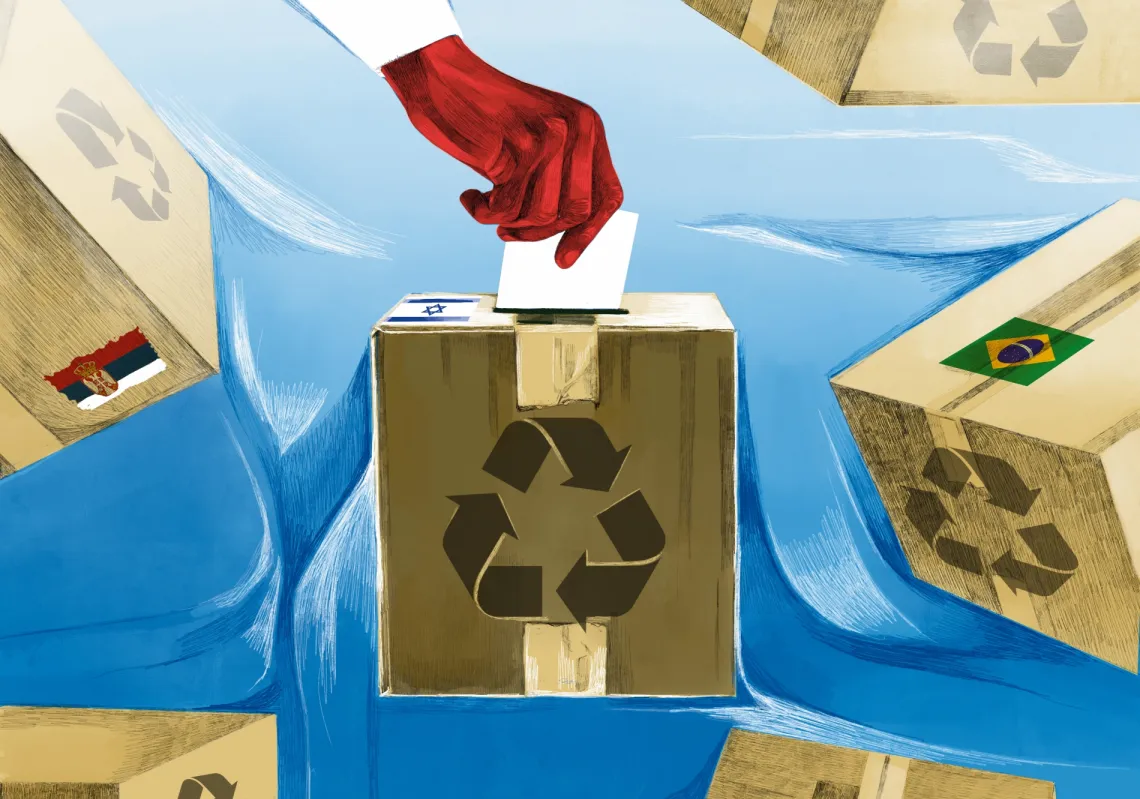
With the Democrats taking control of both chambers of Congress in January, they will have substantially greater influence over the direction of US foreign policy. While Congress cannot simply order Trump to end military operations, it can investigate the administration's decisions, challenge its requests for additional military funding, and use the budget process to make continued operations increasingly difficult.
For Republicans looking at the 2028 presidential election calendar, the war is increasingly problematic. For his part, US Vice President JD Vance has explicitly blamed the conflict for Republican losses. His growing involvement in negotiations with Iran reflects a belief that the US needs a political off-ramp rather than another inconclusive military campaign.
Trump, too, has reasons to pull out the brakes. The war has already cost the Pentagon at least an estimated $47bn, while military deployments, the naval blockade, and the need to replenish depleted weapons inventories continue to impose substantial and yet unknown costs. Meanwhile, the confrontation in and around the Strait of Hormuz has contributed to higher energy prices and broader economic uncertainty.
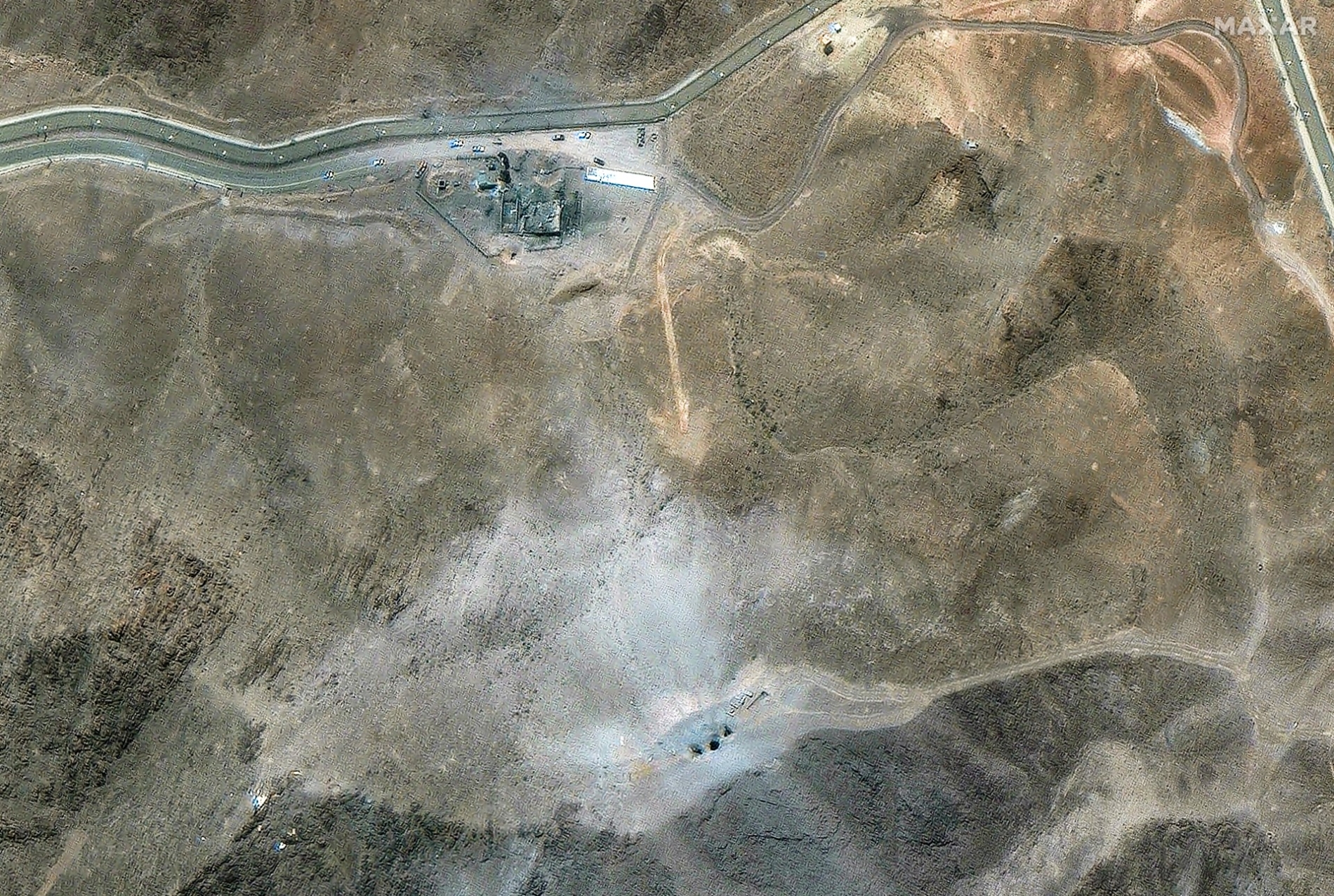
Trump can still order another major attack, but the fundamental military problem remains unchanged. While US forces can inflict enormous additional damage on Iran, including its energy infrastructure, nuclear facilities, and missile capabilities, they have not demonstrated an ability to make Tehran capitulate to its political demands.
Read more: Washington's war, Tehran's waiting game
For Trump, therefore, diplomacy offers a possible way to claim that American military pressure has achieved its purpose while avoiding another costly escalation. A nuclear agreement, combined with the reopening of Hormuz, could be presented as a major diplomatic achievement. It might even offer him something that another round of bombing cannot deliver: a concrete endpoint.
In Tehran, equally important calculations are taking place. Iranian leaders initially interpreted the Republican defeat as evidence that their strategy of resistance had worked. But this is a dangerous interpretation because a weaker US president is not necessarily a more accommodating one. Trump could conclude that another display of military force is the best way to recover his political standing.
A growing number of Iranian officials and former leaders are warning against this very assumption. For his part, President Masoud Pezeshkian has repeatedly argued that the country cannot stay in limbo between war and peace indefinitely, because the economic costs are becoming increasingly difficult to manage. Former Foreign Minister Mohammad Javad Zarif, former President Hassan Rouhani, and veteran diplomat Ali Akbar Salehi have also questioned the wisdom of continued confrontation, with the latter warning that another major war could set Iran back by decades. Their shared concern is that standing firm on the Islamic Republic's ideological position cannot come at the expense of Iran's economic future.
These arguments have not necessarily persuaded the security establishment to accept the concessions Washington demands. But they demonstrate that the debate inside Iran is no longer simply about how much punishment the country can withstand. It is increasingly about what continued resistance can realistically achieve.
For Tehran, diplomacy could therefore offer a way to preserve its remaining military leverage while ending an economic confrontation that is becoming increasingly unbearable. For Washington, it could offer an exit from a war whose continuation has become politically more difficult to justify. The incentives might be beginning to converge. Whether the negotiating positions will follow is another matter.
Cue the spoilers
The greatest obstacle to an agreement may not be the absence of diplomatic proposals, but the number of political actors who would regard compromise as a defeat.
Inside Iran, the divisions cannot be neatly simplified into two opposing camps of moderates and hardliners. The June Islamabad understanding exposed profound disagreements within the hardline establishment itself. Mohammad Bagher Ghalibaf, a former Revolutionary Guards commander and parliament speaker, supported negotiations, while figures associated with Saeed Jalili and the Paydari Front attacked the agreement as a betrayal. For opponents of accommodation with the US, the question is not merely whether Iran can secure better terms. Their political identity rests heavily on standing up to Washington.
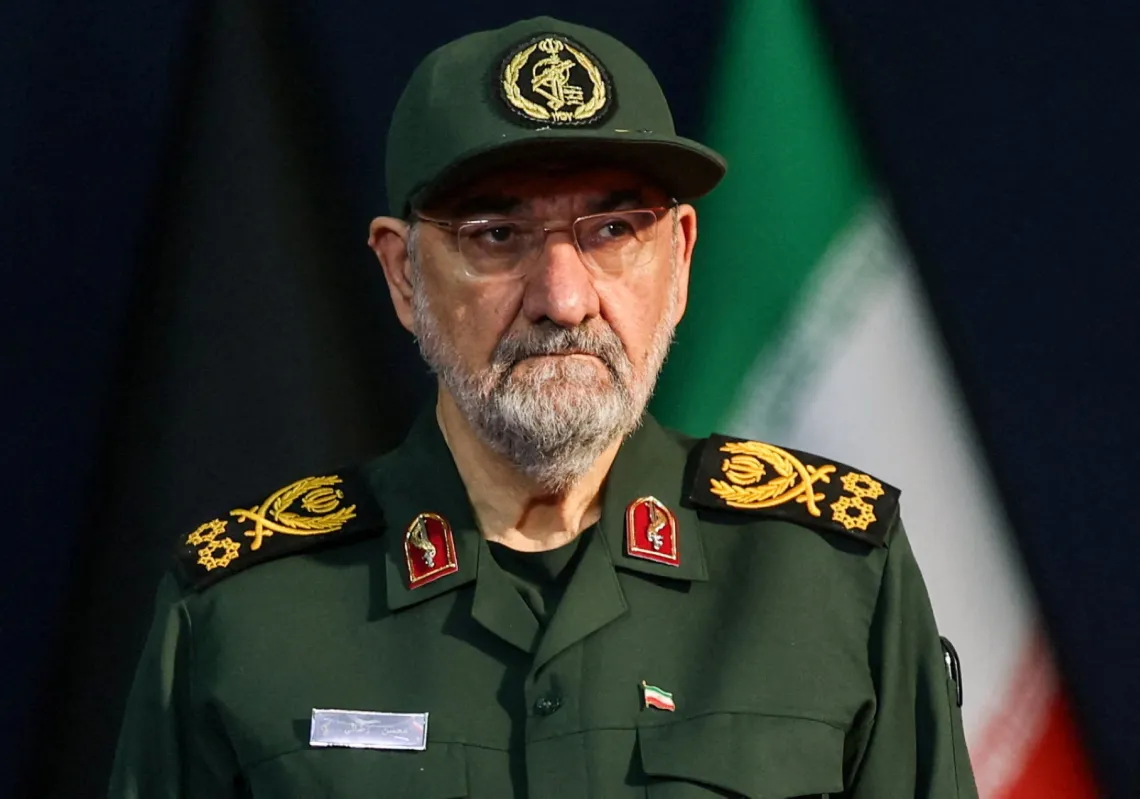
The problem is particularly acute for Iran's Supreme Leader Ayatollah Mojtaba Khamenei. He inherited a political system whose security institutions have been emboldened by the war, but he does not necessarily possess the personal authority of his predecessors to impose a painful compromise. Any agreement that appears to reward US military pressure could generate resistance from those who believe Iran should use its surviving capabilities to demand more.
Washington faces its own divisions. Vance's preference for a diplomatic solution is not necessarily shared by other senior administration officials. Rubio has dismissed Iran's latest demands as unrealistic, while Defence Secretary Pete Hegseth has maintained a much more confrontational position.