
When Ukrainian President Volodymyr Zelensky warned at the Warsaw Security Forum on 12 October 2026 that a grain crisis could emerge within months, he was not speaking only about Ukraine’s loss of export revenue. He was warning that the war could once again spread from the Black Sea coast to dinner tables far away in Africa, Asia and the Middle East.
The official transcript of his remarks conveyed greater urgency than some reports quoting him. Zelensky said that “within a month or two”, the world could begin talking about an agricultural and food crisis after attacks and insecurity severely disrupted the maritime routes through which millions of tonnes of Ukrainian exports normally pass. Five days later, Hungarian Prime Minister Péter Magyar said that Zelensky had asked Poland, Romania, Slovakia and Hungary to facilitate the overland transit of Ukrainian grain—an indication that the problem was no longer merely a potential threat but a logistical crisis already under way.
Any comparison between the present situation and 2022, however, requires caution. In both cases, a major agricultural producer is under wartime pressure, ports are being disrupted, insurance and freight costs are rising, and importers are searching for alternatives. Yet the starting point is different, as are global stock levels, the ability of markets to adapt and the geographical distribution of the countries most exposed.
The world is unlikely to be heading for an exact replay of the 2022 crisis. It may instead face a more uneven crisis: wealthy countries, or those with ample financial reserves and strategic stocks, will be able to absorb the shock, while poor and heavily indebted countries pay through more expensive bread, weaker currencies and reduced humanitarian assistance.
The paradox is that Ukraine has not lost its capacity to produce grain. In its latest forecast for the 2026-27 season, the US Department of Agriculture estimates the Ukrainian wheat harvest at around 26 million tonnes and exports at approximately 12.5 million tonnes. It puts maize production at about 31.8 million tonnes, with potential exports of 22 million tonnes.
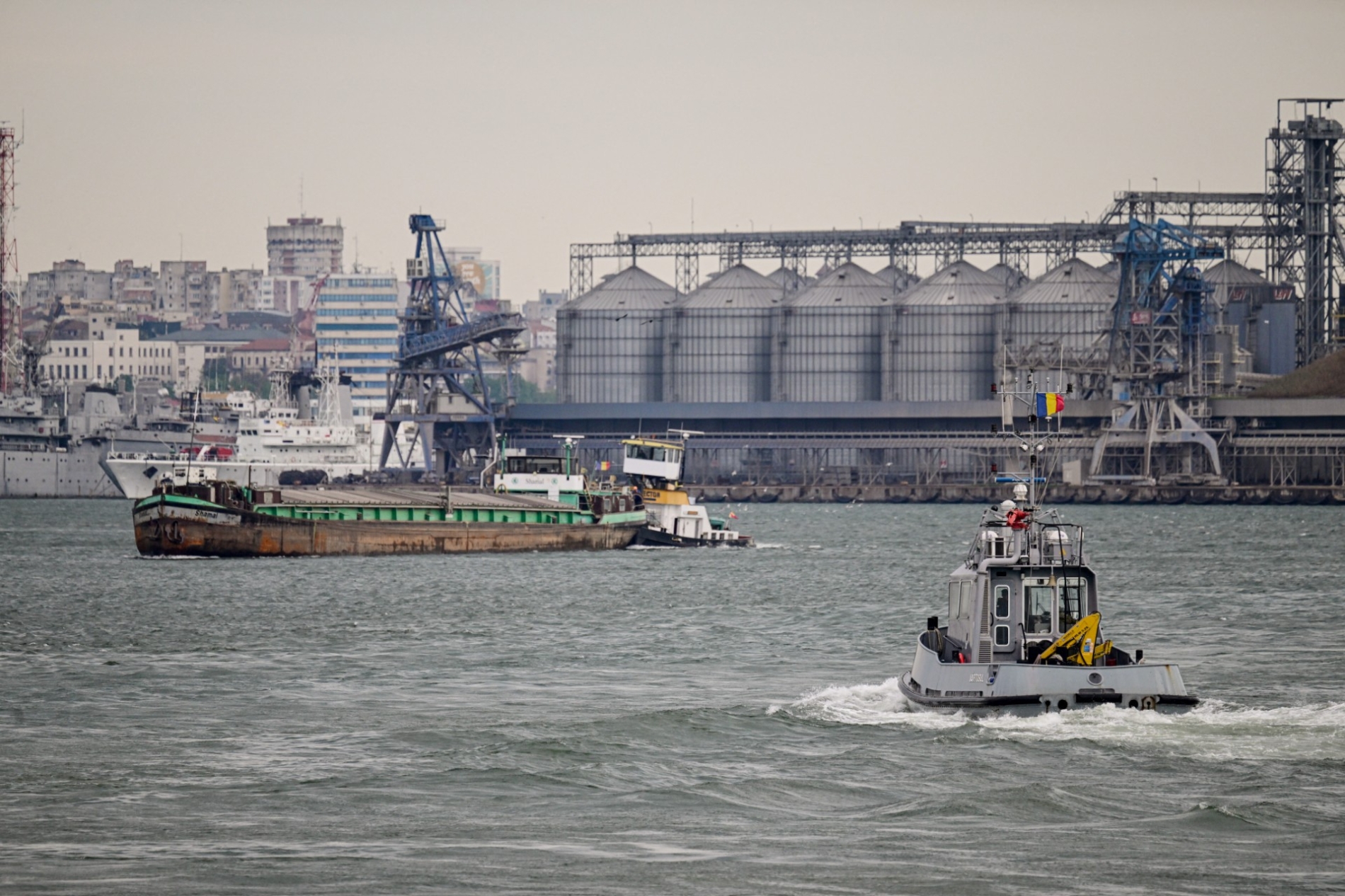
The problem lies not only in the fields, but in the distance between silo and ship, and between ship and buyer. About 90% of Ukraine’s wheat, maize and sunflower-seed exports normally pass through the Black Sea, making its seaports the real bottleneck in the grain trade.
Falling exports
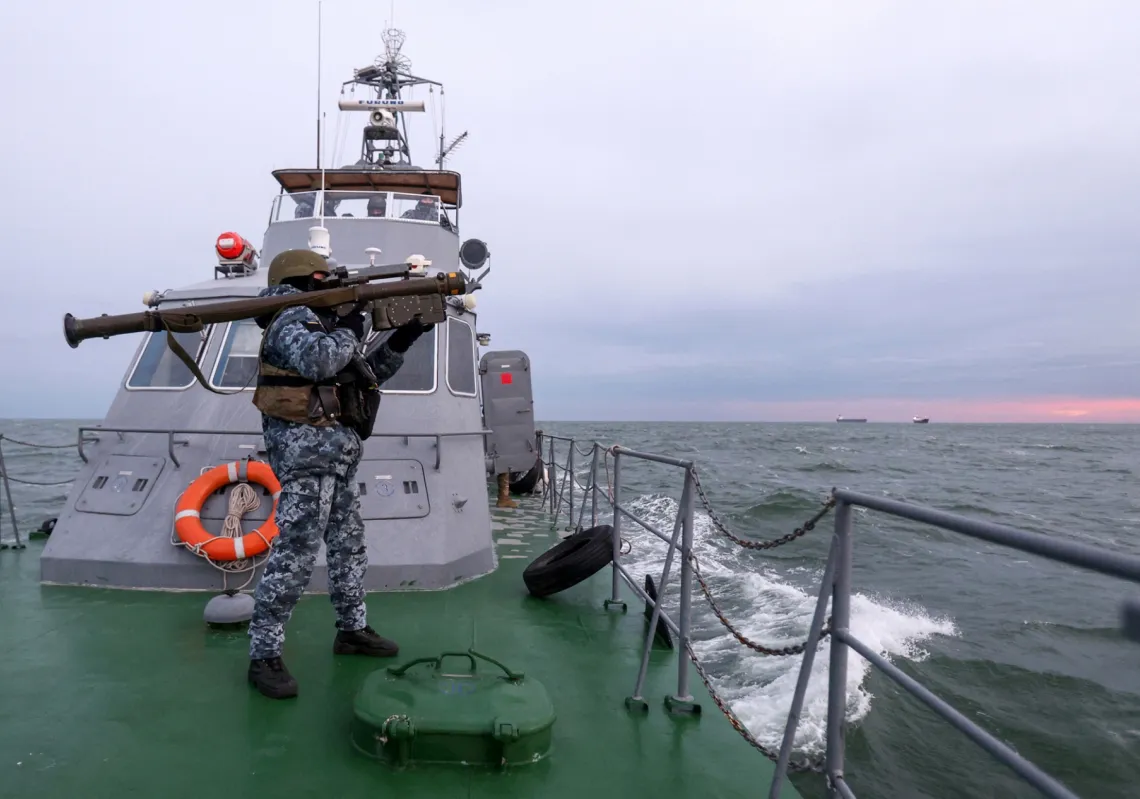
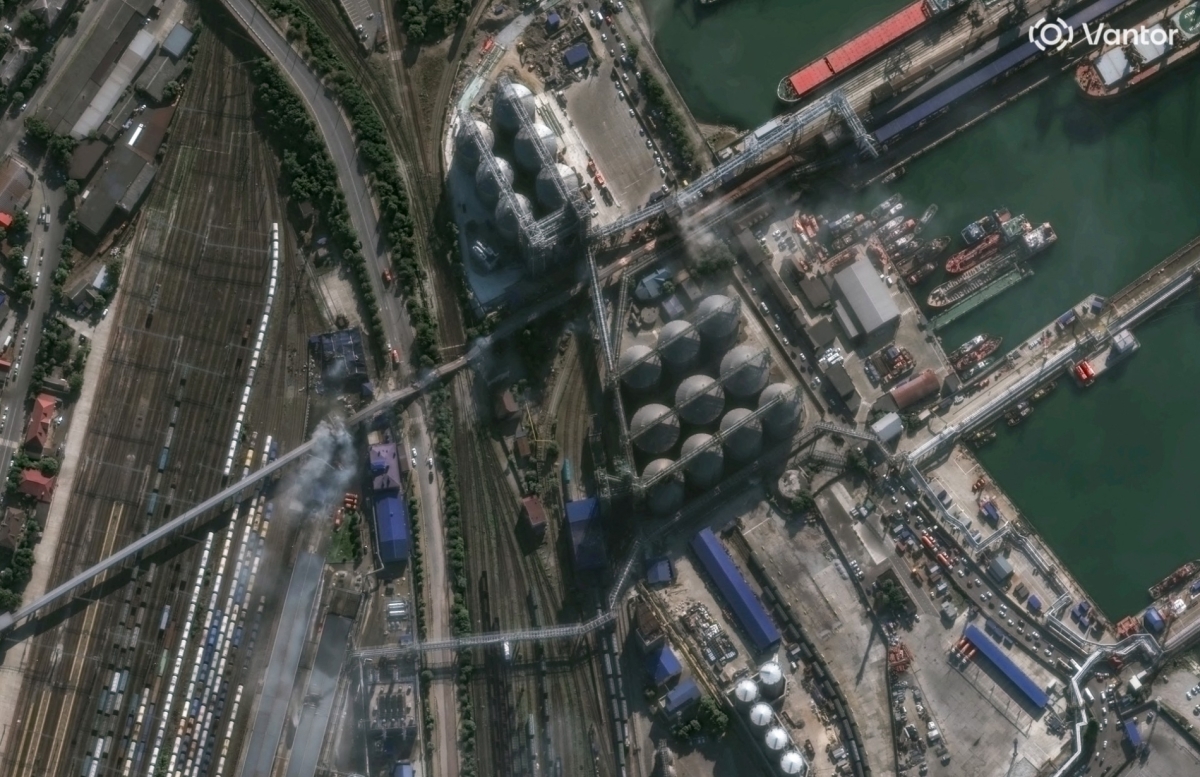
Before the latest escalation, ports in the Odesa region handled around six million tonnes of cargo a month. Attacks on port facilities and merchant vessels have since reduced available capacity and raised the risks faced by shipping companies and insurers. Ukraine’s Deputy Economy Minister, Taras Vysotskyi, said in June that monthly exports through these ports could fall to four million tonnes, with only about one million tonnes capable of being diverted to terminals on the Danube because of the higher cost of using that route.
Official Ukrainian figures show that exports of grain and pulses from the beginning of the 2026-27 marketing season to 16 October reached 5.93 million tonnes, compared with around 7.90 million tonnes during the corresponding period of the previous season—a decline of roughly 25%. The fall was steeper for wheat, exports of which dropped by about 41% to 3.34 million tonnes, and for barley, which declined by approximately 52% to 473,000 tonnes. Maize was the only major grain to record an increase, reflecting differences in harvest schedules and contractual arrangements between crops.
These figures do not mean that the same quantity of food has immediately disappeared from the world market. Buyers may replace some Ukrainian wheat with supplies from Russia, the European Union, Argentina, Australia or the United States. But replacement grain may have to travel farther, cost more, come with different specifications and arrive after delays that not every country can afford.
A prolonged blockage also creates a deferred problem within Ukraine. If farmers cannot sell their crops—or must accept lower prices because of the high cost of transport —they will lack the cash needed to purchase seeds, fertiliser and fuel for the following season. A transport crisis in 2026 could therefore become a production crisis in 2027.
On the eve of Russia’s full-scale invasion in 2022, Russia and Ukraine together accounted for between 27 and 30% of global wheat exports, according to estimates from the UN Food and Agriculture Organisation and the Organisation for Economic Cooperation and Development. Ukraine exported around 45 million tonnes of grain a year, including nearly 20 million tonnes of wheat in 2021.
The war began as the world was emerging from the Covid-19 pandemic, when supply chains had yet to regain their balance, energy and fertiliser prices were high, and global stocks offered less reassurance. During the opening weeks of the conflict, more than 20 million tonnes of grain became stranded in Ukrainian silos and ports, according to the UN Conference on Trade and Development.
Markets did not know whether Ukrainian exports would resume, whether sanctions would disrupt Russian supplies or whether producing countries would impose export restrictions to protect their domestic markets. Genuine shortages were therefore compounded by panic, speculation and precautionary stockpiling. The FAO Food Price Index reached a record high in March 2022.
Adaptive measures
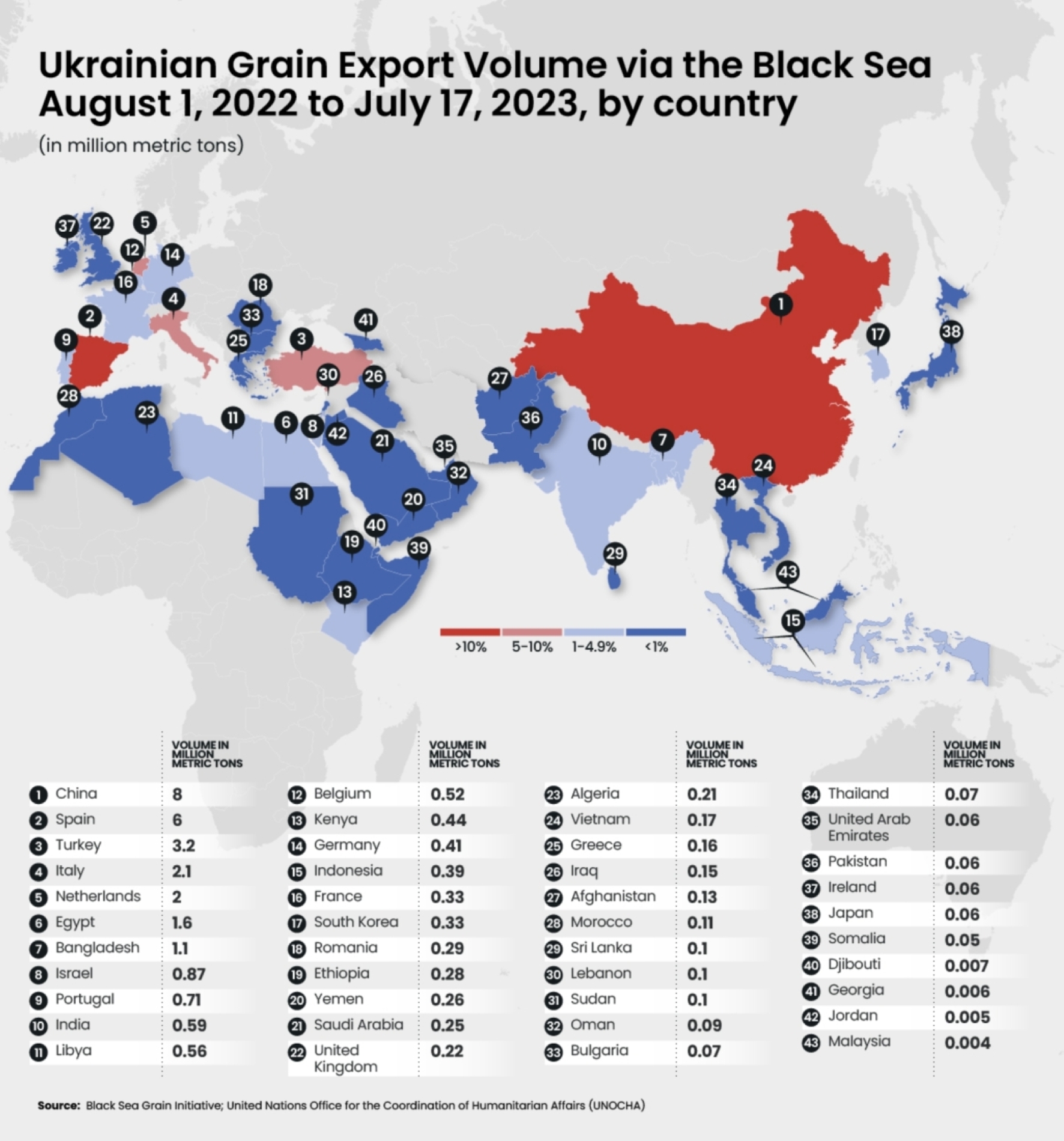
The Black Sea Grain Initiative—brokered by the United Nations and Türkiye to enable Ukrainian grain to be exported by sea—helped to ease the shock. UN figures indicate that between July 2022 and July 2023, the initiative enabled some 33 million tonnes of grain and other foodstuffs to leave Ukrainian ports. Not all the shipments went directly to poor countries, but their return to the international market increased supply and lowered the prices paid by importers and humanitarian relief programmes.
By 2026, traders had gained experience in using Danube ports, railways and European transport corridors. A number of importing countries had also spread their contracts among a wider range of suppliers. On paper, global supplies appear healthier than they were four years ago. Experience cannot overcome geography, however. A river or railway line cannot fully replace seaports designed to handle millions of tonnes at low cost.