Al Majalla's Book Watch

A tour of the latest releases from Arab publishing houses

Al Majalla's Book Watch

The Arab world has a vibrant literary scene. Al Majalla selects titles in its fortnightly round-up of the latest Arabic books, highlighting trends and ideas across the Arab world.
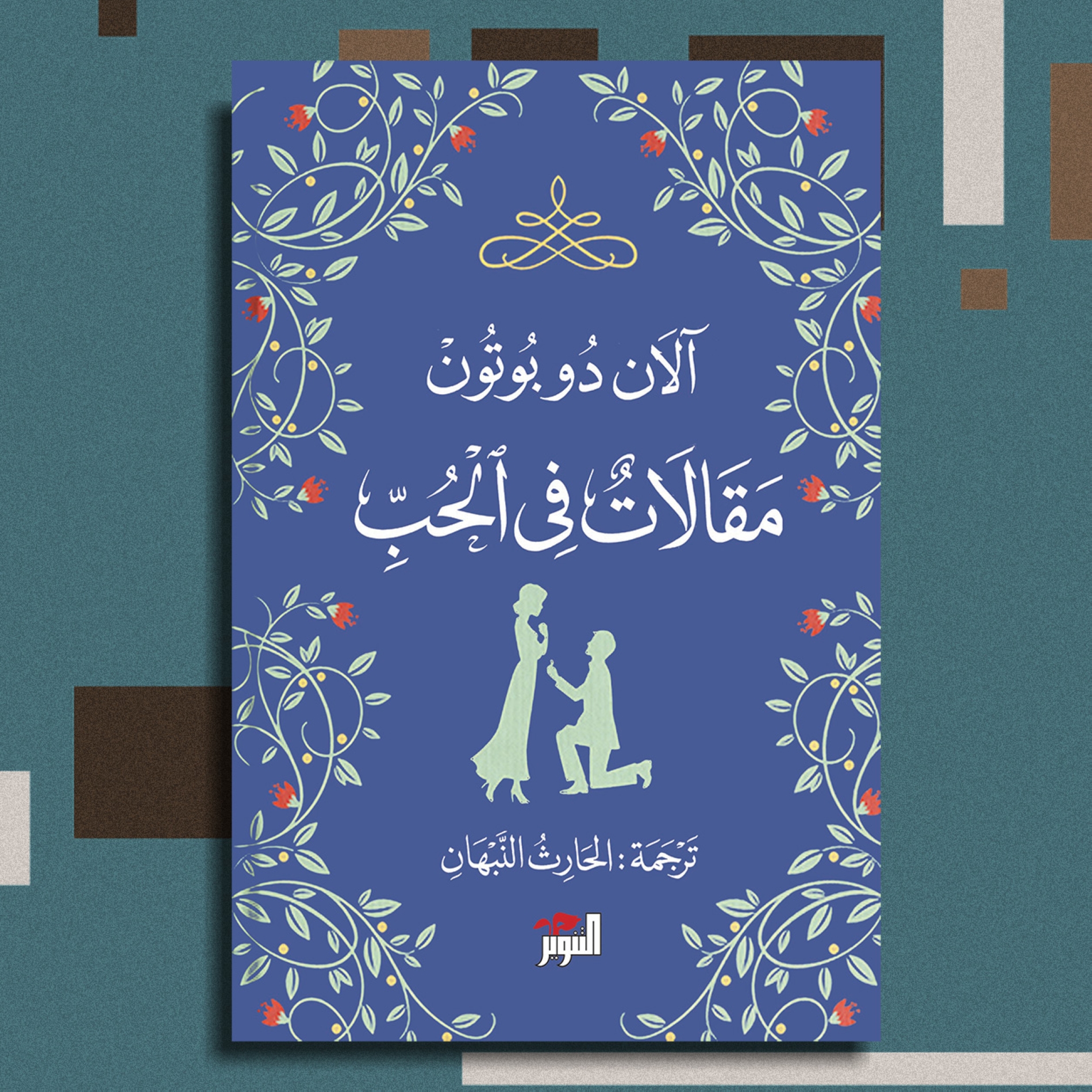

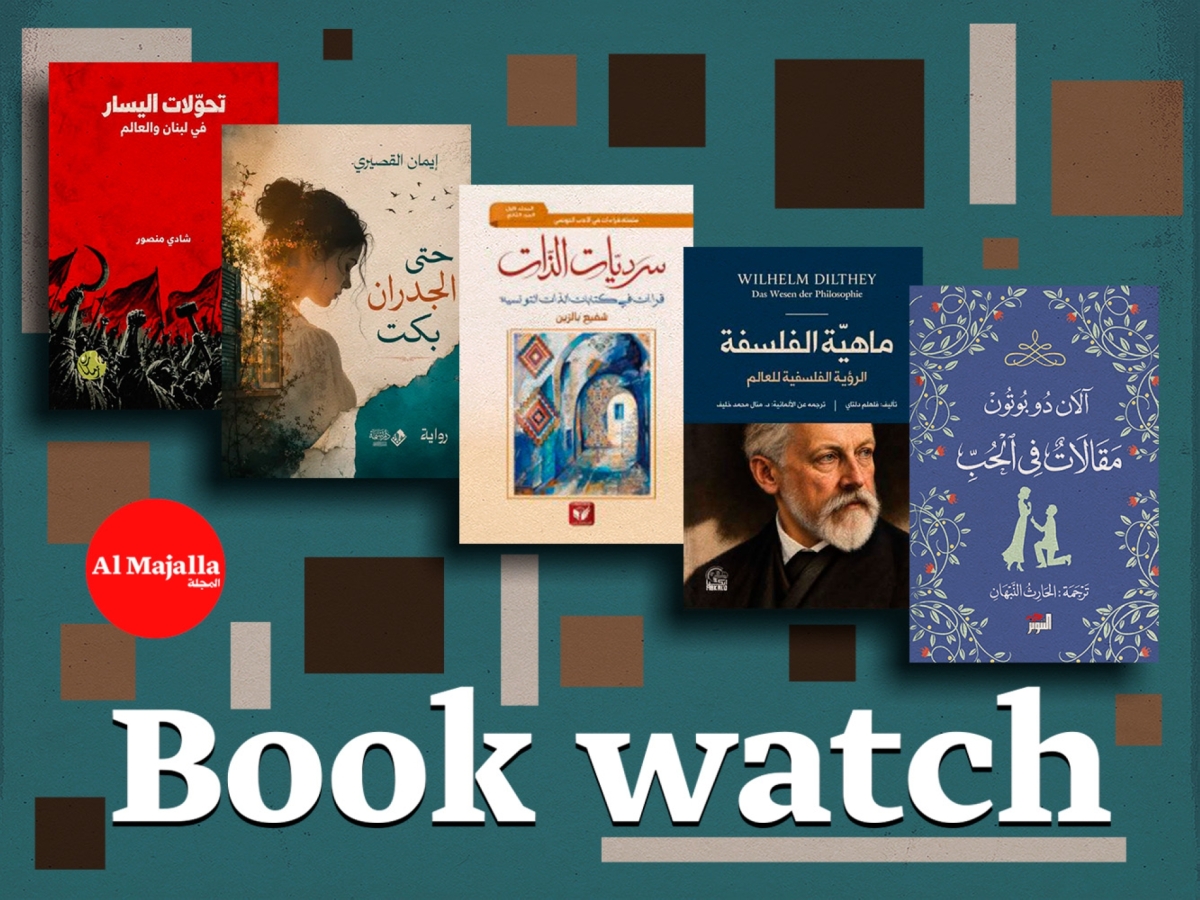
Essays in Love

By: Alain de Botton

Translated by: Al Harith Al Nabhan

Publisher: Dar Al Tanweer Publishing and Distribution, Lebanon

Essays in Love could be described as a philosophical novel, as the writer and philosopher Alain de Botton explores one of the most difficult human experiences to understand. Far from a musing on romantic encounters, infatuation, and longing, he examines love as a psychological and intellectual experience that reveals human nature, with all its desires, fears, and contradictions.

The novel begins with a chance encounter between the narrator and Chloe aboard a plane. Their initial attraction develops into love, gradually drawing them into the complexities of romantic life, with its anticipation, jealousy, doubts, and expectations. Through their relationship, de Botton reflects on everyday life, pausing over moments whose meaning and significance we seldom consider. Why are we attracted to one person in particular? How do we interpret their behaviour? And why do seemingly insignificant details become signs we use to predict a relationship's future, or how it might end?

Narrative and analysis are closely intertwined. De Botton uses the story to dissect emotions, revealing the gap between what we experience and what we believe we are experiencing. In doing so, he confronts us with ourselves, how we see ourselves, and the idealised image we seek to project onto those we love.

The narrator is increasingly preoccupied with the details of his relationship with Chloe, from signals to differences to expressed emotions. Ordinary situations become subjects of reflection in their own right. De Botton also devotes considerable attention to romantic idealism, the meaning of seduction, hesitation in expressing love, feelings of guilt and the difficulties that arise when the partners’ feelings no longer match. At each stage, the relationship reveals more of its psychological and intellectual structure.

Rather than following a conventional narrative driven by events, the novel repeatedly pauses at moments to examine them in detail before returning to the story and the intimate aspects of the relationship. The narrator’s emotional experiences become intertwined with his attempts to explain what is happening to him and what he struggles to understand. When the relationship begins to falter, his reflections change, shifting from euphoria to anxiety, disappointment, and the pain of a fading of love.

The book thus explores the different stages of romantic experience. In so doing, Essays in Love offers a literary and philosophical exploration of emotion, inviting readers to recognise that love is also a way of reflecting on ourselves, how we love, and the meanings we attach to our relationships.
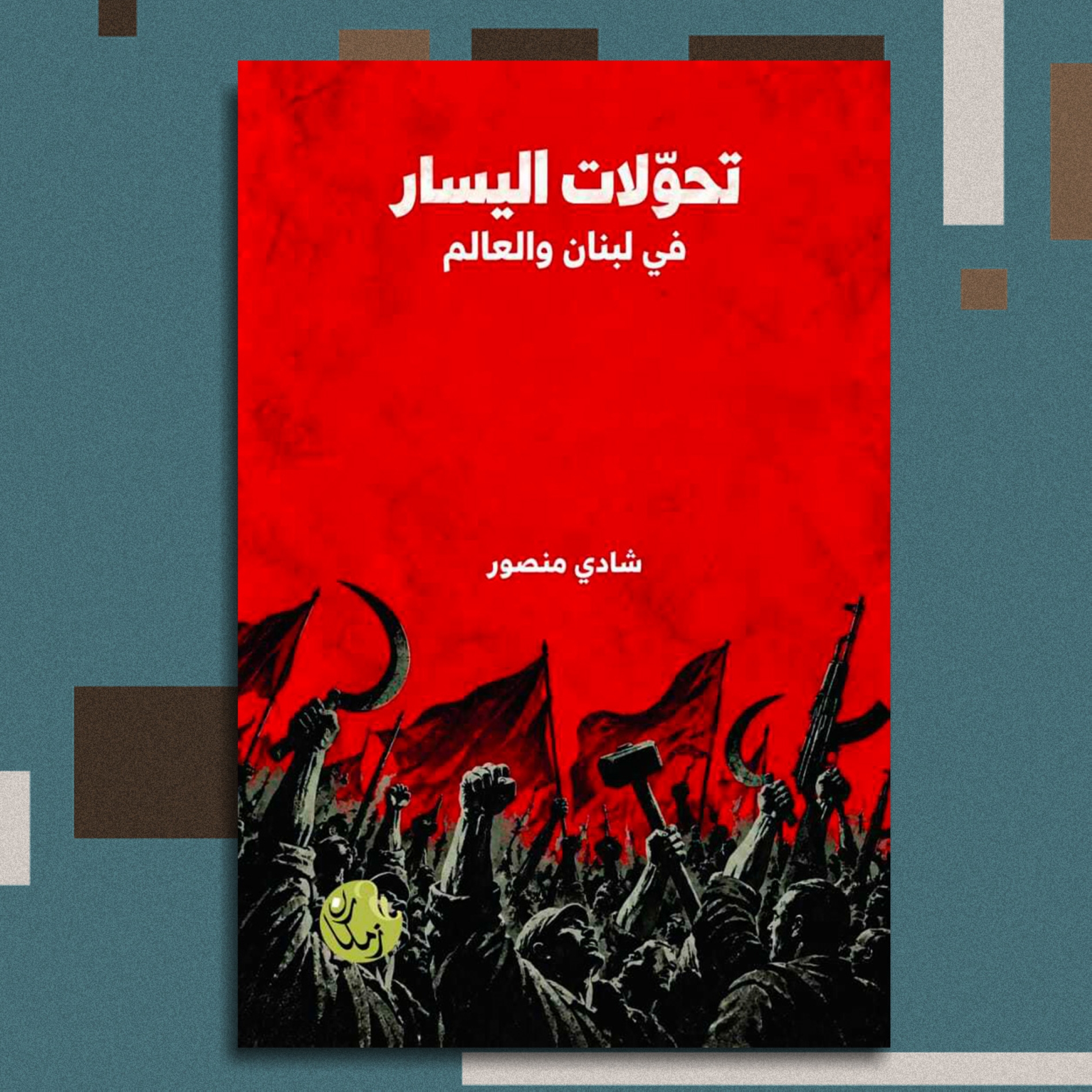
Transformations of the Left in Lebanon and the World

By: Shadi Mansour

Publisher: Dar Zamakan for Printing and Publishing, Lebanon

In this book, Lebanese author Shadi Mansour not only traces the history of Marxism and communist movements but also examines the left more broadly as an intellectual, political, and social current shaped by revolutions, victories, divisions, and defeats. Mansour begins with the intellectual roots of the left (principles of equality and social justice) before exploring leftist experiences in the Arab world, Europe, Latin America, North America, Russia, and China.

Lebanon occupies a central place in the book. Mansour examines the emergence of the labour and trade union movements, the history of the Lebanese Communist Party, the rise of the New Left and the Lebanese National Movement, and the relationship of leftist forces to the Palestinian cause, the civil war, and the Israeli invasion of 1982. He also considers the changes that followed the war and the decline of the left’s influence, against a backdrop of developments that reshaped Lebanese society.

The author places the Lebanese experience in a broader context, linking it to national liberation, social justice, efforts to address economic inequality, regional conflicts, and changes within the international communist movement. The relationship between theory and practice becomes important, raising questions about how leftist parties and movements translated their principles into political and social programmes, and how internal disputes, wars, and alliances affected their ability to achieve their ambitions.
Since the end of the Cold War, the very concepts through which leftist movements understood society, the state, and the economy have changed

In his survey of these movements across the world, Mansour avoids presenting their histories as tales of heroism and sacrifice. Instead, he examines their contradictions and the questions surrounding power, democracy, and one-party rule, as well as the impact of the collapse of the Soviet Union, the rise of neoliberalism, and other developments that shaped the closing decades of the 20th century.

Since the end of the Cold War, the very concepts through which leftist movements understood society, the state, and the economy have changed. The dominance of the market economy and the decline of centrally planned economic models forced the left to reconsider its ideas about change and its own organisation, even as social inequalities worsened.

Comparison of different leftist experiences shows how, for instance, the European left differs from its counterparts in Latin America and the Arab world, while China's experience of the relationship between the party, the state, and the market differs in every respect from leftist experiences elsewhere. Movements have varied in their response to economic and political change, and in their ability to reconcile theory with practice.

The book may help readers understand what remains of the left in a world where the structures of social classes and capitalism itself have changed, with social inequalities widening, employment protections weakening, and wealth disparities growing. These are, after all, issues that lie at the very heart of leftist thought.

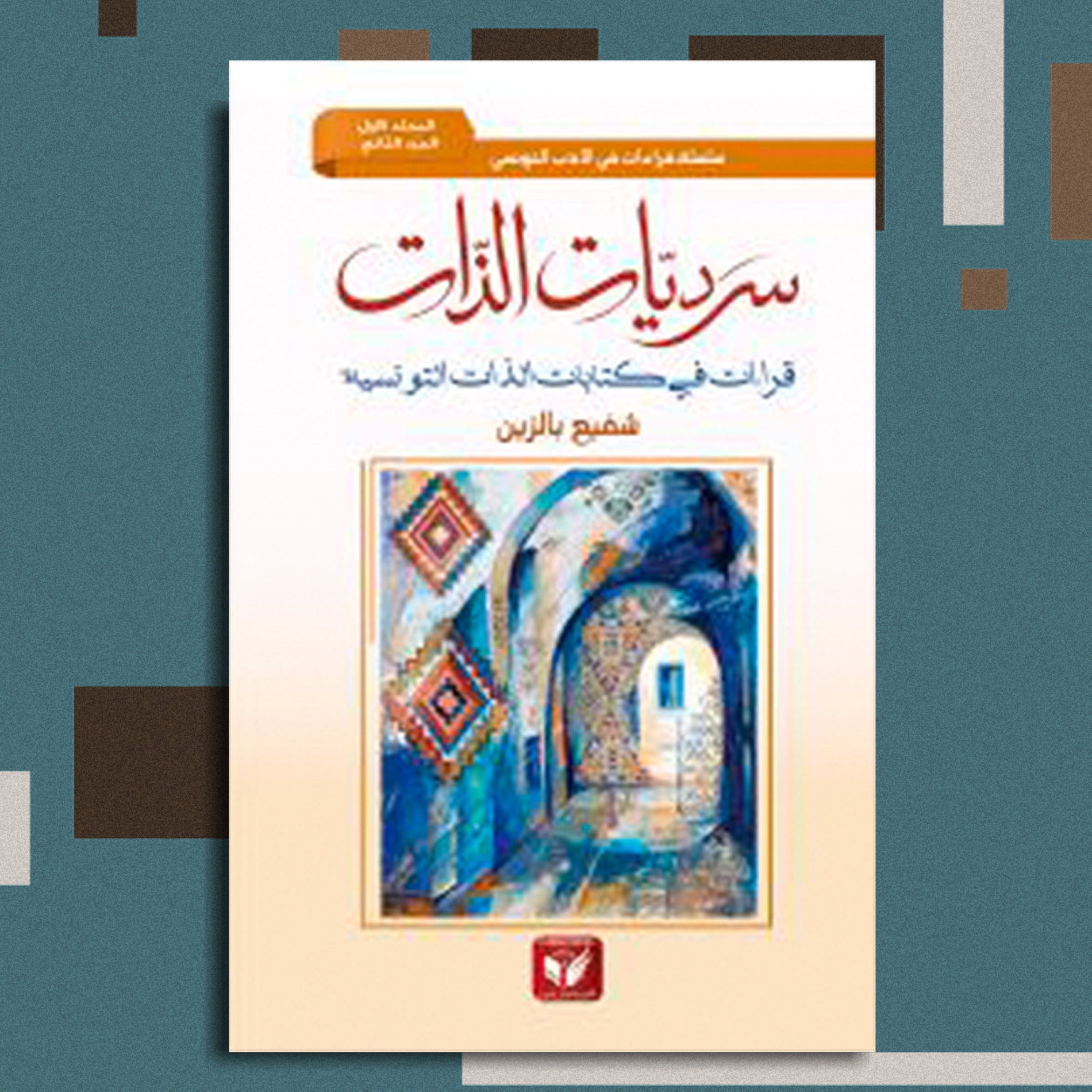
Narratives of the Self: Readings in Tunisian Life Writing

By: Shafii Balzine

Publisher: Al Amina Publishing and Distribution, Tunisia

Tunisian researcher Shafii Balzine uses Narratives of the Self to explore a fascinating literary field encompassing memory, history, as well as social, cultural, and political perspectives. The task is not easy. Writing about oneself is a complex process of selection, organisation, and interpretation.

Writers do not recall their past in its entirety but reconstruct it from their present perspective, relying on a memory that selects and excludes, and on language that gives experiences meanings which may not have been apparent when they occurred. The 'self' portrayed in writing thus differs from the person who lived those experiences. Life itself becomes a vast field for storytelling, rich in value and meaning.

In his examination of autobiography and autobiographical fiction, Balzine considers the works of Amal Mokhtar, Zahra Dhahri, Hayat Al Rais, and Chokri Soltani, exploring the relationship between lived experience and its reconstruction in narrative, and between recalling the past and shaping an image of oneself through writing. Autobiography is not a neutral account of a person's life; it is a literary construction shaped by memory, language and selection, through which personal experience acquires meaning.

The section on travel includes the writings of Hayat Al Rais, Najet Bakri, Fathia Debech, Massouda Boubaker, and Hafidha Kara Bibane. These are ventures beyond familiar surroundings to encounter new places, cultures, and experiences, turning travel into an opportunity to discover others and gain a deeper understanding of oneself. Travellers do not merely describe the places they visit; they offer their own perspective on them. Their cultural backgrounds influence how they perceive and experience their new surroundings.

In personal diaries, the self emerges through the writings of Fatma Ben Mahmoud and Hafidha Kara Bibane, where everyday details and fleeting moments acquire documentary and expressive value. Recording daily life becomes an attempt to preserve what might otherwise slip from memory.

The section on letters and private correspondence, featuring Sonia Ferjani, Wahida El May, Mohamed El Hadi Jaziri and Mohamed Bouhouch, reveals another dimension of writing about the self, which emerges through relationships, disclosures, dialogue, and the expression of emotions, ideas, and opinions. This diversity extends to the literary testimonies of Amina Zreik, Habiba Mahrezi and Iman Safi, whose writing takes a personal approach to recounting experiences from their own perspectives.

The significance of Balzine's book lies in its attention to Tunisian life and the possibilities this offers for examining the relationship between literature, memory, history, and society. An author recounting their life reveals details both personal and societal. The book thus offers multiple ways of reading the self, which emerges neither through a single voice nor as a fixed image, but in a variety of forms. This, in turn, allows readers to explore Tunisian society from new angles.

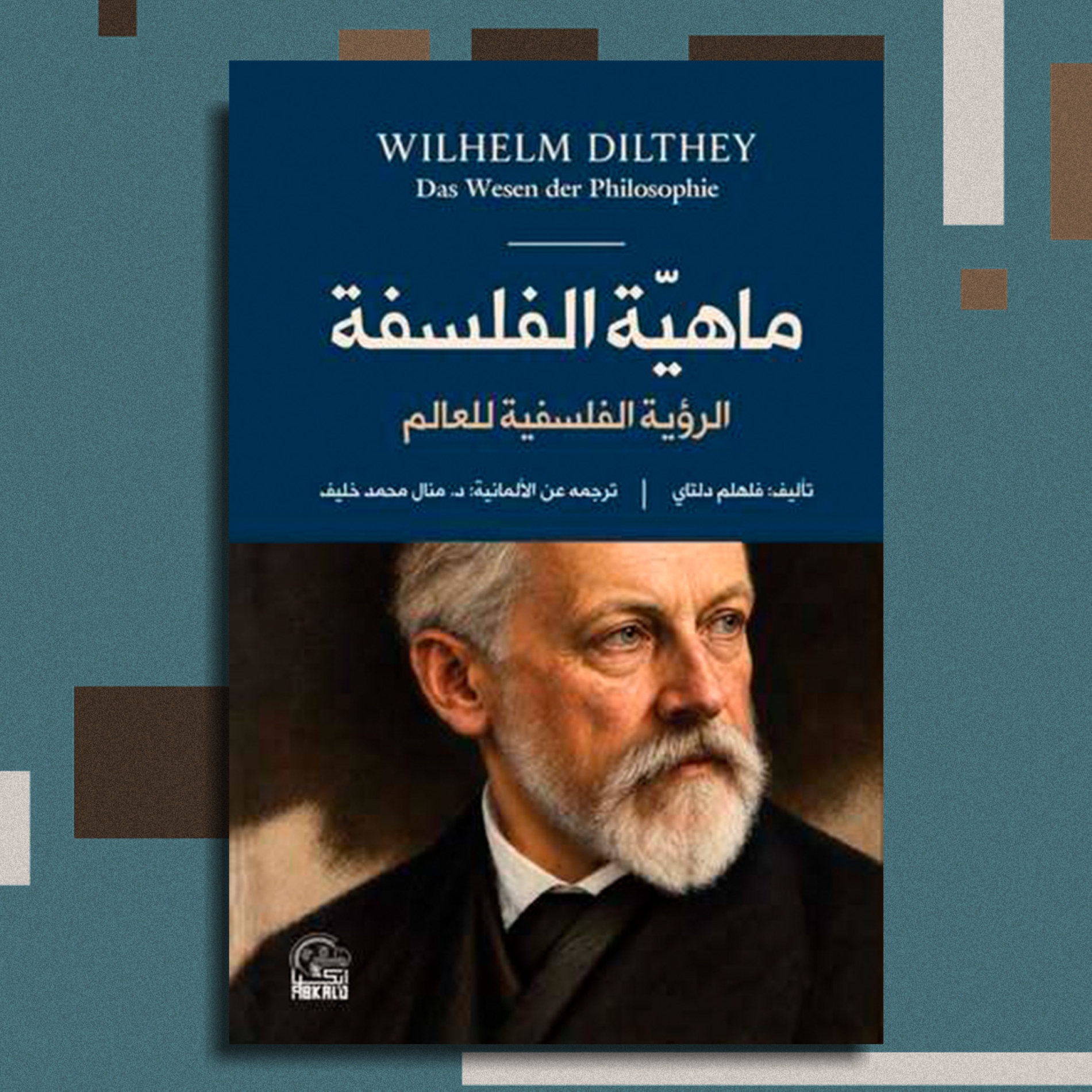
The Essence of Philosophy: The Philosophical Worldview

By: Wilhelm Dilthey

Translated by: Dr Manal Mohammad Khalif

Publisher: Dar Abkalo for Printing, Publishing and Distribution, Iraq

This book asks how philosophy can be defined given the diversity of its schools and the different ways it has been understood. The author, a German philosopher who lived from 1833 to 1911, takes the history of philosophy as his starting point for understanding its nature. Tracing its development from the ancient Greeks through the Middle Ages to the 20th century, he identifies the common characteristics that distinguish philosophical inquiry and explores the role it plays in human intellectual and cultural life.

Knowing the history of philosophy helps to understand its essence. Dilthey moves on to examine spiritual life, exploring how philosophy links to religion, art, literature, and science. Although these fields differ in their methods and expression, they reveal the various ways in which we engage with the world and give meaning to our lives.

For Dilthey, philosophy is an attempt to develop a coherent worldview beyond individual fields of knowledge. It seeks to understand how different aspects of experience fit together within a larger whole. Yet pursuing a comprehensive understanding does not mean that a definitive metaphysical system can be constructed with an exclusive claim to absolute truth. Philosophical worldviews emerge within changing historical and human contexts, reflecting different ways of understanding reality, values, and life.

Dilthey therefore examines several forms of these worldviews, most notably naturalism and objective idealism, without treating any one as the final expression of philosophical thought. He does not debate ideas, dispute their propositions, or question their claims, but examines how philosophy takes shape, where it stands among the various forms of human knowledge, connecting these forms of knowledge with those who produce them.

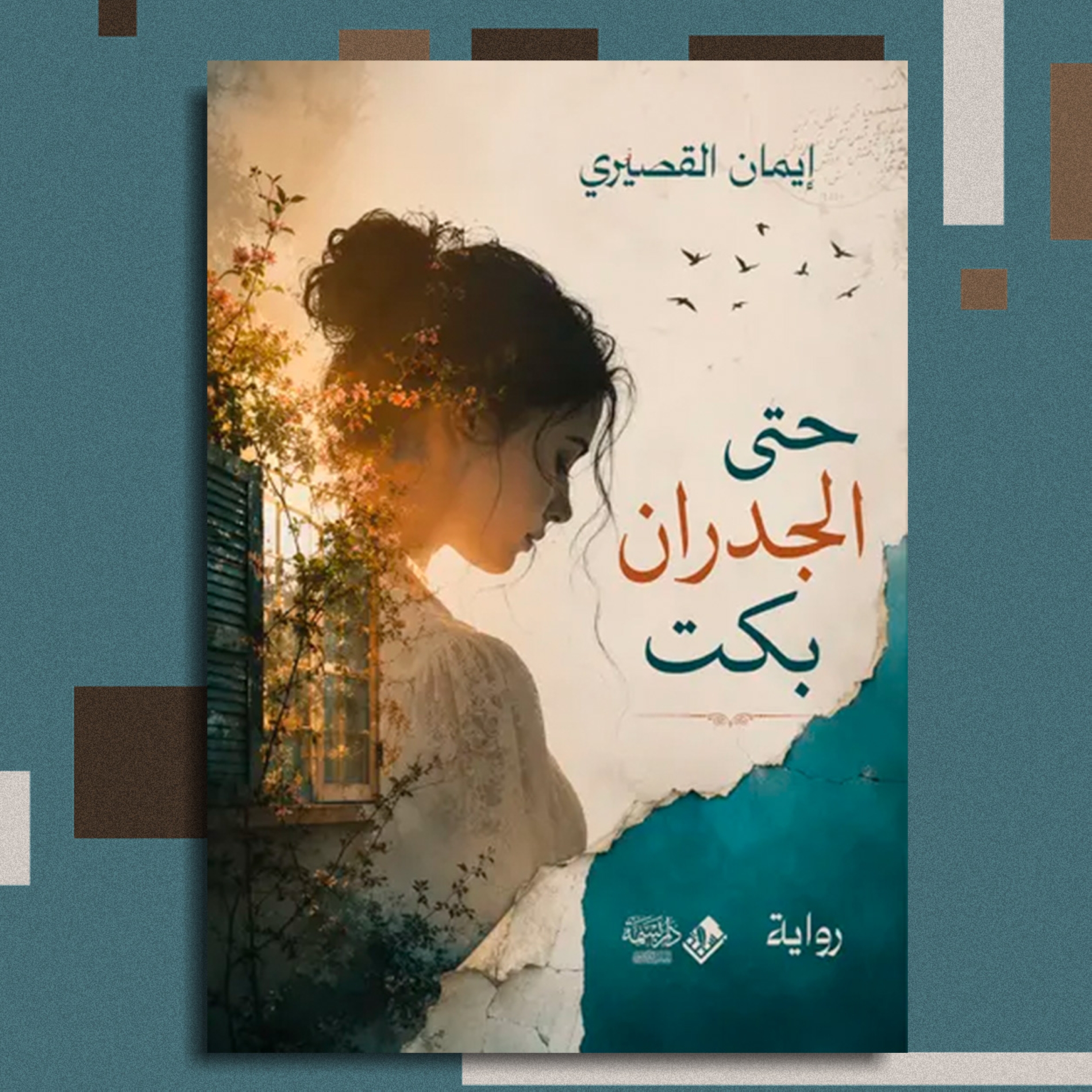
Even the Walls Wept

By: Iman Al Qusairi

Publisher: Dar Basma for Electronic Publishing, Morocco

This enigmatically named novel by Moroccan author Iman Al Qusairi shows how places can become repositories of memory, as walls bear witness to stories almost too painful to be told. Even the Walls Wept follows a family worn down by loss and betrayal, where blood ties intertwine with past secrets and love becomes entangled with disappointment and broken trust.

The story revolves around Christian, who was born in 1920 in a "quiet French town called Chartres". His world unfolds through his memories, driven by one overriding desire: to find his mother. His search brings him more than the answers he expects; it confronts him with a painful truth: his mother has died. The search for her therefore becomes a journey into the depths of family memory, where the past is present, still shaping the lives of those struggling in vain to escape its hold.

The novel centres on an old farm. The land, olive trees, and olive press are all bound up with the lives of the family. Betrayal emerges as a particularly painful wound, since it comes from those we trust and regard as a source of security. Loss, meanwhile, extends beyond physical absence to encompass the emotional burden of losing someone whose absence they cannot come to terms with. The father has lost his mother, the daughter has lost her father, and neither has made peace with that.

The novel ends with a passage that encapsulates the entire story: "In the end, all that remained of that family was an abandoned house, thirsty trees, a woman and her daughters worn down by loss, and heavy memories wandering alone through the farm like spirits that could find no way to depart." Even the Walls Wept is a story of motherhood, searching, and heartbreak, of places that never forget those who once inhabited them, and of suffering lodged in their smallest details, in the very concrete of the walls. When people can no longer speak, the place itself gives voice to memory.

font change

Related Articles