
During the Cold War, African independence movements often received Soviet sponsorship, whether through diplomacy, defence, financing, training, education, or support for major infrastructure projects such as the construction of Egypt’s Aswan Dam on the Nile. When the Soviet Union collapsed in 1991, so too did Moscow’s imprint across Africa. Only after a decade did relations begin to rebuild, with expanding ties in energy, mining, arms, grain, and fertilisers.
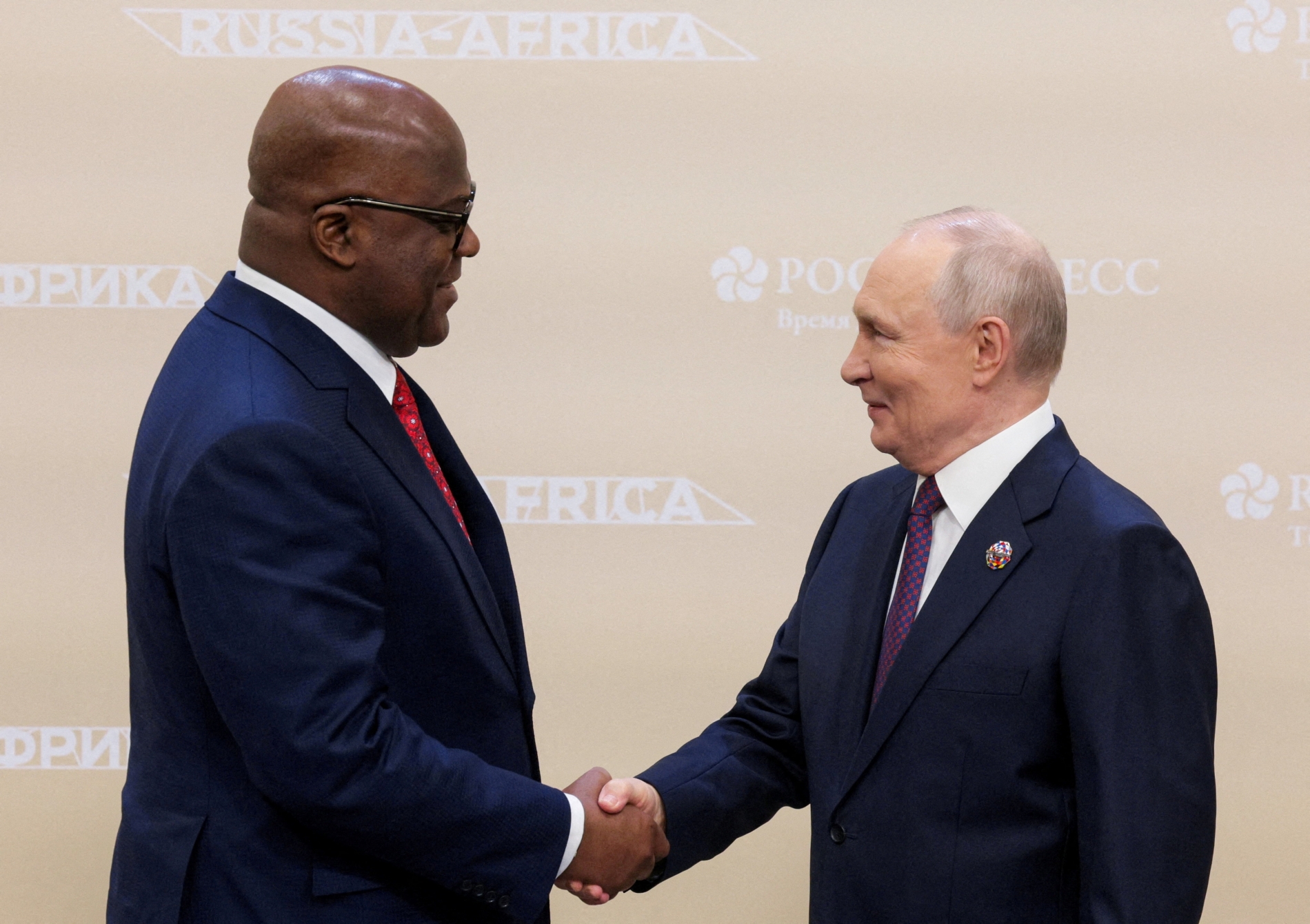
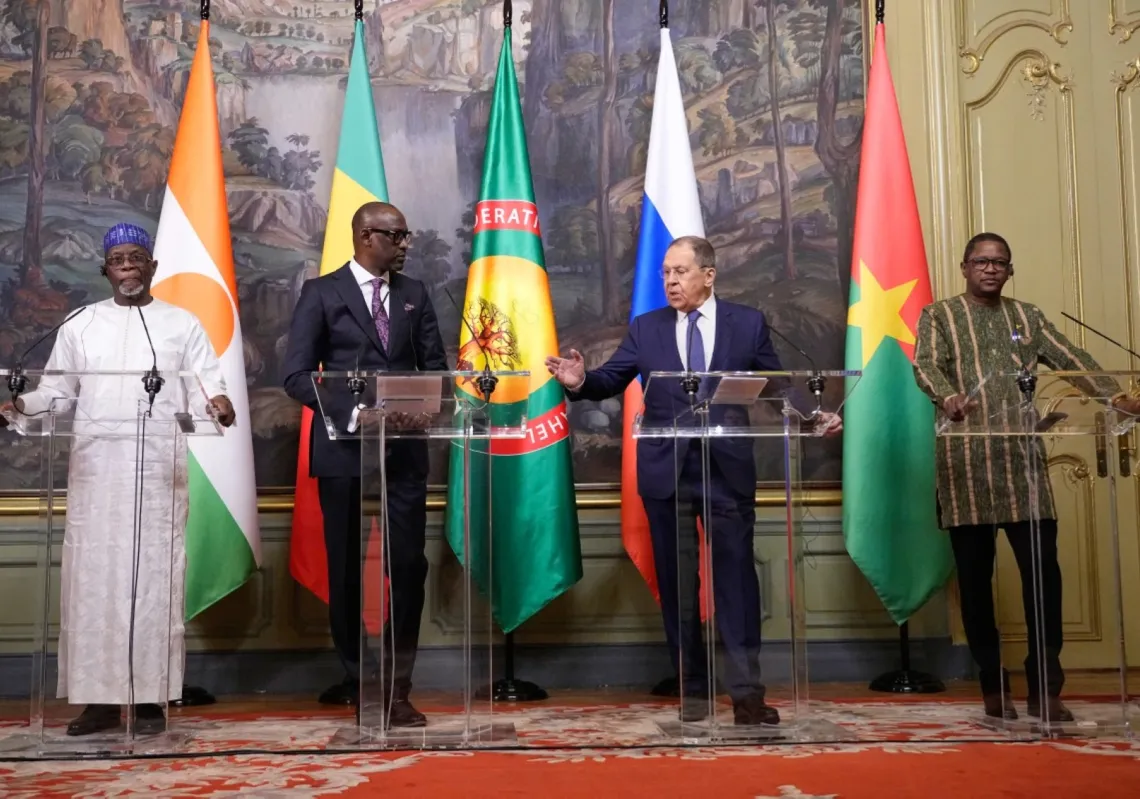
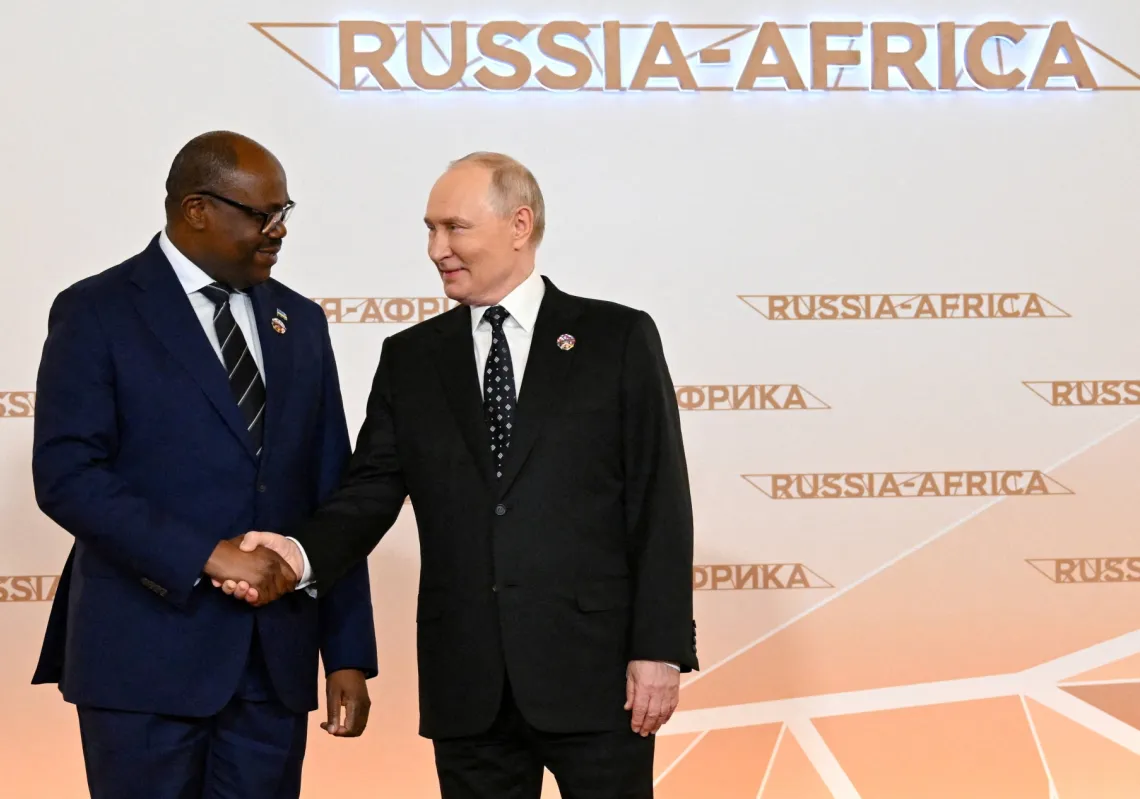
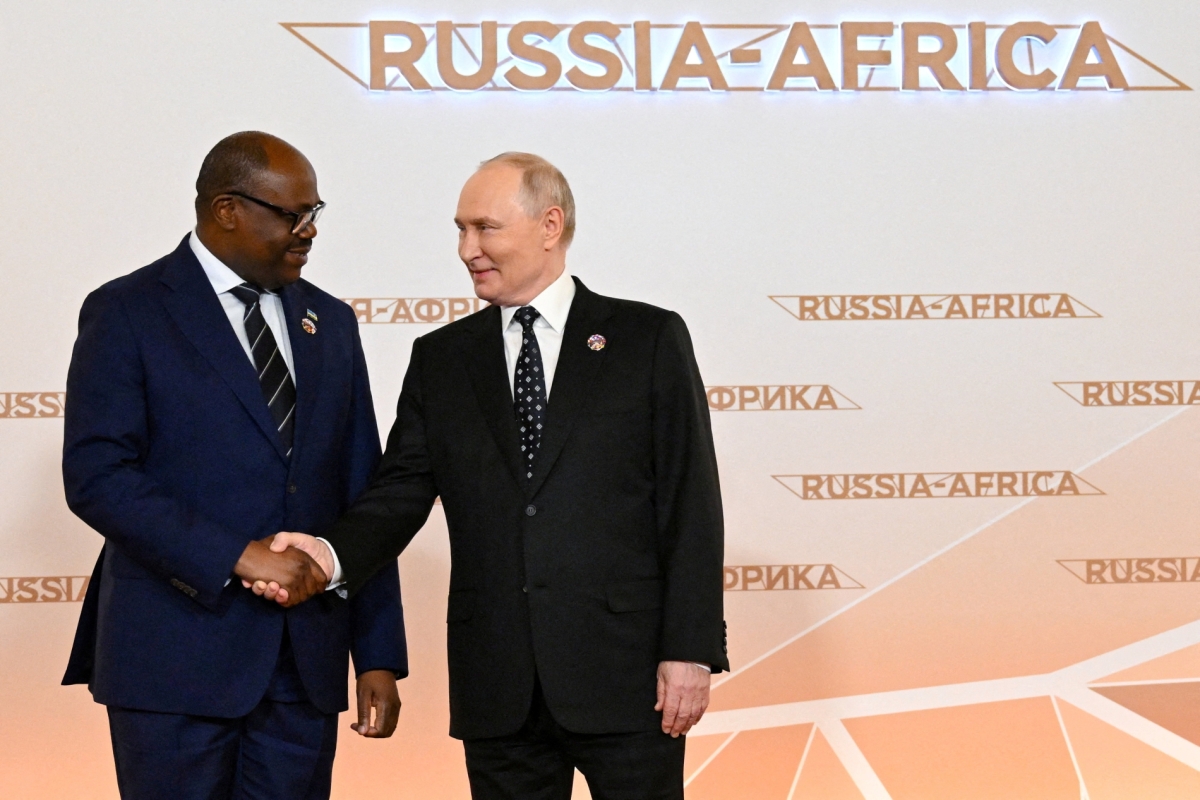
Today, Russia wants to build on its historical legacy in Africa through broader economic partnerships, as African countries look to diversify their sources of financing and technology. The third Russia-Africa Summit taking place this week in Moscow therefore carries economic and diplomatic significance, as Russia seeks new markets, and African countries seek to bolster their own industries and infrastructure. An accompanying forum is expected to focus on trade, investment, nuclear energy, payment systems, food security, and digital technology.
The previous summits were held in Sochi in 2019, and St. Petersburg in 2023; the former resulted in 92 signed agreements, contracts, and memoranda of understanding (MoUs) worth around $12.5bn. At the St. Petersburg summit, 161 agreements were signed. Ahead of the third summit, the Kremlin said it would sign more intergovernmental agreements and commercial contracts this week. Russian data show trade between Russia and African countries was around $27bn last year.
Africa accounted for just under 4% of Russia’s total foreign trade in 2025, unchanged from 2024, according to data from Russia’s Federal Customs Service, as Interfax reported on 10 February 2026. Russia’s total foreign trade stood at $697.3bn in 2025, with Russian exports to Africa valued at $22.7bn and African exports to Russia valued at $4.4bn.
Russia wants to increase exports of grain, fertilisers, industrial products, and energy to African markets, where demand for Russian expertise in nuclear energy, electricity, mining, and infrastructure is growing. This supports Moscow’s ambition to shift from exporting goods to exporting services, as part of its wider strategy to reduce any remaining dependence on the West, including dollar-based payment channels.
Russian Foreign Minister Sergei Lavrov said in December that rouble settlements accounted for 84% of Russia-Africa trade during the first ten months of 2025, but efforts to expand these mechanisms continue to face challenges, including limited banking infrastructure, the risk of secondary sanctions, and difficulties in converting certain local currencies. The success of this approach therefore depends not only on agreeing on which currencies to use for settlements, but also on establishing reliable, sustainable banking channels to process trade payments.
For African states, strengthening food security and reducing supply risks are key priorities. Russian grain and fertilisers are essential inputs for several African economies. Agricultural exports to Africa were worth $7bn in 2024, up 19% from 2023, according to Russia’s Agroexport Centre. Russian companies want to establish storage and processing facilities with African partners, expand local fertiliser production, and supply more agricultural equipment. Discussions with Ethiopia and Tanzania indicate these are areas of cooperation, but progress varies.
Energy investments
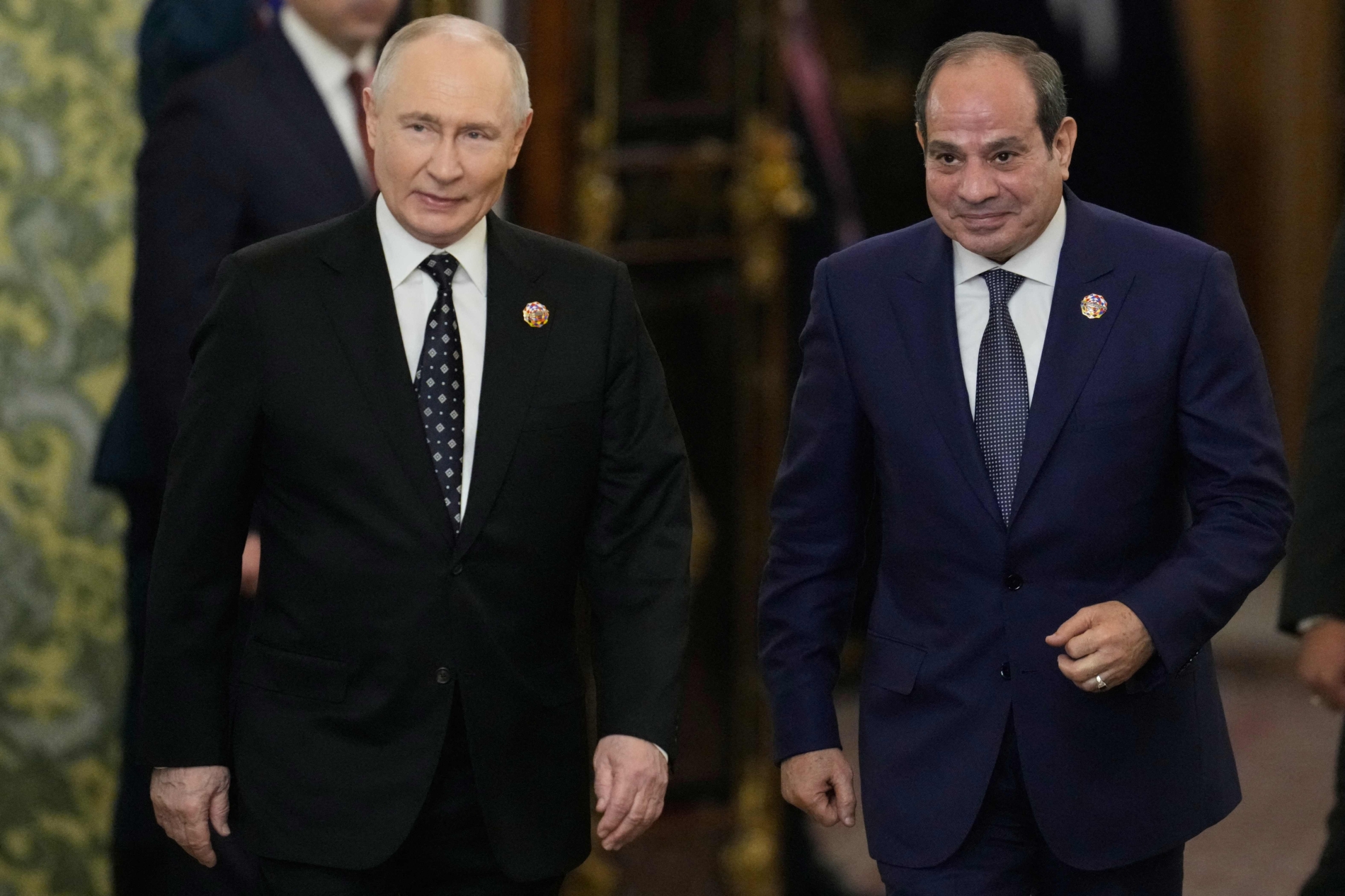
In energy, Russia-Africa cooperation includes nuclear power and wider electricity infrastructure. Egypt’s El Dabaa nuclear power plant, at $28.75bn, is backed by a $25bn Russian loan. The package includes construction of four reactors, nuclear fuel supplies, training, and technical services. In Ethiopia, Moscow is developing a nuclear power plant project with a planned capacity of 2,400 megawatts (MW), while Niger wants to build two nuclear reactors with a combined capacity of 2,000MW.
In Rwanda, cooperation includes developing a nuclear science and technology centre and a research reactor for scientific and industrial purposes. Proposed nuclear facilities also exist in Tanzania and Mali. Other projects in Mali include lithium exploration at the Bougoula deposit, which began in April 2025 in preparation for building a mine and ore processing plant, and the Sanankoroba solar power plant, for which Russia’s Rosatom has conducted a feasibility study. Final investment values have not been announced for either project, and final costs and funding sources are yet to be fully disclosed.
For African countries, the greatest economic value lies in projects that expand productive capacity, reduce energy costs, and create jobs, far more so than merely buying Russian equipment or letting Russian companies extract African minerals, oil, or gas. Broader economic gains come when cooperation extends to processing raw materials and manufacturing products locally, creating jobs and skills, increasing domestic revenues, and strengthening supply chains.