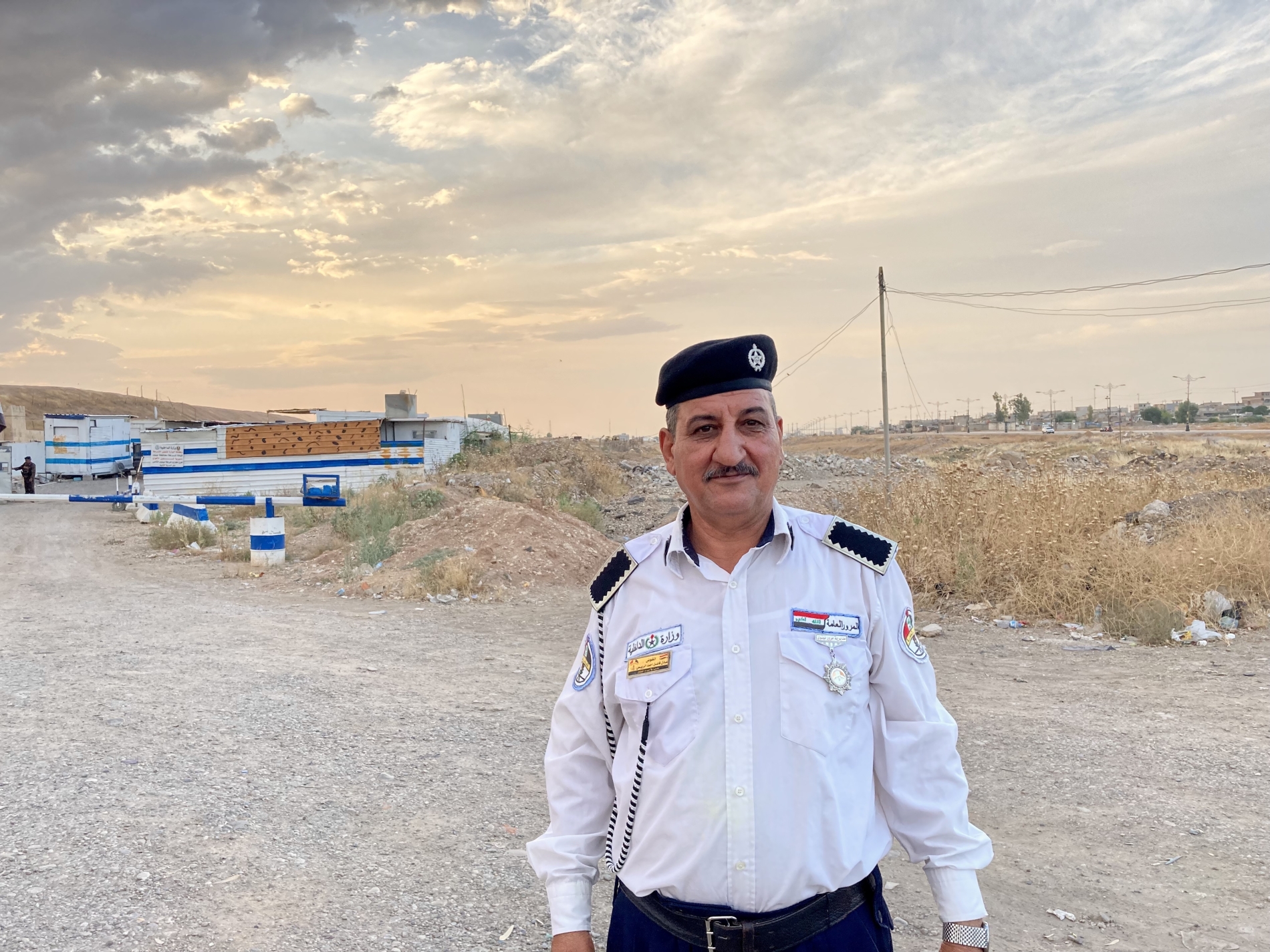

Amman: Sunni Arabs in Iraq are increasingly growing frustrated over a “lack of representation”, a member of the Jabouri tribe from the Salah al-Din province who requested anonymity told Al Majalla.
“They don’t see any sort of Sunni-Shiite conflict,” the man, who works with a non-governmental organisation, explained. Instead, they see wrangling “between militias and political parties, over vast amounts of wealth and weapons in the country.”
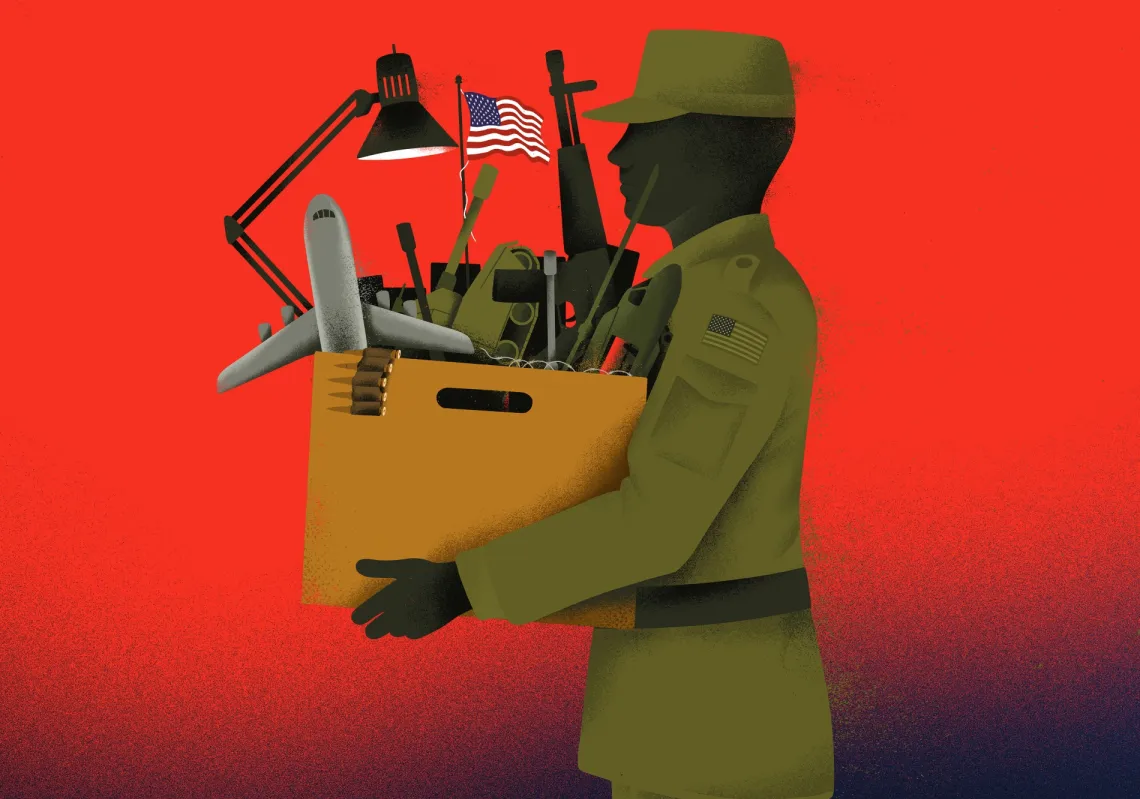
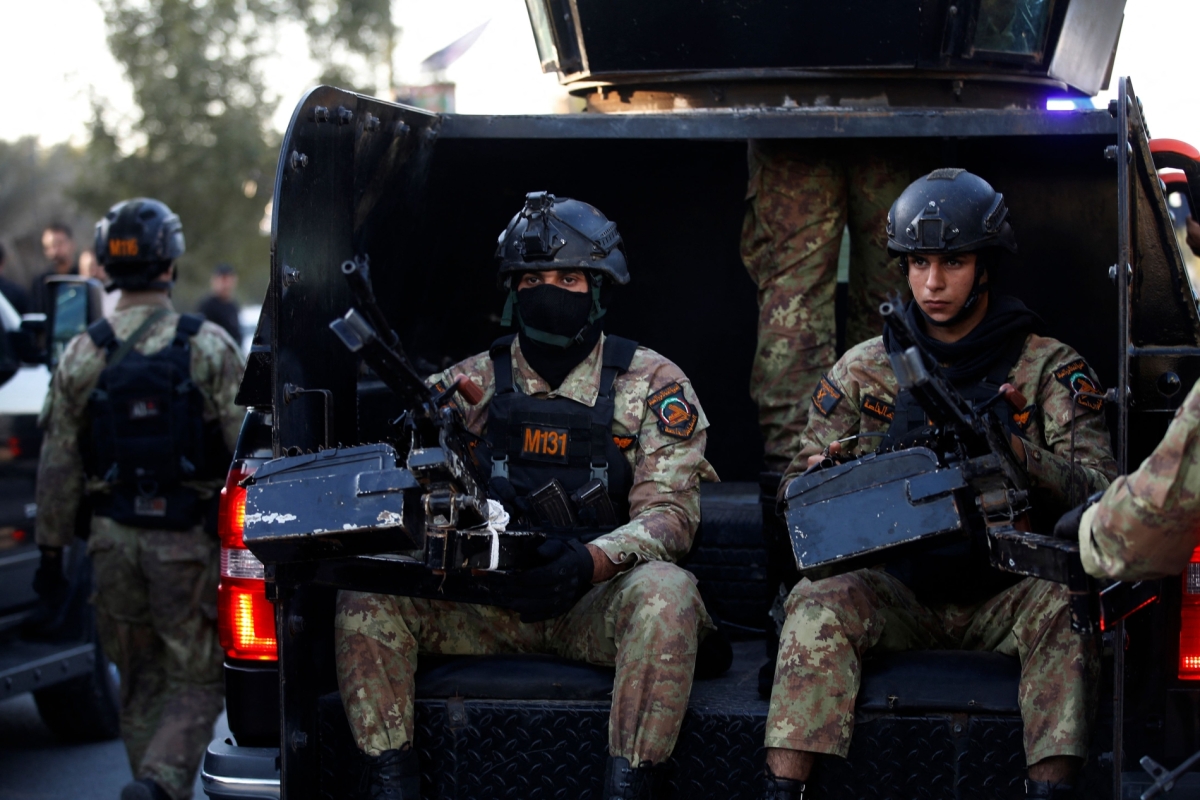
Last month Iraq’s Supreme Judicial Council ordered the monitoring of sectarian language in the media and social media ahead of the 30 September withdrawal of the US-led international coalition against the Islamic State (IS). The move is one of several taken over the years to prevent a sectarian conflict along the lines of what was seen in the years following the 2003 US toppling of the Saddam Hussein regime.
In the two decades since, Shiite political parties have dominated the Iraqi government, many of which are linked to armed factions. While there are no reliable statistics on sects in Iraq, especially as many families are mixed, most estimates put the percentage of Sunnis at 40% or less and Sunni Arabs at under 30% of the population.
Sheikh Marwan Al-Jbara, the spokesperson for the Salah al-Din Tribal Council, told Al Majalla on 20 October that “politically, the Sunnis perceive themselves as having no real role in decision-making; their participation is merely formal.”
“The Shiite faction controls both security and political decisions, and there is a lack of balance in state administration—particularly within the security and military apparatus. Consequently, the political outlook is bleak, especially since they view the so-called ‘anti-corruption campaign’ as targeting only Sunnis and specific Sunni-majority provinces,” he added.
Apart from the political sphere, however, “I believe the Iraqi people have moved entirely beyond sectarianism. While sectarianism persists within political circles, it can no longer take root among the general population. As for the militias, their influence has shifted from the streets to the economic sphere; they now use this economic power to sustain their political wings and seize control of key state institutions and positions. A prime example is Asaib Ahl al-Haq, which entered the political arena—first through the use of arms, and subsequently through the use of wealth.”
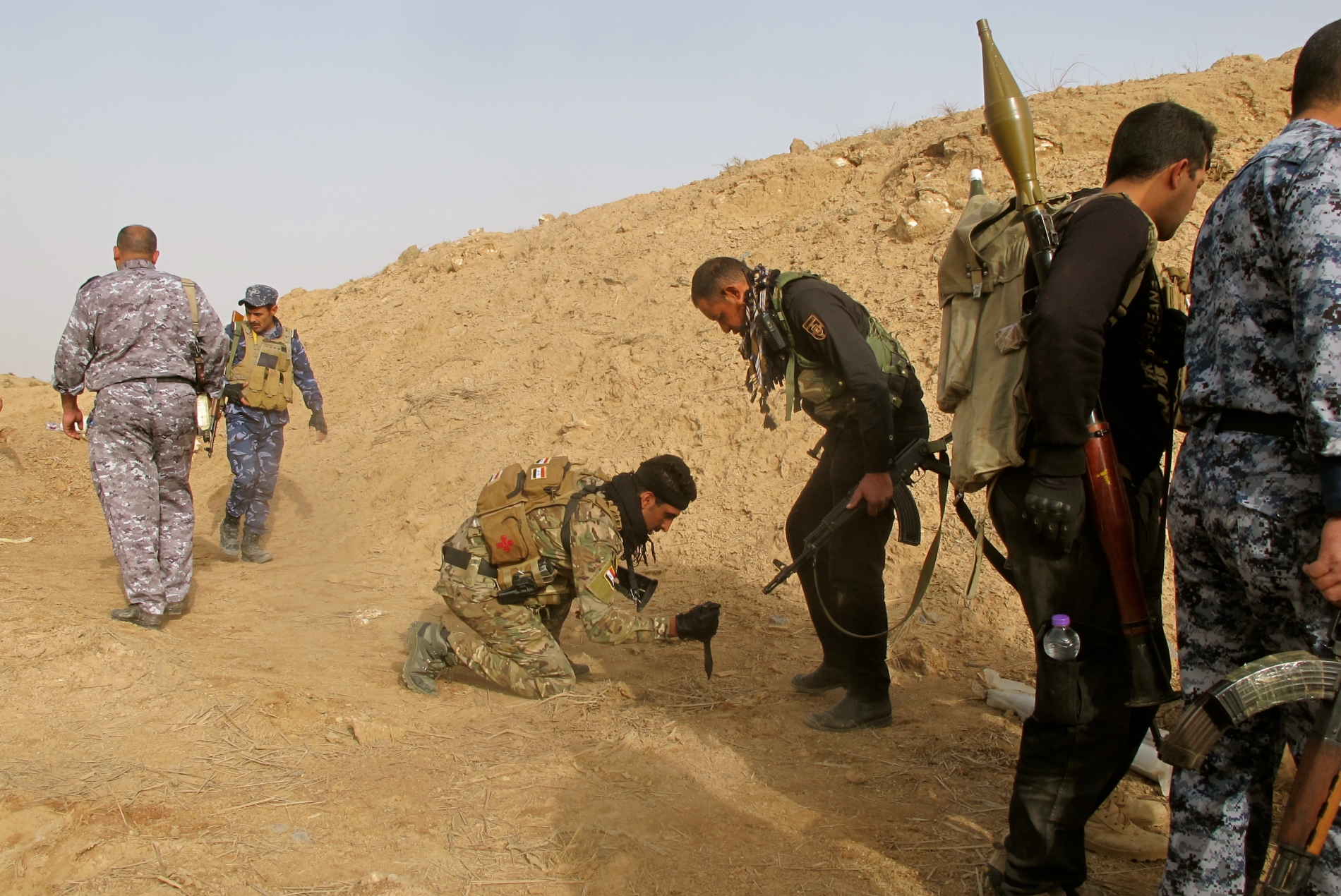
Asaib Ahl al-Haq (AAH) is a major Shiite Islamist armed faction and political party founded in 2006. It is backed by Iran’s Islamic Revolutionary Guard Corps (IRGC). Several brigades within the Iraqi government’s Popular Mobilisation Forces (PMF) were formed from AAH factions, but the group as a whole answers to its commander, Qais al-Khazali, who has recently announced that the group will begin placing its weapons under state control as part of a broad disarmament plan due to be completed by 30 June 2027. AAH commands and influences several units within the Salah al-Din and surrounding governorates.
The Sunni Arab “community aspires to see the PMF and various factions withdraw from the cities,” Jbara stressed. “They are the ones preventing the return of displaced persons to certain areas—areas from which the PMF actively bars them from returning.”
Security fears
Mohammed Dylan, 31, is from the capital of Iraq’s Sunni-majority Anbar governorate and is a political activist who has worked with disadvantaged and war-stricken communities across the country and abroad. His concerns centre on armed factions outside government control, as well as the continued displacement.
In general, “I am worried about our security and political future, especially given the performance of the current Sunni parties,” he told Al Majalla on 19 October, stressing that “these parties have not turned their participation in government into real guarantees that protect people’s rights and security. Having Sunni representatives in government and parliament does not necessarily mean a fair democratic partnership. A real partnership means having a voice in decisions, protecting rights, and holding those who violate them accountable.”
“For me, the main issue is the state’s ability, after the US withdrawal, to protect its citizens and bring all armed groups under its control. Sovereignty is incomplete if foreign troops leave but Iraqi decisions remain subject to weapons outside effective state control,” Dylan said.
“I do not believe that another large-scale sectarian war is inevitable, or that it is the most likely scenario today. In my view, communities that have suffered from war and displacement do not want to repeat that experience. However, people’s rejection of war is not enough to prevent it.”
“I believe that combining armed power with influence in parliament and government weakens the political balance and fair democratic competition. The problem is that some groups participate in politics while keeping armed forces that can pressure their opponents and act beyond state institutions. Entering parliament should mean accepting the full authority of the law, rather than gaining further political protection for their weapons,” he noted.
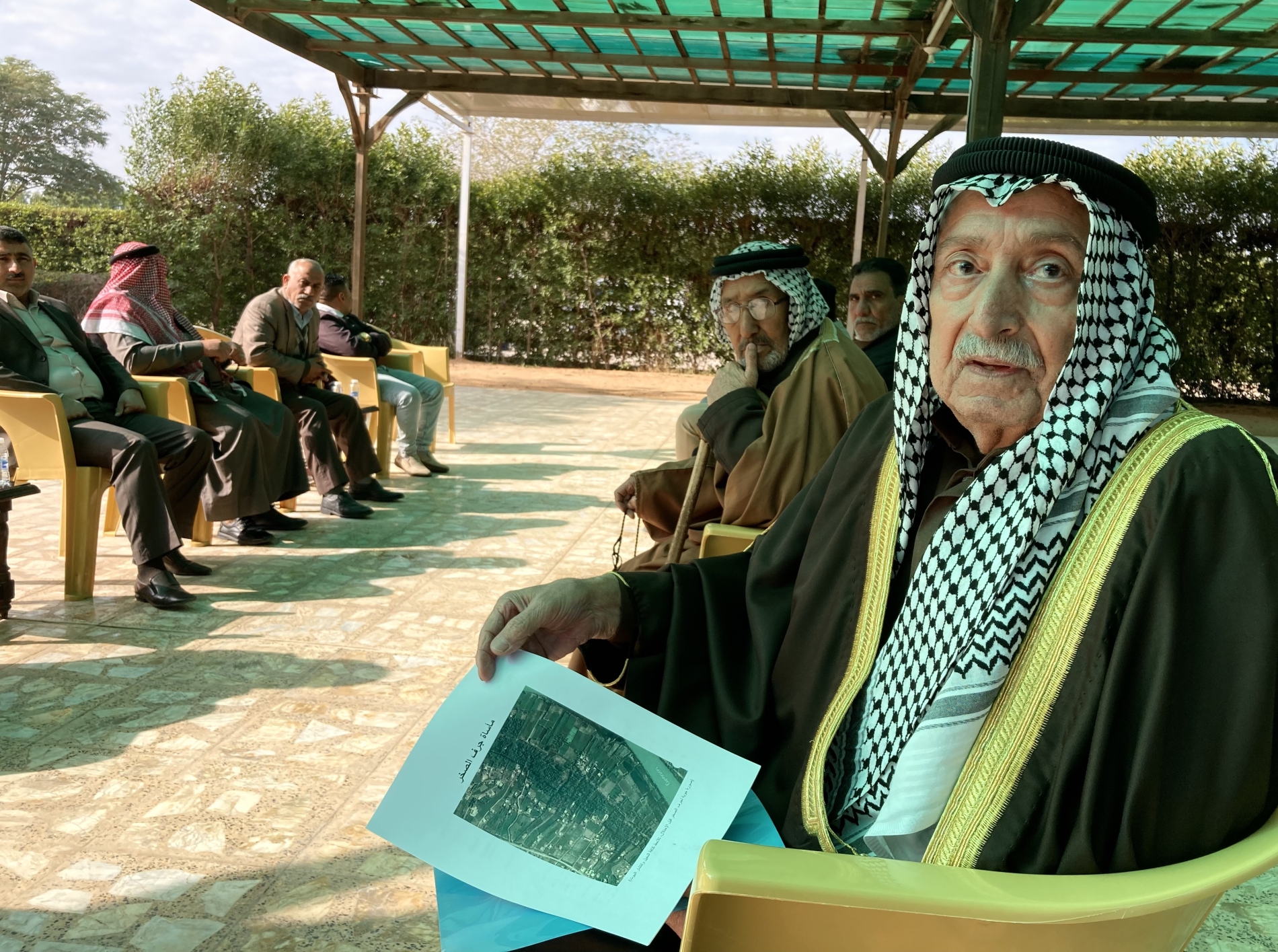
“Some factions’ ties to Iran, and their actions based on regional interests, also expose Iraq to wars that its citizens have no power over, he said, and there are areas across Iraq “where residents have been unable to return, especially Jurf al-Sakhar, remain a clear test of state authority. We cannot speak of lasting stability while families are still unable to return home many years after the Islamic State (IS) lost control of their areas. Security concerns should be addressed through the law and individual accountability, rather than keeping an entire community from returning,” the political activist noted.
Jurf al-Sakhar is a town approximately 60 km southwest of Baghdad that, as of 2014, had a population of approximately 90,000, mostly Sunni Muslim Arabs. The area is primarily agricultural, and its position is strategic, linking areas near Baghdad, Anbar, and the Shiite holy city of Karbala. It was taken by Iran-backed Iraqi Shiite armed factions in 2014 in the early months of Iraq’s war against IS, but its Sunni residents have since then remained displaced and prevented from returning by these armed factions. The area remains outside of government control according to numerous Iraqi and other experts. It has since been renamed Jurf al-Nasr.
Two schools of thought
“There are two schools of thought among the Sunnis,” a 40-year-old member of the Mashhadani tribe in the town of Tarmiya on the northern outskirts of Baghdad, known as the Baghdad Belt, told Al Majalla.
“The majority views the US-led coalition's withdrawal as a tactical move, anticipating a major blow against the militias,” and are hopeful that “diplomatic relations will safeguard the rights of both sides and serve as a bulwark against Iran,” the man, who also requested anonymity, said.
“The other segment—the political faction and its followers, who represent a smaller portion of the Sunni community—believe that the Americans lack significant influence and will be unable to dismantle the militias or curb their power,” he said.
“Consequently, they argue for cooperating with the militias’ political wings to navigate the situation, secure material gains, and prevent the militias from having the field entirely to themselves. At the same time, they maintain good relations with these militias to facilitate the sharing of wealth.”
“In Tarmiya, the security situation is relatively stable, yet it remains subject to the influence of militias, most notably Al-Nujaba,” he said, and this had led to “persecution and financial control, as the militias have seized land to establish their own economic hubs and continue to extort the local population.”
The armed faction he referred to, also known as Harakat Hezbollah al-Nujaba (HHN), is another major Iraqi Shiite Islamist armed faction and political party. It was formed in 2013 to support the Bashar al-Assad government in Syria as a breakaway faction from AAH. It has been funded and trained by Iran’s IRGC. It later took part in the US-coalition-backed war against IS in Iraq between 2014 and 2017. Fighters within the PMF’s 12th Brigade are from the group.
“A prime example is that, to this day, the fate of those who killed Safaa Al-Mashhadani (an Iraqi politician and member of the Baghdad Provincial Council who was assassinated on 15 October 2025, in a car bombing in Tarmiya) remains unknown—precisely because the militias were involved,” he claimed. “Initially, there was some hope when (Prime Minister Ali) al-Zaidi took office, with his talk of targeting the corrupt and setting a deadline for the surrender of weapons.”
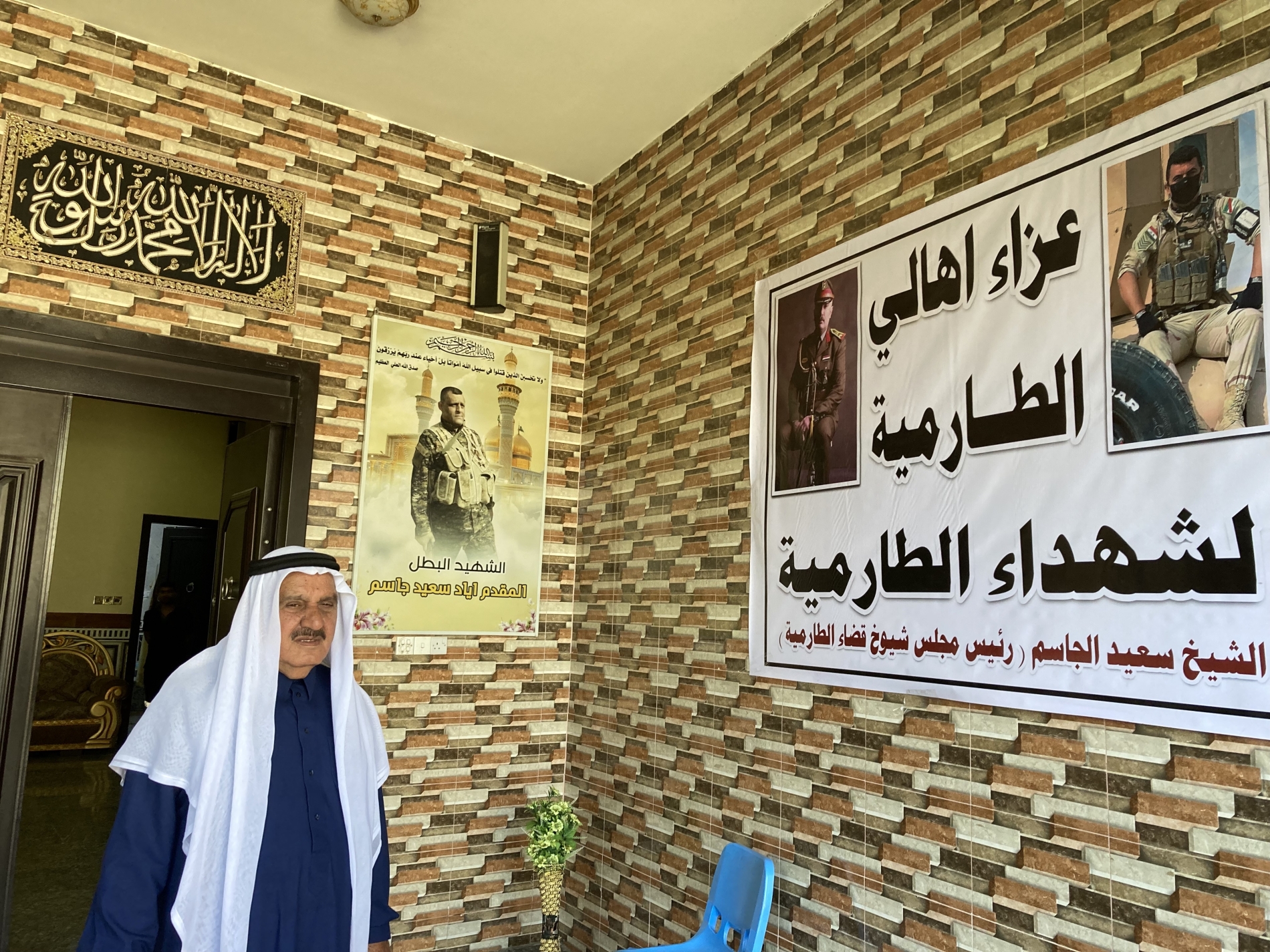
However, “after that deadline was extended, it became clear to everyone that no one can eliminate the militias or disarm them, unless there is American backing and a firm American resolve to compel the Iraqi regime to act.”
Of all the members of the Sunni Arab community that Al Majalla spoke to, this man from the areas surrounding Baghdad expressed the greatest concerns about the possibility of IS or similar groups being able to carry out attacks in the future.
“It would not be on the scale of 2014, but rather in the form of limited, hit-and-run cells targeting individuals who fought against them in the past,” he said, as “many young people, who are oppressed by the government and militias, remain unemployed and live in abject poverty.”
On the subject of Tarmiya and the Baghdad Belt, Jbara told Al Majalla that there “are hidden hands attempting to turn Tarmiya into a ‘hot zone’ to facilitate the expansion of certain militias—enabling them to seize local lands and orchards, and to establish control over areas north of Baghdad.”
“Naturally, the terrorist IS cannot make a comeback; however, individual remnants or the very name ‘IS’ could be exploited to demonise specific regions in Iraq," he said, citing a concern that some might use the history of IS presence in Sunni-majority areas to engage in propaganda against the people in those areas. "Sunni-majority areas have moved past the issue of terrorism, and the Sunni community categorically rejects any presence of IS.”