Cairo pledges to back Riyadh in its fight with the Houthis

Their defence ties date back decades, so it is no surprise Egypt is standing by Saudi Arabia at a critical time for both countries

The Egyptian Air Force aerobatics team "Silver Stars" performs during the second international air show and aerospace expo at El Alamein International Airport in El Alamein, Egypt, on 9 September 2026.
REUTERS/Amr Abdallah Dalsh
The Egyptian Air Force aerobatics team "Silver Stars" performs during the second international air show and aerospace expo at El Alamein International Airport in El Alamein, Egypt, on 9 September 2026.

Cairo pledges to back Riyadh in its fight with the Houthis

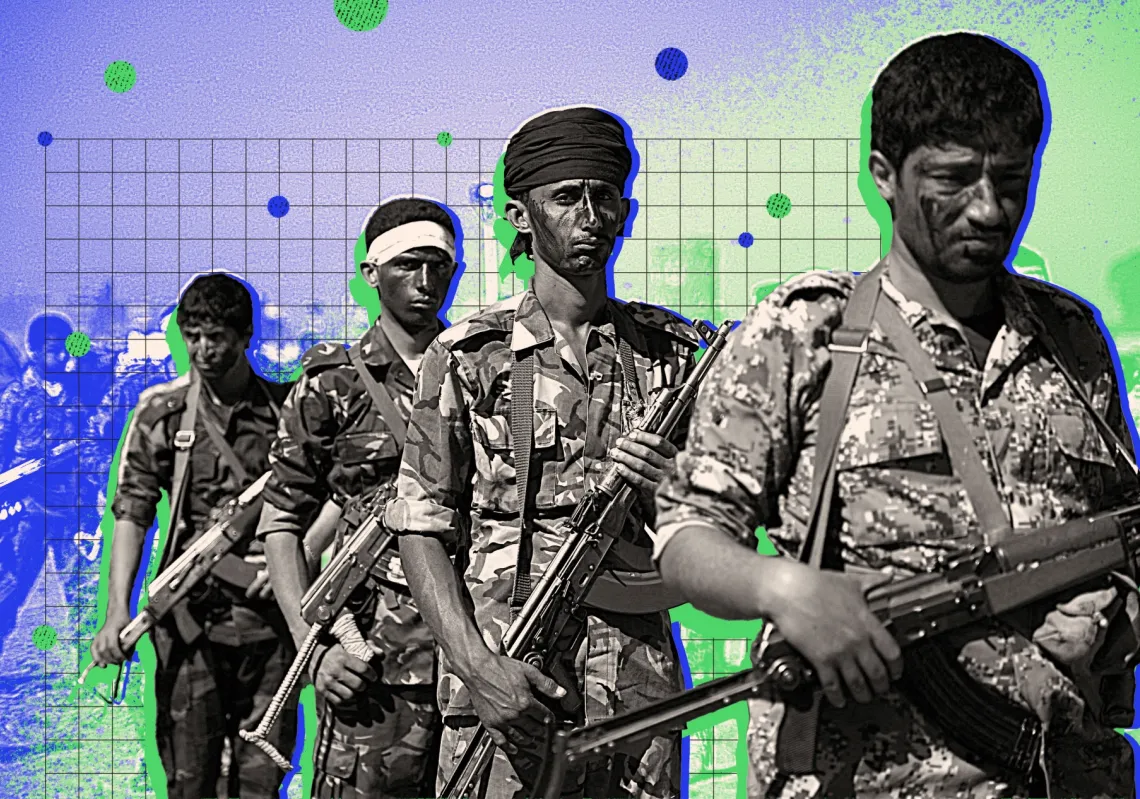
Egypt has offered defensive military support to Saudi Arabia in its fight against the Houthi militia in Yemen, with analysts now speculating about what that would entail. It follows a meeting on 18 October of Egypt’s National Defence Council, at which the decision was made to defend Cairo’s Gulf ally in the face of threats, and to help protect Islamic holy sites.

The council, chaired by President Abdel Fattah al-Sisi, said it understood the link between Egyptian and Saudi security. At a graduation ceremony at the Egyptian Military Academy, he said he was grateful to the Gulf states for backing Egypt after the 2013 uprising against Muslim Brotherhood rule. “Egypt will not allow the security of Saudi Arabia to be threatened,” he said. “This is why I requested that parliament convene to authorise this support.” A day earlier, al-Sisi asked Egypt’s parliament to authorise the deployment of defensive aid. The Egyptian constitution states that parliament must approve the dispatch of troops or military support outside national borders.

The nature of the assistance will likely be decided by Riyadh, which will highlight the areas it thinks Egypt could complement its defence capabilities. Military experts in Cairo expect this to include air defence systems and fighter jet formations, along with any crews needed for their operation.

Longstanding bonds

Along with other founding members of the Arab League, Egypt and Saudi Arabia are bound by a joint Arab defence agreement from 1950. The pair also have a bilateral defence treaty from 1955, which states that an attack on one will be considered an attack on both. Offering to help Saudi Arabia is also a form of self-defence, says General Nasr Salem, Egypt’s former reconnaissance commander. “Egypt cannot wait until security threats become more dangerous.”

Speaking to Al Majalla, he said attacks by the Houthi militia were targeting sensitive Saudi sites, including infrastructure, energy facilities and airports, and also expressed fears that the holy sites may be hit—a prospect that he felt should mean every Muslim wants to defend Saudi Arabia. “The message is clear: we cannot accept the threatening of Saudi Arabia, he said. “They will not fight alone."
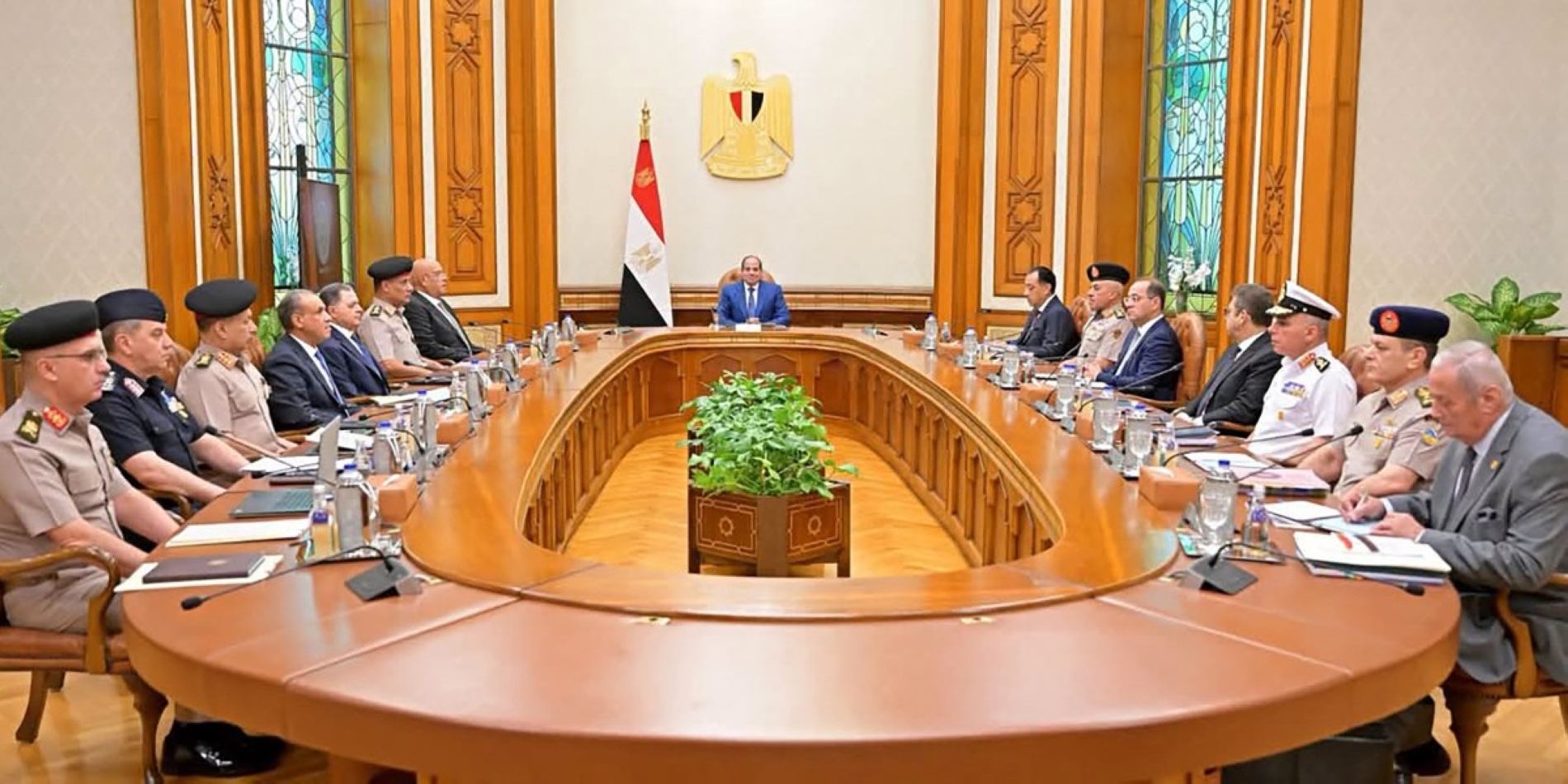
EGYPTIAN PRESIDENCY / AFP
This handout picture released by the Egyptian Presidency shows Egypt's President Abdel Fattah al-Sisi chairing a meeting of the National Defence Council at the Ettihadiya presidential palace in Cairo on 18 October 2026.

Just a month ago, Saudi Crown Prince Mohammed bin Salman visited Cairo and met President al-Sisi to discuss regional developments, particularly regarding the Houthis' attempt to control Red Sea islands from which they could threaten navigation in the strategic Bab al-Mandeb Strait. Saudi Arabia and Egypt share an interest in free navigation in the Red Sea; Riyadh needs to export its oil, and Cairo needs dollar revenue from Suez Canal transit fees.

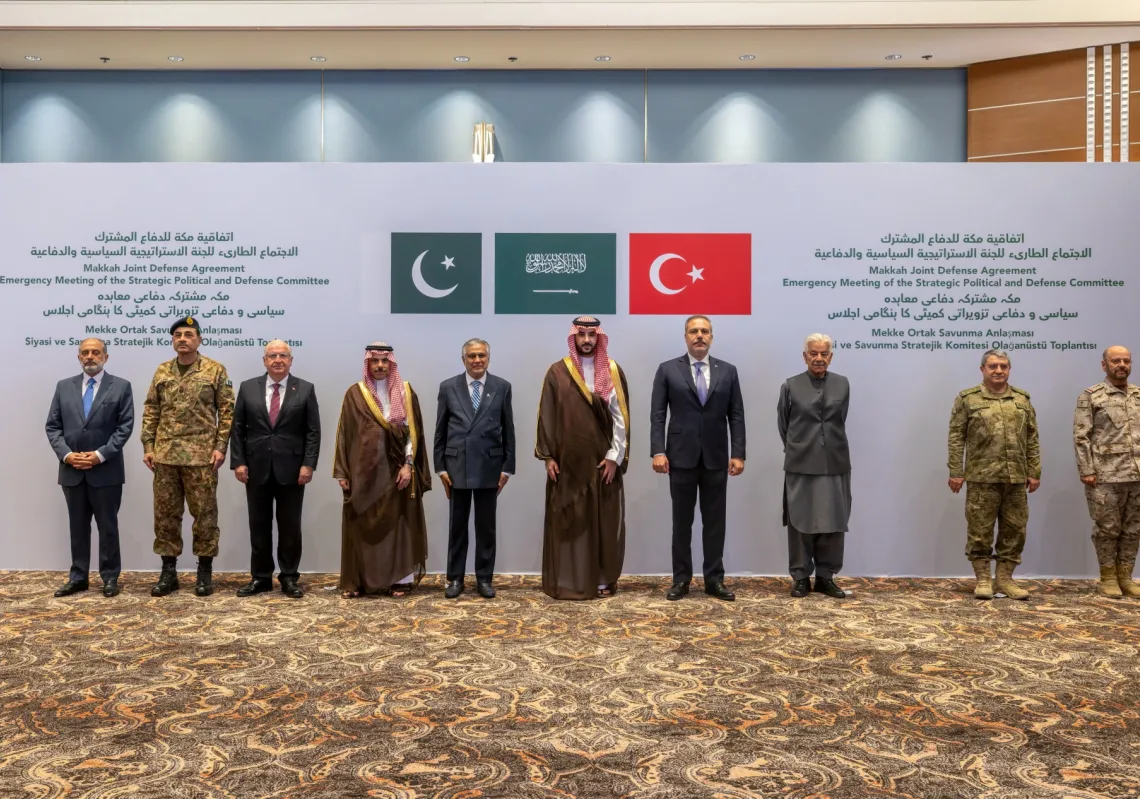
Supporting Saudi Arabia militarily is a big move for Egypt, which is normally reluctant to deploy its troops abroad, join military alliances, or get entangled in foreign wars. When the Mecca Joint Defence Agreement was inked between Saudi Arabia, Türkiye, and Pakistan in August, Egypt declined to join, despite having been part of talks leading to the alliance’s formation. This reluctance to get involved in foreign fights stems from painful lessons Egypt learned in its modern history, such as its foray into Yemen in the early 1960s. At the time, President Gamal Abdel Nasser deployed more than 70,000 troops to back Yemen’s new republic, seeking to spread pan-Arabism across the region, but it ended in a costly withdrawal.
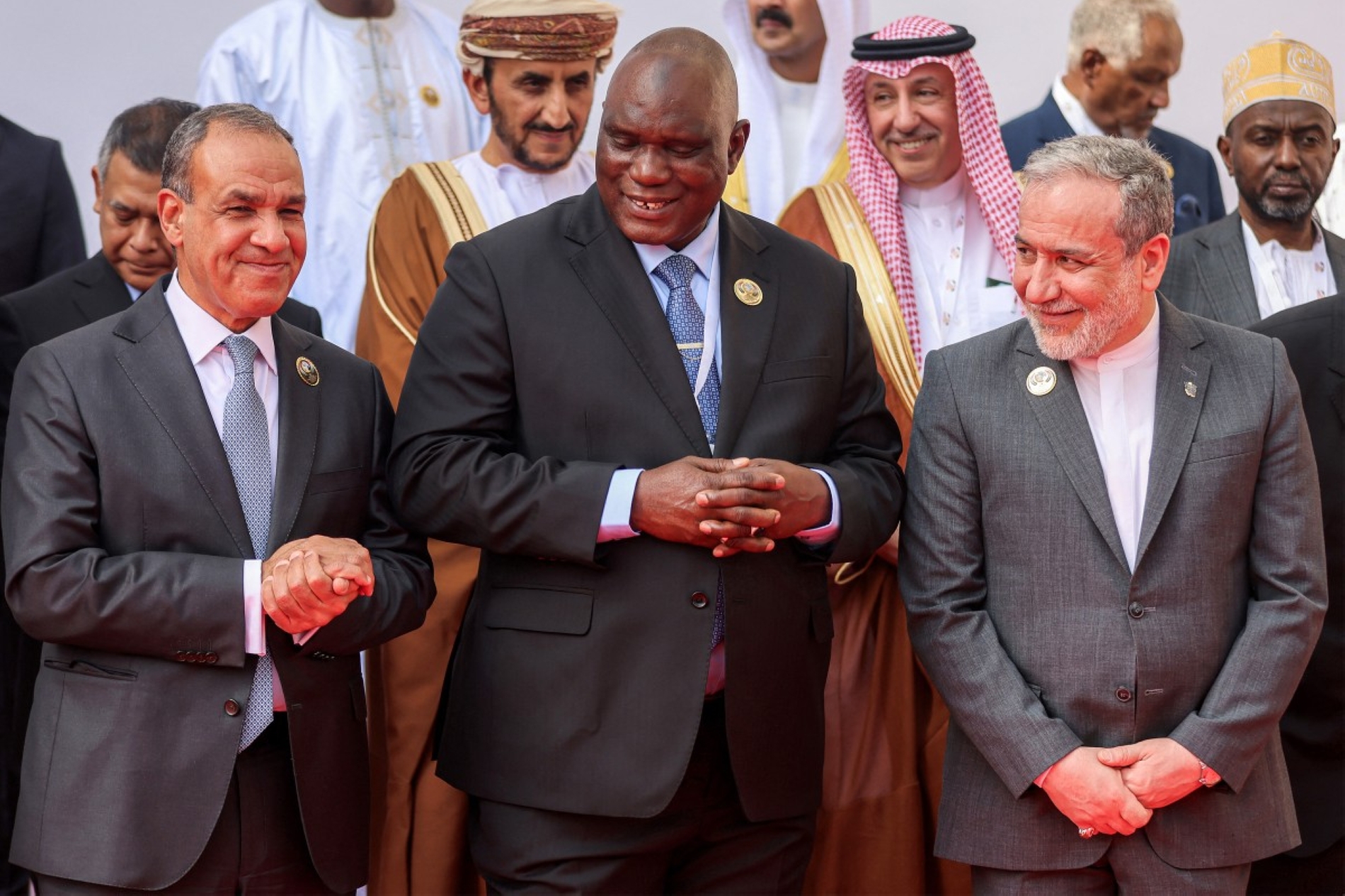
As al-Sisi pledged support to Saudi Arabia in Cairo, Egypt's foreign minister met his Iranian counterpart in Baghdad to discuss de-escalation

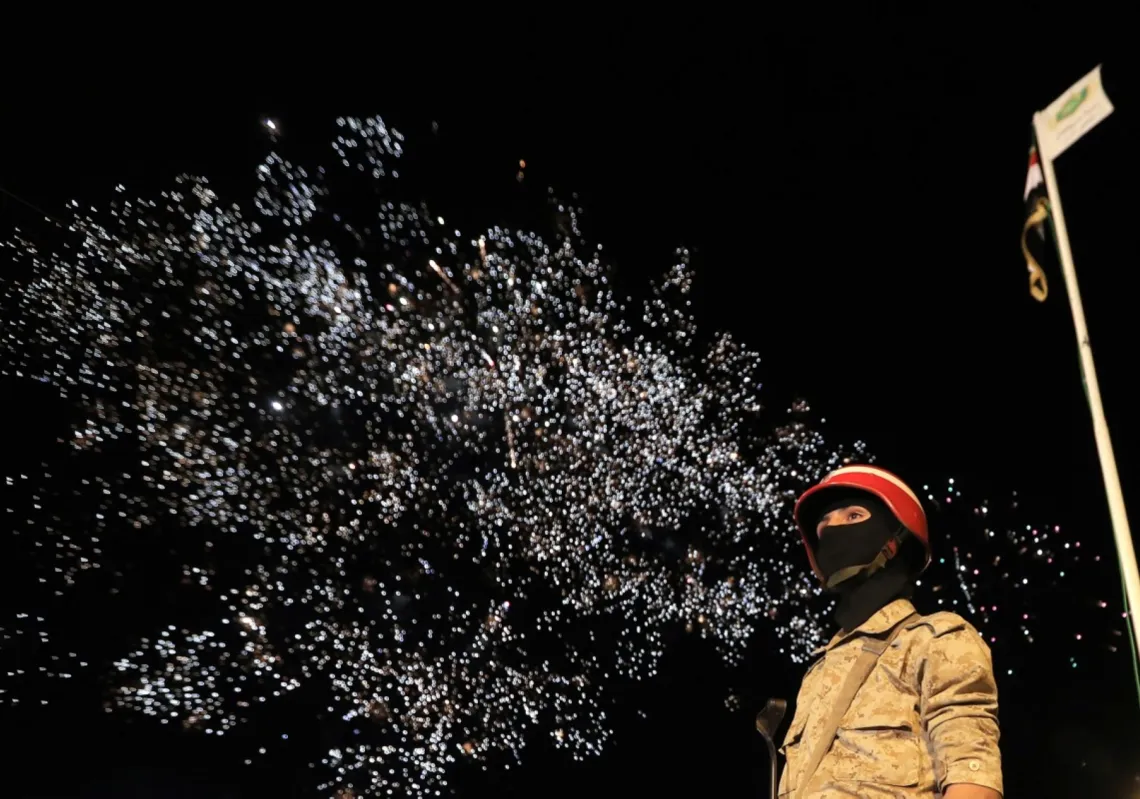
Although it did not join the Mecca Alliance, Egypt is still supportive of fellow Arab states facing Iranian attacks. On his visit to the United Arab Emirates in May, al-Sisi visited an airbase hosting a squadron of Egyptian fighter jets, and since then, Egypt has sent further military reinforcements to the Gulf. Cairo is well aware that Houthi attacks in 2026 not only threaten Saudi Arabia, but also the commercial shipping that had only recently returned to using the Red Sea and the Suez Canal. If operators were to divert away from the region once again, this would deal an economically devastating blow to Egypt, which has already incurred billions of dollars in losses due to Houthi actions since 2023.

Egyptian intervention also comes at a time when the regional security framework is being reformulated, with the commitment of the United States to its traditional role of guarantor looking shaky. Some expect a nucleus of Arab states to form, taking their security into their own hands.

"There have been repeated calls for the formation of a unified Arab force, or of a collective Arab security system," says Ayman Shabana, a professor of political science at Cairo University. "It is in the best interests of Arab states to take over responsibility for their security affairs, especially with these states possessing the human and material wealth required to make it happen."

A unified Arab force, he added, would bring about collective security, give Arab states independence, and help them defend their sovereignty and resources. "Such a force would also put Arab states in a position of power when negotiating regional arrangements," Shabana added that a collective Arab framework had been a goal of the Arab League for many years.

AHMAD AL-RUBAYE / AFP
Egypt's Foreign Minister Badr Abdelatty and Iran's Foreign Minister Abbas Araghchi at the OIC's meeting of foreign ministers in Baghdad on 17 October 2026.

Diplomatic off-ramp

Alongside its military support to Saudi Arabia, Cairo will step up its diplomatic efforts to contain the conflict, preserve Saudi security, and put an end to Houthi threats, as confirmed in the statement on 18 October from Egypt's National Defence Council, which said it would work in coordination with key international stakeholders to bring about a resolution.

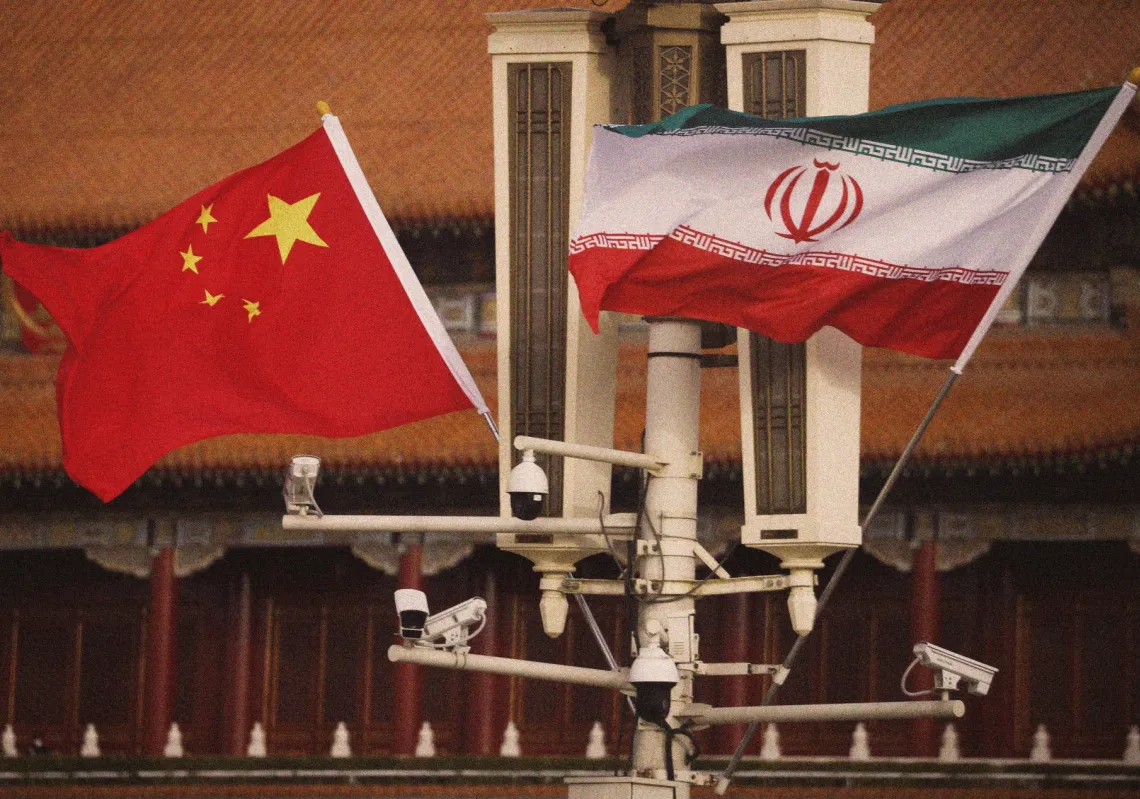
As al-Sisi was pledging support to Saudi Arabia in Cairo, Egyptian Foreign Minister Badr Abdelatty was meeting Iranian Foreign Minister Abbas Aragchi in Baghdad to discuss de-escalation and a return to diplomacy. Iran is the Houthis' main backer and is believed to be steering the group in the current campaign against Saudi Arabia—a global oil giant—in a bid to put further pressure on the world energy market.

Speaking to Aragchi on the sidelines of the 52nd session of the Foreign Ministers' Council of the Organisation of Islamic Cooperation, Abdelatty sought a 'diplomatic off-ramp' and called for an end to hostility against Saudi Arabia, describing the attacks on the kingdom as "unjustified".

Like others, Cairo believes that there can be no military solution to the conflict in Yemen or to the region's other interconnected conflicts. Al-Azhar, the prestigious 1,000-year-old centre of Sunni Islamic learning in Cairo, issued a statement on 18 October calling for calm and unity among Muslims, alluding to the religious aspect of the current crisis.

Prof. Shabana referred to Saudi Arabia's significance for Muslims around the world as the host nation of Islam's holiest sites. "I strongly believe diplomacy is capable of providing the most ideal solutions to conflicts," he said. "Still, those negotiating must do so from a position of power. This only highlights the importance of Egyptian support to the Saudis."

font change