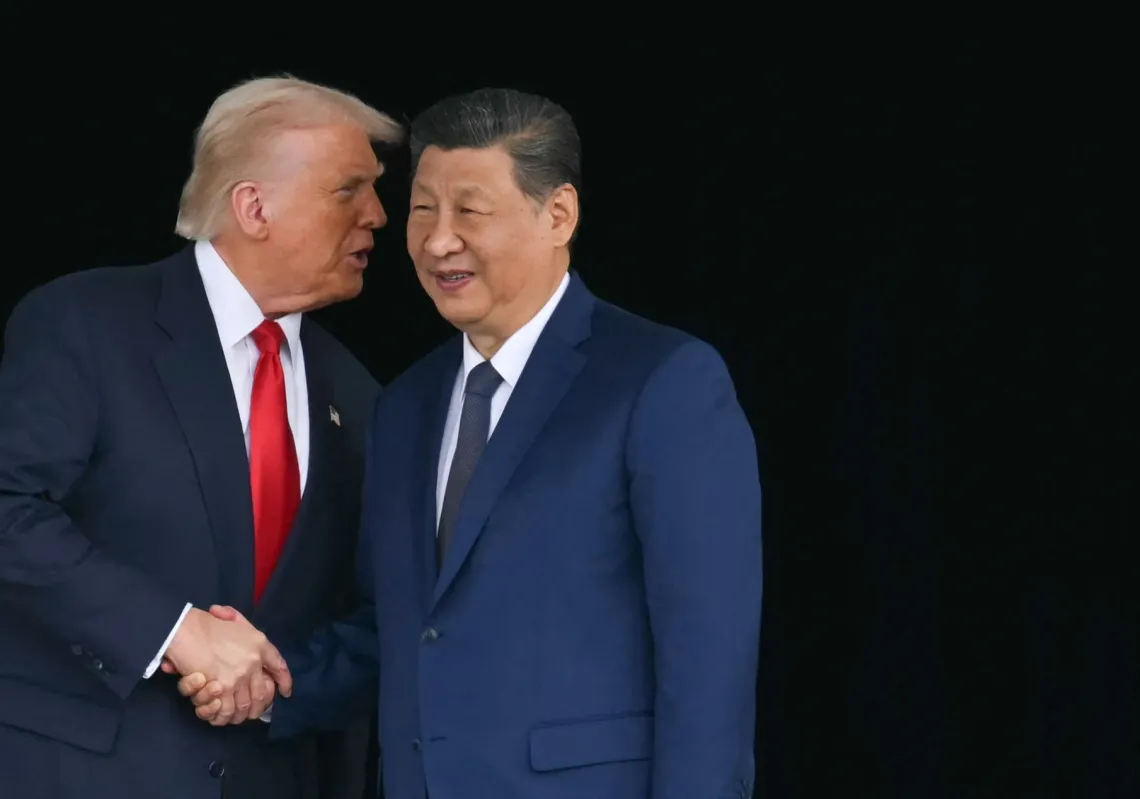

In an interview with France 24 on the sidelines of the UN General Assembly in September, Massad Boulos, US President Donald Trump’s senior adviser for Arab and African affairs described the three rounds of UN and US-backed Western Sahara negotiations held earlier this year as “constructive and productive”, but publicly acknowledged that no political settlement was likely in the foreseeable future.
Boulos’s remarks contrast with the decisive tone of US special envoy to the Middle East Steve Witkoff’s October 2025 prediction that Washington would secure a peace deal in 60 days. This diplomatic posture marks a clear departure from earlier American enthusiasm for reaching a settlement and reflects a more sober recognition of the obstacles that continue to impede a settlement.
The timing and substance of Boulos’s remarks give them particular weight. While some regional assessments had anticipated a decisive breakthrough, the US adviser’s acknowledgement of an impasse has prompted a recalibration of diplomatic expectations.
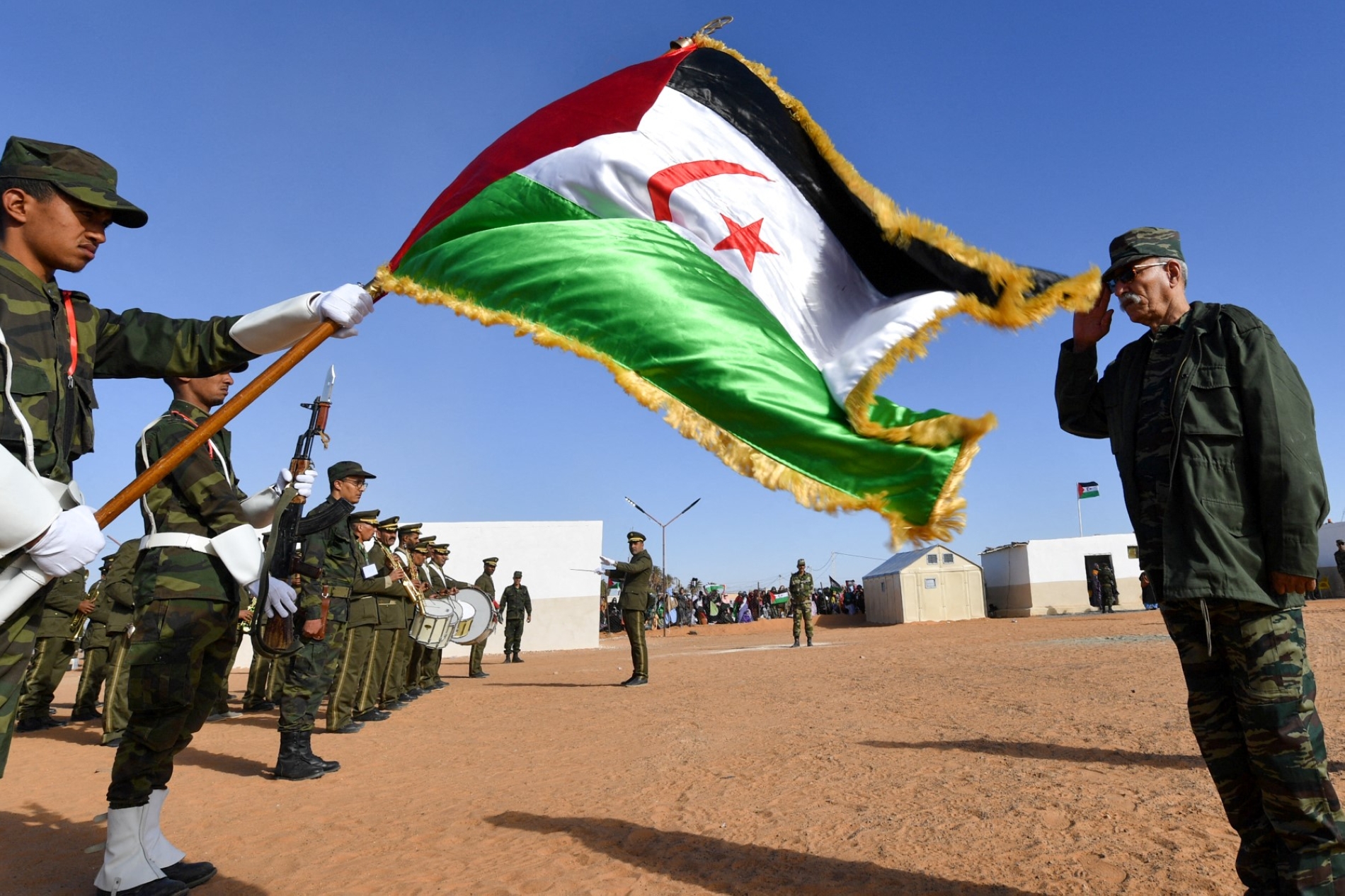
The three rounds of talks, held in Washington and Madrid, brought together representatives of Morocco and the Polisario Front, with Algeria and Mauritania also participating as observers. The Polisario Front, a Sahrawi independence movement, opposes Morocco’s claim to Western Sahara and advocates self-determination.
On the regional balance of power, Boulos characterised Algeria as “a very good partner” of the US. While noting that Algiers could not impose a settlement on the Polisario Front, he said it could “encourage” a political process, adding: “We believe that they have been encouraging.” He even went further, rejecting Morocco's narrative that Algeria is a direct obstacle to resolving the conflict, describing Algiers as a "vital partner".
Expectations shattered
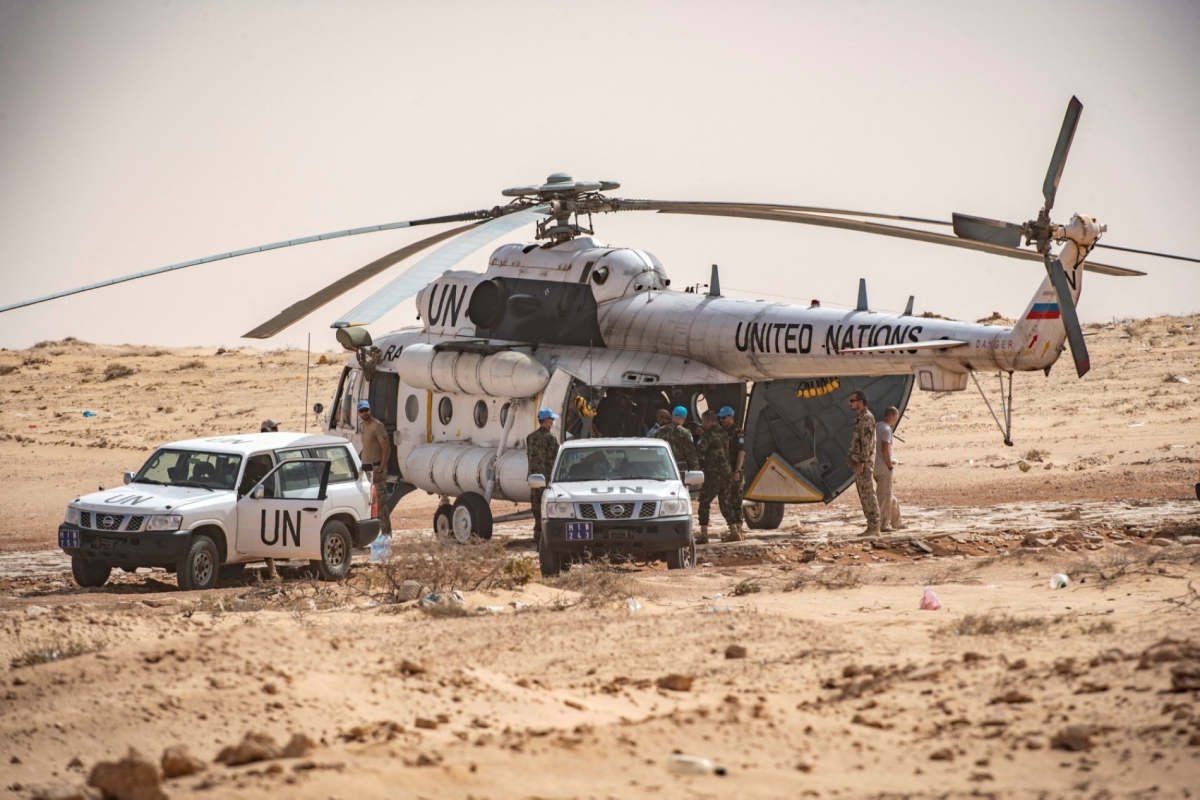
Boulos's remarks shattered expectations that UN Security Council Resolution 2797—which made Morocco’s autonomy plan the basis for negotiations—would quickly translate into a final settlement. His acknowledgement of the difficulty of resolving the dispute makes the approaching 31 October expiry of the MINURSO mandate—the UN Mission for the Referendum in Western Sahara—all the more significant. This relegates MINURSO to a body that maintains the status quo rather than advancing a political settlement. It also demotes UN Resolution 2797 to a framework for negotiations rather than a definitive instrument for resolving the dispute.