

Al Majalla covered the third anniversary of the October 7 Hamas attacks on Israel. In Israel’s long October, Michael Horowitz asserts that restoring Israeli confidence in their government will require a leadership willing to answer for the past and choose a direction beyond it. For his part, Frederic C. Hof urges Israel to reconsider its approach to Lebanon, while Gisella Ligios speaks to Syrians affected by Israel’s encroachment in the south of the country.
The big story in the region was, of course, Yemen. Ibrahim Jalal explains how Iran-Houthi escalation could backfire, while Ibrahim Hamidi looks at ways Syria can help the Yemeni government. For his part, Haid Haid highlights the importance of securing Syria’s oil pipelines for its regional energy ambitions.
Switching to the Horn of Africa, Amr Emam asks: Have Ethiopia's neighbours formed an alliance against it?. Read his article to find out. Al Majalla is also tracking Brazil’s election where Flávio Bolsonaro, an ally of US President Donald Trump, and Brazil’s incumbent President Luiz Inácio Lula da Silva will face off in a runoff on 25 October for the top job of Latin America’s powerhouse economy after neither won a majority in last week’s vote.
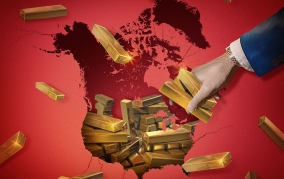
Jumping continents, Abdulfattah Khattab explains Why Europe’s gold is on the move, while Con Coughlin tracks the case of the former head of Germany's BND, August Hanning, who has been accused of sharing sensitive intelligence with an unnamed foreign power, and how it could negatively impact Western intelligence networks. Meanwhile, Khattar Abu Diab explains how AfD's rise is shaking Germany’s postwar political model, with repercussions for Europe’s balance of power.
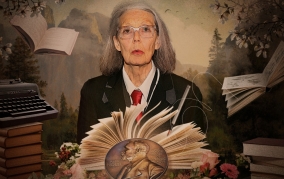
Alaa Emara examines several recent studies on the psychology behind belief in secret plots in his piece, What makes a conspiracy theorist? In Culture, Bahaa Iy’ali looks at how the Nobel-winning Canadian poet Anne Carson mourns through play, while Wael Said highlights the 9 Arab films vying for an Oscar.
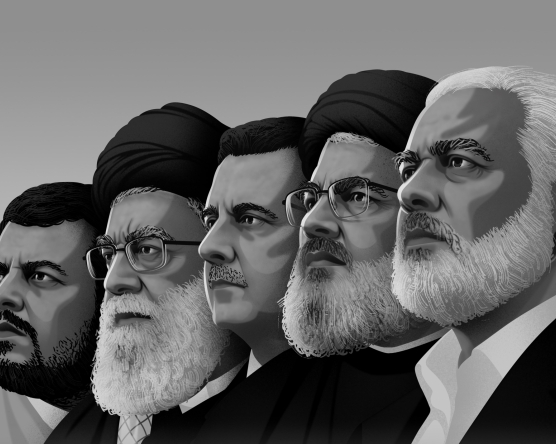
After October 7: new faces, changing maps
Al Majalla examines this changed landscape—from Israel's domestic political scene to its external ambitions, where it occupies large swathes of new territory in the West Bank, Lebanon and Syria
 Politics
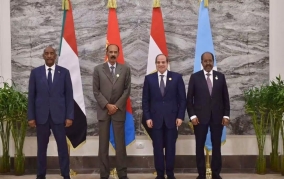
Have Ethiopia's neighbours formed an alliance against it?
The leaders of Egypt, Somalia, Sudan, and Eritrea met in Alamein on Sunday, which some interpret as a formation of a loose security alliance aimed at influencing the geopolitics of the Horn of Africa
 Politics
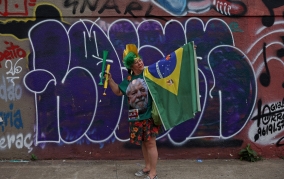
Who will be Brazil’s next president?
Neither Lula nor Bolsonaro won an outright majority, so the two men will face off on 25 October in an election that could serve as a bellwether of Donald Trump's influence in Latin America
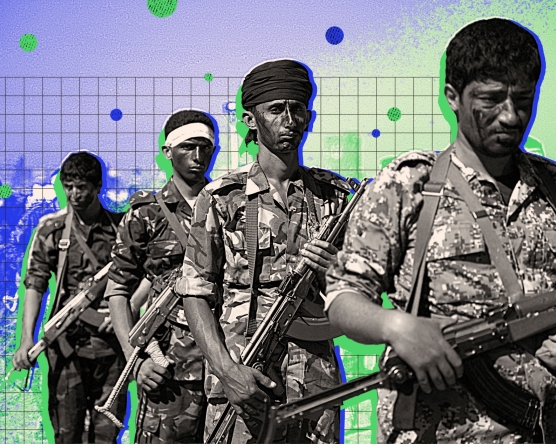
Iran-Houthi escalation could backfire. Here is how
The more Iran and its regional allies try to corner Yemen's government, the more international support it is getting to fight back
Ibrahim JalalHow Syria should help Yemen
Ibrahim HamidiSyria pipeline attacks threaten regional energy ambitions
Haid HaidGerman spy claims rock Western intelligence agencies
Con Coughlin Science & Technology
What makes a conspiracy theorist?
Several recent studies have delved into the psychology behind the belief in secret plots, whether it be in health, politics, or technology
 Business & Economy
Why Europe’s gold is on the move
Headlines have centred on the flight of bullion while commentators have speculated about the prompts. The reality is a little more nuanced
 Culture & Social Affairs
How Canadian poet Anne Carson mourns through play
The winner of the 2026 Nobel Prize for Literature has drawn on the ancient Greeks to invent new forms of writing "in playful dialogue with the classical tradition"
 Culture & Social Affairs
The 9 Arab films vying for an Oscar
From Gaza to Egypt, Lebanon, Morocco, Jordan, Iraq, and Algeria, this year's Arab Oscar submissions explore stories of conflict, displacement, memory, and survival
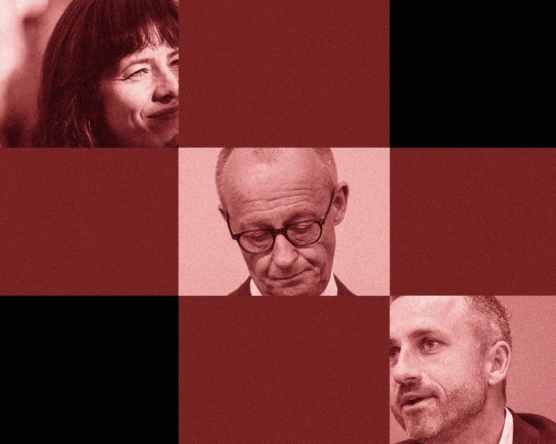
AfD's rise is shaking Germany’s postwar political model
The rise of the far-right and left will have repercussions not only for Ukraine and Brussels but also for Europe's balance of power
