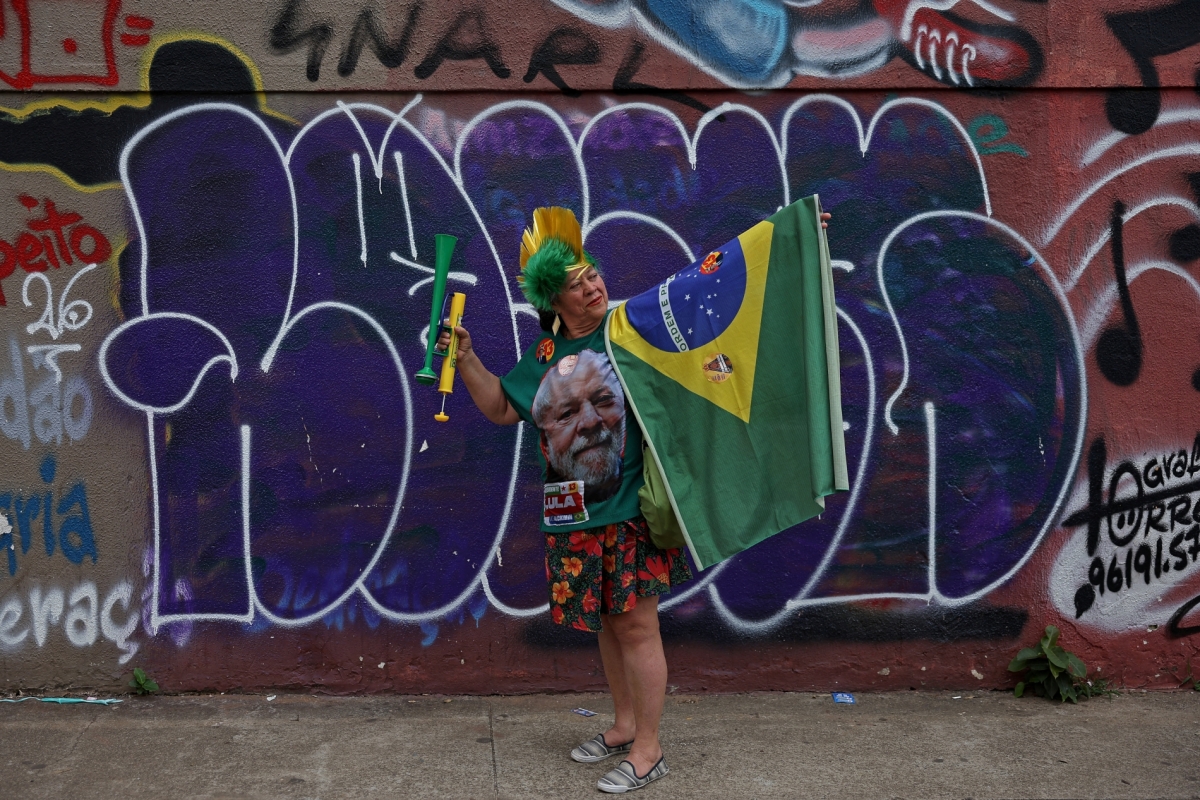

**Update since publishing: Sen. Flávio Bolsonaro, an ally of US President Donald Trump, and Brazil’s incumbent President Luiz Inácio Lula da Silva will face off in a runoff on 25 October for the top job of Latin America’s powerhouse economy after neither won a majority in Sunday’s vote.
On 4 October, voters in Brazil, the world’s fourth-largest democracy, went to the polls in a general election. Around 160 million people can cast their ballots to elect the country’s next president, new state governors, two-thirds of the Senate and every lawmaker in the lower house. Our poll tracker shows two presidential candidates leading the pack.
The incumbent, Luiz Inácio Lula da Silva, known as Lula, represents the left-wing Workers’ Party. He is running ahead of Flávio Bolsonaro, a right-wing senator and son of Jair Bolsonaro, a populist former president currently under house arrest for attempting a coup after losing the 2022 election. A slew of other right-wing candidates poll in the single digits.
Much is at stake. The next president will be able to appoint four judges to the country’s 11-member Supreme Court, a powerful institution that frequently intervenes in politics. The election could also serve as a bellwether of Donald Trump’s influence in Latin America. Since Mr Trump returned to the White House in January 2025, right-wing candidates have won all seven elections in the region—often with his endorsement. He slapped visa bans and sanctions on Supreme Court members who sent Mr Bolsonaro, his ally, to jail last year. Recently his administration has imposed some of the world’s heftiest tariffs on Brazilian imports.
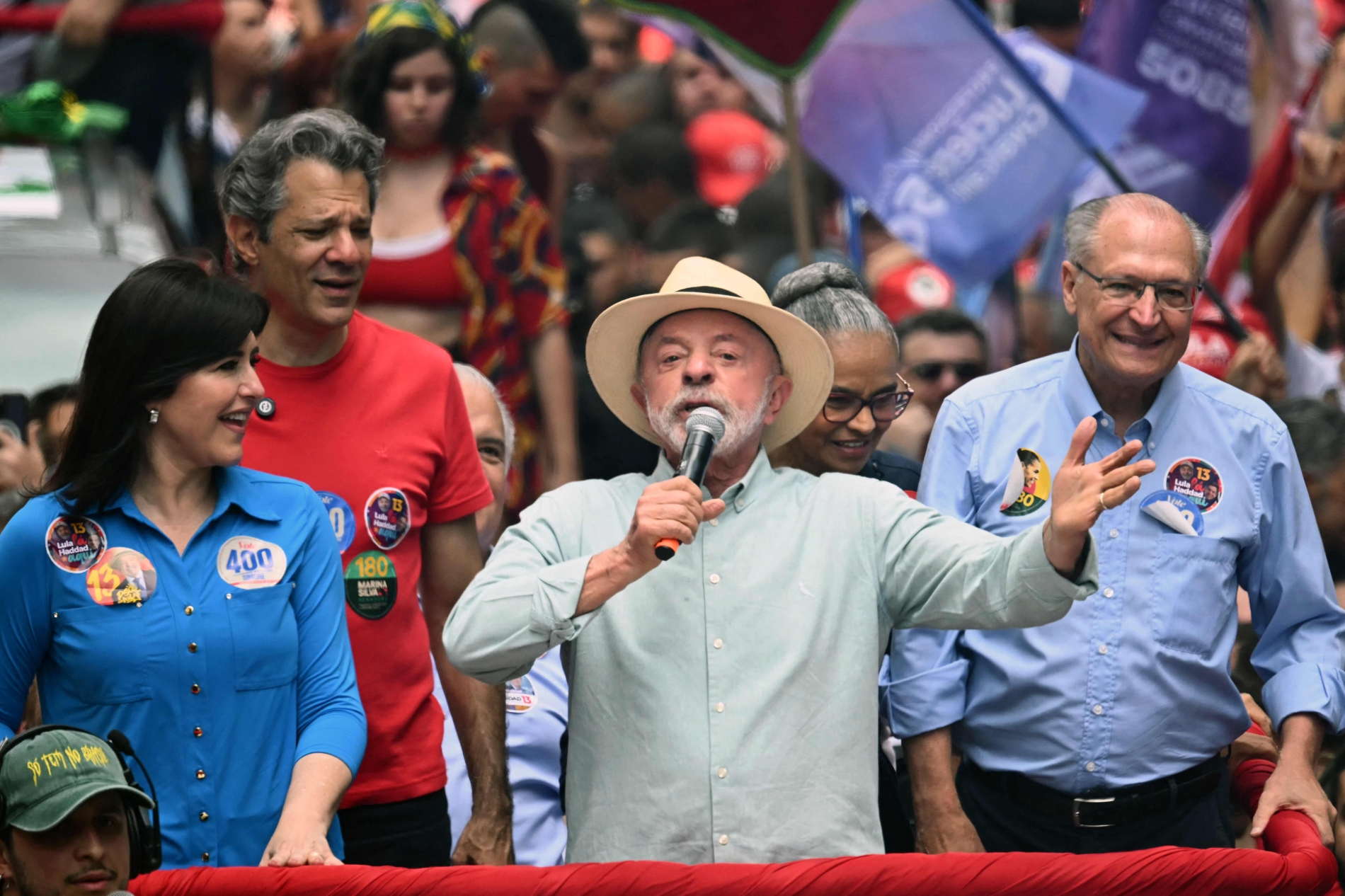
Luiz Inácio Lula da Silva
Workers’ Party
A giant of Latin American politics, Lula is running for the top job for a seventh time. If he succeeds, he would become one of just a handful of presidents—including Franklin Roosevelt—to have won four elections democratically.
Lula, who turns 81 in October, will want to safeguard his legacy, which includes lifting millions of Brazilians out of poverty through welfare schemes and expanding access to university. Lula has also won accolades for reducing illegal deforestation in the Amazon.
Yet many voters have soured on him. They are unimpressed with his record on the economy, crime and corruption. His signature cash handouts irk the middle class and have increased dependence on the state. And Lula’s costly policies have not endeared him to investors. Government debt is growing and real interest rates, at 9%, are the world’s second-highest. Lula’s Workers’ Party has also been caught up in multiple corruption scandals, and the president himself served 19 months in prison for corruption before his conviction was overturned on a technicality in 2021.
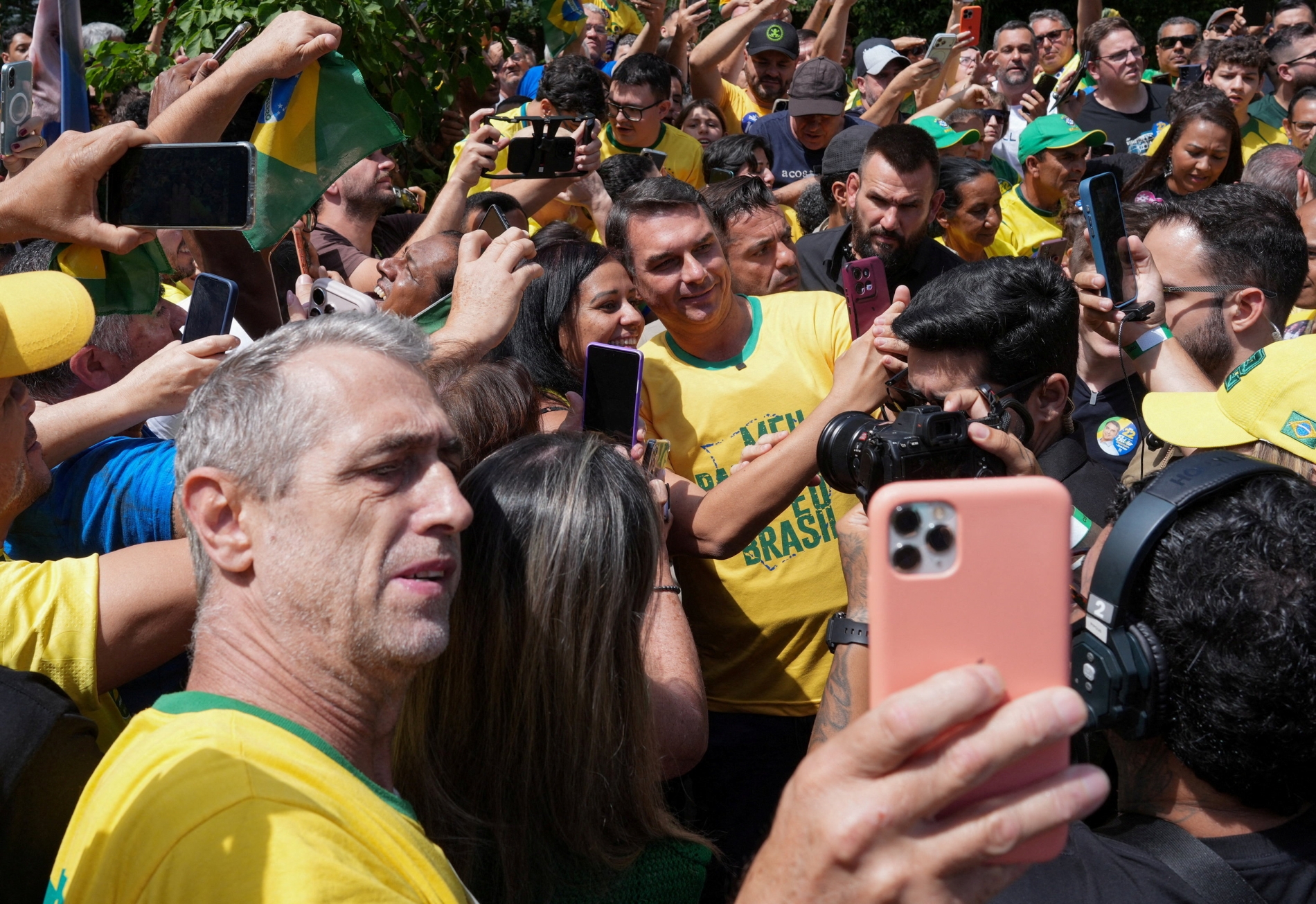
Flávio Nantes Bolsonaro
Liberal Party
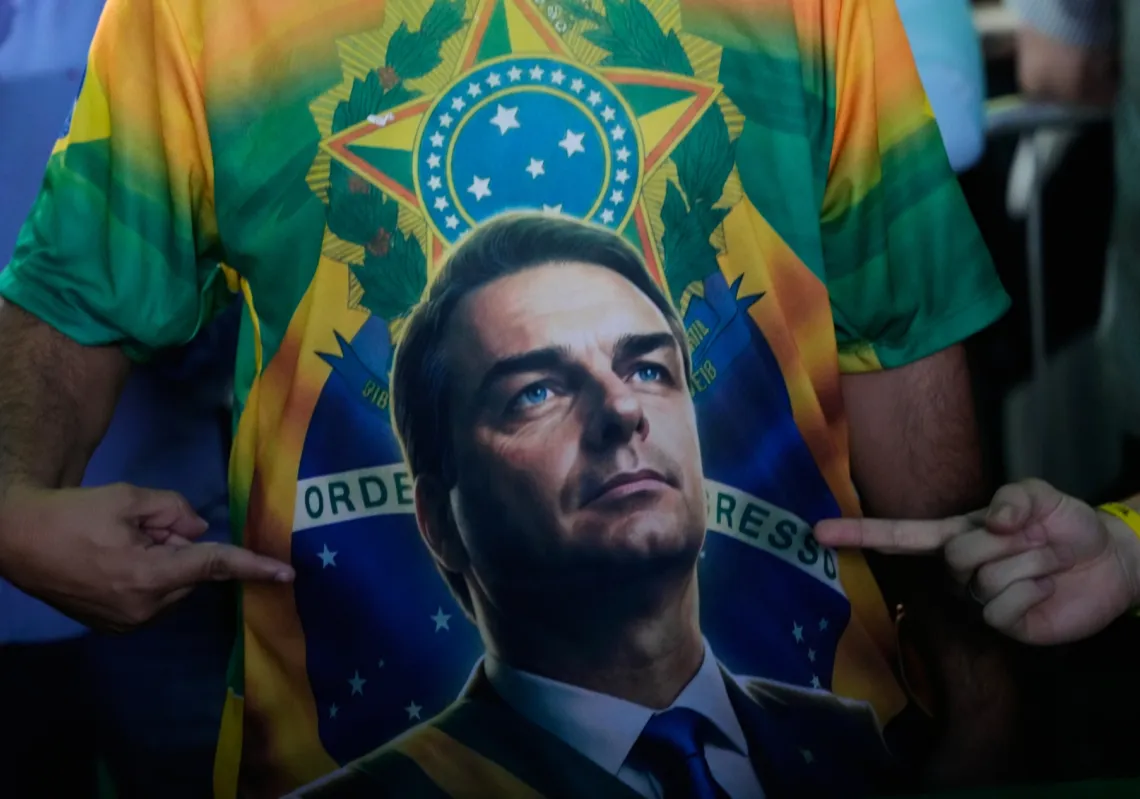
Lula’s main challenger, Flávio, kicked off the campaign by stressing his moderate credentials, billing himself as “the Bolsonaro who got vaccinated”—unlike his father, Jair, who lambasted covid-19 vaccines. But his policies show he is a man in his father’s mould. He is in favour of impeaching Supreme Court justices and has made incorrect claims that Brazil’s voting machines are manufactured by a company accused of fraud. His main proposals are to free his father, adopt tough security policies and cut public spending as well as red tape, particularly around environmental licensing.
Some right-wing voters are wary of Flávio, who has been investigated for corruption and has ties to members of Rio de Janeiro’s militias. In May, leaked audio tapes revealed that he asked a disgraced banker at the heart of Brazil’s largest-ever bank fraud for money. Several of his preferred running mates turned him down. Instead, he picked Alfredo Gaspar, a little-known lawmaker who has been accused of raping a 13-year-old girl. Mr Gaspar denies the accusations, and the Supreme Court has not yet opened a formal investigation.