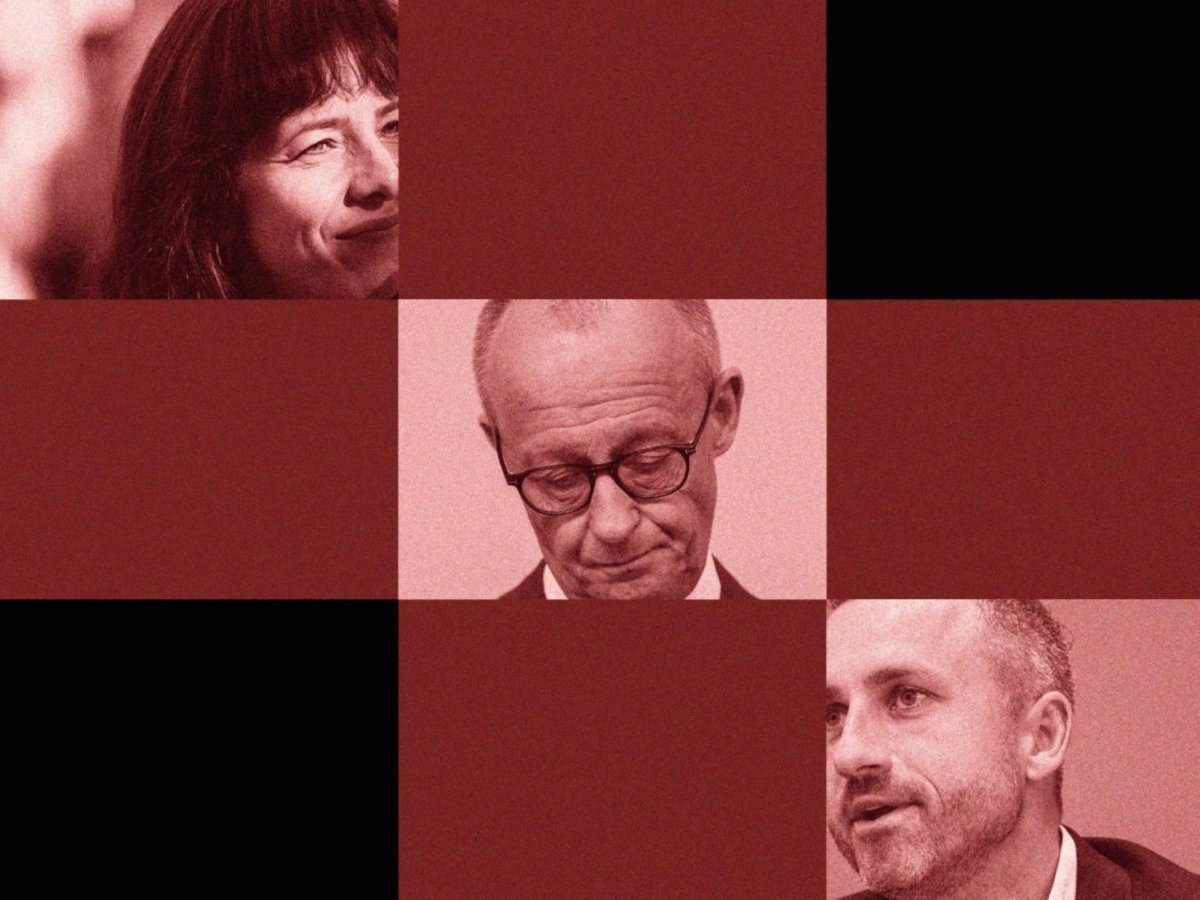

Germany has appointed its first far-right speaker of a regional parliament since the Second World War, after Tobias Rausch of Alternative für Deutschland (Alternative for Germany, AfD) was elected in Saxony-Anhalt. His deputy is the AfD’s Hans-Thomas Tillschneider, who admires Russia’s Vladimir Putin and who has called Islam a “fungus” growing on “a German oak”. He wants to “stabilise” German identity through culture and education.
The AfD won nearly 44% in the region’s state elections last month, dealing a heavy blow to the centrist government of Chancellor Friedrich Merz of the Christian Democrats (CDU). Analysts described it as an earthquake in Germany’s political landscape, with the AfD rampant in rural areas, eastern states, and the outskirts of major cities, as support for the CDU and other traditional parties collapsed.
Merz took office last year pledging to halve the AfD vote by cutting immigration and boosting the economy. Instead, his own party’s ratings have tumbled, and the AfD’s have surged to around 30% nationally. For several years, other German political parties agreed not to govern with the AfD, in a form of collective exclusionary pact to keep the far-right out of power, but in recent weeks that “firewall” has begun to crumble, as a left-wing party that shares similar positions on immigration and Russia suggested it would enter a coalition with the AfD in Saxony-Anhalt.
New political map
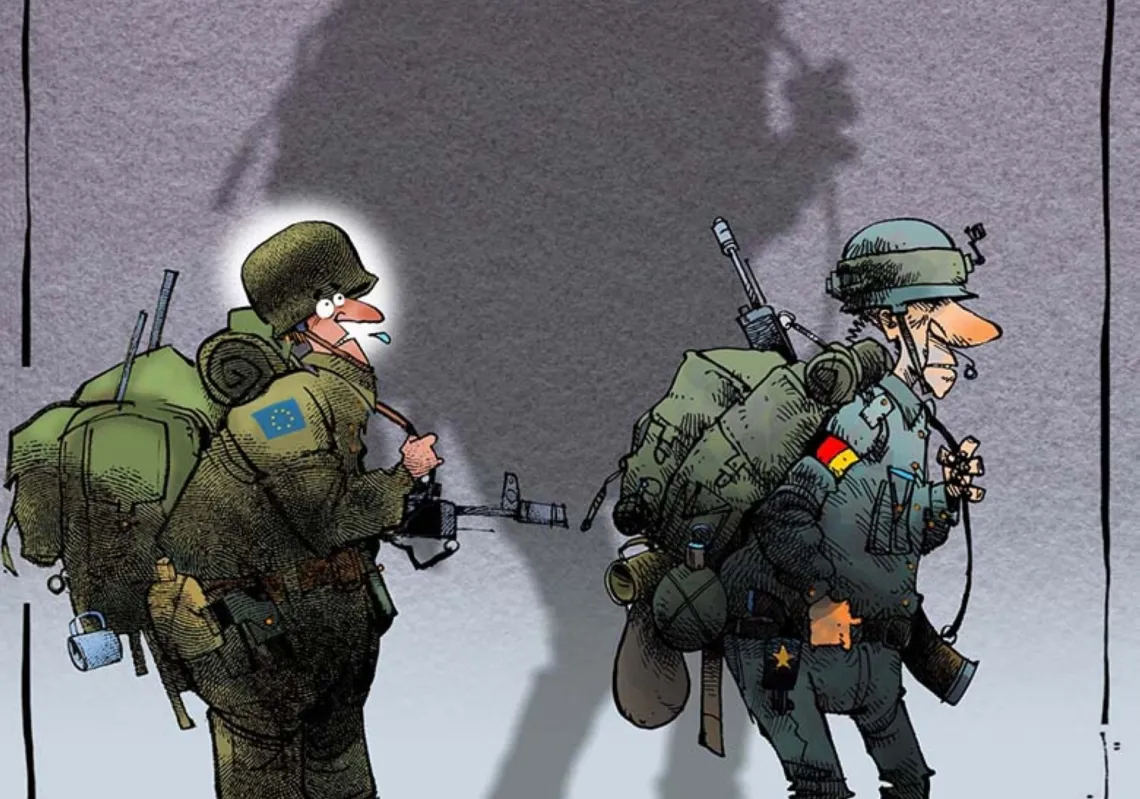
The rise of the AfD is shaking Germany’s postwar political model, built on consensus among the mainstream parties and a broad rejection of extremism. That consensus is now under pressure from populist movements with punchy slogans that appeal to narrow, sectional interests. The most obvious sign of the change is the rise of Germany’s far-left and far-right. This will have repercussions not only for Ukraine and Brussels but also for Europe's balance of power.
Germany’s regional elections in September were a blow to the traditional parties of the centre-right (the CDU) and the centre-left (the Social Democratic Party), with the ripples felt in Saxony-Anhalt, Berlin, and Mecklenburg-Vorpommern, where the CDU won less than 5% of the vote. Berlin, like Hamburg and Bremen, is a city-state where Die Linke (The Left) did well. Once a communist party, it won more than 25%, putting it ahead of the CDU in the capital.
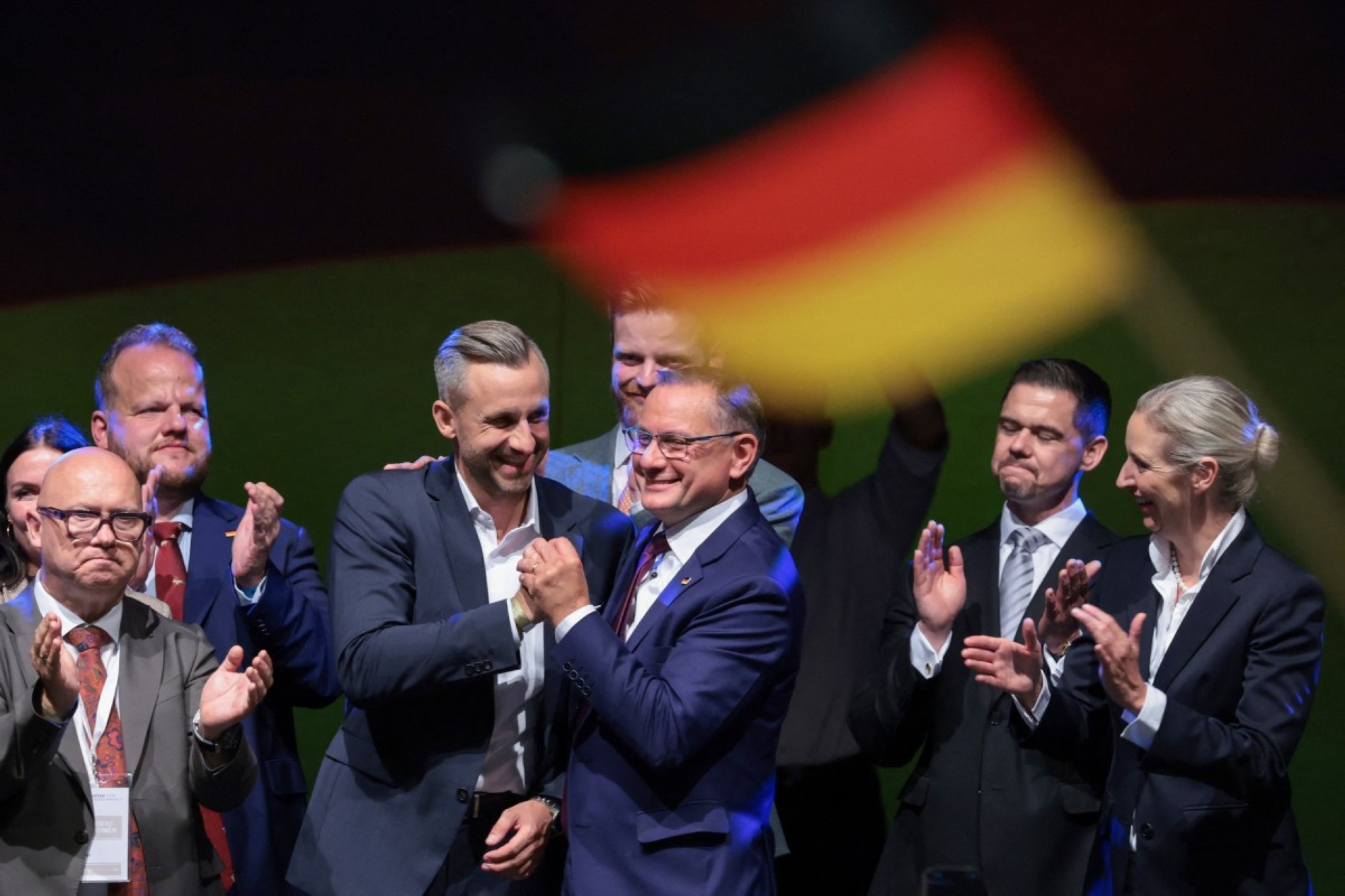
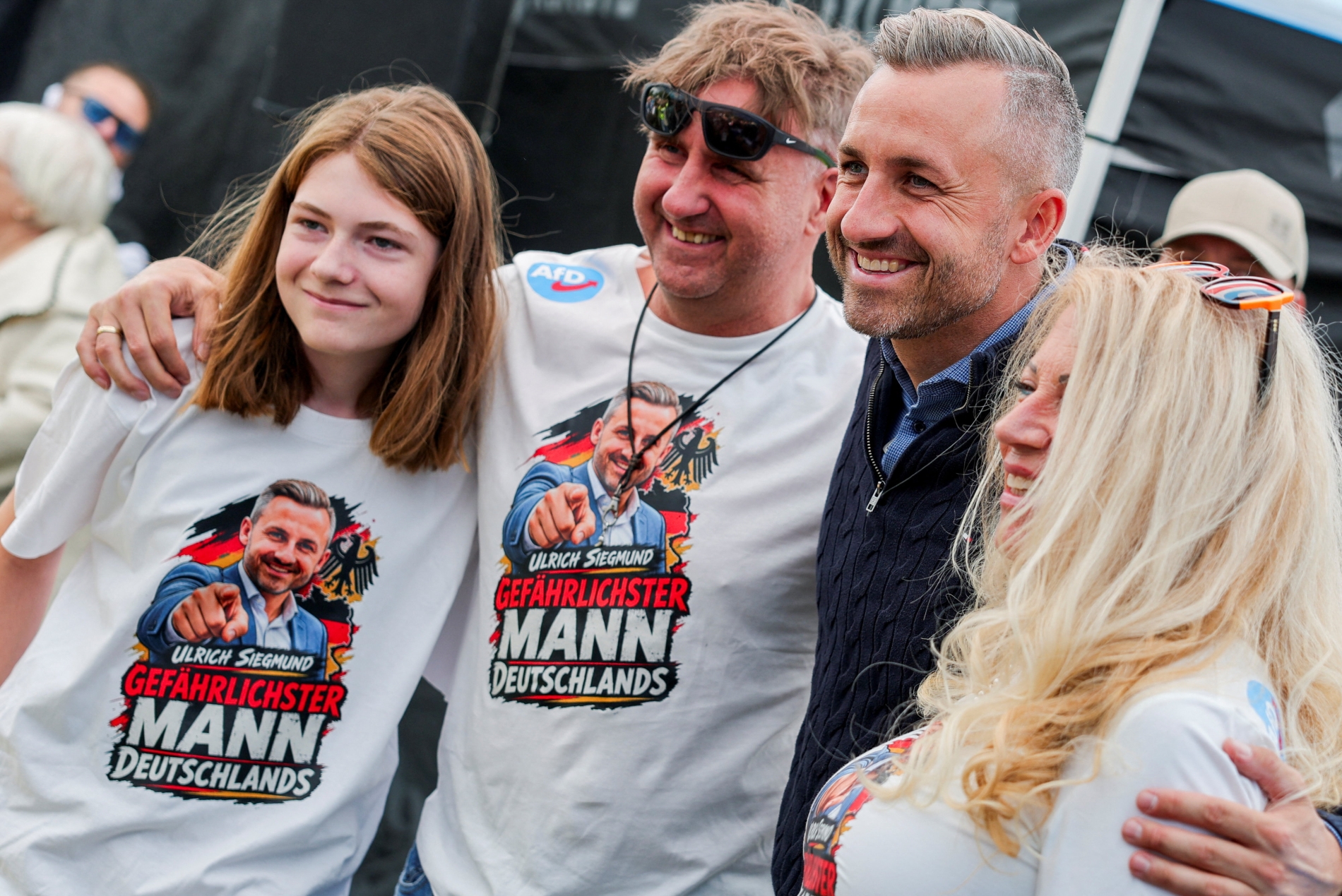
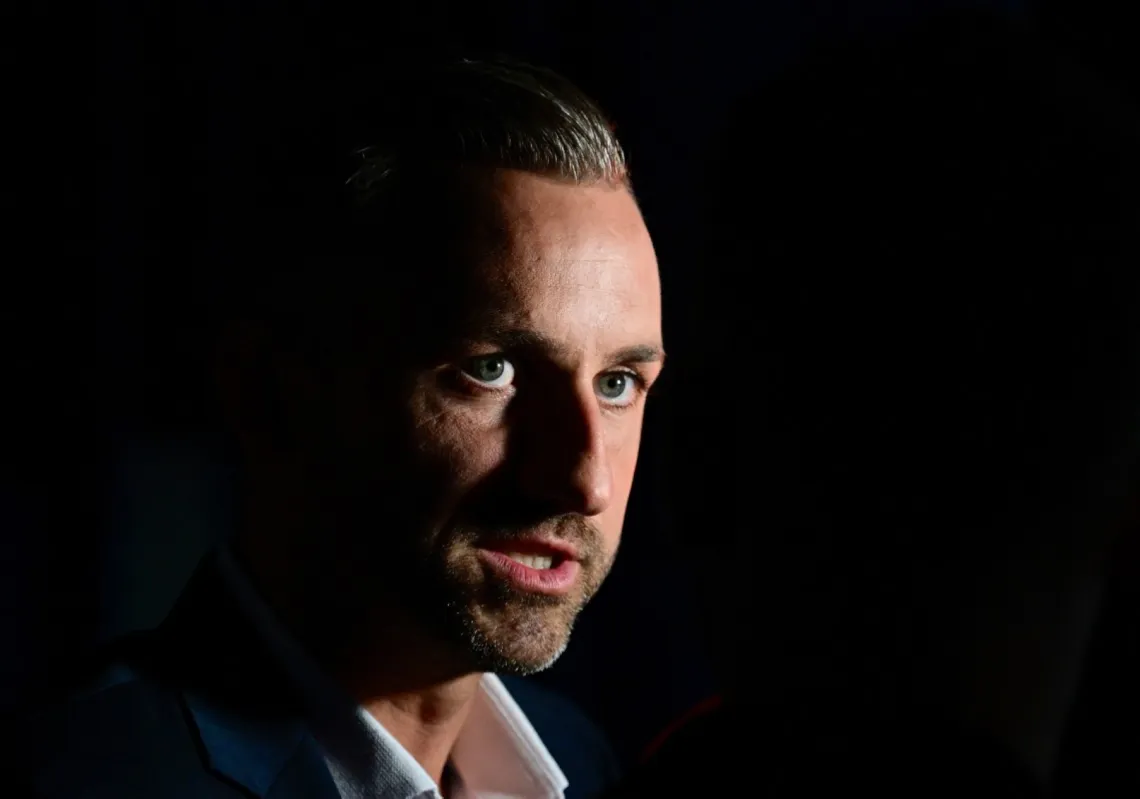
Among the more prominent figures on the far-right is the AfD’s Ulrich Siegmund, who led the party to its historic result in Saxony-Anhalt, while notable on the left is Elif Eralp. A lawyer of Turkish origin who focuses on anti-racism and anti-discrimination, she is her party’s candidate to head the Berlin state government, after The Left won 47 of the 158 seats to become the largest party. Eralp has called for Muslim and Palestinian perspectives to be acknowledged and has emphasised the distinction between criticism of Israel and antisemitism.
Merz acknowledged the “disastrous” results but did not resign, saying he would press ahead with the government’s reform programme. Yet the CDU and SPD have served as pillars of German political life since the establishment of the Federal Republic in 1949. Historically, the Liberal Party was a supporting partner, enabling the CDU or SPD to form a governing coalition, but the Liberals have now all but disappeared. The Greens, by contrast, won more than 14% of the vote in Berlin, ahead of the SPD.
Tracing the change
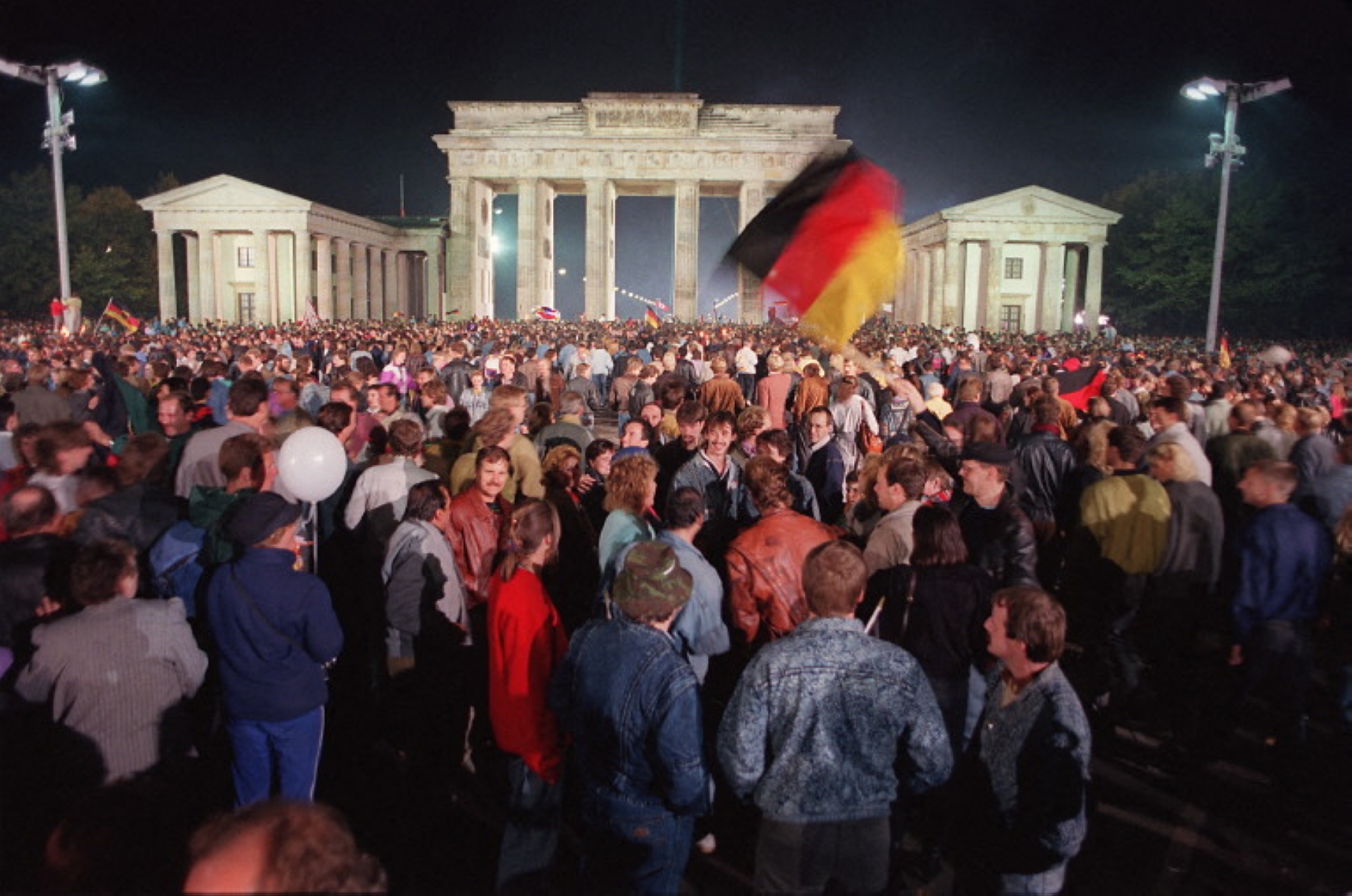
In October 1990, the Berlin Wall came down, allowing West and East Germany to reunite. It heralded the end of the Cold War, yet the divisions and fractures created by decades of separation in Germany have never fully healed. Economic and social disparities persist (which is reflected in the intense political polarisation seen in last month’s ballot, with a class and regional divide between a hardline conservative right with fascist tendencies and a diverse left comprising former communists, social democrats, and environmentalists).
To explain the AfD's results, it helps to understand the process of forced integration that West Germany imposed on its eastern counterpart. Since German reunification in 1990, thousands of traditional jobs in industries such as chemicals and coal mining have gradually disappeared in Saxony-Anhalt. This led young skilled workers to migrate west in search of jobs, and most never returned.
Unemployment in the state is the highest in Germany, while more than half of all foreigners in Saxony-Anhalt come from European countries like Poland, Romania, and Ukraine. The rise of the AfD stems from this loss of social status and employment, or from fears of economic decline and demographic contraction. The historical dimension is also important. In West Germany, there were sustained efforts to foster a collective memory that rejected authoritarianism and fascism, whilst in the former East Germany, democratic values were not as deeply rooted.
Elif Eralp, a left-wing politician of Turkish Muslim background who did well in Berlin, embodies how, for the first time, the 'Muslim vote' (if there is such a thing) has become a political force in Europe. Germany has around six million Muslims, half of whom are German citizens, but there is also a rise in Islamophobic attacks. In parallel, there is unease about Germany's far-right among its Jewish population, given its Nazi past, although AfD supports Israel.