
Israel's war on Gaza has left Palestinians in Gaza facing more than the destruction of homes. It has fractured everyday life and deprived an entire generation of education and security, while restoring normal life will require enormous resources and the conditions needed for reconstruction.
In what the United Nations has termed a genocide, the Palestinians who survived have been forced to live in an apocalyptic landscape, where access to clean water, food, medical care, and education has become a daily struggle.
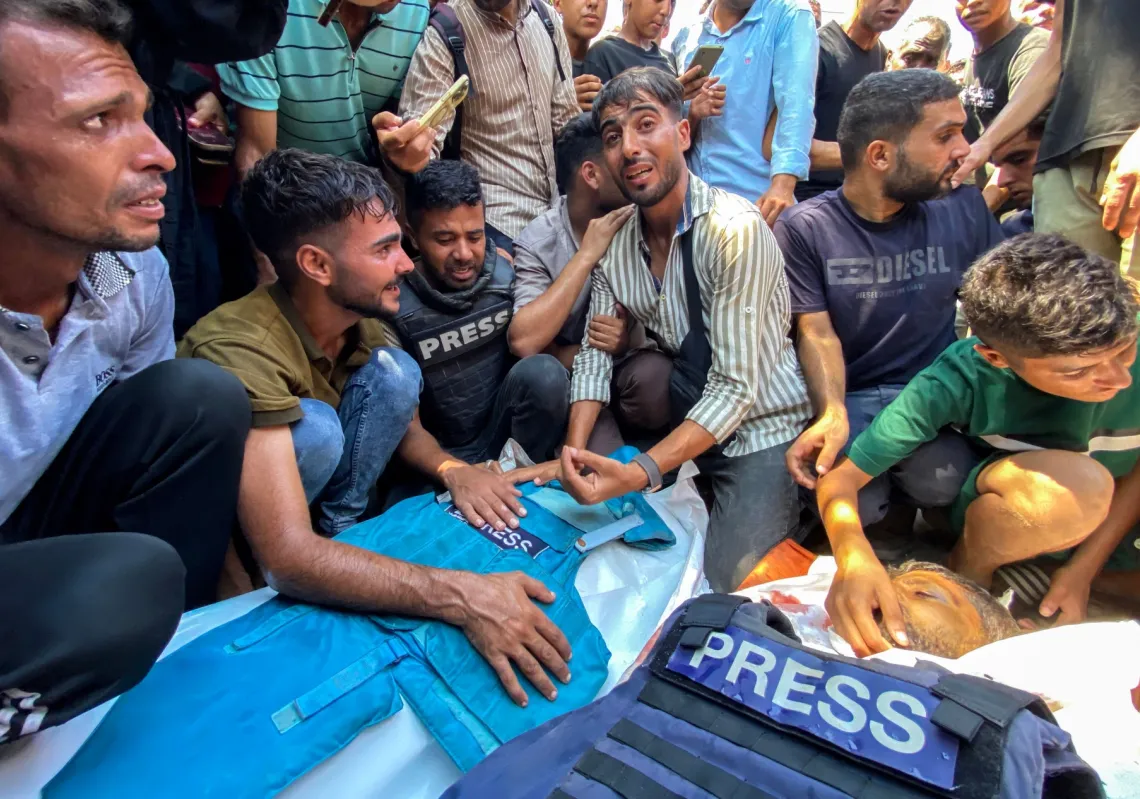
While the official death toll in Gaza stands at around 70,000, unofficial estimates have put that number at possibly double or triple. The killing of parents, children and breadwinners has left families not only paralysed by grief, but also unable to provide for those who have survived.
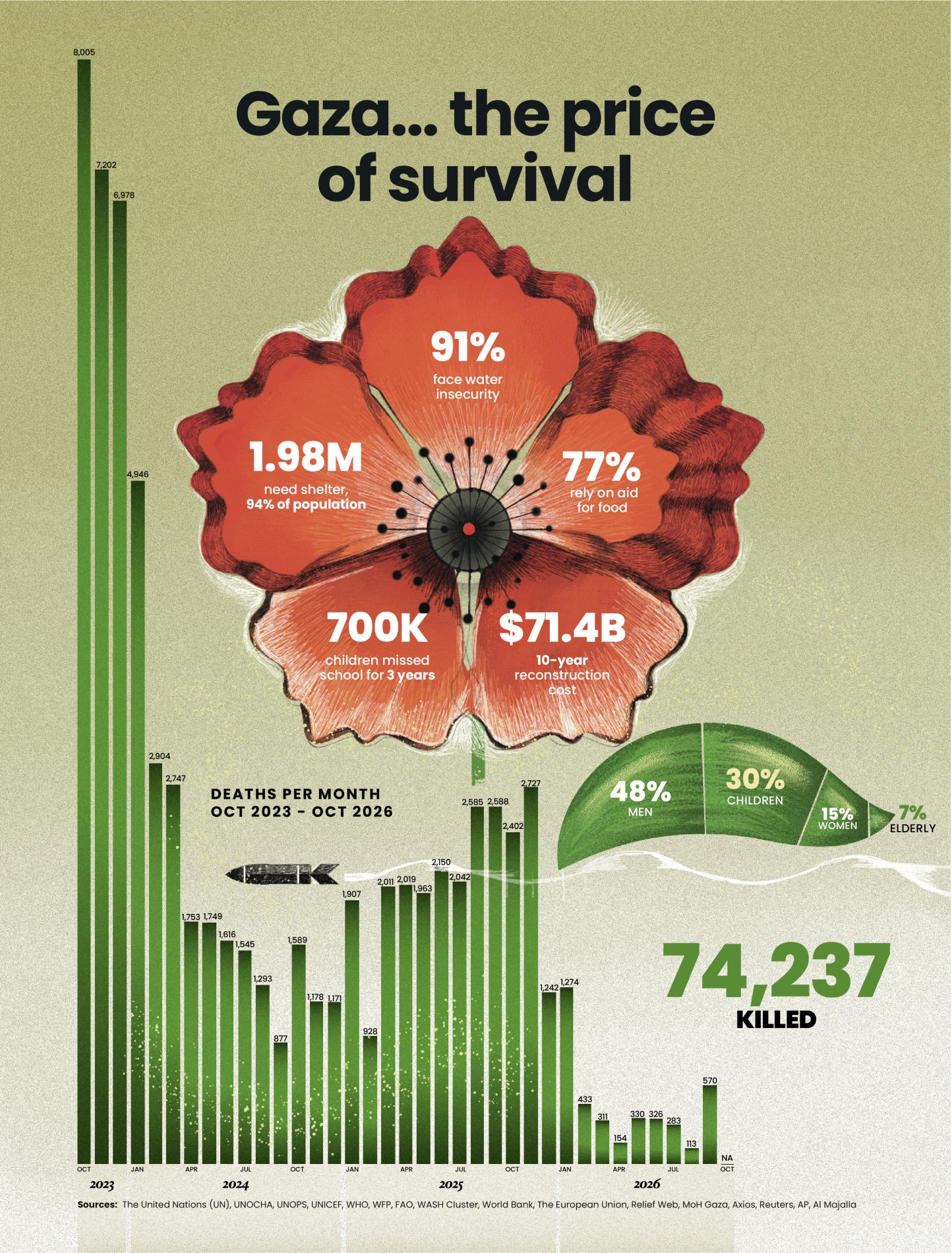
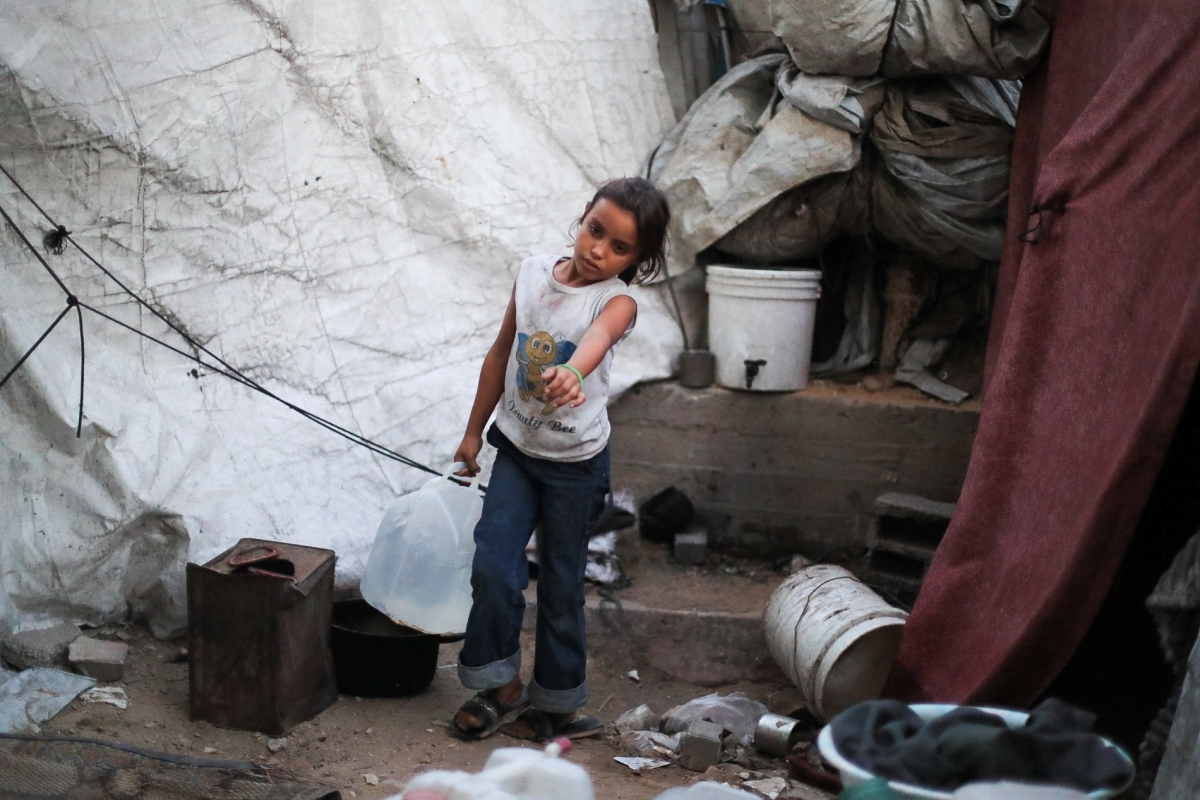
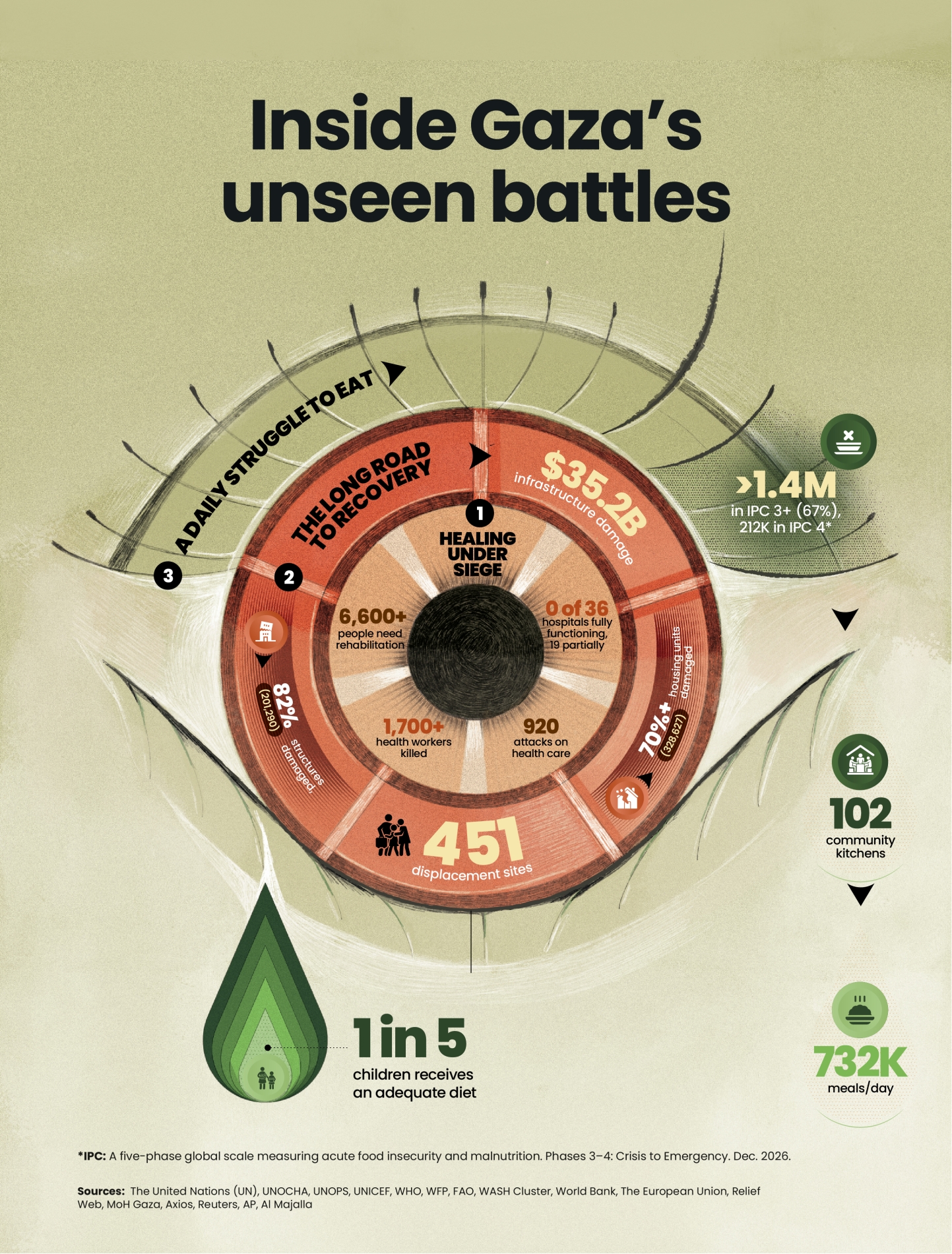
The destruction of homes has created tent cities where waste and rodents live side by side with the displaced, making the sick, elderly and young vulnerable to disease. Meanwhile, the destruction of water infrastructure has meant most Palestinians in Gaza do not have access to clean water. In the absence of the most basic foundations of daily life, most Palestinians have become heavily reliant on aid.
Deprivation, malnutrition and psychological trauma in children could leave a lasting impact on their bodies and minds that stays with them well into adulthood. In addition, the disruption to regular schooling, which offers children not only education, but a form of psychological and social support, has also left cracks in a crucial pillar of development kids need to thrive.
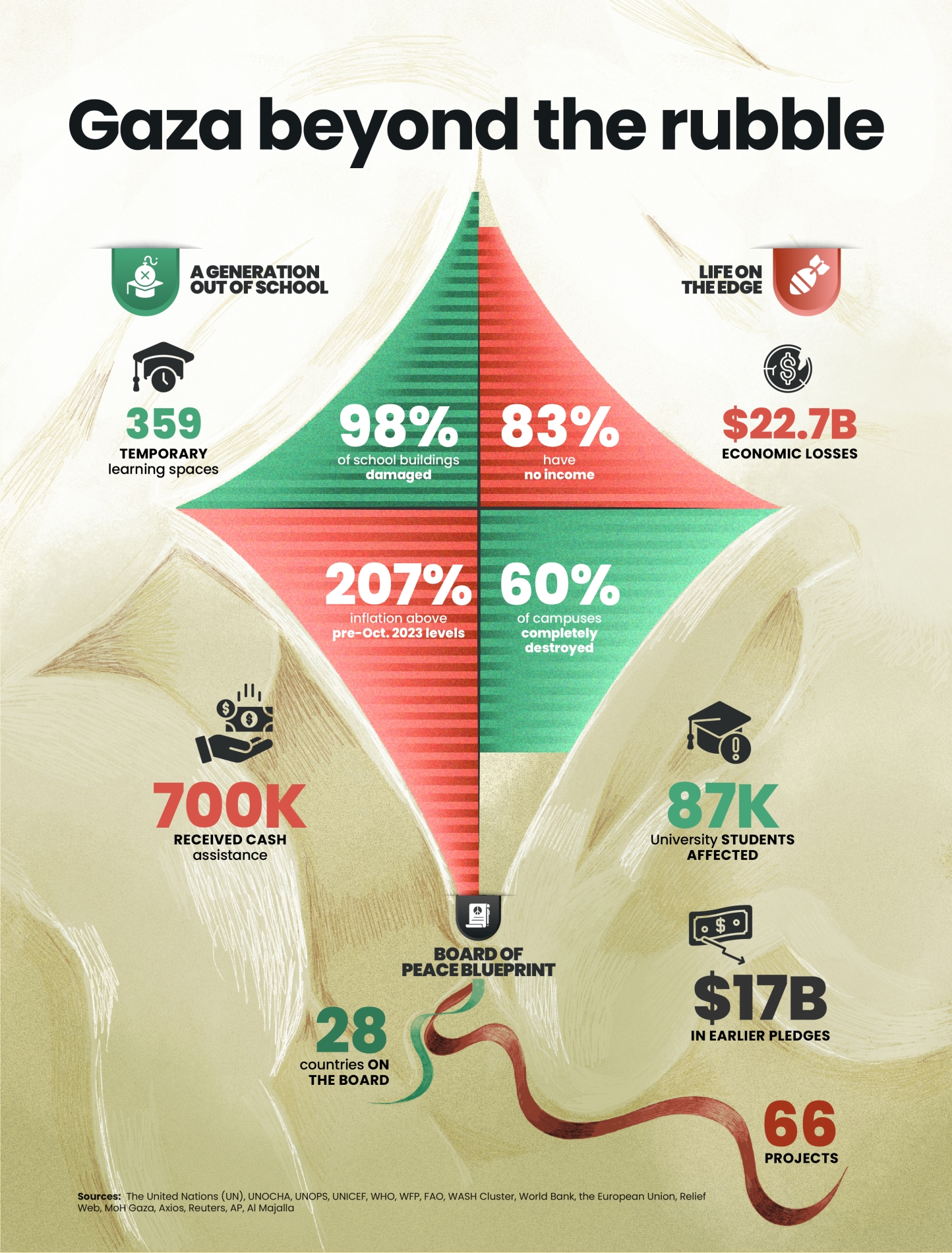
A year ago, a US-backed plan raised hopes that the war could finally give way to a political and humanitarian transition. The ceasefire that took effect in October 2025 brought the release of hostages and prisoners and a significant increase in humanitarian aid. It also laid out a longer-term process: an Israeli withdrawal, the establishment of transitional Palestinian governance, international security arrangements and the reconstruction of Gaza.
The transition, however, has remained incomplete. Israeli military operations have continued, with more than 1,400 Palestinians reported killed since the ceasefire. Key elements of the plan—including Hamas’ disarmament, a full Israeli withdrawal and the deployment of an International Stabilisation Force—remain unresolved. Reconstruction on the ground has yet to begin, leaving much of Gaza’s population living in squalor.
The Board of Peace, established as the central international framework for implementing the plan, has secured pledges of $17bn for reconstruction from its member states and partners. A joint UN, World Bank and EU assessment estimates that Gaza will need $71.4bn over the next decade for recovery and reconstruction.
The figure underscores the depth of the devastation, and the resources and sustained commitment required to rebuild the foundations of life. In September 2026, it unveiled an initial $2.45bn package covering 66 projects, including essential infrastructure and economic recovery.