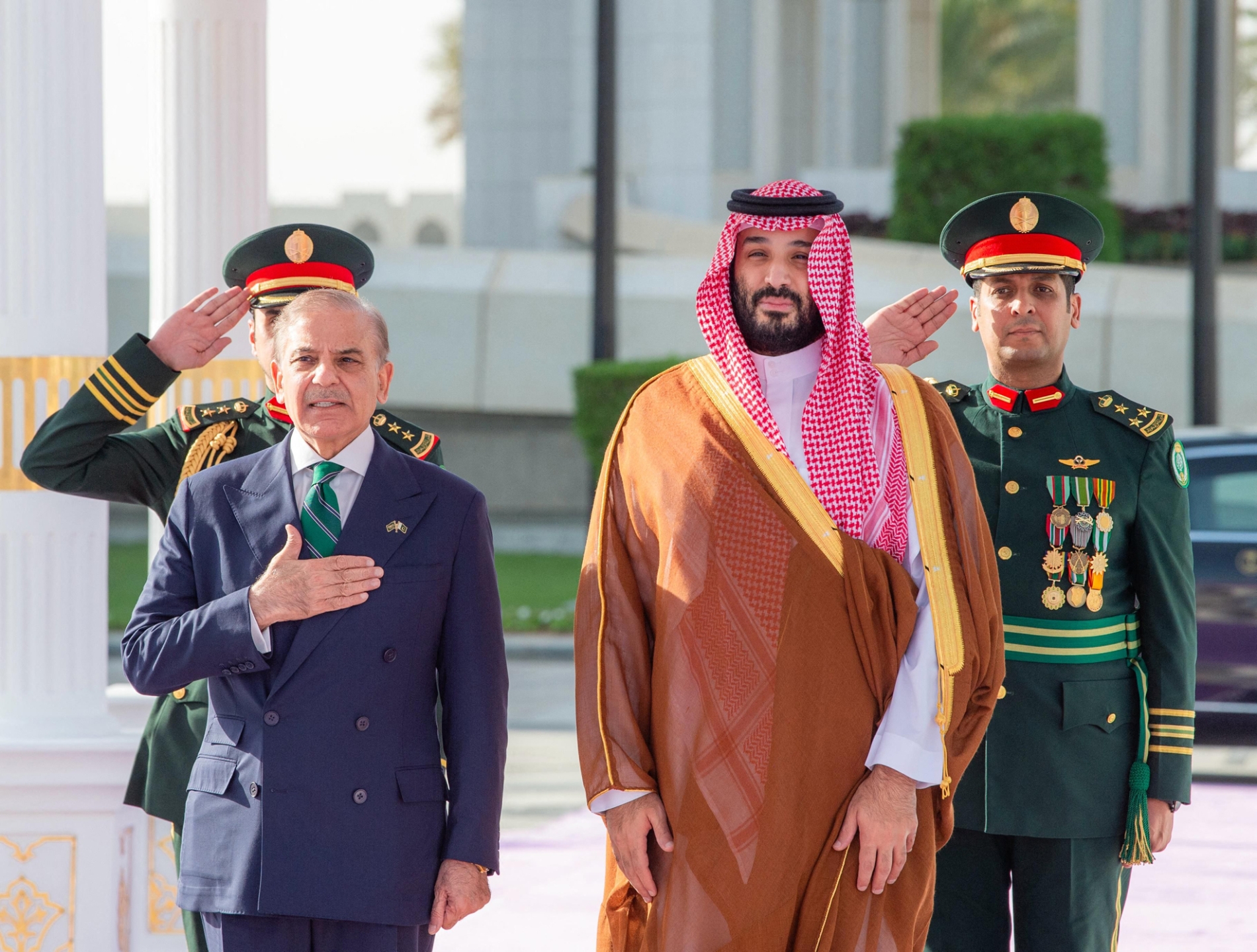

With almost a quarter of a billion people and a culture of healthy debate, there are not many topics in Pakistan that unite opinion, but Saudi Arabia is one. Whether from its political parties or from its 240 million people, there has been a rare and in many ways remarkable show of solidarity with Riyadh as its fight with the Houthi militia in Yemen escalated dramatically over recent weeks.
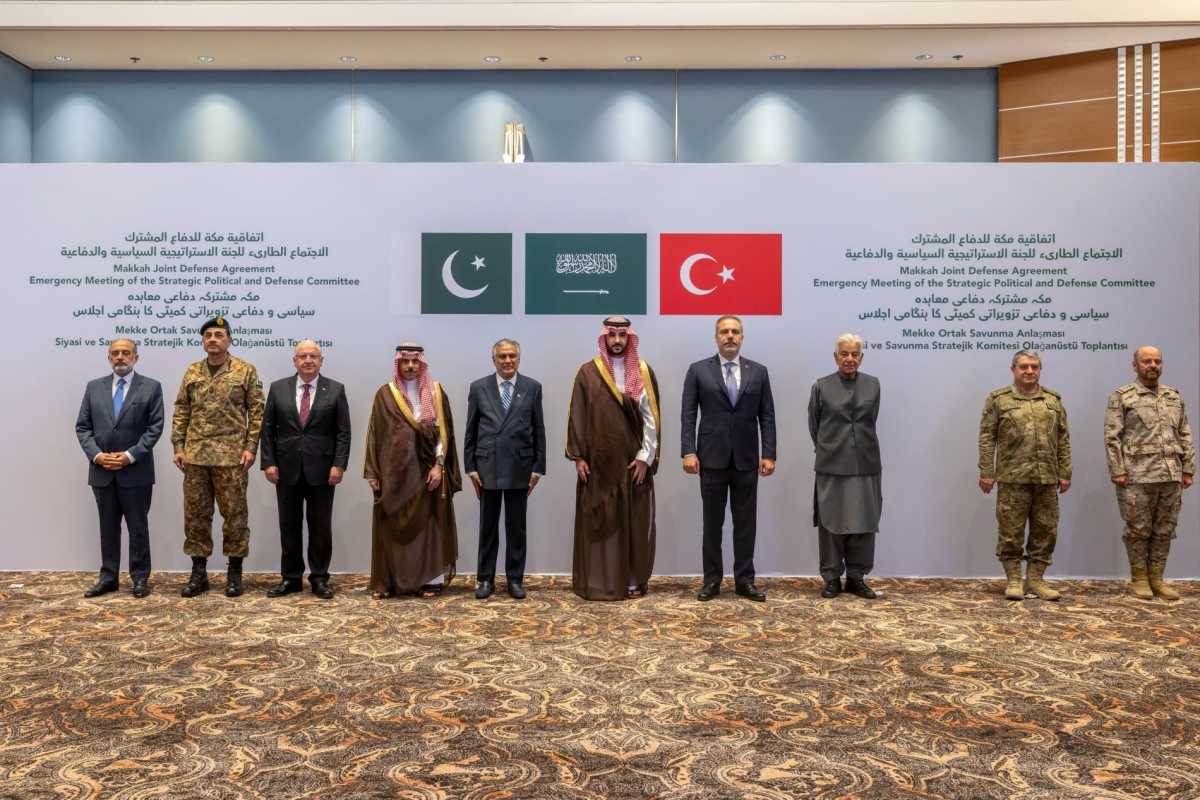
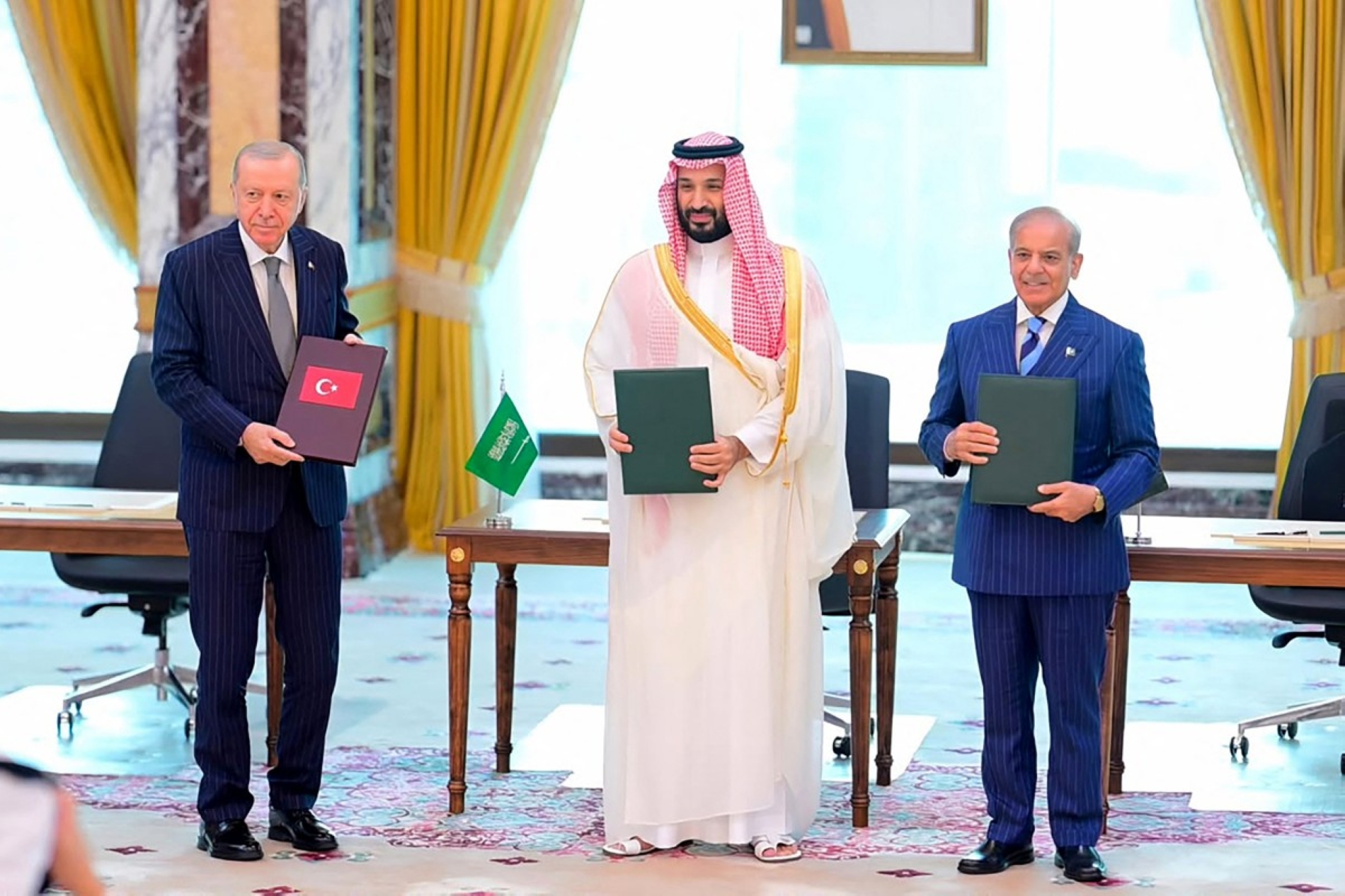
Together with Türkiye, the pair make up a triumvirate known as the Mecca Defence Alliance, which pledges mutual assistance if one of them is attacked. It was on this basis that the trio convened in an emergency session in Riyadh on 5 October, gathering foreign ministers, defence ministers, and top military commanders.
“Pakistan’s bond with Saudi Arabia is historically strong,” said Mustansar Abbas, an Islamabad-based defence and strategic analyst. “The people of Pakistan have always backed its governments when it comes to making this bond even better... to support Saudi Arabia through thick and thin, including the challenge of the Houthis.” Yet the defence agreement is still very new, having only been agreed last year. Like NATO’s Article 5, it states that an attack on one will be treated as an attack on all.
Few expected that it would be tested so soon, but the emergency deliberations in Riyadh underscored how rapidly the bloc is moving to establish integrated defence mechanisms, formalise its structure, and deploy real military capabilities in response to threats against Saudi security, sovereignty, and economic installations.
Getting organised
An outcome of the meeting was the formal establishment of the alliance’s executive command. Retired Lt. Gen. Nauman Mahmood of Pakistan, a veteran military officer known for his strategic expertise, was chosen as the alliance’s first secretary-general and appointed for a three-year term.
Managing a newly established secretariat, Gen. Mahmood must now coordinate complex cross-border logistics, facilitate intelligence-sharing, and align operational protocols among the member armies. Each state is obligated to provide agreed-upon military units and capabilities for rapid deployment within Saudi Arabia, which has been supporting the internationally recognised government of Yemen.
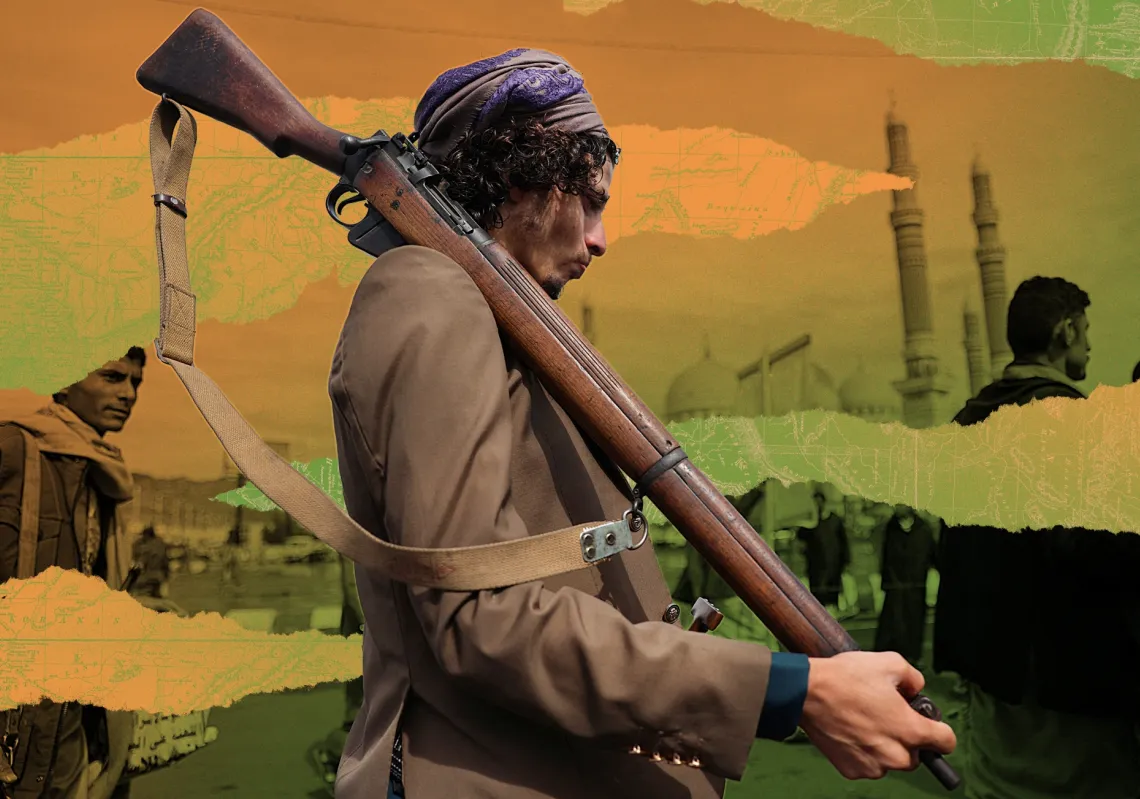
The situation is urgent because the Iran-backed Houthis are trying to encircle the strategic city of Taiz, the capture of which would unlock the route to Aden on Yemen’s south coast. Control of the historic port city of Aden would give the Houthis control of the crucial maritime waterway between the Red Sea and the Arabian Gulf, a point that connects the shipping lanes between Europe (via the Suez Canal), East Africa, Asia, and the Middle East.
The backdrop to this high-stakes meeting involves intensifying hostilities along the Red Sea corridor and direct threats against Saudi urban centres and energy infrastructure. Last month, Saudi defence systems intercepted a Houthi drone near Mecca, illustrating the risks to national infrastructure and sacred landmarks. The three allies published a joint statement condemning the militia’s targeting of holy cities and energy facilities. Pakistan and Türkiye praised the readiness, vigilance, and competence the Saudi Armed Forces over the aerial threats.
Retaking territory
Turkish Foreign Minister Hakan Fidan revealed after the meeting that the allies had sought to address the urgent issue of operational military support and potential diplomatic pathways to resolve the conflict in Yemen. It came as Saudi-backed pro-government forces launched Operation Dawn of Yemen to reclaim territory along Yemen’s west coast, seized by the Houthis in September.
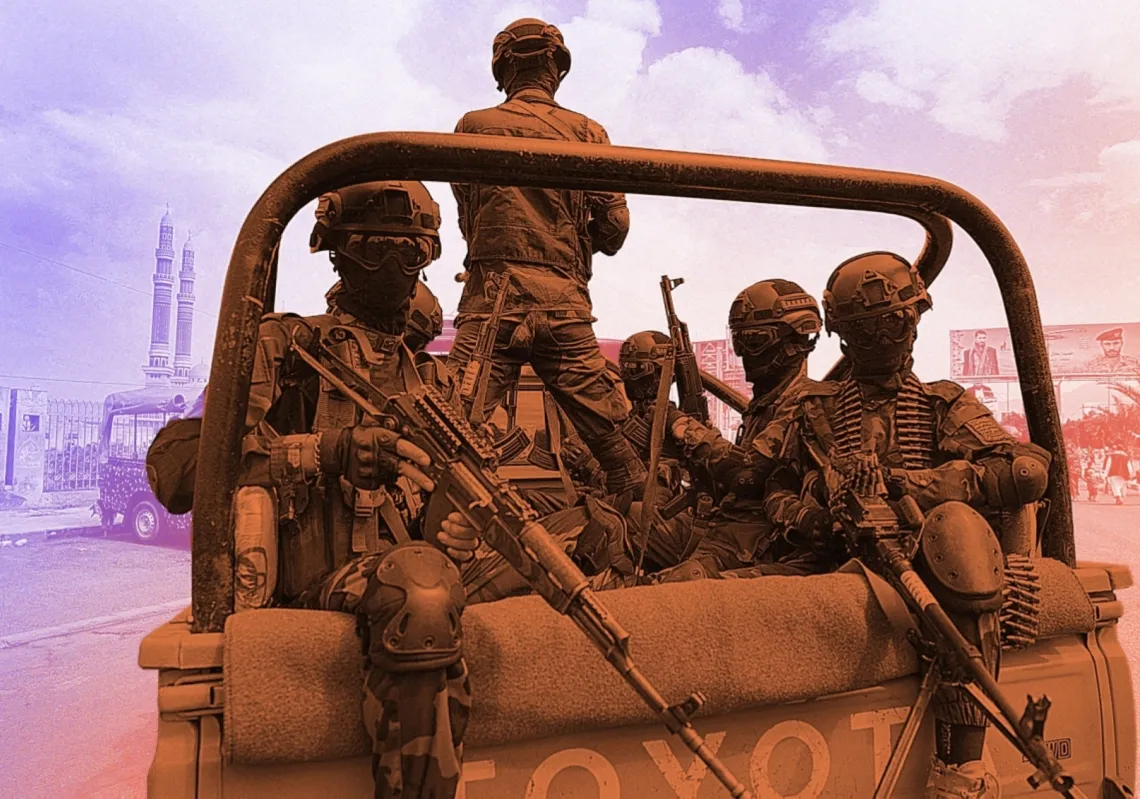
Pro-government units (including the National Shield, Giants Brigades, and Tihama Resistance) have recaptured areas near the Bab al-Mandab Strait, the port of Mokha, and Dhubab airport, with Saudi Arabia providing air cover. The ground offensives forced Houthi fighters into a tactical retreat to higher ground. They responded by launching drones and missiles at Saudi Arabia, including at the international airport in Riyadh, but interception rates have been high.