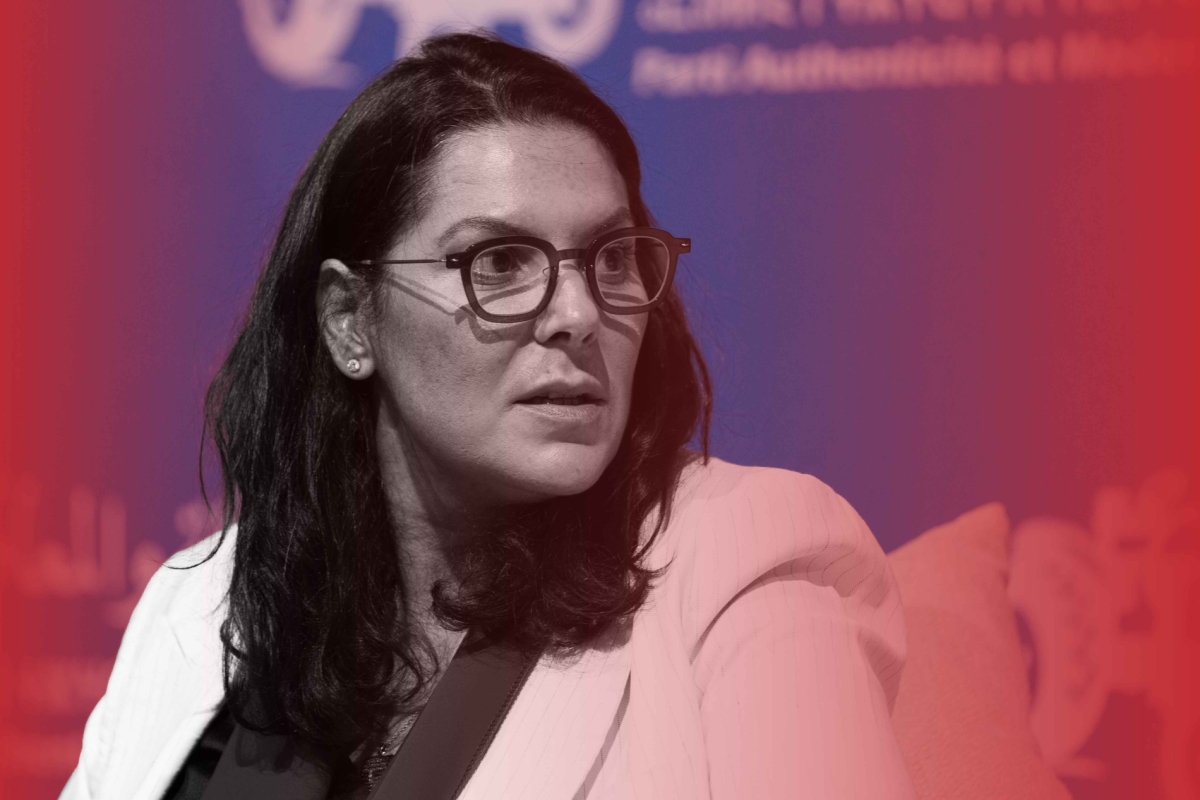

Lawyer Fatima Zahra Mansouri could soon become Morocco’s first female prime minister and only the third in the Arab world after King Mohammed VI asked her to form a government. Observers believe her appointment reflects broader social change and women's growing role in national affairs.
Perceptions of women in high office in Morocco are still partly shaped by culture, customs and norms, and by religious reference, but stereotypes are increasingly being challenged and many hope that her appointment will herald something of a quiet revolution, with Tunisia’s Najla Bouden (2021-23) and Sara Zaafarani (since 2025) the only other female prime ministers in the modern Arab world.
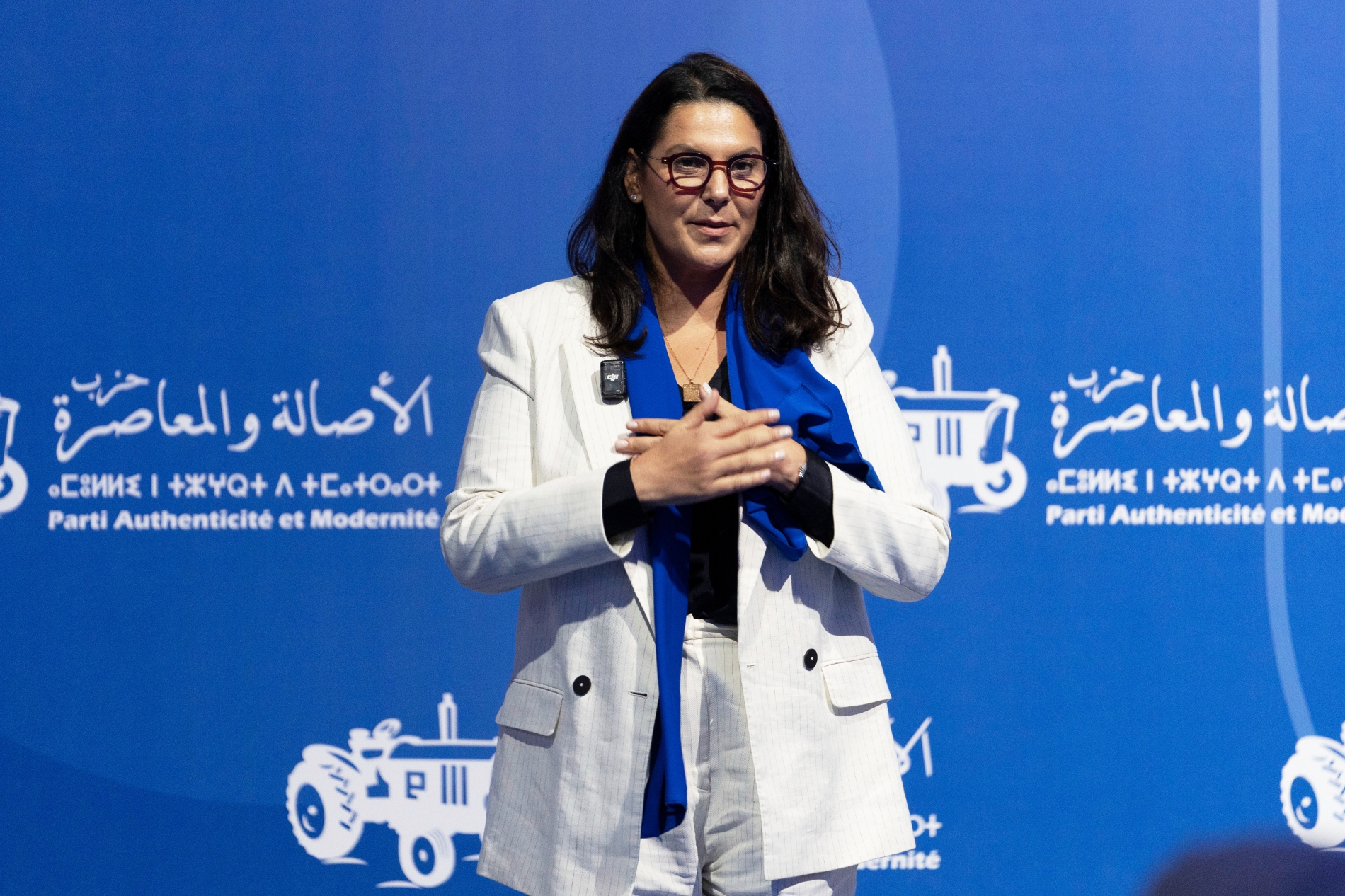
This follows Mansouri's lead of the Authenticity and Modernity Party (PAM) to first place in the legislative elections on 23 September, winning 97 of the 395 seats in the House of Representatives. Anecdotal evidence suggests that women and young people were two of her main voting constituencies. She must now negotiate with other political party leaders (typically older men) to form a government. She requires at least 101 additional parliamentary votes to secure a majority.
Several parties are eager to join a coalition government, but PAM wants to retain the speakership of the House of Representatives, secure the top ministries, and build a cohesive cabinet around an agreed programme, with social and economic priorities that address public expectations and enjoy the King’s support. Mansouri’s experience of settling legal disputes may soon come in useful, as she draws on an old Moroccan maxim: ‘Strength without harshness, gentleness without weakness.’
From a prominent family
Along with being Morocco’s first woman prime minister, she would also be one of its youngest. Born in Marrakesh in 1976 into a prominent family, she is widely known as ‘the Pasha’s daughter.’ She studied law and business administration in Morocco, France, and the United States, later practising as a lawyer before becoming involved in party politics and civil society. Known for her strong personality and ability to manage disagreements, she was Mayor of Marrakesh from 2009-21—a spell that gave her substantial practical experience of governance.
Many young Moroccans want the government to meet their aspirations, but a lack of confidence in politicians’ ability to do so has led to voter apathy in recent years, with voter turnout last month at just 38% (down from 50% in 2021). Mansouri, who was Minister of Housing and Urban Policy in Aziz Akhannouch’s outgoing government, has been open to the demands made by Generation Z, including during the youth protests in Morocco at the end of last year over issues such as a lack of jobs, education, healthcare, local development, and the growing urban-rural inequality. Youth unemployment, at 37%, is a particular concern.
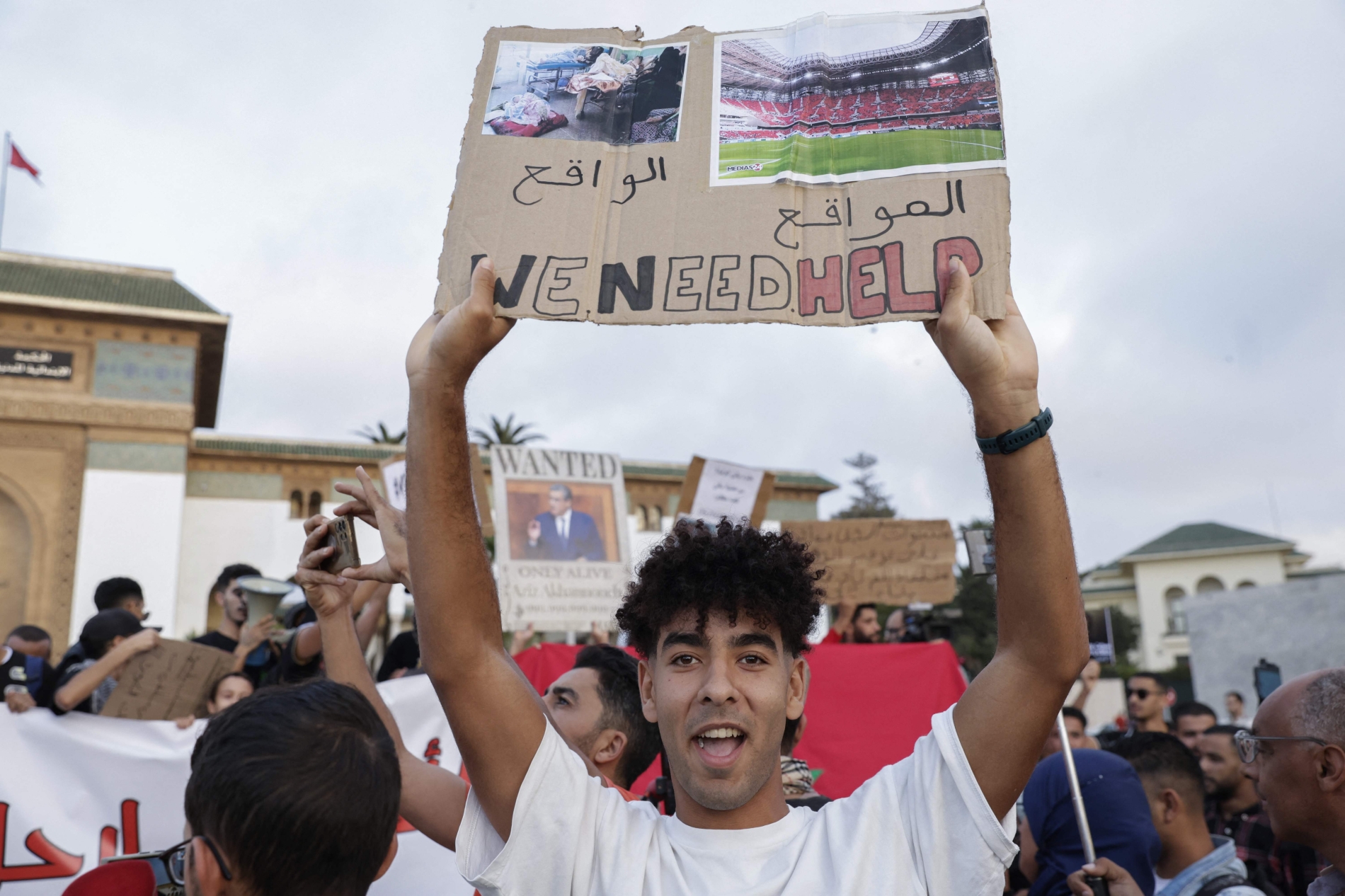
The National Rally of Independents (RNI) described the protests as an organised conspiracy against Akhannouch and the party in its electoral stronghold of Agadir. Eight women had earlier died at the city’s maternity hospital, and the RNI-run health ministry was held responsible, the grievance later developing into a wider, multi-faceted social crisis.
Preliminary consultations
Mansouri began talking to other parties last week, starting with the RNI, which came second with 66 seats. RNI leader Mohamed Chouki was coy about the discussions but said his party “will contribute... in whatever way serves the supreme interests of the nation”. Analysts interpreted his comments as a sign that he may see the RNI as sitting in opposition more so than in government. Relations between the RNI and PAM deteriorated sharply during the election campaign, as they traded increasingly personal barbs over several issues.
Some suggest that the recent elections raised questions that went beyond party politics and argue that the public wants a debate that goes beyond policy, encompassing the meaning of political engagement, the relationship between politicians and voters, the methods parties use to win support, and the respective responsibilities of politicians and rights of citizens.
The next Moroccan parliament could contain three distinct opposition currents: liberals (led by RNI), Islamists (led by the Justice and Development Party), and socialists, but some have already ruled out participating in the next government. Justice and Development Party Secretary-General Abdelilah Benkirane, Morocco’s prime minister from 2011-17, said a recent party vote decided against joining a government, highlighting that some PAM leaders are secularists. His party won 54 seats.
Other potential partners include the centrist Istiqlal (65 seats), the traditionalist-rural Popular Movement (29 seats), and the two socialist parties, USFP and PPS, which won 26 and 19 seats respectively. By far the biggest by seats is therefore PAM, which emerged in 2008. Founded by Fouad Ali El Himma, it brought together political figures, human rights advocates, intellectuals, journalists, business figures, and civil society leaders, but without allegiance to any fixed ideological doctrine.
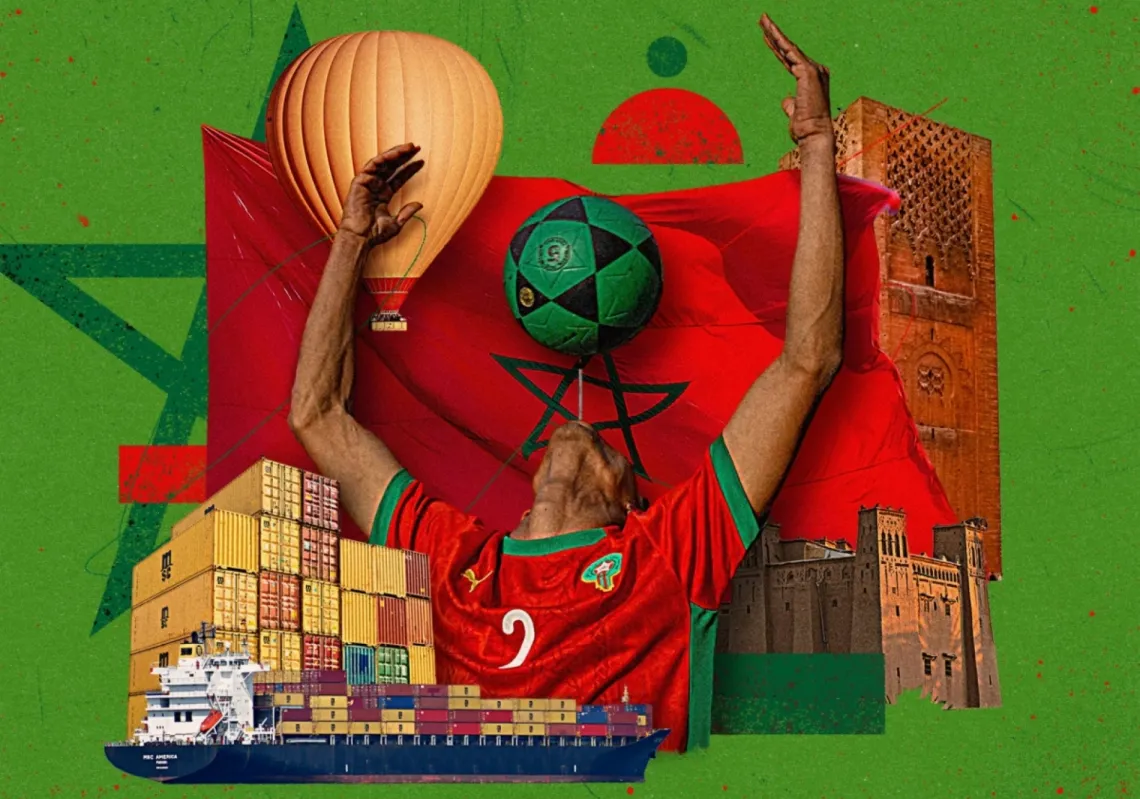
Possible coalition partners may need to shed some of their ideological and doctrinal baggage and rally around the broader national project embodied in the New Development Model and the principle of national unity. This approach echoes the 'Morocco First' rallying call of young PAM supporters during the election campaign, who likened it to sport and playing for the national team, not a league team.
A growing to-do list
Mansouri faces an uphill battle to secure a majority big enough to pass key legislation and the state budget. National priorities include development imbalances, corruption, the performance of the social state, and the unequal distribution of wealth, both between individuals and regions. Labour-market reform, improvements to education, healthcare and public administration, higher wages and pensions, and easing the cost-of-living are all expected to be high on the agenda.
Good economic news is scarce, however. Morocco is an oil importer, and rising fuel prices as a result of the conflict in the Gulf have had an impact on public finances. Economic growth slowed from 5.8% to 4% in the third quarter of this year, while growth in non-agricultural sectors fell from 4.9% to 1.5%. Services were down from 4.5% to 4% despite strong figures in tourism and air transport.