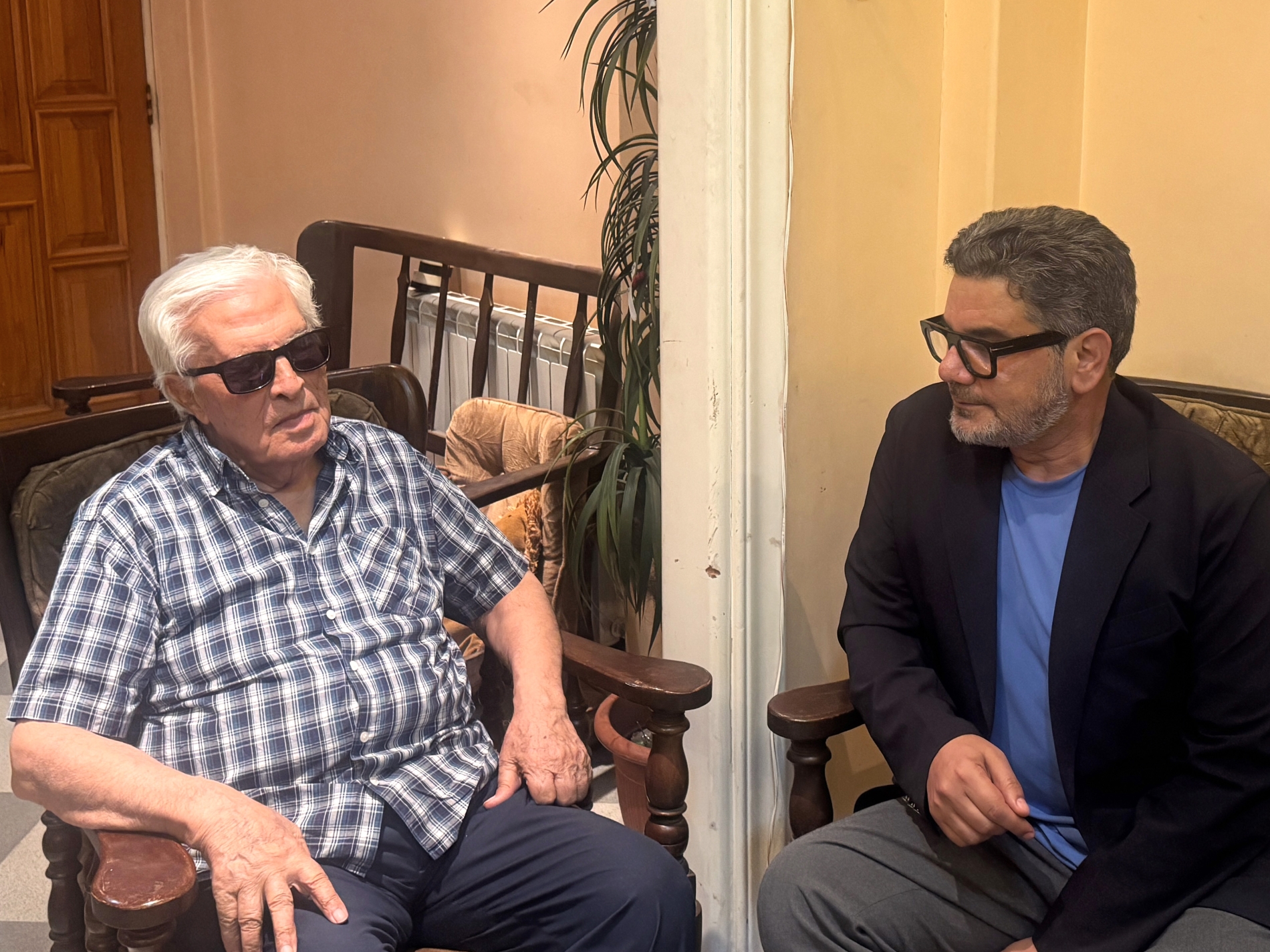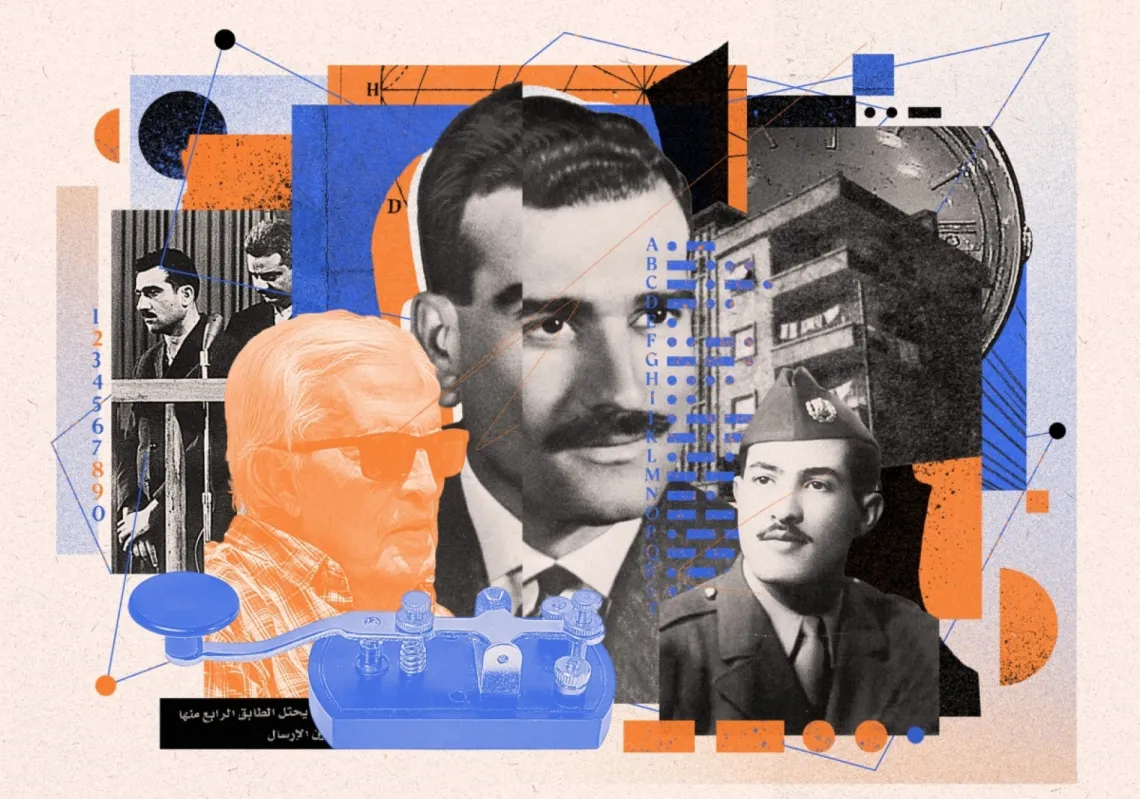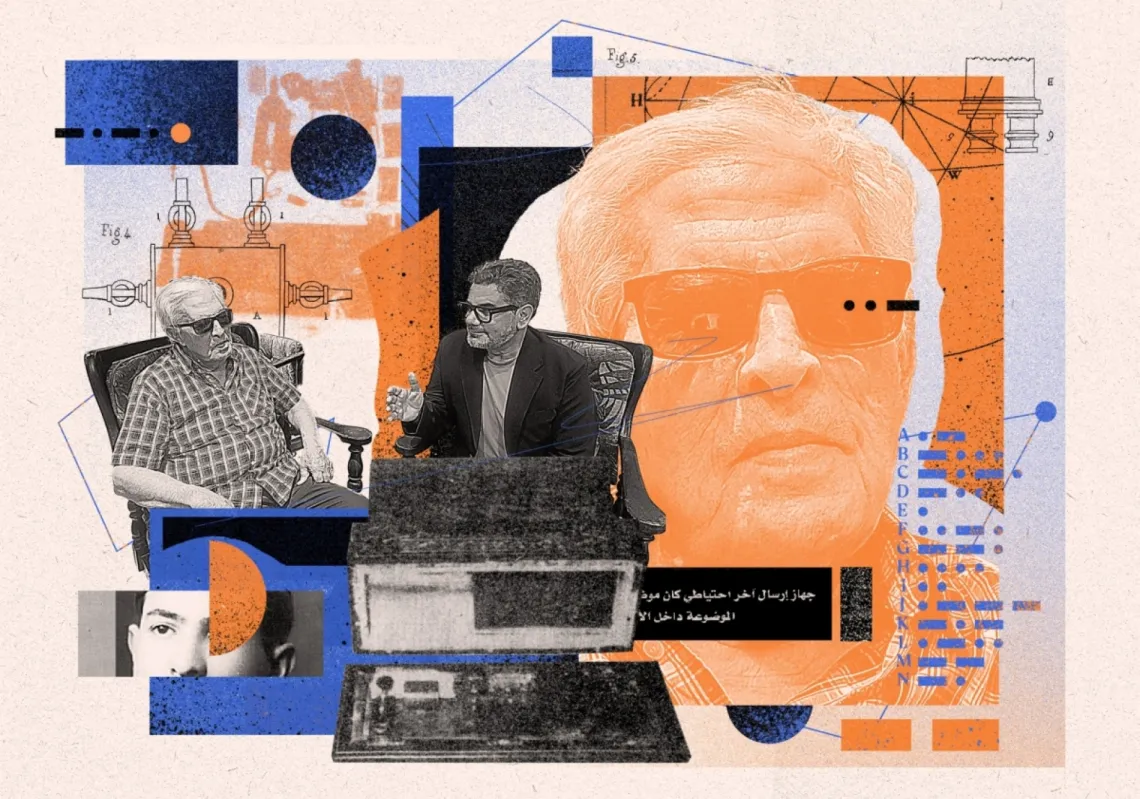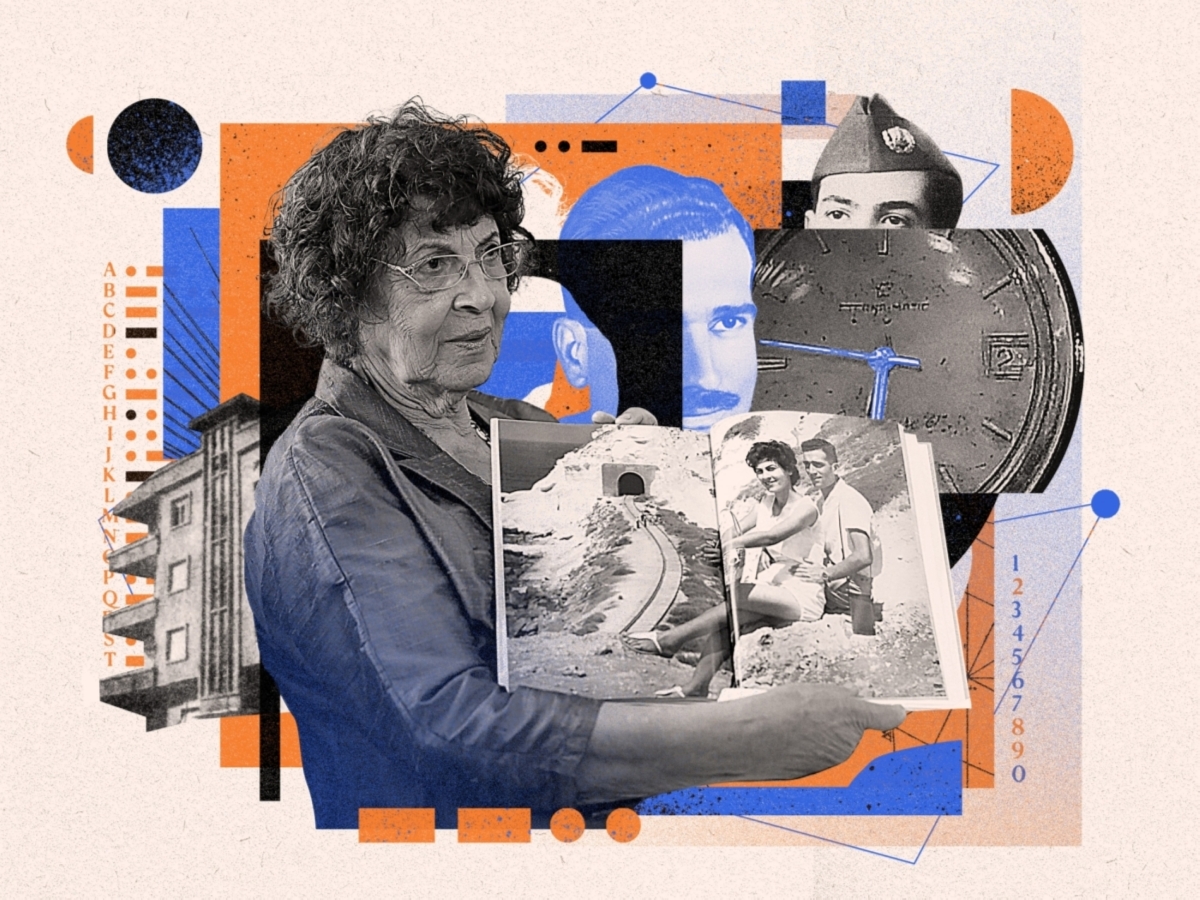

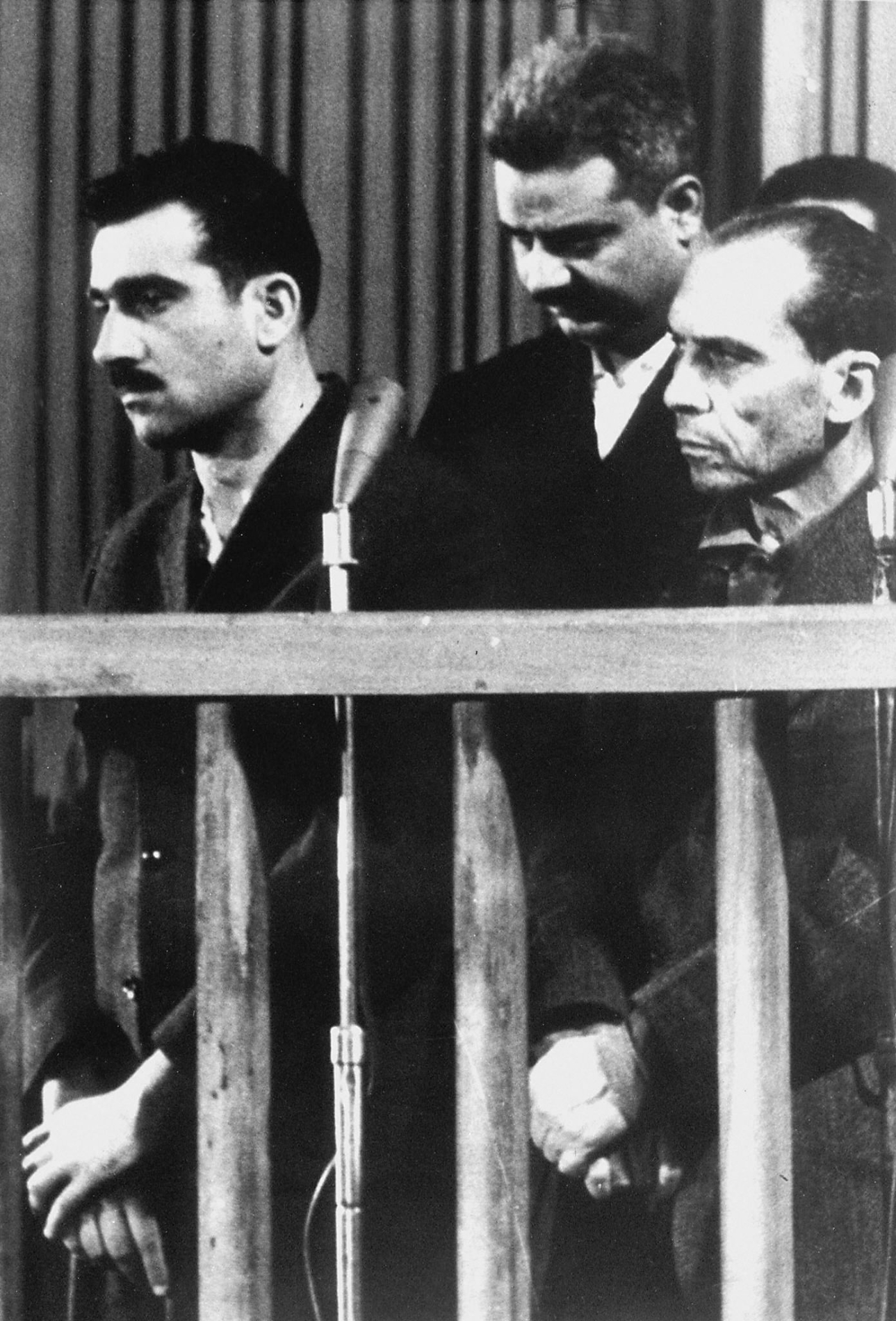
In the final part of a four-part interview, Al Majalla speaks to Said Jawish, the former Syrian soldier specialising in signals intelligence who tracked down secret transmissions to Israel coming from the apartment of Eli Cohen, Mossad’s man in the Syrian capital. After the surveillance, arrest, and interrogation of Cohen in Damascus in 1965, questions about his case have long been asked. Where was he buried? What became of his papers? And how did his watch end up in Israel?
Now an old man with poor eyesight, Jawish speaks candidly about the details of the operation and its aftermath and reveals how the Syrians cottoned on to a network of Israeli surveillance equipment hidden in telegraph poles in the Golan.
Jawish, who was part of Signals Company 134, says that on the night Cohen was executed on 18 May 1965, he was part of a six-man group that discussed where Cohen’s body should be buried after he was hanged, knowing that the Israelis would seek to retrieve it, and why he believes it is still there today.
Meanwhile, Cohen’s wristwatch, which later turned up in Israel to great fanfare, had been taken during his interrogation, Jawish explained. Years later, after he had left the army and was running an import business, he saw it being worn by Cohen’s interrogator, who he met by chance in a street in the United Arab Emirates, an account he later relayed to Maj. Gen. Ali Mamlouk, director of the National Security Bureau.
After Cohen’s execution, where was buried?
We were sitting in Adnan Tayyara’s office. Adnan (head of the Israel Branch), Abdul Qader Abdul Jalil (Cohen’s interrogator), several other officers, and I were there. Warrant Officer Melhem Qassem, or Qassem Melhem, who accompanied the burial party, was also there. There were six of us. We said the Israelis would not let the matter rest and would try to recover Cohen’s remains, so each of us began suggesting where he should be buried.
Was that after his execution?
No. It was the night before the sentence was carried out. We were discussing what to do after the execution.
What was decided?
Adnan Tayyara suggested burying him at the entrance to a military barracks where guards were permanently stationed. That way, the grave would not need to be guarded separately. Everyone thought it was a good idea, and he was buried the next day. There were several barracks. I do not know which one was chosen. Melhem Qassem, who was present at the burial, would know.
Where do you think his body is now?
Buried outside one of the barracks.
What happened to the messages you deciphered?
They came here and took all of them.
Who?
Mossad. There were intermediaries, and they reached an agreement with Damascus. Mossad came and took all the messages.
Was that within the past two years?
Yes. That’s what I was told by a source who I consider reliable. The messages had already been deciphered and translated. One way they concealed them was by sending them in French rather than Arabic or Hebrew. Once the code was broken, the text itself was in French. I asked a relative of mine who knew French, Ahmad Shawqi Al Rashi, director of the Postal Institute, to translate them. He translated all the messages.
Do you remember any of the most important?
In my view, the messages were not especially valuable. There is a book called Eliyahu Cohen: An Unfinished Spy Project. My assessment now is that he wanted Syrian citizenship and a government post.
Do you remember anything of the messages?
They were things like: ‘I went to see so and so’ or ‘so and so came to see me.’ From what we read, they did not contain any particularly important information.
After the change of regime, there were reports that Cohen’s entire file had been handed over to Israel...
That is what I was told.
What about his body?
I believe it is still here.
Why?
If they had found it, they would have announced it and made a great deal of it. Take the watch, for example.
There were reports that the watch was sold at auction before it reached Mossad...
Before the (Assad) regime fell, there was an event in Israel attended by (Israeli Prime Minister) Benjamin Netanyahu and the head of Mossad. They announced that they had recovered the watch from inside Syrian intelligence. I was surprised. Maj. Gen. Hassan Sharif, deputy director of Military Intelligence, called me and said that someone wanted to meet me and that a car would be sent to pick me up.
Here in Syria?
Yes. They took me to a place where an elderly man came in, greeted me, and introduced himself as Maj. Gen. Ali Mamlouk (the former head of the National Security Bureau and Deputy Vice-President for Security Affairs, one of President Bashar al-Assad’s closest advisors). We sat down. He had a photograph of Cohen’s watch and asked whether I recognised it. I said: “That is Cohen’s watch.”
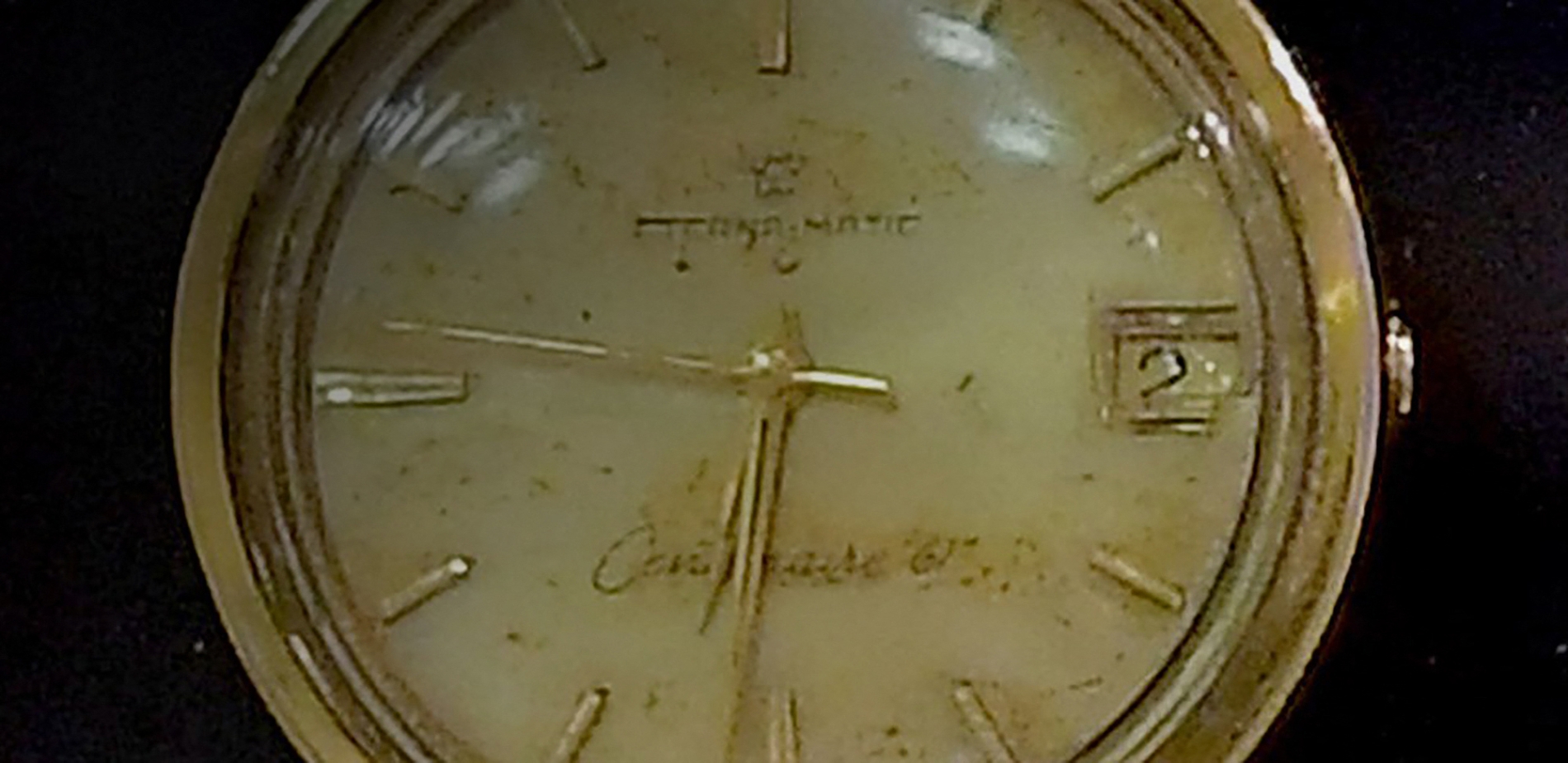
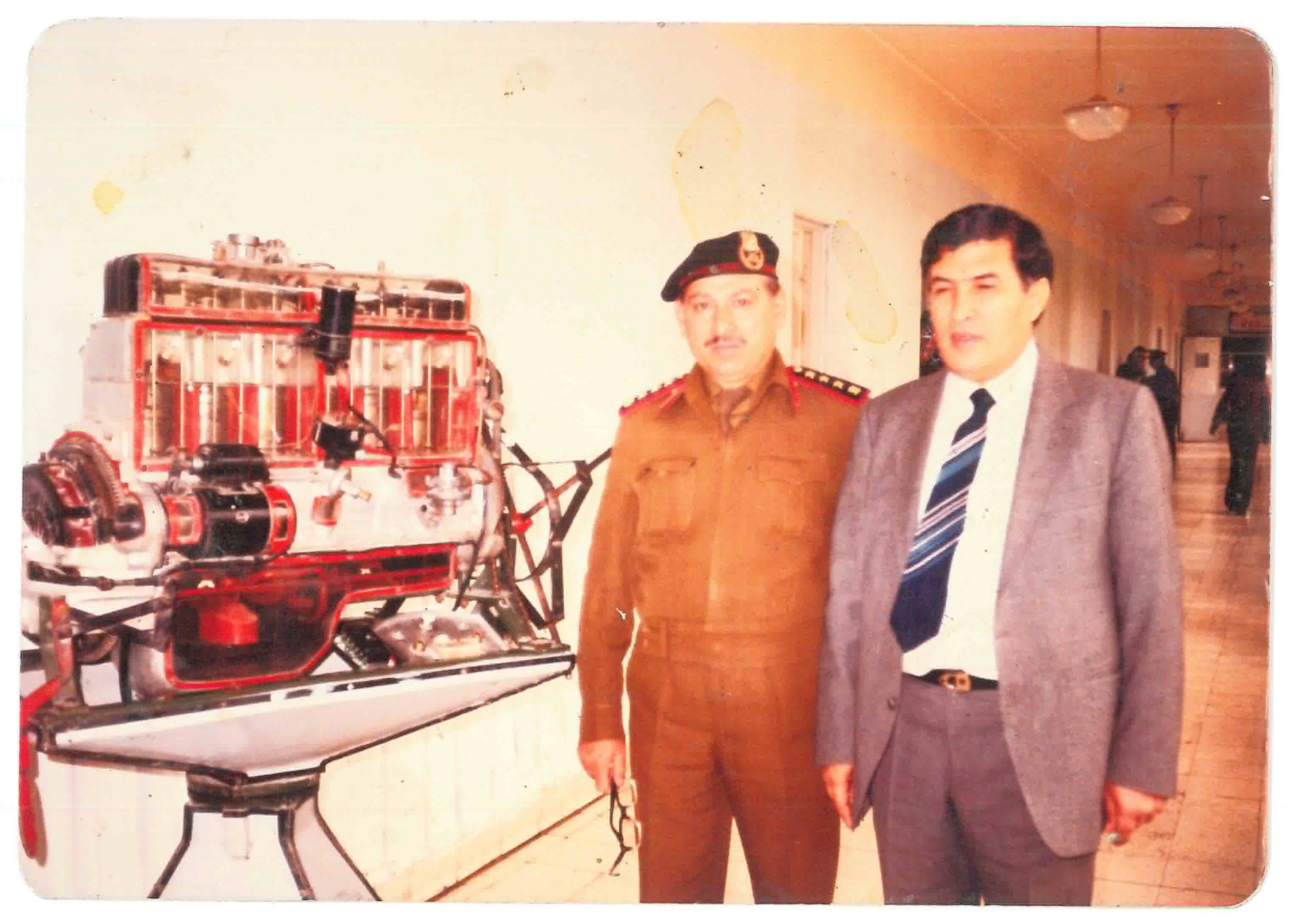
He told me that the Israelis were saying they had taken it. I said: “That is right, they did.” He asked how I knew. I explained that when we arrested Cohen, we took his possessions, but I left the watch on his wrist. He was still wearing it when they transferred him to the Palestine Branch. The officer who interrogated him was Abdul Qader Abdul Jalil.
After I left the army and went into business, I had an office in Sharjah (UAE), where I spent three years. I imported machinery that we sold to the Qasioun Housing Company. One day, I ran into Abdul Qader Abdul Jalil in the street. He was with an Emirati man. I greeted him, and he asked what I was doing there. I told him about my work and invited him to visit my office. He said he had been transferred to the naval college there.
In Sharjah?
Yes. He said it was affiliated with the Arab League and trained Arabs from different countries. We went to a café for coffee and talked for a while. He told me: “I’m the only person who got anything out of the Cohen case. I took his watch!” Then he showed me the watch on his wrist.
Are you certain it was the same watch?
Yes. He was boasting that he had interrogated Cohen and taken the watch. As for how it changed hands after that, I do not know. Someone may have bought it from him, either directly or through an intermediary, or perhaps from his children after his death.