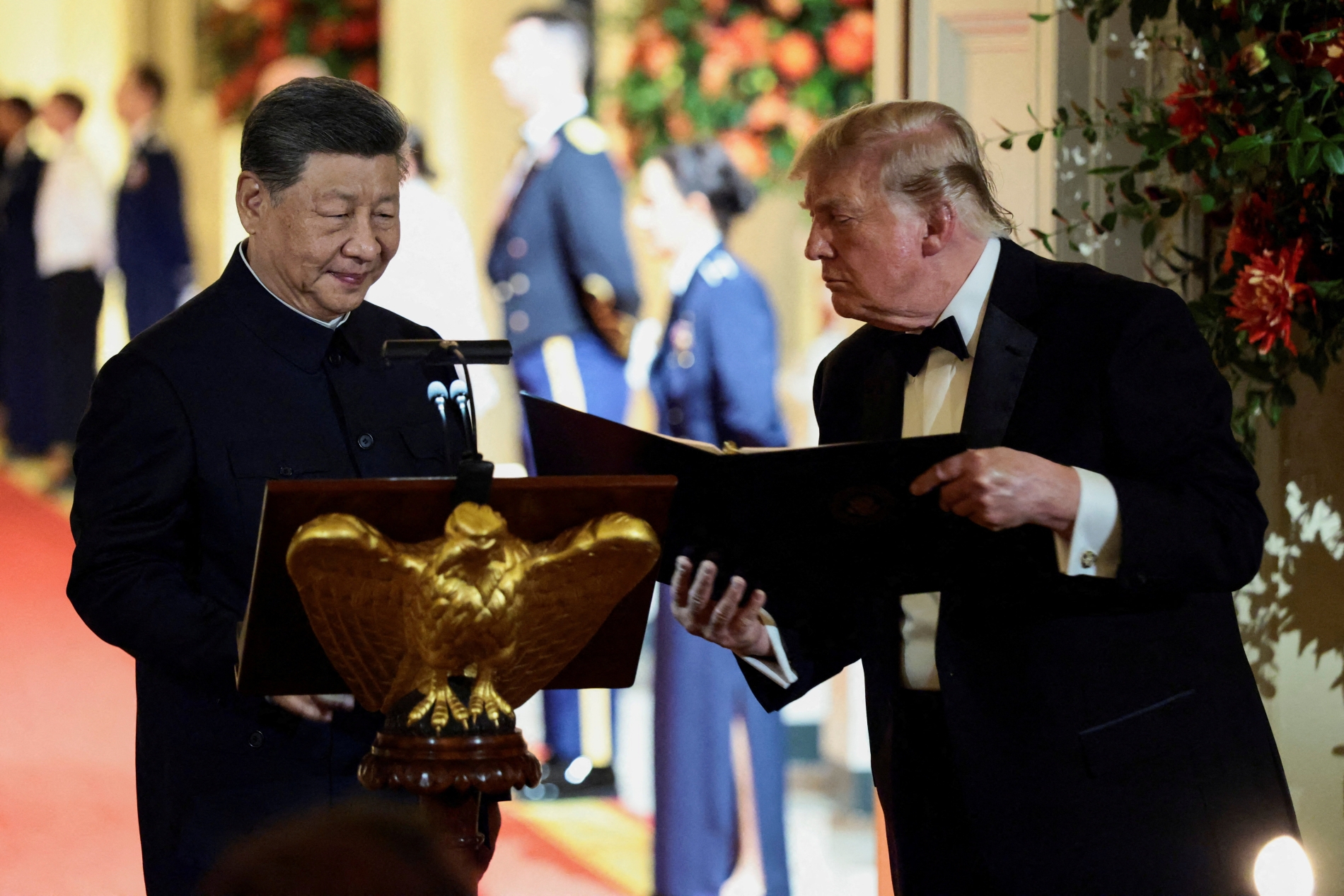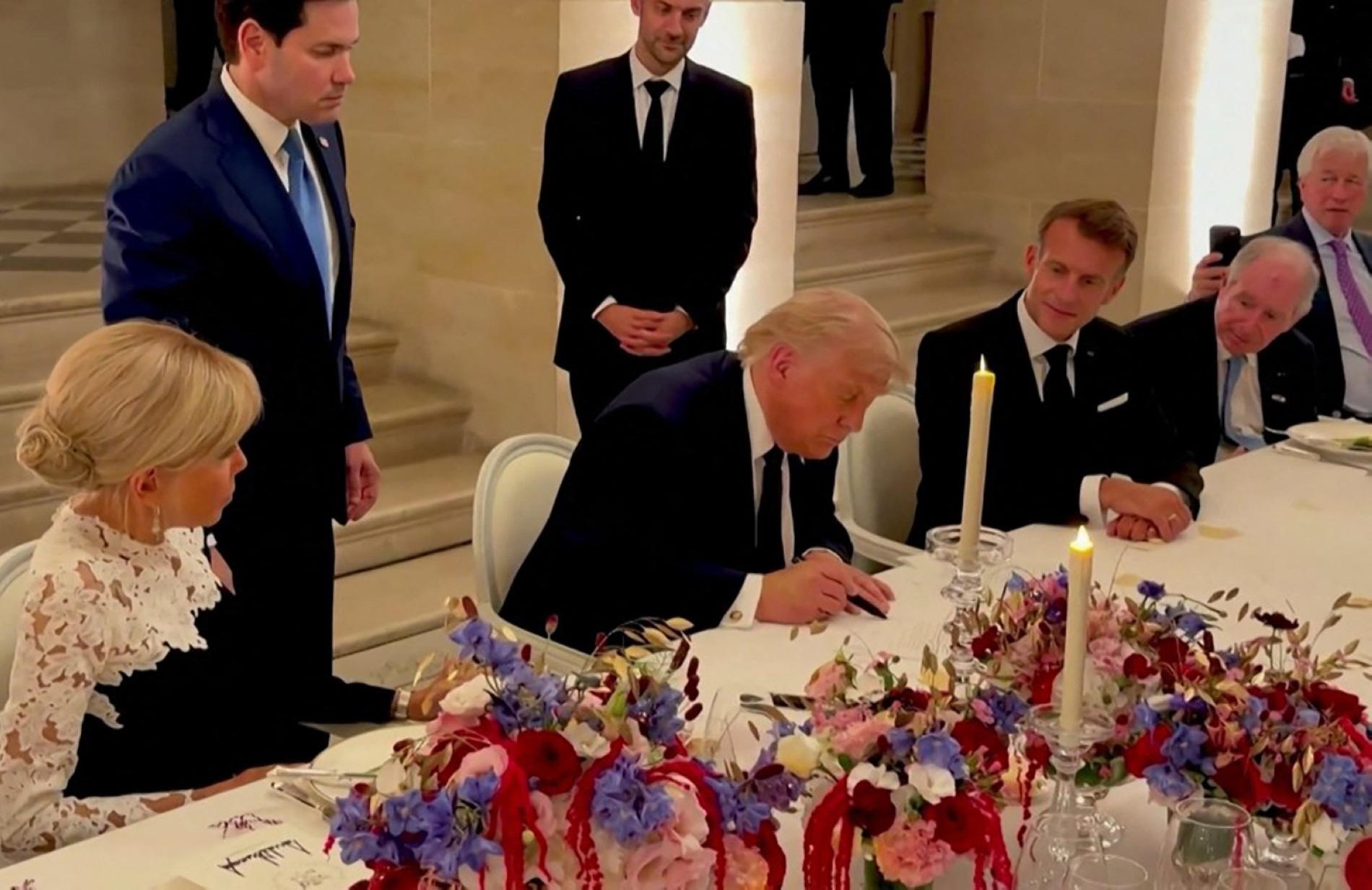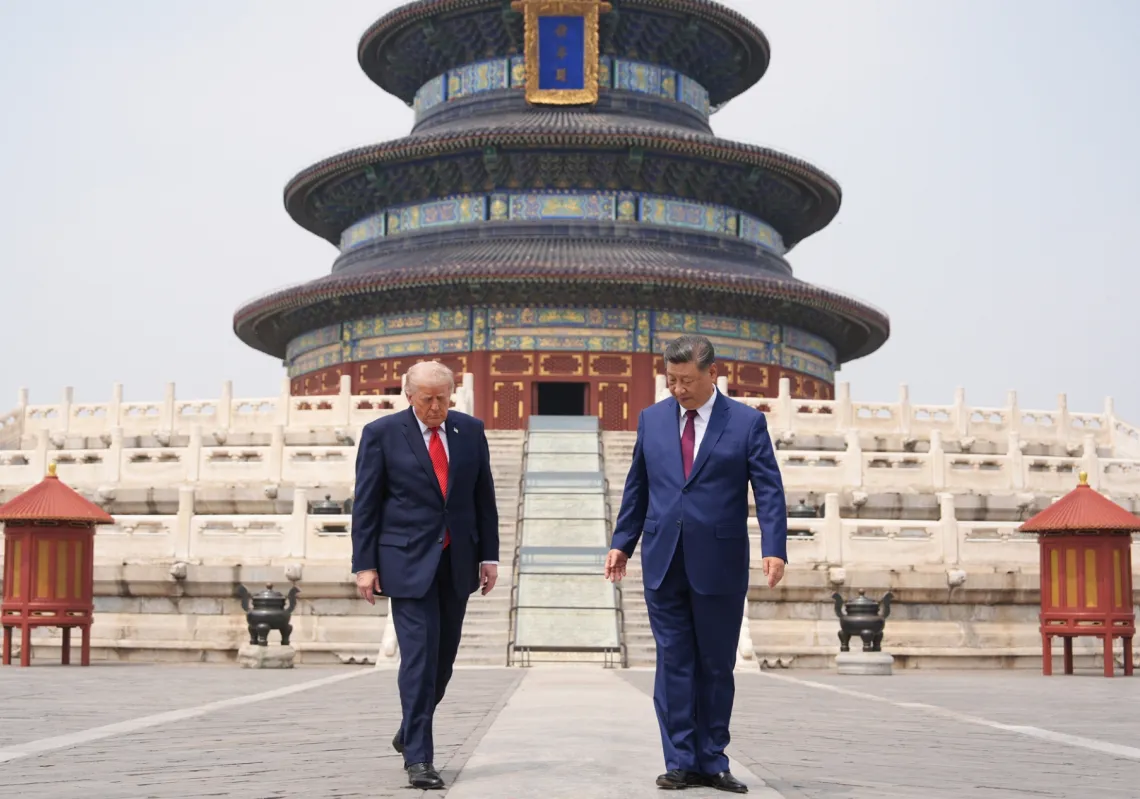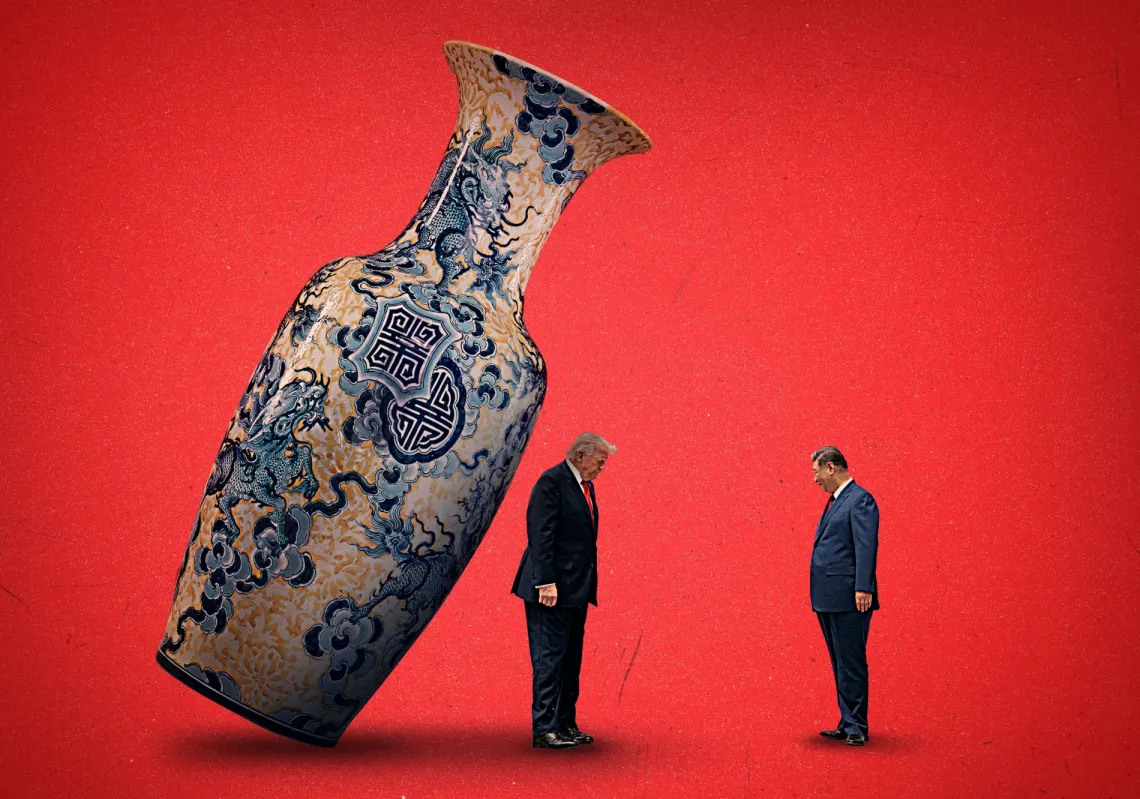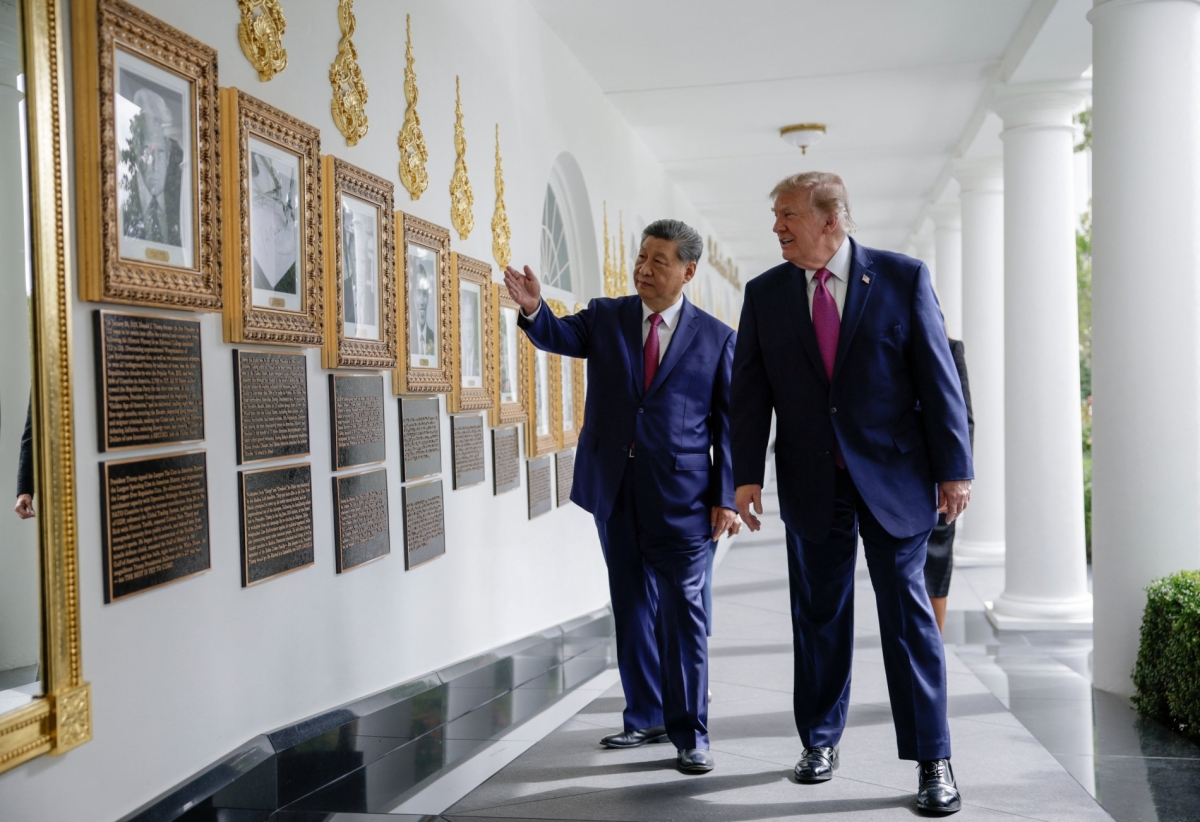

During his visit to Washington last week, Chinese leader Xi Jinping tried to step outside his usual diplomatic style and bring a more personal note to his relationship with US President Donald Trump, who is known for prioritising image and political optics. In Beijing, leaders also use symbolism and protocol, placing considerable weight on appearances and the messages they convey, so the logic felt familiar.
Despite his formal demeanour, Xi exchanged smiles and laughter with Trump and, at one point, patted him on the shoulder. He joined Trump for a tour of Marine One at the new White House landing pad, while China’s first lady, Peng Liyuan, was given a prominent role during the visit, in contrast to the discretion that has traditionally characterised the public appearances of Chinese leaders’ wives.
Earlier, the US president had broken with protocol by personally receiving Xi on the tarmac at Joint Base Andrews, a rare gesture not seen since the 1960s. Xi thus became the first Chinese president to be greeted at the airport by his US counterpart. Yet Beijing had already secured a significant symbolic gain after lengthy negotiations to ensure that Xi’s trip would be formally designated a state visit, with all the status and emphasis that entails, regardless of the practical results of their meeting.
The careful choreography helps explain why two of the summit’s most significant practical outcomes were announced in advance. Two days before Xi arrived, US Treasury Secretary Scott Bessent announced that the US-China trade truce would be extended until January, following negotiations in New York with Chinese Vice Premier He Lifeng. They also agreed to establish a communication mechanism to address artificial intelligence (AI) incidents that could affect national security.
Missed opportunity
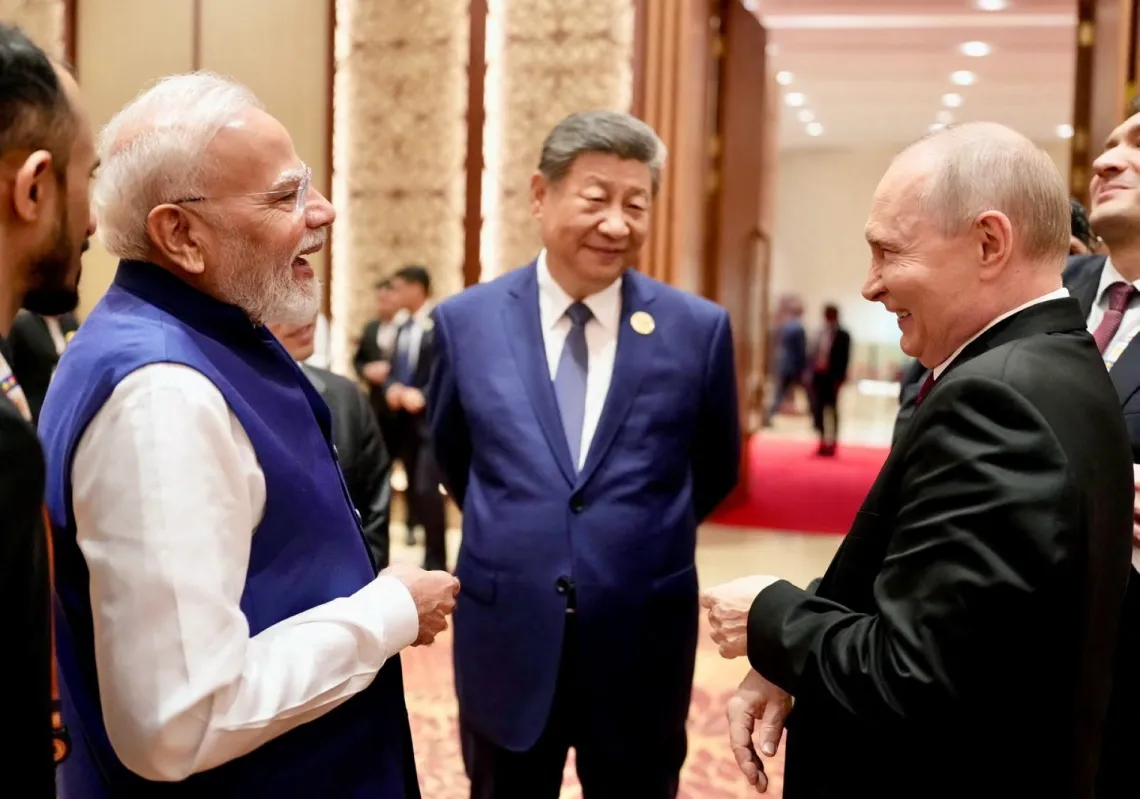
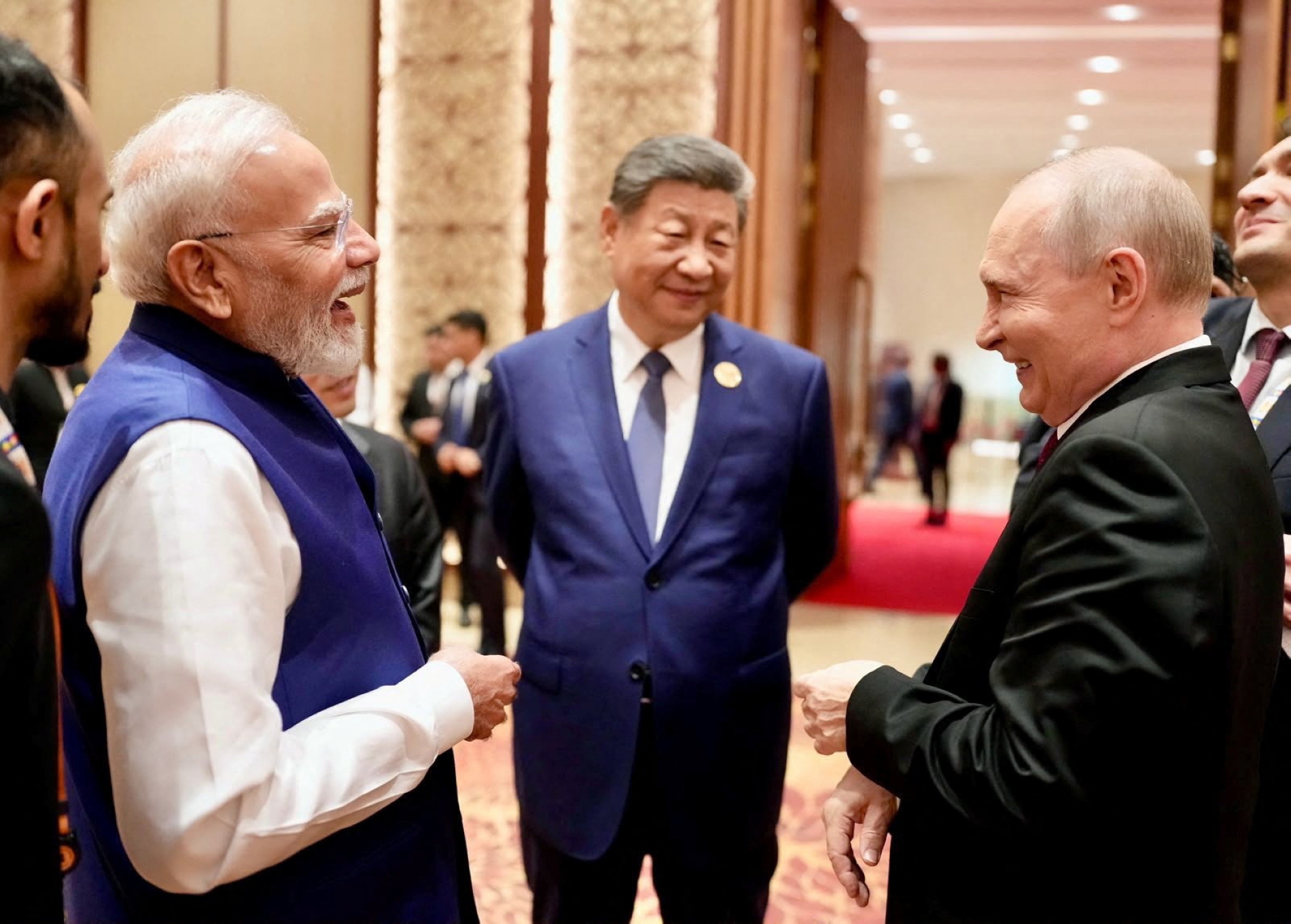
Xi’s visit to Washington stirred hopes of a bilateral breakthrough. He had just finished a tour that included Bishkek, Cairo, and New Delhi, while Trump had held a series of diplomatic meetings on the sidelines of the UN General Assembly. The visit also coincided with the start of local Communist Party conferences in China ahead of the 21st National Congress next year, where Xi is expected to secure a fifth term.
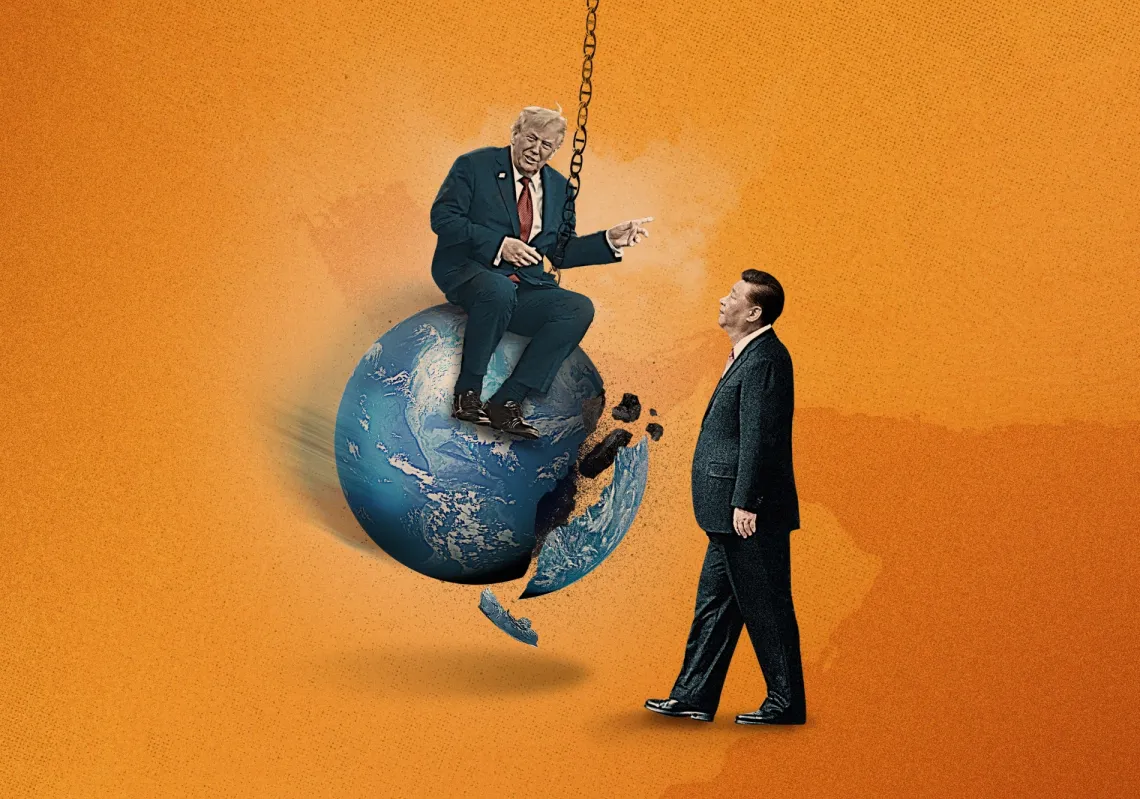
Trump’s popularity has been declining ahead of mid-term elections in November that will shape the second half of his final term. This political imbalance appeared to open the door to compromise, prompting some observers to see it as a missed opportunity for key breakthroughs. Yet strategic competition between the US and China seems to have limited what the summit could achieve. Trump needs agreements but knows that concessions could make him look weak.