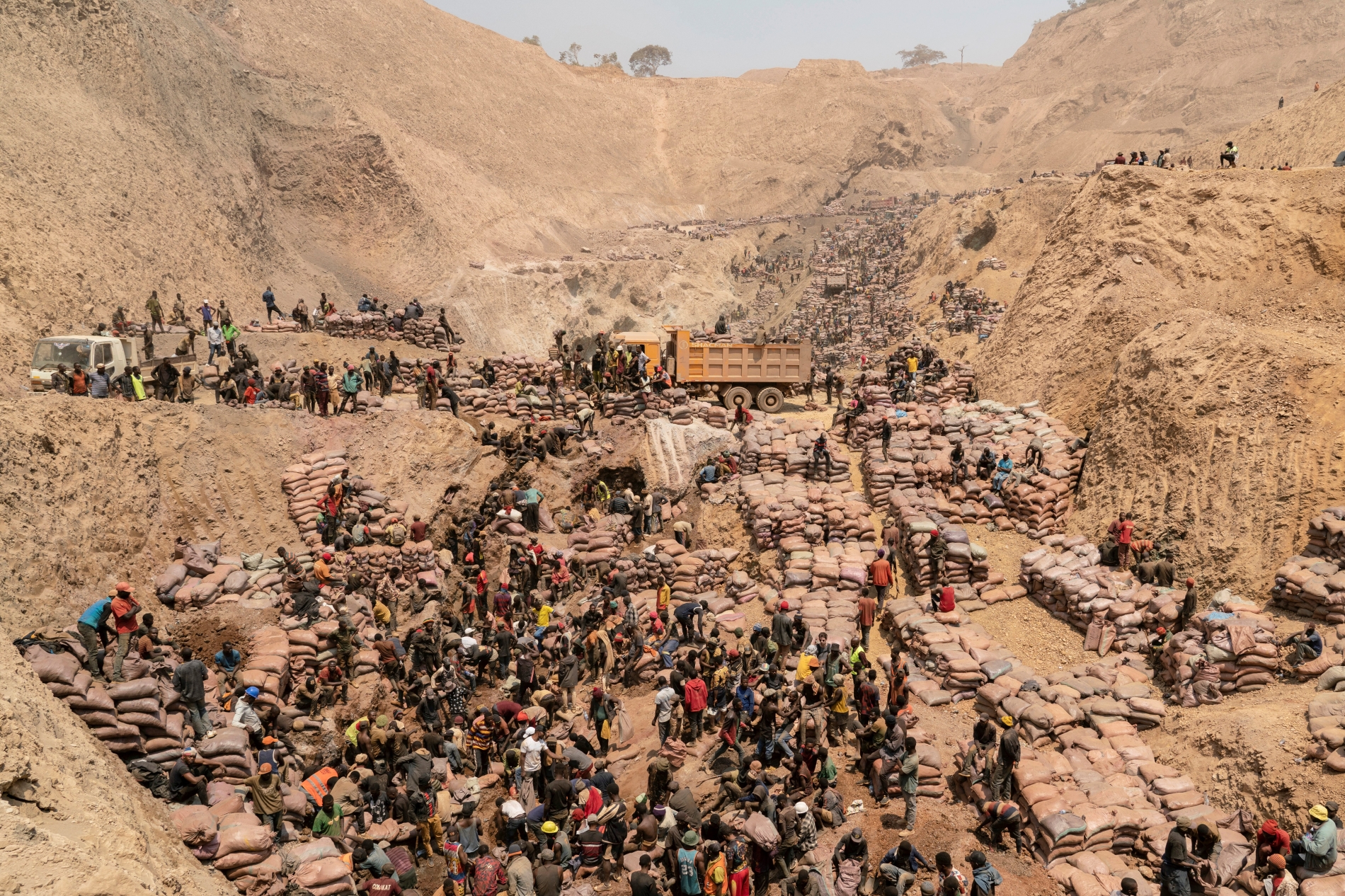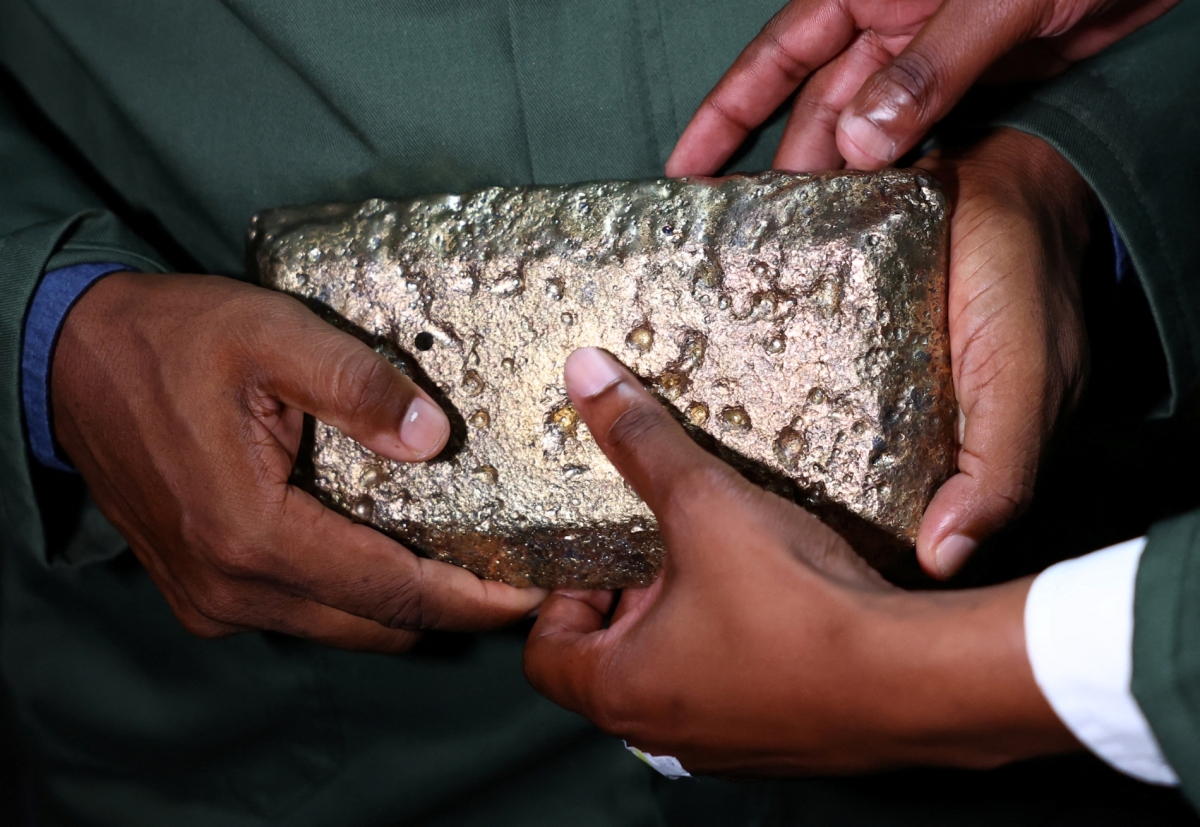

Africa is rich in rare earths and critical minerals but has not yet made the most of its natural wealth. Indeed, there have been times when the continent’s blessings have seemed more like a curse. Western colonisers spent years exploiting it, and since independence arrived throughout the 20th century, Africa’s political history has been one of coups, upheaval, war, security vacuums, and natural wealth appropriation.
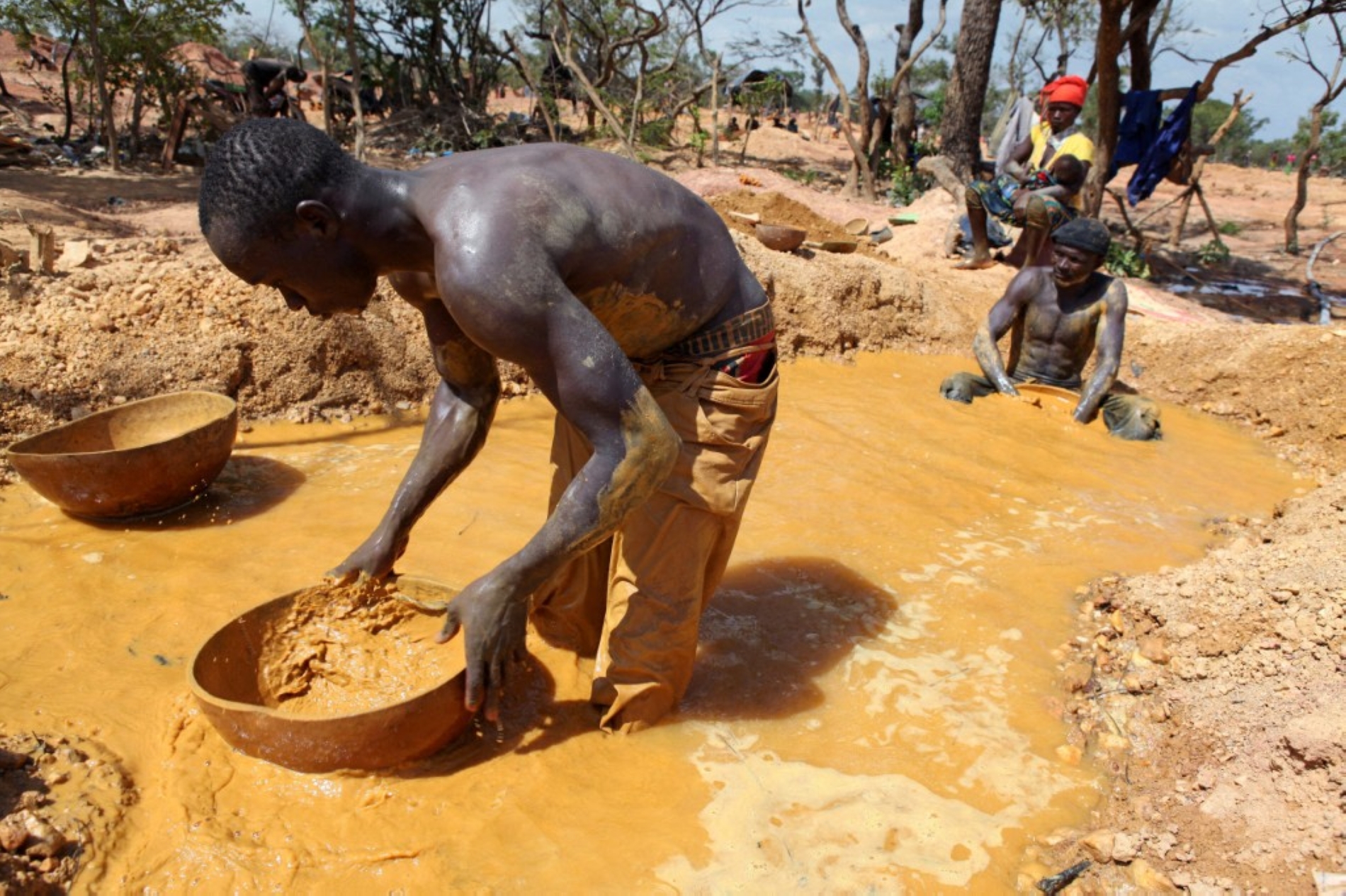
Weak state control has led to a breakdown in law and order, resulting in thefts of precious metals and minerals, not least gold, in a vicious cycle of illegal mining and trading to fund conflict. Hellen Abatoni Muzungu, a Sub-Saharan Africa specialist at business risk consultant RANE, explains that in most conflicts, political, territorial or communal goals come first. “Gold tends to matter later, once a group is established and needs money to keep going,” she says.
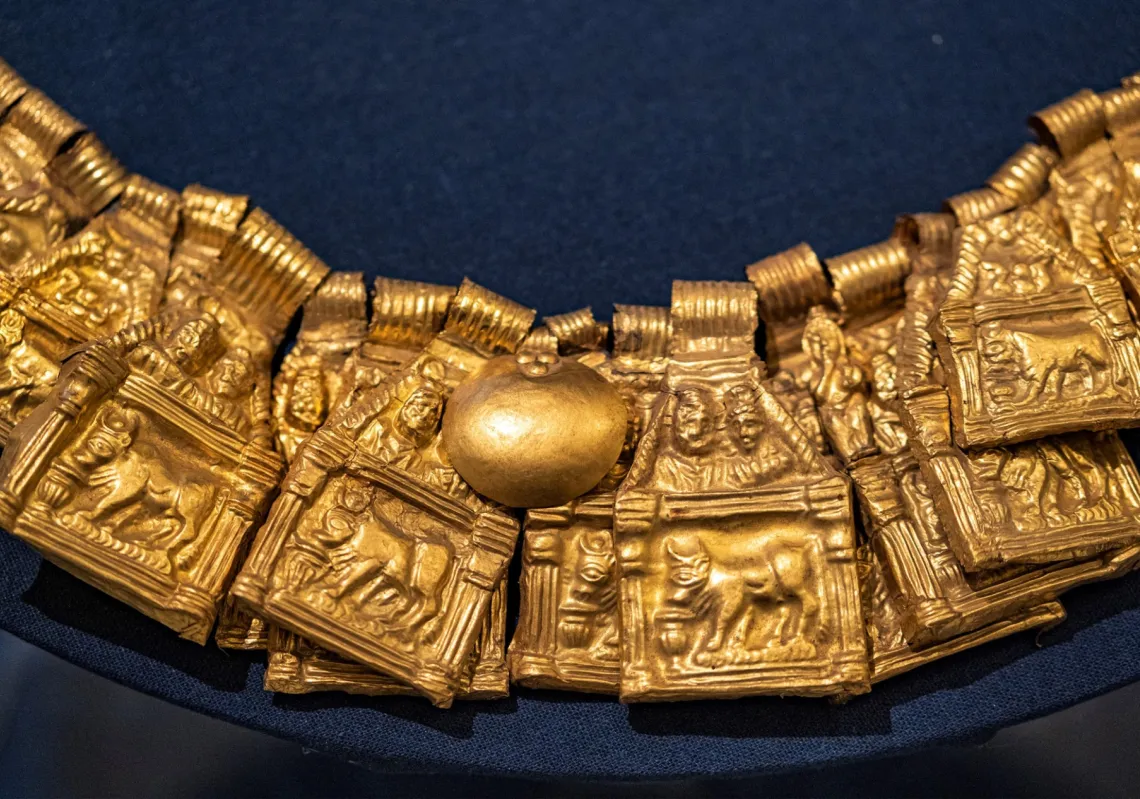
“It fits that need well because it is valuable, easy to carry, and can be sold through informal networks. Sudan, Mali, Burkina Faso and eastern DRC (Democratic Republic of Congo) all follow this pattern.” The temptation is easy to see. Since January 2024, the price of gold has more than doubled, and investment bank Goldman Sachs forecasts that it will rise to $4,900 per troy ounce by the end of this year, from current prices of around $4,400.
Strong incentives
In Sudan, where a brutal civil war has decimated most state structures, illegitimate gold trading is rife. The Rapid Support Forces (RSF), a well-armed paramilitary group, controls most of the gold deposits in the western region of Darfur. Despite United Nations reports to the contrary, the United Arab Emirates denies claims that it finances and arms the RSF, or that the RSF sells hundreds of millions of dollars’ worth of Darfur gold through the UAE (Dubai Gold Souk is the world’s largest gold market). Sudan’s gold is smuggled through porous borders with its neighbouring countries, including eastern Libya (which is run by the UAE-backed commander and RSF ally, Khalifa Haftar), the Central African Republic (CAR), and Chad.
The CAR was of interest to the Russian mercenary outfit Wagner Group (since renamed Africa Corps), which was notorious for its trading in African gold. Midas Resources is a Wagner front company that operates gold mines in the CAR and holds deposits valued at more than $1bn. It holds multiple concessions and licenses, as well as a preferential mining allowance at the Ndassima gold mine. “Midas, along with other (Wagner founder Yevgeny) Prigozhin-linked firms operating in the CAR, is key to financing Wagner’s operations in the CAR and beyond,” said the US Treasury in June 2023.
Two months later, after publicly challenging Russian President Vladimir Putin, Prigozhin was dead, and his Wagner Group was being subsumed by the Russian state. But while he was still alive, Prigozhin controlled other assets in the CAR, including gold and diamond buyer Diamville SAU, which shipped diamonds to the UAE and Europe, according to the US Treasury (which sanctioned the entities involved).
A share of the loot
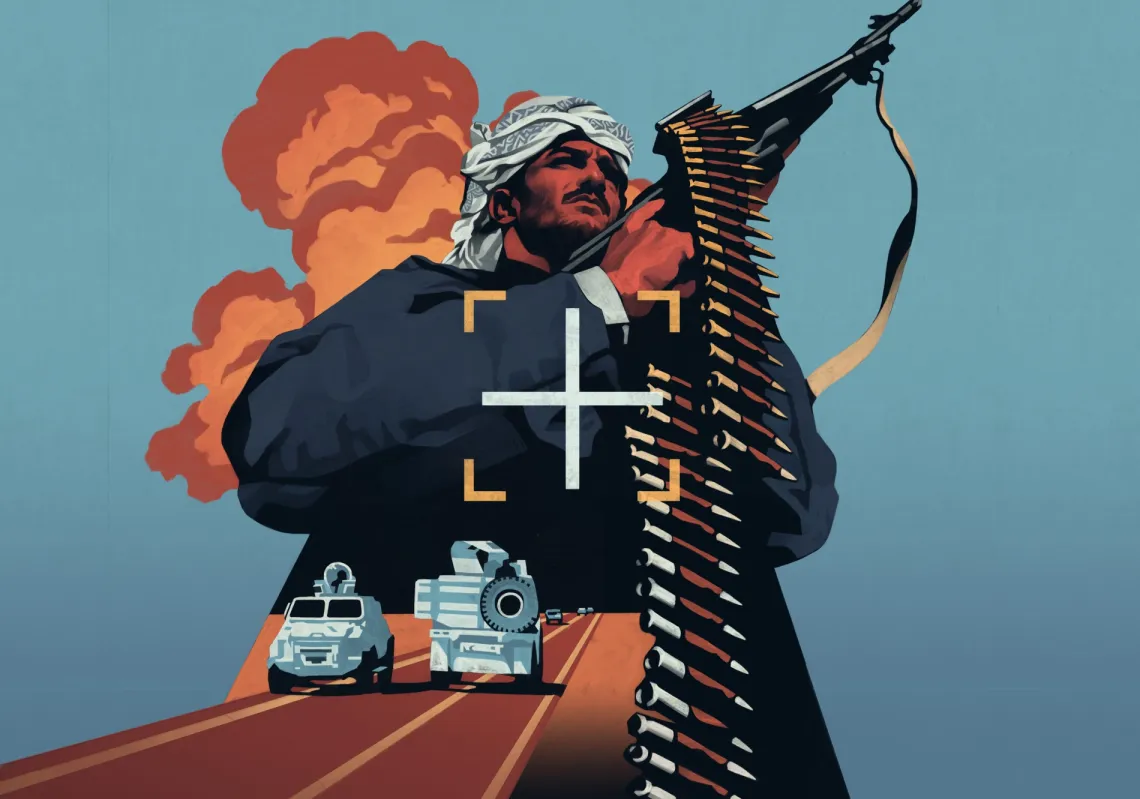
Wagner forces were also deployed in Mali, where consecutive coups left its natural resources open to exploitation. The Russian group had a share of Malian gold before exiting the country last year. Along with Burkina Faso and Niger, Mali is in the Sahel region in West Africa, where mining-induced violence has increased over the past decade, according to conflict monitor ACLED. In each of the three countries, military juntas seized power in recent years, further destabilising a region long plagued by extremism and lawlessness (the former benefiting from the latter).
These three states soon withdrew from the Economic Community of West African States (ECOWAS) and formed their own Alliance of Sahel States, compromising the region’s fight against Islamists, including al-Qaeda-affiliated Jama’at Nusrat al-Islam wal-Muslimin (JNIM) and Islamic State Sahel Province. “The gold rush across Mali, Burkina Faso, and Niger risks creating new sources of financing, recruitment, and territorial influence for armed groups,” ACLED said.
"Mining areas attract armed groups for reasons that go well beyond access to mineral resources as a source of financing. Artisanal mining areas, in particular, concentrate economic activity, mobile populations, transport links, equipment, and commercial supply chains that can support militant operations. In some areas, JNIM has transformed artisanal mining sites into semi-permanent bases where fighters can alternate between civilian and combatant roles, blend in among miners, store weapons and equipment, and sustain operations with a lower risk of detection." Beyond its presence in the Sahel, JNIM has a foothold in Togo, Benin and Côte d'Ivoire, which facilitates its gold smuggling operation.