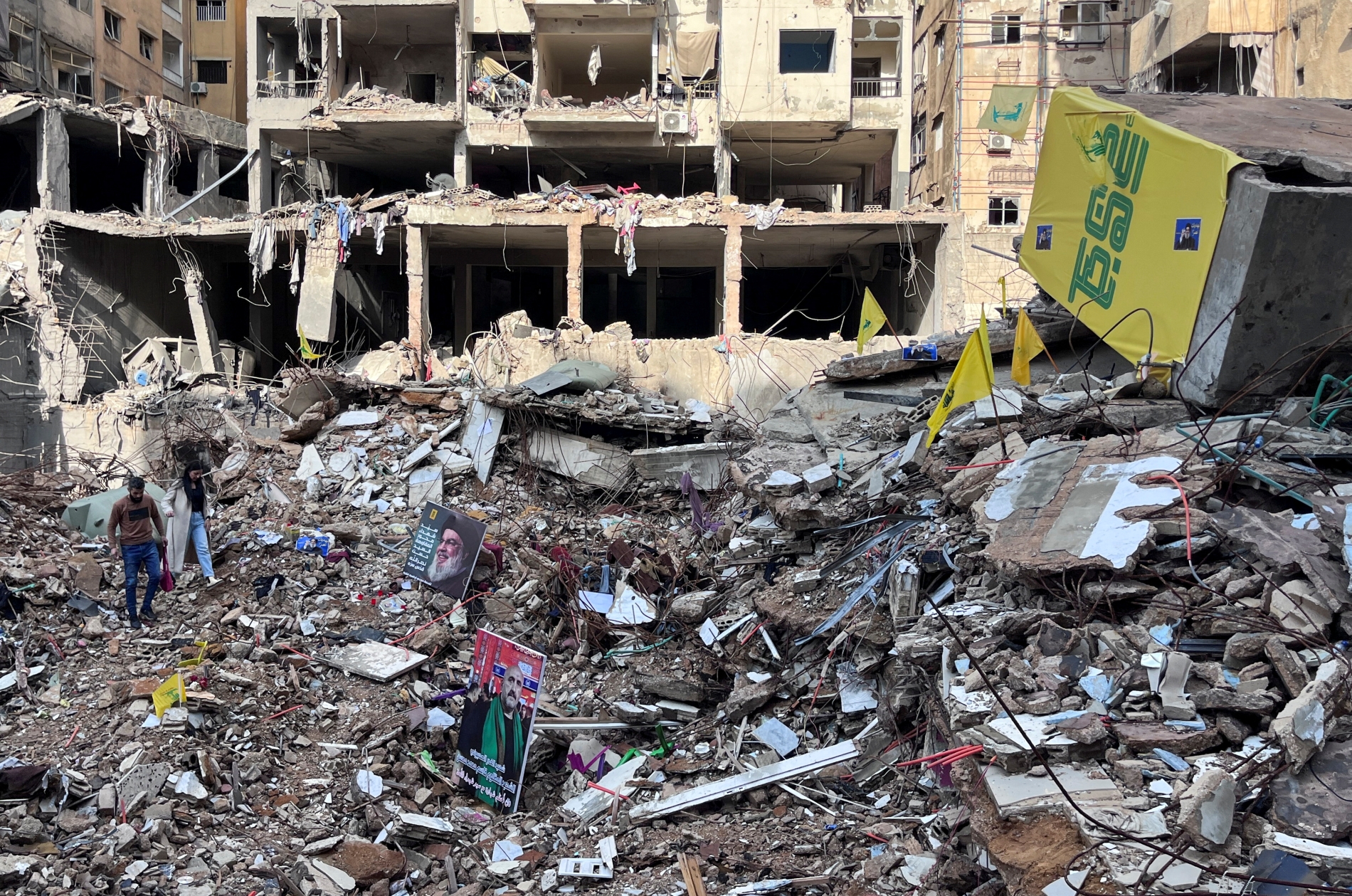

The Iran-backed Houthis launched their offensive on Thursday in western Taiz and along Yemen’s western coast, seeking to reach the high ground overlooking the coastline and move closer to Bab al-Mandab. Control over this key maritime chokepoint would give it strategic leverage, which would benefit Iran in its ongoing war with the US.
For its part, government forces pushed back on Friday and began mounting counterattacks. By Saturday, it shifted from defence to offence and expanded its operations into Hodeidah, Al-Bayda and Al-Jawf, dispersing Houthi forces and disrupting their lines.
This round of fighting already appears markedly different for a variety of reasons. Al Majalla highlights10 factors that give government forces an edge in this round of fighting
1. More centralised government decision-making. The Yemeni Presidential Leadership Council’s decision at the beginning of the year to revoke the membership of former Chairman of the Southern Transitional Council, Aidarous al-Zubaid, along with restructuring the council and its forces, helped reduce competing centres of authority and strengthen coordination across the front lines.
2. Broader participation by anti-Houthi forces. Reinforcements from the Southern Giants Brigades and the Nation’s Shield Forces arrived on the western Taiz and western coast fronts, alongside the army, the National Resistance Forces and the Joint Forces. This gave the government greater military weight across several fronts.
3. Greater agility. The Houthis launched the offensive, but government forces pushed back quickly. They not only regained the initiative, but also opened simultaneous fronts in Al-Bayda, Al-Jawf, Taiz, and Hodeidah, forcing the group to spread its forces and reserves.
4. Territorial gains. The government announced that its forces captured positions in Al-Nasifah and the high ground overlooking Al-Zahir district in Al-Bayda, advanced toward Al-Hazm in Al-Jawf, and took control of Naqil and Jabal al-Kawrah in western Taiz. In Hodeidah, the forces completed their takeover of the remaining rural areas in Hays district and began pressing towards Al-Jarrahi, as fighting continued on some fronts.
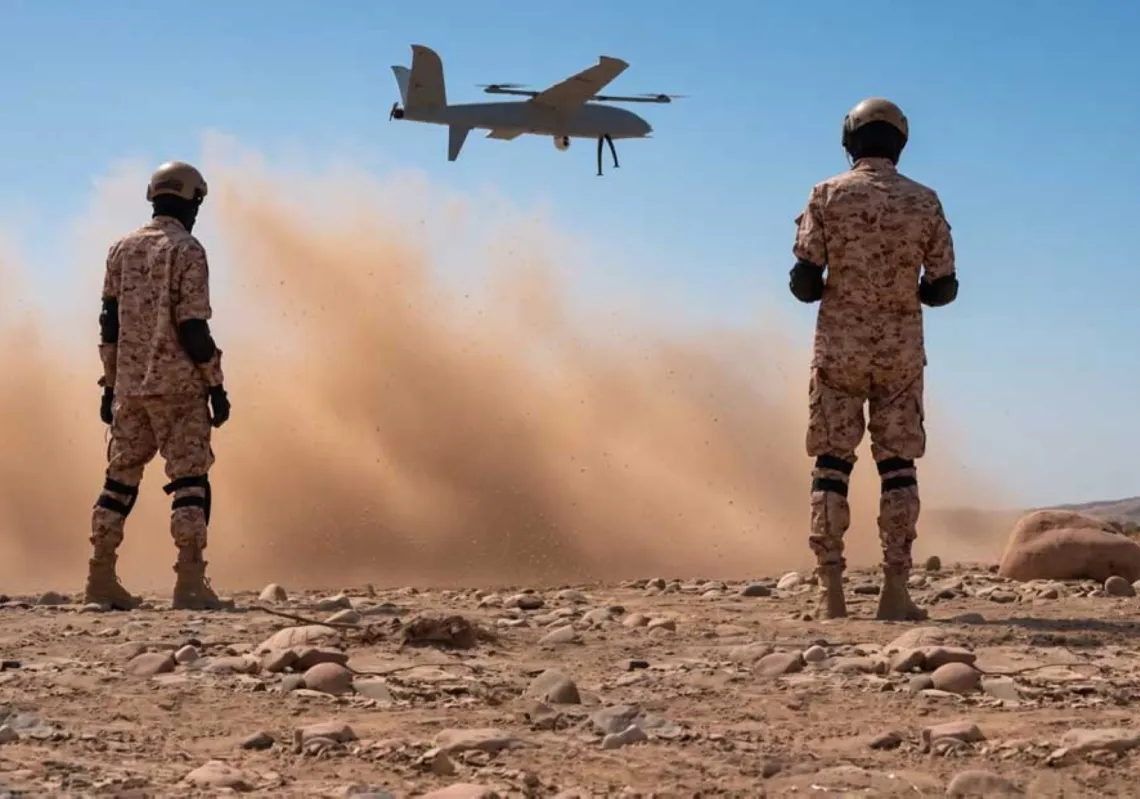
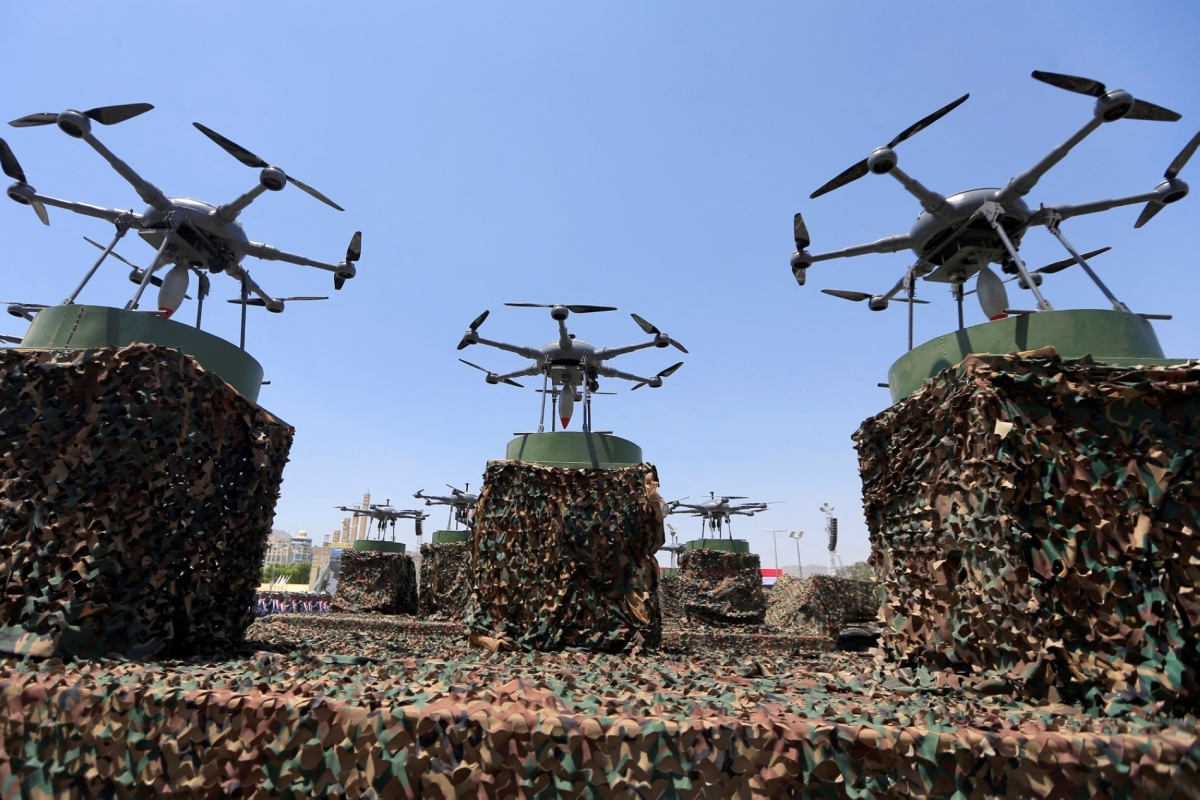
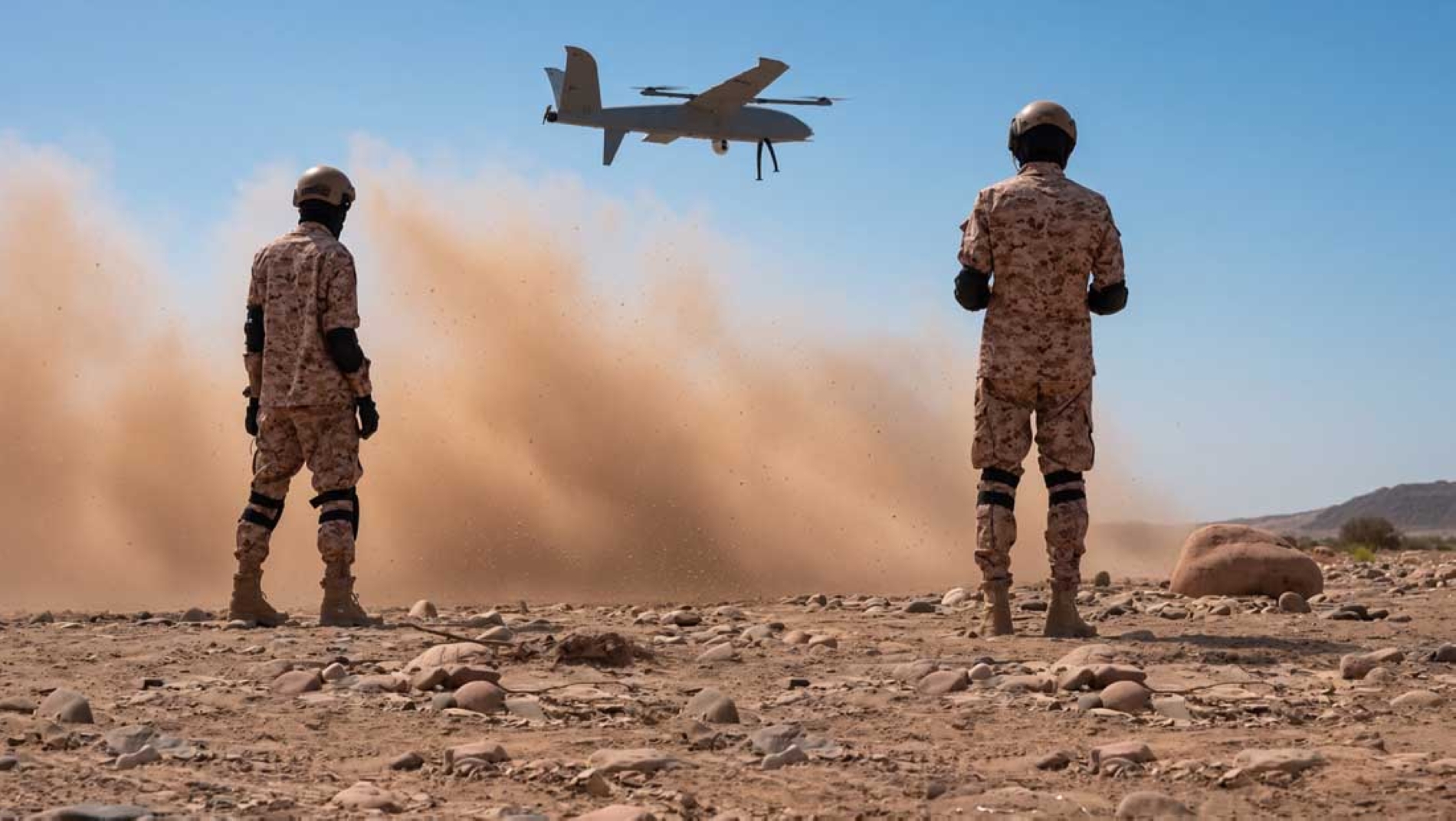
5. New air and drone capabilities. The government expanded its use of combat aircraft to strike Houthi positions, launch platforms and reinforcements. Several government-aligned formations simultaneously deployed drones for reconnaissance, target acquisition, artillery fire correction and munition drops, producing a tangible battlefield effect and boosting the morale of anti-Houthi forces.