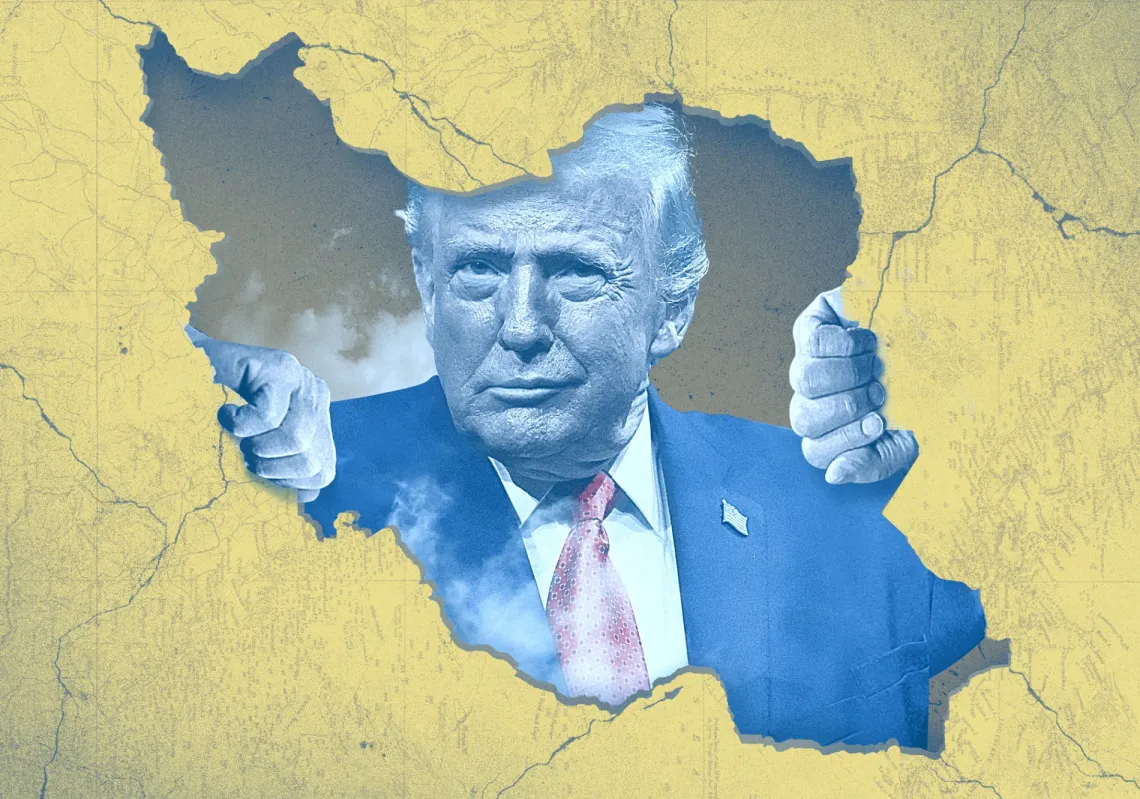

There is a fatal flaw in the Trump administration’s recently announced “economic D-Day” against Iran. US Treasury Secretary Scott Bessent declared that the new US sanctions and pressure campaign was designed to “sever every economic lifeline that sustains the tyrannical regime” in Iran. But Iran’s single greatest lifeline, China, went unnamed.
China has long been the largest buyer of Iranian oil, with some estimates claiming that about 90% of Iran’s oil is shipped there through a network of “shadow fleets.” China also offers access to the Cross-Border Interbank Payment System (CIPS), which facilitates bank transfers outside the US dollar system, and through which volumes have gone up from 680bn renminbi (RMB) per day to 790bn RMB since the Iran war was launched. Thus, if the US actually wanted to seriously harm Iran economically, it would have to go after China.
And yet, Beijing is hardly quivering in its boots. When the secretary was asked repeatedly at a press conference if “Operation Economic Outcast” would target Beijing, he demurred, without mentioning China directly: “No one is above the reach of US sanctions.” And when pressed on why the Treasury Department is issuing a threat rather than just imposing the sanctions, Bessent simply said, “Why would I want to blow up the global financial system?”
Judging by the lacklustre Chinese response, Beijing does not seem too concerned by the new US steps. China’s foreign ministry spokesperson condemned the announcement as “illegal” but went little further. One Chinese analyst writing on the China Internet Information Centre, a State Council news outlet, described Bessent’s announcement as an “act of helplessness” that has more to do with addressing American frustration at home than with pressuring Iran. One private Chinese media outlet also pointed out how vague and slow-moving the new US sanctions are.
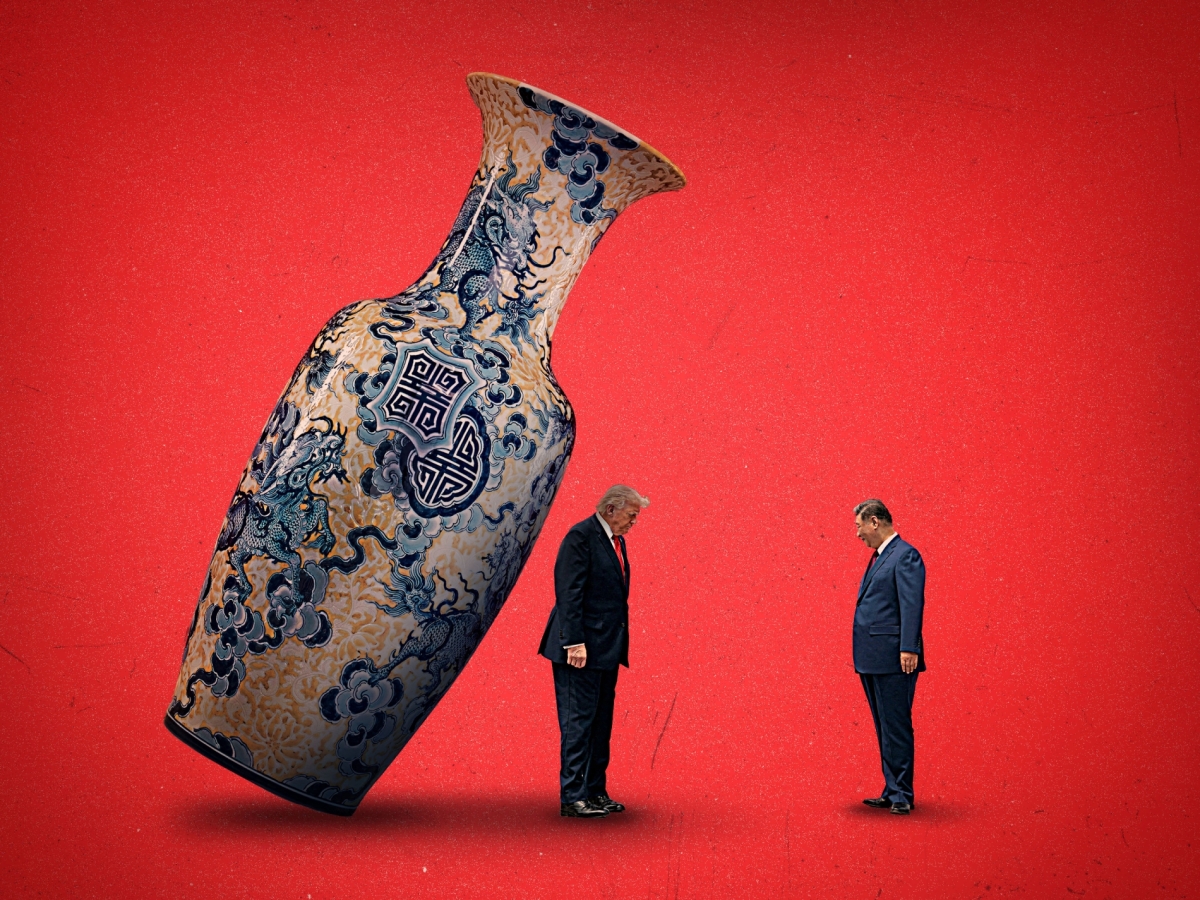
Nevertheless, China has already said publicly that it would retaliate if the US goes after its companies, and Chinese leader Xi Jinping knows it has the power to do so. So do at least some people in the Trump administration.
Beijing has recently armed itself with a legal framework for retaliation. In May, China invoked its new policy of “blocking rules” for the first time in response to US sanctions against several of its biggest independent oil refineries. These rules effectively prohibit companies inside or outside China from complying with US sanctions on Iran. So far, China has chosen not to enforce this rule, but it continues to signal to the United States that it is ready to do so if needed.
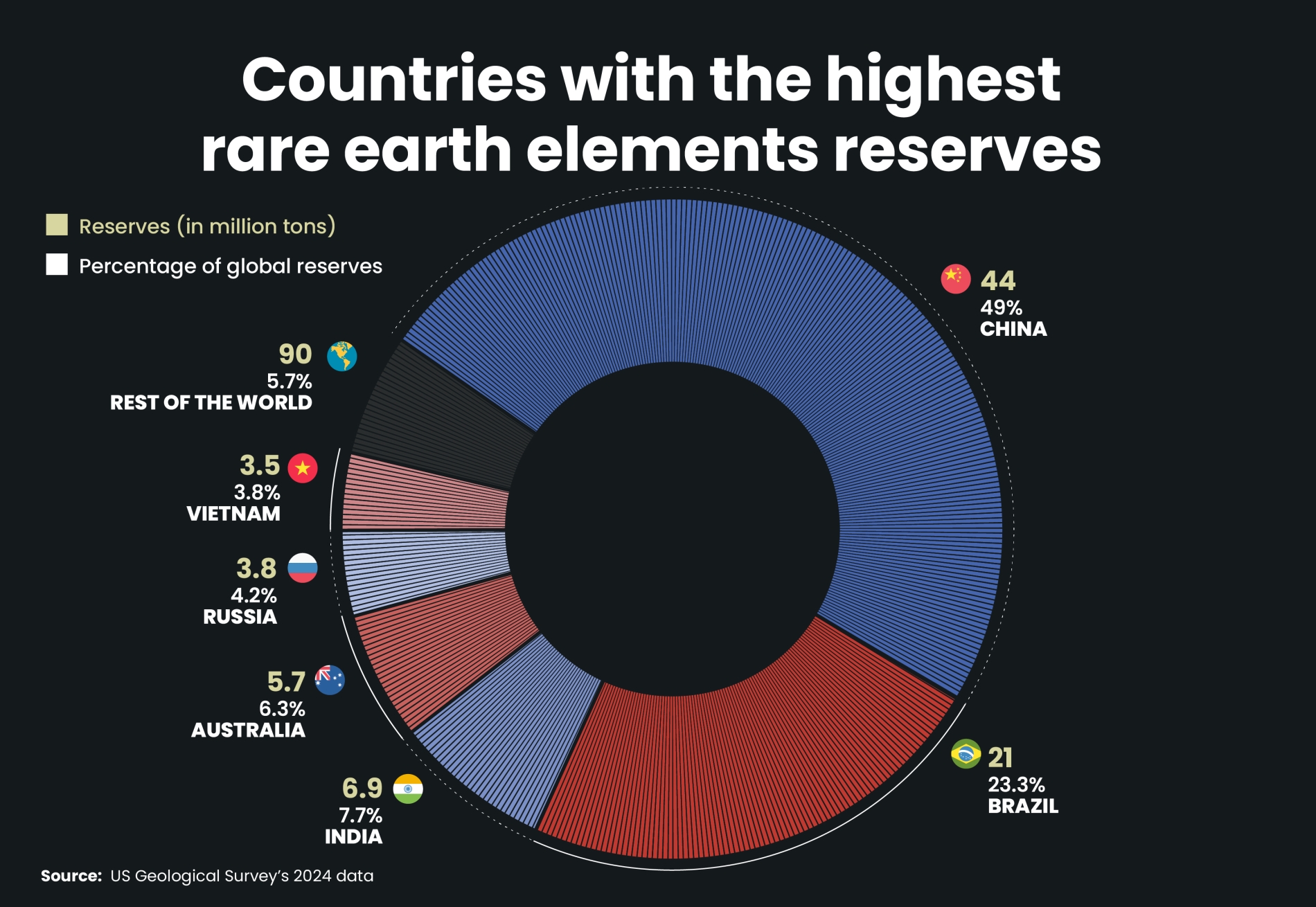
Most importantly, China knows it has an ace up its sleeve. Beyond its ability to take simple retaliatory measures, Beijing can also escalate its competition with Washington. Among its most powerful tools is a ban on the export of rare earths, which China knows that it can impose again. Freezing exports of rare earths to the US last year brought some sectors of US manufacturing to a standstill, particularly in the defence sector, and forced a rapid climbdown by Trump on Chinese tariffs.
The US has made grand statements about developing alternative supply chains here but has struggled to reduce its overall reliance on China. It is competing with decades of Chinese investments in those refining capabilities, but it also quite willingly offshored many of these refining processes because they are so polluting.